Table of Contents >> Show >> Hide
- The Fast Answer
- Know Your Hibiscus Type Before You Panic
- USDA Zone: The Single Most Useful Number You Need
- Will Your Hibiscus Come Back? A Climate-Based Playbook
- How to Improve Comeback Odds Every Year
- Overwintering Tropical Hibiscus Indoors: Step-by-Step
- Common Reasons Hibiscus Didn’t Return (and Fixes)
- FAQ: Quick Clarity
- Conclusion
- Experience Notes (Approx. ): What Gardeners Learn After a Few Seasons
If you’ve ever stared at a “dead” hibiscus in spring and whispered, “Please don’t ghost me,” you are not alone. Hibiscus is one of the most misunderstood flowering groups in home gardening because three popular types look related but behave very differently in winter. Some come back like clockwork. Some need a little winter strategy. And some, frankly, act like summer vacationers and disappear at the first hard frost.
This guide gives you a practical, no-fluff answer to the big question: Do hibiscus plants come back every year? The short version is yessome hibiscus types do. The long version (the one that saves plants, money, and your patience) depends on plant type, USDA zone, and how you handle cold weather.
We’ll break down the differences between hardy hibiscus, tropical hibiscus, and Rose of Sharon, then walk through exactly what to do in each climate, what mistakes kill comeback potential, and how to set up your plant for reliable returns and huge blooms.
The Fast Answer
Yes, some hibiscus plants come back every year. In general:
- Hardy hibiscus (Hibiscus moscheutos and hybrids) returns yearly in cold-winter regions as a perennial.
- Rose of Sharon (Hibiscus syriacus) returns yearly as a woody deciduous shrub.
- Tropical hibiscus (Hibiscus rosa-sinensis) returns outdoors year-round only in frost-free or nearly frost-free climates; elsewhere it must be protected indoors to survive.
Know Your Hibiscus Type Before You Panic
Most hibiscus heartbreak starts with mistaken identity. You can’t predict winter survival if you don’t know who you planted.
| Type | Growth Habit | Cold Behavior | Typical Return Pattern |
|---|---|---|---|
| Hardy Hibiscus (Rose Mallow) | Herbaceous perennial | Dies back to ground in winter | Resprouts from crown/roots in spring |
| Rose of Sharon | Woody deciduous shrub | Loses leaves, keeps woody framework | Leafs and flowers again each year |
| Tropical Hibiscus | Evergreen shrub in warm climates | Damaged or killed by frost/freezing | Perennial outdoors only in warm zones; otherwise overwinter indoors |
Hardy Hibiscus: The Reliable Comeback Performer
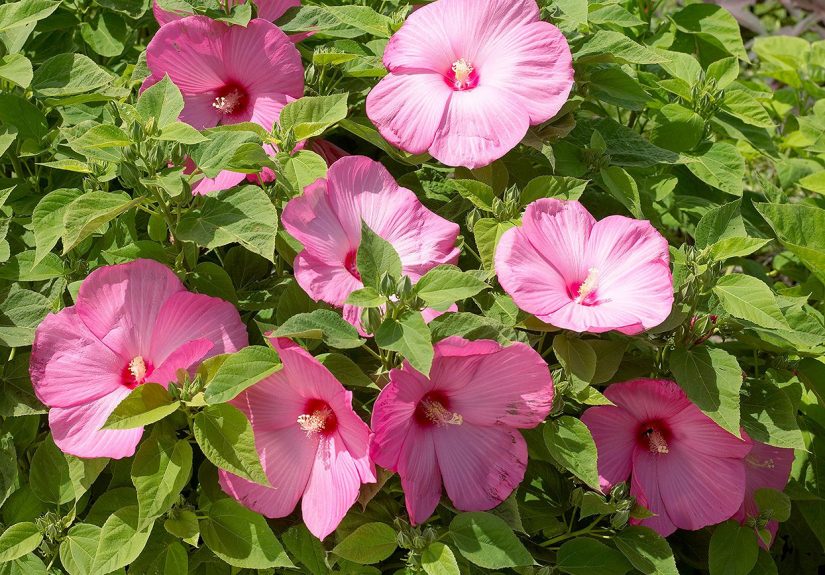
Hardy hibiscus is the one that gives dramatic, dinner-plate flowers and still survives real winter. It usually dies back to the ground in fall/winter, which looks alarming if you’re new to itbut that is normal. In spring, new shoots emerge from the base. Many gardeners assume it’s dead because it wakes up late compared with other perennials, then suddenly rockets into growth once soil warms.
It thrives in full sun and appreciates consistent moisture. If you can give it rich, well-drained soil (or naturally moist soil), you’ll usually get stronger growth and more blooms. Individual flowers are short-lived, but the plant makes new buds continuously in season, so the display can feel nonstop.
Rose of Sharon: Shrub Energy, Hibiscus Flowers
Rose of Sharon is a woody shrub, not an herbaceous perennial. That means branches stay above ground through winter, leafless but alive, then regrow foliage and flowers in the warm season. It’s a great choice if you want a structural plant that blooms in mid-to-late summer when many shrubs are resting.
It tolerates heat, humidity, and a broad range of soil conditions once established. It also flowers on new growth, which is why pruning in late winter or early spring can improve flower size and help shape the shrub. In some regions and with some cultivars, it can self-seed, so choose sterile varieties if you want less volunteer seedlings.
Tropical Hibiscus: Gorgeous, but Frost-Drama Prone
Tropical hibiscus produces brilliant bloom colors not common in hardy typesespecially warm oranges, yellows, and apricot tones. But cold tolerance is limited. In climates with freezing winters, tropical hibiscus outdoors is often treated like a seasonal patio plant unless brought indoors for protection.
If your tropical hibiscus starts dropping leaves as nights cool, that’s your cue to act early. Waiting until the first hard freeze is a classic “learned the hard way” move. Bring it in before sustained chilly nights, inspect for pests, and adjust to indoor light and humidity gradually.
USDA Zone: The Single Most Useful Number You Need
When gardeners ask whether hibiscus returns yearly, the most useful answer starts with: What USDA zone are you gardening in? USDA zones are based on average annual extreme minimum winter temperatures, so they are your practical survival baseline for perennials and shrubs.
But zone is step one, not the whole story. Two people in the same zone can get different outcomes because of:
- Urban heat pockets vs. exposed rural sites
- South-facing walls that store heat
- Winter wind exposure
- Soil drainage (wet winter soil can be rough on crowns and roots)
- Plant age and establishment time before winter
Think of zone as your climate floor and microclimate as your bonus (or penalty) settings.
Will Your Hibiscus Come Back? A Climate-Based Playbook
Zones 3–5 (Cold Winter Climates)
- Choose hardy hibiscus or Rose of Sharon, not tropical hibiscus for in-ground year-round planting.
- Expect hardy hibiscus to disappear completely after frost and return late in spring.
- Mulch crown/root zone after soil cools to reduce freeze-thaw stress.
- If growing tropical hibiscus, keep it in a container and overwinter indoors.
Zones 6–8 (Moderate Winters)
- Hardy hibiscus and Rose of Sharon usually return well with standard care.
- Tropical hibiscus may survive in very protected microclimates in warm-end zone pockets, but it’s still a gamble outdoors.
- Use containers for tropical types if you want reliable annual returns.
Zones 9–11+ (Warm to Frost-Free)
- Tropical hibiscus often behaves as a perennial shrub outdoors.
- In cooler parts of Zone 9, occasional cold snaps can damage top growth; plants may resprout from lower stems or roots depending on severity.
- Hardy hibiscus still performs well and can provide giant blooms with less heat stress than some tropical cultivars.
How to Improve Comeback Odds Every Year
1) Match the Plant to the Site
Full sun is generally your best bloom engine across hibiscus types. In very hot regions, some afternoon relief can reduce stress on certain cultivars, but too much shade means fewer flowers and leggier growth.
2) Get Watering Right
Hibiscus likes moisture, but “moist” is not “swampy forever” unless you’re growing species adapted to very wet conditions. Drought can reduce growth and flowering. Constant sogginess can cause root issues. Aim for even moisture and improve drainage where needed.
3) Feed for Growth, Not Chaos
A balanced fertilizer routine in active growth supports bud production. Overfeeding nitrogen can push leaf growth at the expense of flowers. In containers, use lighter, regular feeding rather than occasional heavy doses.
4) Prune at the Right Time
- Hardy hibiscus: cut old stems in late winter/early spring.
- Rose of Sharon: late winter/early spring pruning works well because it blooms on new wood.
- Tropical hibiscus: prune strategically before or after overwintering transitions; avoid major stress right before cold events.
5) Don’t “Funeral-Prune” Too Early After Cold
Cold injury can look worse than it is. Removing damaged tissue too soon may remove tissue that still has recovery potential. In borderline climates, patience in late winter pays off.
Overwintering Tropical Hibiscus Indoors: Step-by-Step
- Time it early: move plants inside before nights settle into the low 50s°F range.
- Check for pests: inspect leaves (top and underside), stems, and soil surface for whiteflies, aphids, scale, and spider mites.
- Clean first: rinse plant thoroughly and use appropriate treatment if pests are present.
- Adjust light gradually: outdoor sun to indoor light is a shock; leaf drop can happen during adjustment.
- Water carefully: indoor evaporation is slower; water when needed, not on outdoor summer autopilot.
- Hold fertilizer in low-light periods: heavy feeding during low growth seasons can stress roots and invite weak growth.
- Spring re-entry: harden off outdoors gradually after frost risk passes.
Common Reasons Hibiscus Didn’t Return (and Fixes)
“It never came back in spring.”
Possible cause: you planted a tropical type in-ground in a freezing climate.
Fix: switch to hardy hibiscus in-ground, keep tropical types in containers.
“It looked dead forever.”
Possible cause: hardy hibiscus emerges very late.
Fix: wait for warm soil and avoid digging it up too soon.
“Leaves yellowed and dropped indoors.”
Possible cause: light/humidity transition shock or cold drafts.
Fix: brighter window, steady temps, careful watering, pest monitoring.
“Big leafy plant, few flowers.”
Possible cause: too much nitrogen, too little sun, or pruning timing issues.
Fix: increase sun, rebalance fertilizer, prune at the correct seasonal window.
“It got damaged after one freeze.”
Possible cause: tender cultivar in exposed site.
Fix: improve siting (wind protection, warm wall), mulch roots, and choose better-matched cultivars.
FAQ: Quick Clarity
Do hibiscus flowers really last only a day?
Many hibiscus blooms are brief-livedoften around a daybut plants produce many buds in sequence, so blooming can continue for weeks or months.
Can a frozen tropical hibiscus come back from roots?
Sometimes in mild climates. In colder climates, severe freeze often kills the whole plant. In warmer zone edges, top damage can occur while roots survive.
Is Rose of Sharon the same as tropical hibiscus?
No. Both are in the Hibiscus genus, but Rose of Sharon is a woody shrub with stronger cold tolerance in many temperate landscapes.
Should I cut hardy hibiscus to the ground in fall?
You can, but many gardeners prefer late winter/early spring cleanup so old stems mark plant location and offer some winter protection.
Conclusion
So, do hibiscus plants come back every year? Yesif you choose the right type for your climate and care style. Hardy hibiscus and Rose of Sharon are dependable yearly returners in much of the U.S. Tropical hibiscus can also return every year, but usually only where winters are mild or when you overwinter it indoors.
Think of hibiscus success as a simple formula:
Right species + right zone + right winter strategy = reliable comeback and bigger bloom seasons.
And if your hibiscus looks like a pile of twigs in April, don’t panic. Sometimes your plant isn’t goneit’s just building suspense.
Experience Notes (Approx. ): What Gardeners Learn After a Few Seasons
The most useful hibiscus lesson I hear from gardeners is this: “I thought I failed, but I was just early.” Hardy hibiscus has a talent for testing patience. In mixed perennial beds, everything else wakes up while hardy hibiscus still looks like a dormant stick situation. First-time growers often replace it in May, then the original plant pops in June like a plot twist. That one timing lesson alone changes how people garden the next yearthey mark the crown location, wait longer, and stop accidental shovel crimes.
Another common experience is the tropical hibiscus “patio glow-up” in summer and “indoor soap opera” in winter. Outdoors, it blooms nonstop and looks effortless. Indoors, it may drop leaves, sulk, and attract a surprise cast of whiteflies. Gardeners who succeed long-term tend to do three practical things: bring it inside earlier than they think they need to, clean and inspect it before crossing the threshold, and give it the brightest window they can. They also stop trying to force peak summer flowering in December and instead focus on stable survival until spring. That mindset shiftfrom “winter performance” to “winter maintenance”is huge.
In warm regions, people often discover that “perennial” doesn’t always mean “pretty all year.” A tropical hibiscus can survive a cold event but still look rough for a while. Experienced growers don’t rush to hard prune immediately after cold damage; they wait for clearer signs of what tissue is truly dead. Waiting feels passive, but in practice it saves living stems and leads to fuller recovery. It’s one of those quiet advanced moves that beginners mistake for doing nothing.
Rose of Sharon brings its own real-world surprises. People love it because it blooms when summer feels tired and because it tolerates imperfect conditions. But many gardeners are shocked at how fast some cultivars can seed around the yard. The experienced workaround is simple: choose lower-seed or sterile selections when available, deadhead if needed, and decide whether you want a single specimen or a future unofficial hedge. It’s not a flawit’s just a personality trait you should plan around.
Container growers also report better results when they treat hibiscus roots as the main asset. Fancy bloom photos get all the attention, but comeback is mostly a root-zone story: drainage, consistent moisture, and not cooking roots in undersized dark pots in high heat. Upsizing containers gradually, refreshing potting mix, and rotating plants for even light makes a bigger difference than people expect.
Finally, the emotional side is real. Hibiscus can make confident gardeners feel like beginners again. Bud drop, random yellow leaves, and winter dieback can look dramatic. But once people identify the type and match care to climate, confidence returns quickly. Year two is usually easier than year one. By year three, gardeners stop asking, “Will it come back?” and start asking, “How big can this get?” That is the point where hibiscus goes from mystery plant to favorite plant.