Table of Contents >> Show >> Hide
- Why the Era Armchair Still Feels Fresh
- A Brief Design History That Actually Matters
- Materials, Craft, and What They Mean in Daily Life
- How to Style the Era Armchair with Upholstered Seat
- What to Know Before Buying or Hunting One Down
- Who This Chair Is Best For
- Final Thoughts
- Experiences Related to the Era Armchair with Upholstered Seat
- SEO Tags
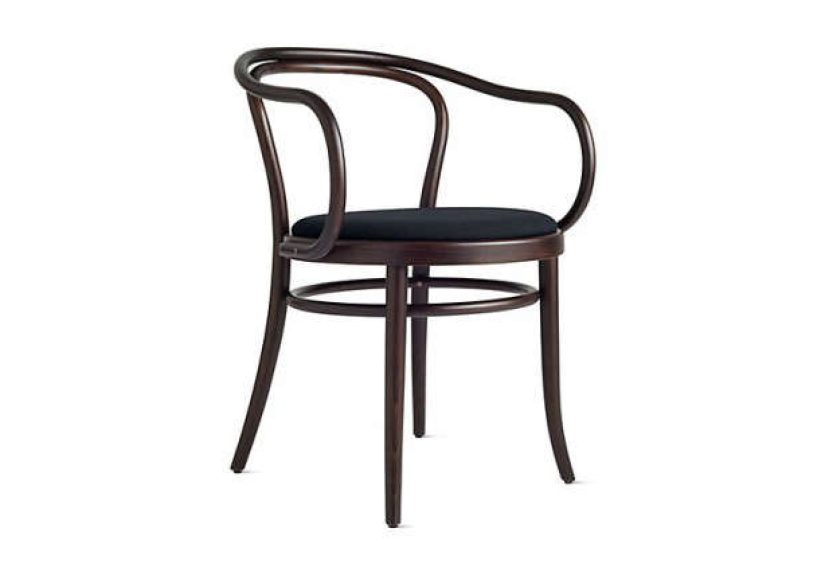
The Era Armchair with Upholstered Seat is one of those rare pieces that manages to be polite, practical, and quietly dramatic all at once. It does not scream for attention like a neon beanbag or a sofa the size of a small nation. Instead, it does something much more impressive: it earns your attention slowly. With its bentwood frame, compact footprint, and padded upholstered seat, this chair blends nineteenth-century ingenuity with the kind of comfort modern homes demand. In other words, it looks smart and lets you sit like a civilized person.
At its core, this chair belongs to the long-running design legacy of Michael Thonet, a figure so important to furniture history that discussing bentwood seating without mentioning him feels a little like talking about sandwiches without bread. The Era line traces back to 1859, and what still makes it relevant today is the way it balances lightness, strength, and graceful curves. The upholstered-seat version adds a softer, lounge-friendly twist to that famous silhouette, making it more than a historical nod. It becomes a genuinely livable piece for contemporary interiors.
If you are searching for an armchair that can work in a reading corner, living room, bedroom, boutique office, or stylish hospitality setting, this design has real range. It is compact but not cramped, elegant without being fussy, and classic without looking like it belongs behind museum glass. That combination is why the chair still sparks interest even though the upholstered version appears to live more in archived design references and secondhand wish lists than on every modern showroom floor.
Why the Era Armchair Still Feels Fresh
The first thing that makes this chair stand out is its bentwood construction. Bentwood furniture changed the game because it allowed designers to create curved forms with less visual bulk and fewer clunky joints. That meant chairs could become lighter, stronger, and easier to produce at scale. For the Era Armchair, that innovation translates into a silhouette that feels airy rather than heavy. You can see the line of the frame almost drawing itself in space, which is a neat trick for a chair that still feels sturdy when you actually sit in it.
The second reason it still works is proportion. The archived upholstered-seat version is compact enough for smaller rooms, but it does not read as tiny or apologetic. It has enough presence to act as an accent chair, yet it can also slip into a room without hijacking the whole design plan. That is valuable in real homes, where not every living room is a soaring penthouse and not every bedroom has room for a chaise the size of a canoe.
Then there is the comfort factor. Classic bentwood chairs are often admired more than they are lounged in, but the upholstered seat changes that conversation. Padding softens the experience, makes the chair feel more welcoming, and broadens its appeal beyond strict design purists. This version gives you the visual elegance of traditional Thonet-inspired design while acknowledging a very modern truth: people enjoy sitting on something that does not feel like a stylish geometry lesson.
A Brief Design History That Actually Matters
Michael Thonet’s Lasting Influence
Michael Thonet was not just a furniture designer. He was a manufacturing innovator who helped make beautiful furniture more accessible. His experiments with bending wood under heat transformed chair-making and influenced design history in a lasting way. The result was furniture that looked refined but could be produced more efficiently than heavily carved traditional pieces.
That is part of what gives the Era Armchair its authority. It is not pretending to be timeless; it comes from a design language that is timeless. For well over a century, Thonet’s bentwood forms have appealed to architects, artists, decorators, and normal people who simply enjoy a chair that does not look like it is trying too hard. Even famous admirers such as Le Corbusier and painters like Toulouse-Lautrec have been connected with Thonet’s iconic bentwood seating legacy. That kind of cultural staying power is not accidental.
The Upholstered Version Adds Warmth
The upholstered-seat model takes that historic frame and makes it friendlier. According to archived product information, the chair paired a solid beech wood frame with polyurethane foam padding and wool-blend upholstery. That combination matters because it softens the line between decorative chair and everyday chair. You still get the graphic elegance of bentwood, but the seat invites longer use. It is the furniture equivalent of a person who wears tailored clothes and still knows how to relax at brunch.
Materials, Craft, and What They Mean in Daily Life
One of the appealing things about the Era Armchair with Upholstered Seat is that the materials are not flashy for the sake of it. They are thoughtful. The frame is typically associated with solid beech wood, a material long valued in bentwood furniture for its strength and ability to hold those elegant curves. Beech has enough visual warmth to feel inviting, but it also has the discipline to keep the chair looking tailored rather than rustic.
The upholstery listed in archived references includes a wool-rich fabric blend. That is a smart choice because wool-blend upholstery generally offers texture, resilience, and a more elevated finish than many purely synthetic fabrics. It also complements the chair’s historical roots. A bentwood frame with glossy, overly shiny fabric would feel confused. A wool blend, by contrast, helps the chair land somewhere between classic European café heritage and modern residential comfort.
Padding is equally important. Upholstery is not just about the top fabric. It is the whole soft system underneath: fabric, foam, structure, support, and the overall feel of the seat. Good upholstered seating should perform well visually and physically, and that is part of what makes this version more compelling than a simple hard seat. It respects the original form while adapting it for how people live now, which usually includes reading, scrolling, sipping coffee, pretending to read while actually scrolling, and other noble domestic activities.
Archived measurements place the chair at roughly 31.5 inches high, 23.5 inches wide, and 24 inches deep, with a seat height around 18.25 inches. Those proportions make it particularly useful for apartments, secondary seating zones, or rooms where you want comfort without visual heaviness. It is not oversized, which means it rewards thoughtful placement rather than brute-force floor domination.
How to Style the Era Armchair with Upholstered Seat
In a Living Room
This chair works especially well opposite a sofa or as part of a pair facing a coffee table. Designers often recommend placing chairs across from the main sofa to encourage conversation, and that advice suits the Era beautifully. Its open form keeps the room feeling breathable, while its arms and upholstery make it more inviting than a stricter dining-style chair.
If your living room is small, the chair’s compact shape is a gift. A loveseat plus one accent chair is a classic layout because it gives you multiple seating options without clogging the room. The Era Armchair with Upholstered Seat slides naturally into that role. It adds a sculptural note, but because the frame is visually light, it does not turn the room into a furniture traffic jam.
In a Bedroom or Reading Nook
This is where the chair’s personality really shines. A bedroom chair should be supportive, attractive, and comfortable enough to become a genuine retreat spot. The upholstered seat gives the Era enough softness for reading, dressing, or end-of-day decompression. Add a small side table, a floor lamp, and maybe a throw, and suddenly you have a corner that feels far more expensive than it actually is.
The chair also suits minimal and Scandinavian-inspired interiors especially well. Soft palettes, natural textures, simple lines, and uncluttered rooms all play nicely with bentwood. If your style leans warm modern, Japandi, classic European, or even updated eclectic, the Era can fit in without looking like it wandered in from the wrong party.
In Mixed-Era Interiors
One of the smartest ways to use this chair is to let it bridge old and new. Modern interiors work best when they balance streamlined forms with warmth, texture, and a little historical character. That is exactly what the Era Armchair offers. Put it next to a contemporary sofa, a chunky plaster lamp, and a vintage rug, and it suddenly becomes the piece that makes the room feel layered instead of generic.
What to Know Before Buying or Hunting One Down
Because the upholstered-seat version appears in archival design references and is described as discontinued, shoppers may need to look beyond standard retail channels. That means vintage dealers, resale sites, design auctions, local marketplaces, or showroom floor samples may be the most likely paths. This is not necessarily bad news. Discontinued pieces often appeal precisely because they feel less obvious and more collected.
When evaluating one, focus on four things: frame condition, upholstery wear, seat comfort, and scale. Bentwood should feel stable, not wobbly. Upholstery should be checked for thinning, pilling, stains, or sagging. If reupholstery is on the table, keep the frame’s shape in mind; curved forms often look best in solid fabrics or subtle textures rather than large directional patterns. And always compare the chair’s dimensions to your existing seating. A beautiful chair that sits dramatically lower or higher than everything else in the room can make the layout feel off.
Also think about lifestyle. If the chair is going in a high-traffic home with pets, children, snacks, or heroic levels of red wine confidence, durable upholstery matters. Performance-minded fabrics, removable covers, or darker textured weaves may be more practical than delicate pale textiles. Beauty is wonderful. Beauty that survives Tuesday is better.
Who This Chair Is Best For
The Era Armchair with Upholstered Seat is ideal for design lovers who want something with history but not heaviness. It suits people who appreciate craftsmanship, compact dimensions, and a chair that can pull decorative and practical duty at the same time. It is also excellent for anyone who finds many contemporary accent chairs either too bulky, too trend-driven, or suspiciously eager to look like modern art before remembering they are supposed to support a human body.
This chair may not be the best pick for someone seeking deep, sink-in lounging or oversized cocoon-like comfort. Its magic lies in balance: supportive seat, elegant frame, moderate footprint, and refined presence. Think poised comfort, not marshmallow chaos.
Final Thoughts
The Era Armchair with Upholstered Seat proves that good design ages better than trends. Its bentwood frame carries the intelligence of nineteenth-century innovation, while the padded seat makes it more relevant to modern life. It is graceful without being fragile, compact without being cramped, and stylish without trying to go viral.
In a market crowded with chairs that are either all attitude or all cushioning, this one lands in the sweet spot. It tells a design story, works in real rooms, and offers enough comfort to earn daily use. That is the kind of piece people remember. Not because it shouts, but because it keeps quietly getting everything right.
Experiences Related to the Era Armchair with Upholstered Seat
Living with a chair like the Era Armchair with Upholstered Seat is less about making a loud design statement and more about noticing how often you end up using it. At first, it may arrive as the “nice chair,” the one you place near the window, beside the bookshelf, or in that awkward corner you have been trying to transform into a cozy destination instead of a storage zone for misplaced bags and unopened mail. Then something funny happens: it becomes the chair everyone gravitates toward.
One of the best experiences associated with this style of chair is how naturally it supports quiet daily rituals. It is the spot where morning coffee tastes a bit more civilized, where you answer one email and accidentally stay for twenty minutes, where you sit to lace shoes and somehow wind up rereading a magazine from three months ago. Because the frame feels visually light, the chair never weighs down the room. Because the seat is upholstered, it encourages lingering. That combination is hard to fake.
In a reading nook, the chair performs especially well. The arms are useful without being bulky, and the upright but relaxed posture feels ideal for reading, journaling, or talking on the phone. Some chairs look beautiful but make you feel as if you are being punished by posture. Others are comfortable but resemble giant padded potatoes. The Era Armchair with Upholstered Seat tends to avoid both extremes. It lets you feel supported without swallowing you whole.
Another common experience is how adaptable the chair feels across seasons. In winter, a wool throw over one arm makes it feel warm and cocooning. In summer, the exposed bentwood keeps the overall silhouette airy and breathable. It does not feel too heavy for hot weather or too skimpy for colder months. That year-round flexibility makes it more useful than trendier accent chairs that look fabulous in photos but strangely specific in everyday life.
It also tends to age gracefully in a room. Some furniture starts strong and then quickly feels dated, especially pieces built around whatever shape or fabric happened to be fashionable for fifteen minutes online. The Era’s design language is steadier. As other decor changes around it, the chair often keeps working. New rug? Still looks good. Different lamp? No problem. Entire room makeover after one dramatic weekend of inspiration and caffeine? The chair will probably survive that too.
Perhaps the most satisfying experience is emotional rather than practical. The chair gives a room a sense of intention. It suggests that someone thought carefully about comfort, proportion, and beauty. It makes an ordinary corner feel finished. And unlike oversized seating that dominates every interaction, this chair participates in the room with confidence and restraint. It is there when you need it, handsome when you notice it, and comfortable when you stay longer than planned. That is not just good furniture. That is the kind of quiet luxury people actually live with.