Table of Contents >> Show >> Hide
- Why Frozen Pipes Are Such a Big Deal
- How to Prevent Frozen Pipes Before Winter Bites
- 1. Insulate exposed pipes
- 2. Seal the sneaky cold-air leaks
- 3. Disconnect garden hoses and drain outdoor lines
- 4. Keep the thermostat steady
- 5. Open cabinet doors during extreme cold
- 6. Let faucets drip when temperatures plunge
- 7. Winterize vacant or seasonal homes properly
- 8. Know where your main water shutoff is
- 9. Add smart protection if you want extra peace of mind
- What to Do If Your Pipes Freeze
- What to Do If a Pipe Bursts
- What Homeowners Insurance Usually Covers
- What Homeowners Insurance Often Does Not Cover
- What “Reasonable Care” Really Means
- How to Read Your Policy Without Falling Asleep
- Common Claim Scenarios Homeowners Ask About
- Scenario 1: A pipe freezes during a cold snap, bursts overnight, and ruins the kitchen floor
- Scenario 2: You were gone for a week, turned the heat way down or off, and the pipes burst
- Scenario 3: A worn-out pipe in an exterior wall finally fails during winter
- Scenario 4: The burst pipe makes your house temporarily unlivable
- Scenario 5: Water backs up through a drain after the freeze
- Real-Life Experiences Homeowners Commonly Have During Frozen-Pipe Season
- Final Takeaway
- SEO Tags
Note: This article is for general informational purposes only. Homeowners insurance coverage varies by insurer, policy form, endorsements, and state law, so always read your own policy and confirm details with your carrier or agent.
Few household problems go from “annoying” to “financially horrifying” as fast as a frozen pipe. One minute your kitchen is quiet. The next, a pipe splits, water pours behind the wall, and your home starts acting like it signed up for indoor waterfall season. Frozen pipes are not just a winter nuisance. They can damage drywall, flooring, cabinets, insulation, furniture, and your patience in one icy swoop.
The good news is that many frozen-pipe disasters are preventable. The slightly less cheerful news is that homeowners insurance does not treat every pipe problem the same way. In many cases, a standard policy may help cover the damage caused by a burst frozen pipe, but it may not cover everything you hoped for, especially if the insurer believes the loss could have been prevented with basic care.
This guide breaks down how to prevent frozen pipes, what to do if your pipes freeze anyway, and what homeowners insurance really covers when winter decides to get theatrical.
Why Frozen Pipes Are Such a Big Deal
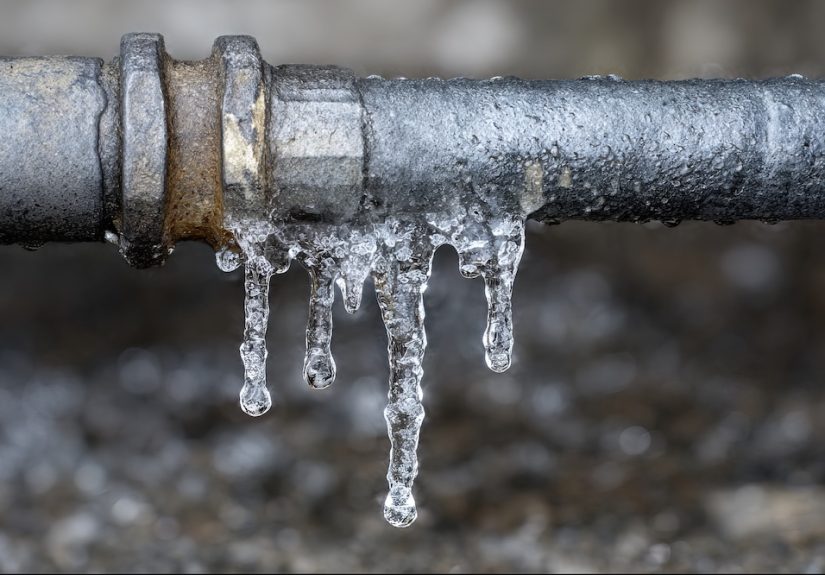
Water expands when it freezes. Inside a pipe, that expansion creates pressure. The pipe does not always burst exactly where the ice forms, either. Often, pressure builds between the blockage and a closed faucet, and the pipe splits at a weaker point. That is why a tiny frozen section in one spot can lead to a much larger mess somewhere else.
The pipes most at risk are usually the ones in unheated or poorly insulated spaces: crawl spaces, attics, basements, garages, exterior walls, under sinks near outside walls, and pipes leading to outdoor faucets. Homes in traditionally warm regions are not immune, either. In fact, homes in milder climates can be more vulnerable because the plumbing may not be built or insulated for long hard freezes.
And here is the part homeowners often underestimate: the real expense is not always the pipe. It is everything the water touches after the pipe fails. A cheap section of plumbing can trigger thousands of dollars in cleanup, drying, demolition, and repairs. In other words, the pipe is the opening act. The water damage is the headline tour.
How to Prevent Frozen Pipes Before Winter Bites
1. Insulate exposed pipes
If a pipe runs through an unheated area, give it some protection. Foam sleeves, pipe wrap, and heat tape designed for plumbing can help reduce the chance of freezing. Focus first on the most vulnerable stretches: garages, crawl spaces, attics, and basement runs near foundation walls.
2. Seal the sneaky cold-air leaks
Cold air slips in through gaps around dryer vents, electrical penetrations, outdoor spigots, and where pipes enter the home. Caulk and insulation can make a surprisingly big difference. If your pipes live near a drafty opening, winter has already found the address.
3. Disconnect garden hoses and drain outdoor lines
Outdoor faucets and hose bibs are classic freeze points. Disconnect hoses before cold weather arrives. If your home has a shutoff valve for exterior faucets, turn it off and drain the remaining water. This simple step can prevent the short interior section of pipe from freezing and cracking.
4. Keep the thermostat steady
During cold snaps, do not let your home temperature swing wildly from warm to cold. Consistent indoor heat helps protect pipes inside walls and cabinets. If you are leaving town, do not turn the heat off just because you will not be around to enjoy it. Your pipes are very much still living there.
5. Open cabinet doors during extreme cold
If you have sinks or appliances against exterior walls, open the cabinet doors to let warmer indoor air circulate around the plumbing. It is not glamorous. It is not Pinterest-worthy. But it works.
6. Let faucets drip when temperatures plunge
A small, steady drip can keep water moving and reduce pressure buildup. During severe cold, let a faucet served by exposed or exterior-wall plumbing run slightly, especially overnight. A tiny increase in the water bill is usually better than a giant increase in your repair bill.
7. Winterize vacant or seasonal homes properly
If a property will sit empty for a while, take extra precautions. You may need to keep the heat on, shut off the water, drain the plumbing system, or arrange for someone to check on the house. This matters for damage prevention, and it also matters for insurance. Vacant homes often come with stricter policy conditions.
8. Know where your main water shutoff is
This is one of those boring adult tasks that becomes wildly exciting during an emergency. Learn where the main shutoff valve is, make sure it works, and show other household members how to use it. In a burst-pipe situation, seconds count.
9. Add smart protection if you want extra peace of mind
Leak detectors, freeze sensors, smart thermostats, and whole-home water monitoring systems can alert you to trouble before a small issue becomes a renovation project. They are not a substitute for maintenance, but they can buy you precious time.
What to Do If Your Pipes Freeze
If you turn on a faucet and only a trickle comes out, or nothing comes out at all, assume a pipe may be frozen. Stay calm. This is not the moment for a blowtorch and false confidence.
Safe steps to thaw a frozen pipe
- Keep the faucet open so melting ice and steam pressure can escape.
- Apply gentle heat using a hair dryer, electric heating pad, warm towels, or a portable space heater kept safely away from flammables.
- Start warming near the faucet and work toward the colder section.
- Never use an open flame, propane heater, charcoal stove, or other improvised fire-based “solution.”
- If you cannot find the frozen section, or the pipe is inside a wall, call a licensed plumber.
Also, remember that a frozen pipe may already be cracked. As it thaws, it can start leaking immediately. Watch closely for water stains, bulging drywall, damp cabinets, or dripping sounds that seem suspiciously determined.
What to Do If a Pipe Bursts
If a pipe has already burst, move fast. Water is efficient, relentless, and not remotely interested in your schedule.
Your first moves should be:
- Shut off the main water supply.
- Open faucets to relieve remaining pressure and drain the lines.
- Turn off electricity to affected areas if it is safe to do so. Never use appliances near standing water.
- Call a plumber and, if damage is significant, contact your insurer promptly.
- Take photos and video before major cleanup begins.
- Start mitigation by removing water, airing out the space, and making temporary repairs to prevent further damage.
- Save receipts for emergency supplies, cleanup, temporary housing, and mitigation work.
Temporary repairs are usually smart. Permanent repairs before the adjuster reviews the damage are not always smart. Stop the bleeding, document everything, and coordinate with your insurer on the next steps.
What Homeowners Insurance Usually Covers
Now for the question homeowners really want answered: Does homeowners insurance cover frozen pipes? Often, yes, but usually in a very specific way.
In many standard policies, what is typically covered is the resulting sudden and accidental water damage from a pipe that froze and burst. That can include damage to walls, floors, ceilings, cabinets, and personal belongings, depending on your policy’s coverages and limits.
Coverage may also extend to:
- Water extraction and professional drying
- Repairs to damaged building materials
- Replacement of covered personal property damaged by the leak
- Mold remediation in limited situations, depending on the policy language and cause
- Additional living expenses if the home becomes uninhabitable because of a covered loss
The insurance idea here is simple: policies are more likely to respond to a sudden event than to a slow, preventable problem. Insurers like phrases such as “sudden and accidental.” They are much less fond of phrases like “I knew it was leaking for six months but hoped it would become someone else’s problem.”
What Homeowners Insurance Often Does Not Cover
This is where expectations and reality sometimes part ways.
1. Neglect or failure to maintain heat
If you left during a freeze, turned the heat off, and did nothing to protect the plumbing, the insurer may argue that you failed to take reasonable steps to prevent the loss. That can put coverage at risk.
2. Wear and tear or long-term maintenance issues
Insurance is not a maintenance plan. If the pipe failed because it was corroded, deteriorated, improperly repaired, or already leaking over time, the claim may be reduced or denied.
3. The pipe itself
Many policies are more willing to pay for the damage caused by the escaped water than for the old worn-out pipe that failed. In plain English: insurance often helps with the mess, not the aging plumbing part that created it.
4. Flooding from outside the home
If rising water enters from outside, that is generally a flood issue, not a standard homeowners policy issue. Flood insurance is usually separate.
5. Sewer or drain backup
If water backs up through a sewer, drain, or sump system, that is often excluded unless you purchased a water backup endorsement. Homeowners are frequently surprised by this one.
6. Mold without the right coverage path
Mold claims can get tricky fast. Some policies cap mold coverage, and others limit it heavily depending on the cause and how quickly you responded. If water sits too long, the damage can start drifting out of the “covered emergency” lane and into the “why was this allowed to marinate?” lane.
What “Reasonable Care” Really Means
Insurance policies do not always spell this out in big friendly letters, but the theme is consistent: homeowners are expected to use reasonable care to protect the property from preventable damage.
That usually means things like:
- Maintaining heat during freezing weather
- Taking steps to protect pipes if you are away
- Handling known leaks or plumbing problems promptly
- Making temporary repairs after a loss to prevent more damage
- Cooperating with the claims process and documenting the loss
So if you go on vacation, shut the furnace down, ignore the weather forecast, and leave your plumbing to improvise, your insurer may not applaud your creativity.
How to Read Your Policy Without Falling Asleep
You do not need to become an insurance attorney to understand your coverage. Start with these questions:
- Does my policy cover sudden water damage from burst pipes?
- What are the exclusions for freezing, vacancy, or unoccupied homes?
- Do I have water backup coverage?
- Is mold covered, and if so, is there a limit?
- What is my deductible?
- Do I have loss-of-use or additional living expense coverage?
- Are there any endorsements for leak detection, service lines, or higher water-damage limits?
If you ask those questions before a loss, you sound responsible. If you ask them after your ceiling collapses into the hallway, you sound understandably stressed. Earlier is better.
Common Claim Scenarios Homeowners Ask About
Scenario 1: A pipe freezes during a cold snap, bursts overnight, and ruins the kitchen floor
This is often the classic covered-loss situation, assuming you maintained the home reasonably and the event was sudden and accidental.
Scenario 2: You were gone for a week, turned the heat way down or off, and the pipes burst
Coverage may be disputed or denied if the insurer decides you did not use reasonable care to prevent freezing.
Scenario 3: A worn-out pipe in an exterior wall finally fails during winter
The resulting water damage may be treated differently from the cost to replace the old defective pipe. The cause of failure matters.
Scenario 4: The burst pipe makes your house temporarily unlivable
If the loss is covered, additional living expense coverage may help pay for hotel stays, meals above your normal costs, and other temporary costs while repairs are made.
Scenario 5: Water backs up through a drain after the freeze
This may not be covered unless you added a sewer or drain backup endorsement.
Real-Life Experiences Homeowners Commonly Have During Frozen-Pipe Season
One of the most common experiences is the “everything seemed fine until morning” scenario. A homeowner goes to bed during a deep freeze, wakes up, and notices the water pressure in the bathroom sink is weak. Then comes the weird sound behind the wall, followed by a damp baseboard, then a spreading stain that suddenly turns the room into a crisis-management seminar. The shocking part for many people is how quickly clean water becomes a construction issue. Within hours, flooring can cup, drywall can soften, and insulation can hold moisture like a grudge.
Another frequent experience happens when people travel. They think, “I’ll save money by lowering the heat while I’m gone,” which feels smart until it becomes extremely not smart. They return to a cold house, silent pipes, and water damage that has been developing for days. In these cases, the emotional hit is often as real as the financial one. People feel guilty, frustrated, and confused about whether insurance will help. Many learn for the first time that insurers care a lot about whether the home was heated and whether reasonable precautions were taken.
Then there is the homeowner who does almost everything right but still gets caught. Maybe the pipe is tucked inside an exterior wall with poor insulation. Maybe the area around a hose bib or crawl space lets in more cold air than anyone realized. These homeowners often describe the experience as unfair, which, honestly, is a fair description. The silver lining is that claims in this category are often easier to explain because the loss looks sudden, accidental, and not tied to obvious neglect.
There is also the “small crack, big chaos” experience. People imagine a burst pipe as a dramatic explosion. In reality, a tiny split can be enough to send a steady stream of water into cabinets, subfloors, or ceilings. Because the opening is small, the leak may go unnoticed at first. By the time it is discovered, the damage has quietly expanded into multiple rooms. Homeowners often say the most stressful part is not the plumber visit. It is the drying equipment, the packing up, the noise, the smell, and the weeks of living around repairs.
And finally, many homeowners come away from a frozen-pipe incident saying the same thing: they wish they had known their policy better before the emergency. They assumed “water damage is water damage,” only to discover that insurers draw sharp lines between burst pipes, floodwater, sewer backup, neglect, and long-term leaks. That lesson is not fun, but it is valuable. The best outcome is not just fixing the damage. It is becoming the person who now insulates the pipes, knows the shutoff valve location, keeps receipts, and has zero interest in hosting a sequel.
Final Takeaway
Frozen pipes are one of those home disasters that feel random but usually are not. A lot of the risk can be reduced with insulation, consistent heat, simple winter prep, and fast action when something seems off. And when it comes to homeowners insurance, the key distinction is usually this: policies are more likely to cover sudden accidental damage than damage that looks preventable, neglected, or outside the policy’s normal water-damage rules.
So yes, your homeowners insurance may cover a burst frozen pipe. But the better plan is to never give your insurer a reason to read your claim file while sighing. Prevent what you can, document what you cannot, and treat winter plumbing like it is important, because it absolutely is.