Table of Contents >> Show >> Hide
- What Are Hard Rock Maple Kitchen Counter Tops?
- Top Benefits of Hard Rock Maple Countertops
- Potential Drawbacks to Know Before You Buy
- Construction Styles for Maple Countertops
- Best Finishes for Hard Rock Maple Kitchen Counter Tops
- How to Care for Hard Rock Maple Countertops
- Installation Tips That Matter
- Design Ideas for Hard Rock Maple Kitchen Counter Tops
- Who Should Choose Hard Rock Maple Countertops?
- Common Experiences With Hard Rock Maple Kitchen Counter Tops
- Conclusion
Some countertops try very hard to look expensive. Hard rock maple kitchen counter tops do not need to try. They simply show up with creamy color, fine grain, real warmth, and the kind of honest durability that makes a kitchen feel lived-in rather than staged for a home listing photo shoot. If quartz is the polished overachiever and marble is the dramatic diva, hard rock maple is the reliable friend who helps you move and still looks good doing it.
Hard rock maple, often called hard maple or rock maple, is typically associated with sugar maple. It is prized because it is dense, strong, wear-resistant, and visually clean. That is exactly why it has long been used for demanding surfaces like worktops, flooring, and high-impact interiors. In a kitchen, those same qualities translate into a countertop that feels warm underhand, can be refinished instead of replaced, and develops character over time instead of begging for sympathy after every scratch.
What Are Hard Rock Maple Kitchen Counter Tops?
Hard rock maple kitchen counter tops are wood countertops made from hard maple, a species known for its fine, uniform texture and strong resistance to abrasion. Compared with soft maple, hard maple is denser and better at standing up to dents, scratches, and heavy everyday use. That does not make it indestructible, but it does make it one of the smartest wood choices for busy kitchens.
Color is part of the appeal. Hard rock maple usually ranges from creamy white to light tan, sometimes with a faint golden or reddish cast. The grain is generally straight and subtle, which makes the surface look bright, clean, and adaptable. In practical terms, it works with farmhouse kitchens, modern kitchens, Scandinavian-inspired spaces, transitional designs, and even traditional kitchens that want a little less visual heaviness than dark walnut or richly veined stone.
Hard Maple vs. Soft Maple
This is where many buyers get tripped up. “Maple” sounds simple until the wood aisle starts acting like a trivia contest. Soft maple is not flimsy, but hard maple is the tougher option. If you want a countertop for a kitchen that actually gets used for cooking, baking, coffee making, sandwich assembly, and the occasional dramatic midnight fridge raid, hard rock maple is usually the better pick.
Why Homeowners Like It
Hard rock maple offers a rare combination: it feels premium without feeling precious. It brightens the room, softens the hard edges created by tile and appliances, and adds texture without making the kitchen look busy. It also ages in a way many homeowners enjoy. Tiny marks and mellow color changes can make the countertop feel more personal over time, like a leather chair that looks better after a few years of actual life.
Top Benefits of Hard Rock Maple Countertops
1. Strong Wear Resistance
Hard rock maple has an excellent reputation for resisting abrasion and everyday wear. That is one reason it is trusted for demanding surfaces outside the kitchen too. On a countertop, that means it is better equipped than many softer woods to handle routine traffic, sliding bowls, small appliances, and the endless parade of mugs, cutting boards, grocery bags, and cookie trays that land on kitchen counters every week.
2. A Warm, Natural Look
Stone can be gorgeous, but it can also feel a little chilly, both visually and literally. Hard rock maple brings warmth. Its light tone reflects available light well, which helps smaller kitchens feel more open. If your cabinets are painted white, sage, navy, black, or greige, maple usually plays nicely with all of them. It is the Switzerland of wood countertops: neutral, attractive, and not interested in starting design conflicts.
3. Repairability
This is one of the biggest reasons wood lovers stay loyal to wood. If you scratch quartz, chip stone, or crack laminate, you may be headed toward a repair bill or a full replacement. With hard rock maple, minor damage can often be sanded out and refinished. That is a huge value advantage over time. Kitchens are not museums, and your countertop should not act shocked when you use it.
4. Good Value for the Look
Wood countertops are often more affordable than premium stone surfaces, especially when you compare material costs alone. Hard rock maple gives buyers a high-end, custom feel without always demanding luxury-stone money. That makes it especially appealing for islands, baking stations, coffee bars, perimeter sections, or full kitchens where budget matters but style still has standards.
Potential Drawbacks to Know Before You Buy
Moisture Is the Main Enemy
Let us not sugarcoat it: wood and standing water are not best friends. Hard rock maple is durable, but it is still wood. If water sits around a sink cutout, faucet base, or seam for too long, the surface can stain, swell, warp, or show raised grain. That does not mean maple has no place near a sink. It means the surface has to be properly sealed, the cutouts must be protected, and daily habits matter.
It Needs Maintenance
If you want a completely carefree countertop, hard rock maple may not be your soulmate. It needs routine care. Depending on the finish, that may mean periodic oiling, occasional conditioning, or light refinishing over time. Many homeowners consider that a fair trade because the material is renewable-looking, repairable, and beautiful. Others would rather never think about their counters again. Know thyself, and also thy sponge habits.
It Can Dent, Scratch, and Burn
Even hard maple is still softer than granite or quartz. Knife marks, hot pans, and dropped cast iron can leave evidence. The good news is that many marks are fixable. The less good news is that you still need trivets, cutting boards, and common sense. Wood countertops reward respectful use, not gladiator-style kitchen combat.
Construction Styles for Maple Countertops
Not all hard rock maple kitchen counter tops are built the same way. Construction style affects appearance, performance, and price.
Edge Grain
Edge grain countertops are made from narrow strips of wood glued with the edges facing up. This is one of the most common and practical options for home kitchens. It offers a clean linear look, solid durability, and generally better affordability than end grain. For many homeowners, edge grain hard maple hits the sweet spot between beauty and function.
Face Grain
Face grain, sometimes called flat grain or wide plank, shows more of the wood’s natural pattern. It tends to look more furniture-like and less utilitarian. If your kitchen is more about visual charm than heavy chopping-zone duty, face grain can be a handsome choice. It feels refined and a little dressier, like the countertop is wearing a blazer.
End Grain
End grain is the classic checkerboard-style butcher block look. It is typically the most durable of the three and is especially appealing when the countertop will do real prep work. It is also thicker-looking, more distinctive, and often more expensive. If you want the kitchen island to feel like the star of the show, end grain maple certainly knows how to make an entrance.
Best Finishes for Hard Rock Maple Kitchen Counter Tops
The finish matters just as much as the species. A beautiful slab of hard rock maple with the wrong finish is like wearing suede shoes in a rainstorm. Brave, but questionable.
Oil Finish
Mineral oil or conditioner-based finishes are popular for butcher block style countertops, especially when homeowners want an easy-to-renew surface. The look stays natural and low-sheen. Scratches can be blended more easily, and spot repairs are straightforward. The tradeoff is regular upkeep. You may need to reapply oil monthly at first, then less often depending on use and dryness.
Tung Oil or Similar Penetrating Finishes
Blended tung oil finishes are popular for people who want a more water-resistant option while still keeping a natural wood look. These finishes generally take more time and care to apply but can provide stronger everyday protection than simple oil-only routines.
Polyurethane or Film Finish
If your countertop is more of a work surface than a cutting surface, a cured polyurethane or similar protective topcoat can offer stronger moisture resistance and easier cleanup. This is often a smart approach for perimeter counters, coffee stations, and areas around sinks. Once cured, it creates a tougher barrier. The tradeoff is that deep scratches may be more obvious and repairs can involve sanding and recoating larger areas rather than quick spot oiling.
How to Care for Hard Rock Maple Countertops
Daily Care
Wipe spills promptly. Use mild soap and water or a food-safe cleaner. Dry the surface after cleaning, especially around sink areas and seams. Do not let puddles hang around like they pay rent.
Monthly or Periodic Maintenance
If you have an oil-finished surface, condition it when the wood looks dry or water stops beading on top. Many manufacturers recommend roughly monthly maintenance, especially in the beginning. Heavily used kitchens may need more attention than lightly used ones.
Deep Refresh
For scratches, light stains, or dullness, fine sandpaper and a fresh coat of finish can often bring hard maple back to life. This ability to refresh rather than replace is one of the best long-term arguments for choosing wood in the first place.
Installation Tips That Matter
Good installation is not optional with wood countertops. It is the difference between “I love these counters” and “why is my sink edge giving me trust issues?”
Leave Room for Movement
Wood expands and contracts with humidity changes. That means installers should allow expansion gaps at walls and avoid locking the top down in ways that restrict movement. Oversized fastener holes, flexible sealants, and proper spacing matter.
Protect Sink Cutouts and Faucet Holes
Any cut edge needs to be sealed thoroughly. Sink openings and faucet holes are especially important because exposed end grain is more vulnerable to moisture. Silicone sealing around the sink and faucet helps create a water-tight bond while still allowing the wood to behave like wood.
Do Not Ignore Dishwashers
Steam and heat from dishwashers can be rough on the underside of a wood counter. Many installation guides recommend added protection such as a vapor barrier or insulated underside treatment above dishwashers. That step is not glamorous, but neither is replacing a warped countertop because steam kept sneaking in like a tiny kitchen villain.
Design Ideas for Hard Rock Maple Kitchen Counter Tops
One of the best things about hard rock maple is its flexibility. It works in more than one design language.
- All-maple kitchen: Great for warm minimalist or Scandinavian-inspired spaces.
- Maple island with stone perimeter: A classic mix that adds warmth without committing every counter to wood care.
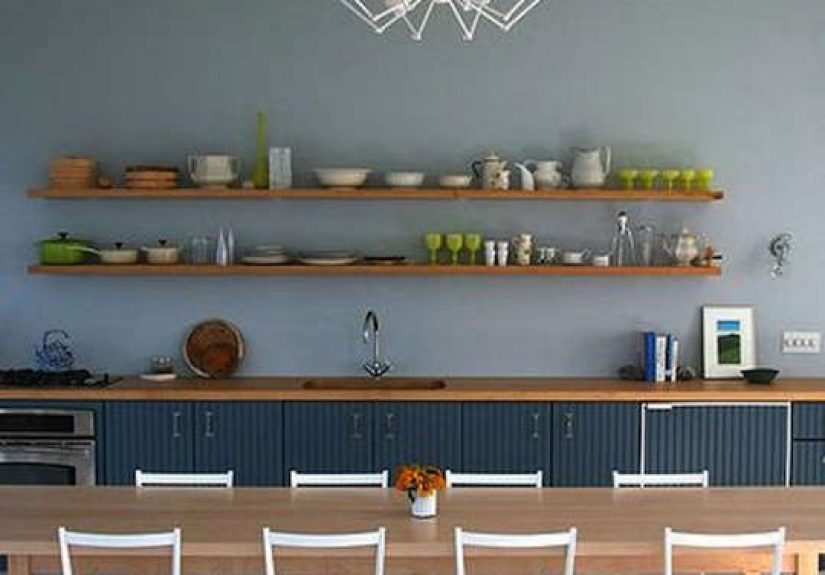
- Maple with painted cabinets: White, charcoal, navy, forest green, and muted blue all pair beautifully.
- Modern farmhouse: Pair with shaker cabinets, matte black hardware, and simple pendant lighting.
- Workstation corner: Use maple for a baking zone, breakfast nook, or coffee station where the tactile feel really shines.
Who Should Choose Hard Rock Maple Countertops?
Hard rock maple kitchen counter tops are ideal for homeowners who want real wood, appreciate natural materials, and are willing to do a little maintenance in exchange for beauty and repairability. They make sense for cooks who like warm prep surfaces, designers who want visual softness, and renovators who prefer character over sterile perfection.
They may not be ideal for households that want zero upkeep, leave standing water around sinks, or expect the countertop to survive direct knife chopping, hot pans, and general kitchen chaos without a complaint. Maple is durable, but it is not a superhero cape for bad habits.
Common Experiences With Hard Rock Maple Kitchen Counter Tops
One of the most common experiences homeowners report with hard rock maple is that the countertop changes how the whole kitchen feels. Even when the cabinets, appliances, and layout stay exactly the same, the room often feels softer and more welcoming once wood goes in. A bright maple surface can make a kitchen look less clinical and more like a place where people actually gather. That sounds dramatic for a countertop, but kitchens are emotional spaces. People do not just cook there. They talk, snack, host, pace, scroll, unload groceries, and wonder why they bought cilantro again.
Another common experience is surprise at how pleasant maple feels during daily use. Cold stone looks polished, but wood feels warmer to the touch in the morning and more forgiving when you lean on it during meal prep. Bakers often like it for rolling dough, and many people say it makes everyday routines feel less harsh. It is a small sensory upgrade, but it adds up over time.
Many homeowners also notice that hard rock maple develops personality. Early on, people tend to panic over the first little mark. A faint scratch near the toaster can feel like a personal betrayal. Then, somewhere between month three and month eight, a funny thing happens: the countertop stops feeling fragile and starts feeling lived-in. Minor marks blend into the overall patina, and the wood begins to look like part of the home rather than a new object nervously waiting to be damaged.
That said, the sink area is where most real-life lessons happen. People who love their maple counters almost always mention one rule: wipe the water. If they stay on top of drips, the counters usually stay beautiful. If they let water sit around the faucet, soap dispenser, or sink seam day after day, they may notice dullness, slight darkening, or raised grain. In other words, maple is loyal, but it does expect basic respect.
Oil-finished counters often come with a learning curve too. The first few conditioning sessions can make homeowners feel like they accidentally adopted a very handsome but mildly high-maintenance pet. Over time, though, the routine becomes simple. Wipe, oil when needed, buff, move on with life. Many people say the upkeep sounds more intimidating than it actually feels once they settle into it.
Families with children often appreciate that maple is repairable. If a toy gets dragged across it, a school project explodes in glitter glue, or a dropped utensil leaves a dent, the situation is usually not catastrophic. A little sanding and refinishing can solve a lot. That repairability gives wood countertops a more forgiving long-term value, especially compared with surfaces that are technically durable but much harder to fix once damaged.
Perhaps the most telling experience is this: people who choose hard rock maple rarely talk about it like a background material. They talk about it like part of the home’s personality. They mention the color in morning light, the way it balances painted cabinets, the subtle grain, and the fact that guests almost always touch it. That tactile response says a lot. In a world full of surfaces designed to resist fingerprints, hard rock maple is one people actually want to put a hand on. That may be the best endorsement of all.
Conclusion
Hard rock maple kitchen counter tops are a smart choice for homeowners who want durability, warmth, and a timeless natural look. They offer better toughness than softer maples, a bright and versatile appearance, and a major advantage in repairability. Yes, they need sealing, sensible installation, and routine care. But in return, they give the kitchen something many synthetic surfaces cannot: character that improves with use.
If you want a countertop that feels alive, works hard, and can be refreshed instead of replaced, hard rock maple deserves a serious look. It is practical, attractive, and just opinionated enough to remind you that the best kitchens are used, not just admired from a safe distance.