Table of Contents >> Show >> Hide
- Why a Headboard Makes Surprisingly Great Pantry Storage
- Pick the Right Headboard (and Know When to Walk Away)
- Plan Your “Pantryboard” Like a Grown-Up (With Snacks)
- Tools and Materials
- Step-by-Step: Turn a Headboard into Cool Pantry Storage
- Step 1: Clean it like it’s about to meet your mother
- Step 2: Decide your final orientation and trim the “bed parts”
- Step 3: Add a backer panel to stop small items from escaping
- Step 4: Build your shelves (shallow is your friend)
- Step 5: Add hooks, rails, and basket zones
- Step 6: Paint or stainand seal it for real life
- Step 7: Mount it safely (this is the non-negotiable part)
- Make It Work Like a Real Pantry (Not Just a Pretty Shelf)
- Design Ideas: Choose Your Pantryboard Personality
- Common Mistakes (a.k.a. How Pantryboard Dreams Die)
- FAQ
- Experiences: What It’s Like to Actually Live With Headboard Pantry Storage ()
- Conclusion
If your pantry is currently a “choose-your-own-adventure” where every chapter ends with you buying a second cinnamon because the first one is hiding behind
an avalanche of pasta, this one’s for you. Today’s makeover is equal parts practical and delightfully weird: turning an old headboard into pantry storage.
Yes, a headboard. The thing that used to quietly support your pillow dreams can absolutely become a hardworking, good-looking “pantryboard” that stores
snacks, spices, baskets, and all the tiny things that love to vanish at 6:12 p.m. when dinner is happening.
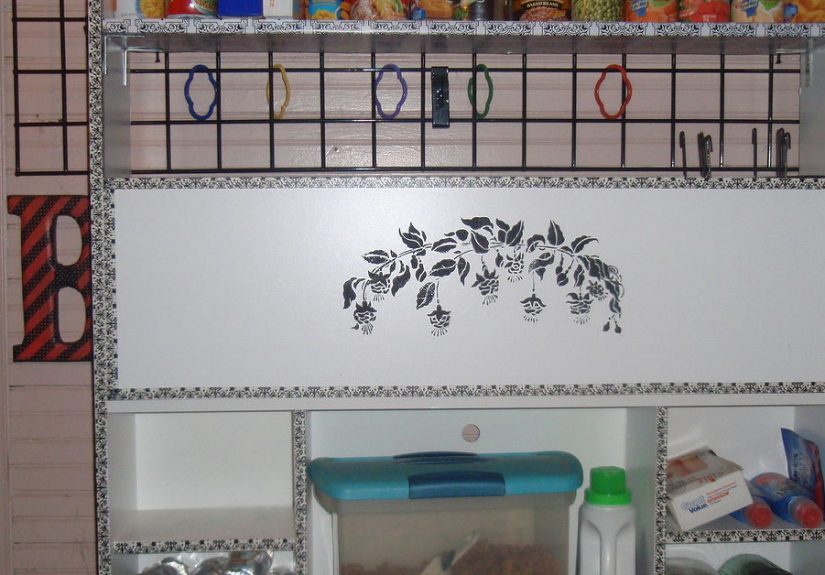
This isn’t a precious craft project. It’s a functional storage upgrade that happens to have personality. You’ll get open shelving, hook space, and vertical
organizationwithout paying “custom built-in” money. And if you do it right, it’ll look like it was always meant to live in the kitchen, not the bedroom.
Why a Headboard Makes Surprisingly Great Pantry Storage
1) It’s already built like furniture (because… it is)
A headboard is sturdier than a random plank-and-prayer shelf because it was designed to be a real piece of furniture. Many have posts, rails, panels,
and ready-made “zones” that naturally translate to storage: a center panel that can become a backboard, side posts that frame baskets, and top rails that
beg for hooks.
2) The shape is basically an organizer blueprint
A headboard gives you architectural details for free. Spindles can act like dividers. Wide rails can support shelves. Decorative trim becomes instant
“built-in” vibes. With a couple of boards and a little planning, your pantry storage goes from “wire rack chaos” to “intentional, curated, slightly smug.”
3) It upgrades vertical space without remodeling
Pantries fail when they’re flat: one shelf, one layer, one sad row of cans. Headboard conversions shine because they encourage vertical storageshelves
up top, baskets mid-level, heavier items lowerso you can actually see what you own (instead of discovering it during spring cleaning like an archaeological
dig).
Pick the Right Headboard (and Know When to Walk Away)
Best headboards for pantry storage
- Solid wood or sturdy engineered wood that won’t crumble when you screw into it.
- Bookcase headboards (already halfway to pantry shelvingthese are the overachievers).
- Simple panels with a wide center section (easy to add shelves and a backer).
- Spindle headboards if you like the look and plan to add baskets/hanging storage.
Red flags (save yourself the drama)
- Severe warping (your shelves will forever lean like they’re gossiping).
- Rot, active mold, or pest damage (no pantry needs that kind of spice).
- Flaking lead paint suspicion on very old piecestest and remediate safely before sanding.
- Paper-thin laminate that won’t hold hardware.
Plan Your “Pantryboard” Like a Grown-Up (With Snacks)
Measure the space and the stuff
Before you do anything heroic with a saw, measure:
- Where it’s going: inside a pantry, on a kitchen wall, in a laundry/pantry combo, or in a dining nook.
- Depth limits: You want storage that fits, not shelves that bonk the door every time you open it.
- Your tallest frequent items: cereal boxes, oils, small appliances, dog food containerswhatever you actually store.
Decide your storage mix: shelves, hooks, baskets, or all of the above
The best pantry storage isn’t “all shelves” or “all bins.” It’s a balanced cast:
- Shelves for jars, spices, baking goods, and grab-and-go snacks.
- Wire or woven baskets for packets, chips, and “miscellaneous” that would otherwise free-range.
- Hooks/rails for measuring cups, aprons, scissors, small totes, or even produce bags.
- A note zone (chalkboard paint, a small dry-erase panel, or a clipped list) for shopping and meal planning.
Tools and Materials
Keep it simple. You don’t need a full workshopjust the right basics.
Common tools
- Stud finder, level, tape measure
- Drill/driver, bits, countersink
- Sander or sanding block (80/120/220 grit is a solid trio)
- Saw (circular saw, miter saw, or even a handsaw if you’re patient and motivated by snacks)
- Clamps (optional but very helpful)
Materials (adjust to your design)
- Headboard
- Boards for shelves (1×8, 1×10, or plywood cut to size)
- Backer panel (thin plywood, beadboard, or shiplap-style paneling)
- Brackets or cleats (depending on your shelf style)
- Screws appropriate for wood and wall mounting
- Wall anchors if needed (but prioritize studs whenever possible)
- Paint or stain + a wipeable topcoat (kitchen life is sticky)
- Hooks, small rails, baskets, labels, and containers for organization
Step-by-Step: Turn a Headboard into Cool Pantry Storage
Step 1: Clean it like it’s about to meet your mother
Degrease, wipe, and scrub. Kitchens have a way of “seasoning” surfaces with invisible oil and dustso start fresh. If the headboard came from a garage,
clean it twice. Future-you will thank you when the paint actually sticks.
Step 2: Decide your final orientation and trim the “bed parts”
Many headboards have legs/posts designed to sit on the floor. For wall pantry storage, you’ll likely shorten them or remove the bed-frame attachments.
Dry-fit it where you want it and mark what needs to go. Keep the cuts square and clean so it looks intentional, not like it survived a sword fight.
Step 3: Add a backer panel to stop small items from escaping
A backer does three things: adds strength, creates a clean visual backdrop, and prevents spice jars from playing hide-and-seek behind your shelves.
Plywood is straightforward. Beadboard adds charm. A flat panel keeps it modern. Attach it with screws from the back or finish nails, then fill holes and
sand smooth.
Step 4: Build your shelves (shallow is your friend)
Pantry shelves work best when they’re not too deepespecially for small items. Shallow shelves keep everything visible so you don’t forget you own paprika
until it expires in the year 2097.
- Top shelf: for less-used items or attractive storage containers.
- Middle shelves: for daily-use pantry staples (snacks, spices, jars).
- Lower shelf: for heavier items or bins that can handle bulk purchases.
Support options:
- Brackets: easiest and very sturdy.
- Cleats: a clean look, especially if you want “built-in” style.
- Repurposed rails: some headboards have existing rails that can become shelf supports with minor modification.
Step 5: Add hooks, rails, and basket zones
This is where the “cool pantry storage” part really kicks in. A simple rail with S-hooks can hold measuring cups, small baskets, or lightweight tools.
Hooks along a top rail can store aprons or reusable bags. If your headboard has spindles, slide in hanging baskets or mount small bins to keep packets and
seasoning mixes from turning into confetti.
Step 6: Paint or stainand seal it for real life
A pantry organizer gets touched constantly. Use a durable finish. Paint works great, especially in satin or semi-gloss for easy wiping. If you stain,
topcoat it so it survives the occasional splash of olive oil and the inevitable “who spilled the soy sauce?” mystery.
Step 7: Mount it safely (this is the non-negotiable part)
Pantry storage becomes heavy fast. Whenever possible, mount into wall studs. Use a level, pre-drill, and choose hardware that matches the wall type and
the load. If you’re mounting inside a pantry with limited stud access, use appropriate anchors rated for shelving loadsbut still design the storage so the
heaviest items live on lower shelves, and avoid overloading upper areas.
Make It Work Like a Real Pantry (Not Just a Pretty Shelf)
Create zones so your pantry runs on autopilot
“Zones” are the secret sauce of pantry organization. Give each shelf a job so everyone in the house knows where things go back (including Future You, who
will absolutely forget).
- Baking zone: flour, sugar, baking soda, chocolate chips, liners.
- Snack zone: bins for bars, crackers, small treats.
- Breakfast zone: cereal, oatmeal, nut butters, coffee/tea.
- Dinner helpers: oils, sauces, spices, rice, pasta.
- Backstock: extras and bulk items in labeled baskets on lower shelves.
Use containers that make sense (not containers that look good on the internet)
Clear containers can be great because you can see what’s running low. But you don’t have to decant everything. Use containers strategically:
pantry staples you buy often, items that spill easily, and anything that benefits from being airtight. Labels help, even if your handwriting looks like it
was written during an earthquake.
Add small upgrades that make a big difference
- Risers: for canned goods so nothing disappears in the back row.
- Turntables: for oils, nut butters, and condiments that love to hide.
- Uniform baskets: for visual calm and easier “grab the whole category” access.
- Clip-on list spot: for shopping notes so you stop buying a third jar of mustard.
Design Ideas: Choose Your Pantryboard Personality
Modern and minimal
Paint the whole piece one color, use simple brackets, and stick to uniform containers. Keep the “display shelf” at eye level and make everything else
practical. Minimalism isn’t about owning less foodit’s about seeing the food you own.
Farmhouse charm without the “live laugh legumes” sign
Add beadboard backing, use warm white paint, and add a couple of labeled baskets. A small rail and black hooks give you function with a classic look.
Bonus: it photographs well, if that’s your love language.
Vintage pantry vibes
Keep wood grain visible with stain, add brass hooks, and use glass jars or canisters. A narrow shelf for spices makes it feel like an old general store,
in the best way.
Common Mistakes (a.k.a. How Pantryboard Dreams Die)
- Making shelves too deep: deep shelves create hidden clutter. Shallow shelves keep things visible.
- Overloading the top: heavy items go low. Always.
- Skipping wall safety: if it’s not mounted well, it’s not storageit’s a future headline.
- Ignoring workflow: put daily items where your hands naturally reach, not where they look cutest.
- Organizing once and never maintaining: a quick weekly reset beats a yearly pantry meltdown.
FAQ
Can I do this in a rental?
Yesconsider making it a freestanding unit instead of wall-mounted. You can attach the headboard to a shallow base or pair it with a slim shelving unit
so it leans securely, then use baskets and lightweight storage. If you do mount, keep it minimal and repair holes later.
How big should it be?
Bigger is not always better. A twin headboard can be perfect for a small pantry wall. A queen headboard can be amazing in a pantry-laundry combo or a
large kitchen nook. The best size is the one that doesn’t block doors, outlets, or your will to live.
What should I store on it?
Treat it like a “front-of-house pantry” for frequently used items: spices, snacks, baking, coffee, and meal prep helpers. Use baskets for packets and
odds-and-ends. Keep bulk and heavy items lower or elsewhere.
Experiences: What It’s Like to Actually Live With Headboard Pantry Storage ()
The first thing you notice after installing a headboard pantryboard is not the extra storage. It’s the silence. Not literal silencethis is a kitchen,
after allbut the absence of that constant low-grade panic that comes from not knowing where anything is. Before, I’d open the pantry and get hit with
a chaotic wall of boxes leaning like they were auditioning for a domino show. Now, the shelves tell me what I own. The snacks stop migrating. The spices
stop disappearing like they’re on a witness protection program.
The biggest “aha” moment was realizing that shallow shelves are the heroes of pantry life. Deep shelves feel generous until you remember that your eyes
don’t bend around corners. With shallow shelves, everything stays in a single layer, which means you stop buying duplicates. I’m not saying it cured my
impulse to adopt new sauces, but it definitely reduced the number of identical soy sauce bottles in my house.
I also learned that baskets are basically pantry translators. The basket says, “This is where the granola bars go,” and everyoneeven the people who
claim they “can’t find anything”suddenly becomes capable of returning items to the correct place. One basket for baking packets, one for snack bags,
one for “random but useful” things like cupcake liners and birthday candles. Without baskets, those same items become free-range and start showing up in
places they do not belong, like the cereal box shelf or, somehow, the refrigerator.
The funniest part? The headboard turns into a gentle accountability system. When you can see what you own, you naturally use what you own. The half-empty
jar of peanut butter isn’t hiding behind a family-size box of pasta anymore; it’s right there, staring at you like, “Are we doing toast today or what?”
The open setup also makes it easier to spot what’s running low. When the oatmeal container looks sad and empty, it’s a clear signal to add it to the list
before breakfast becomes a chaotic scavenger hunt.
And yes, there’s a styling effect. Even if you’re not trying to create a magazine moment, a headboard pantryboard makes your pantry feel more “finished.”
A coat of paint, matching labels, and a couple of jars instantly turn pantry storage from pure utility to something you don’t mind seeing every day. It’s
like your pantry put on real pants. The project also makes you weirdly proud of something that’s normally invisible. You’ll catch yourself giving pantry
tours. “And over here,” you’ll say, gesturing dramatically, “is the snack zone.” Is it a little extra? Absolutely. Is it fun? Also yes.
Conclusion
Turning a headboard into cool pantry storage is the kind of DIY that feels clever because it actually is. You’re reusing a solid, character-filled piece,
gaining vertical organization, and building a pantry system that’s easier to maintain than the usual “stack and hope” strategy. Keep shelves shallow, store
heavy items low, use zones and baskets, and mount it safely. Then enjoy the most underrated luxury of all: knowing where your cinnamon is.






Turning a headboard into cool pantry storage is the kind of DIY that feels clever because it actually is. You’re reusing a solid, character-filled piece. What’s happend?