Table of Contents >> Show >> Hide
- Why Scrambled Eggs With Spinach Are a Smart Breakfast
- Healthy Scrambled Eggs With Spinach Recipe Overview
- Ingredients
- How to Make Healthy Scrambled Eggs With Spinach
- Tips for Soft, Fluffy Scrambled Eggs
- Healthy Variations
- What to Serve With Spinach Scrambled Eggs
- Nutrition Benefits of Eggs and Spinach
- Food Safety Tips
- Storage and Meal Prep
- Common Mistakes to Avoid
- Frequently Asked Questions
- Personal Cooking Experience: Why This Recipe Works in Real Life
- Conclusion
If breakfast had a “most likely to save your morning” award, scrambled eggs would be standing on stage holding a tiny golden trophy. They are fast, affordable, protein-rich, and forgiving enough for sleepy cooks who accidentally pour coffee into the cereal bowl. Add fresh spinach, and suddenly your everyday eggs become a bright, nutrient-packed meal that tastes like something from a cozy brunch caféwithout the café bill or the 40-minute wait.
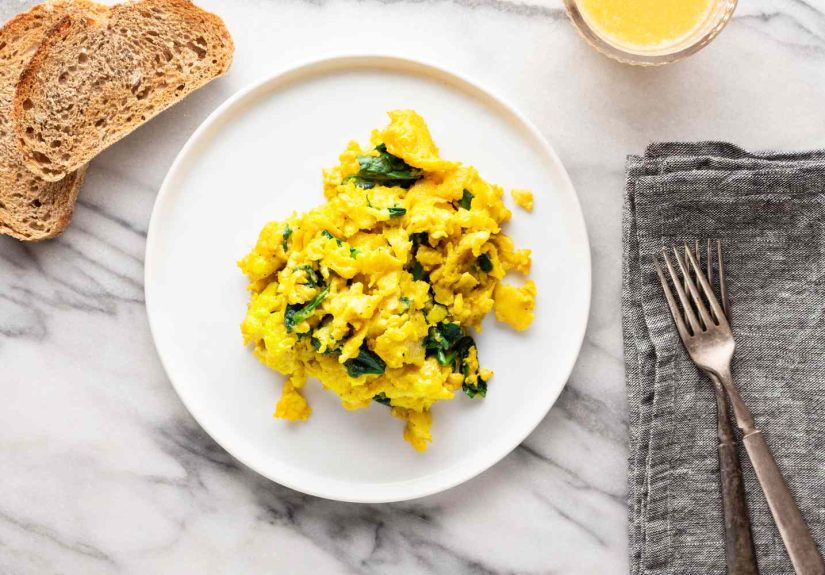
This healthy scrambled eggs with spinach recipe is simple, flavorful, and built for real life. It uses basic ingredients, cooks in about 10 minutes, and delivers a satisfying balance of protein, greens, and healthy fats. Whether you need a quick weekday breakfast, a light lunch, or a post-workout meal that does not involve eating sad crackers over the sink, this recipe is ready to help.
Why Scrambled Eggs With Spinach Are a Smart Breakfast
Eggs and spinach are a classic pairing for good reason. Eggs bring high-quality protein, satisfying richness, and important nutrients such as choline, vitamin B12, selenium, and lutein. Spinach adds color, freshness, and nutrients such as vitamin K, folate, magnesium, potassium, and plant-based antioxidants. Together, they create a breakfast that feels light but still keeps you full.
The beauty of this dish is that it does not require complicated cooking skills. You do not need a culinary degree, a copper pan, or a dramatic chef voice. The secret is gentle heat, fresh ingredients, and a little patience. Scrambled eggs become dry and rubbery when rushed over high heat. Cook them slowly, and they turn soft, creamy, and tender.
Healthy Scrambled Eggs With Spinach Recipe Overview
This recipe is designed for two servings, but it scales easily. You can double it for a family breakfast or cut it in half for one person. The ingredients are flexible, and the method works with whole eggs, egg whites, or a combination of both.
Recipe Details
- Prep time: 5 minutes
- Cook time: 5 to 7 minutes
- Total time: About 10 to 12 minutes
- Servings: 2
- Difficulty: Easy
- Best for: Breakfast, brunch, light lunch, meal prep, high-protein meals
Ingredients
- 4 large eggs
- 2 cups fresh baby spinach, loosely packed
- 1 tablespoon milk, unsweetened almond milk, or water
- 1 teaspoon olive oil or avocado oil
- 1 small garlic clove, minced, optional
- 1 tablespoon finely chopped onion or shallot, optional
- 1/8 teaspoon salt, or to taste
- 1/8 teaspoon black pepper
- 1 tablespoon crumbled feta, grated Parmesan, or cottage cheese, optional
- Fresh herbs such as parsley, chives, or dill, optional
Ingredient Notes
Eggs: Whole eggs create the best flavor and texture. If you want a lighter version, use 2 whole eggs plus 2 egg whites. That keeps the scramble satisfying while reducing some fat and calories.
Spinach: Baby spinach is tender and cooks quickly. Mature spinach also works, but remove tough stems and chop the leaves before cooking.
Milk or water: A splash of liquid helps loosen the eggs and create a softer scramble. Milk makes the eggs a little creamier, while water keeps them light.
Oil: Olive oil or avocado oil keeps the recipe heart-friendly. A small amount is enough because eggs do not need to swim laps in fat.
How to Make Healthy Scrambled Eggs With Spinach
Step 1: Whisk the Eggs
Crack the eggs into a medium bowl. Add milk or water, salt, and black pepper. Whisk until the yolks and whites are fully combined. The mixture should look smooth and golden, with no streaks of egg white. A good whisking gives the scramble a more even texture.
Step 2: Cook the Spinach
Heat a nonstick skillet over medium-low heat. Add olive oil. If using onion or shallot, cook it for about 1 minute until softened. Add garlic and stir for 15 to 20 seconds, just until fragrant. Do not let the garlic brown, unless you enjoy breakfast with a tiny hint of campfire.
Add the spinach and cook for 1 to 2 minutes, stirring often, until wilted. Spinach shrinks quickly, so do not panic when two cups turn into what looks like two tablespoons. That is spinach being dramatic.
Step 3: Add the Eggs
Reduce the heat to low. Pour the egg mixture over the spinach. Let it sit for about 10 seconds, then gently push the eggs from the edges of the pan toward the center with a silicone spatula.
Step 4: Stir Gently
Continue stirring slowly and gently. The goal is soft curds, not egg confetti. Keep the heat low and move the eggs around the pan as they set. If the eggs cook too quickly, lift the skillet off the burner for a few seconds and keep stirring.
Step 5: Remove From Heat Early
When the eggs look mostly set but still slightly glossy, remove the skillet from the heat. The eggs will continue cooking from residual heat. This step is the difference between creamy scrambled eggs and the bouncy yellow pieces served at hotel breakfast buffets.
Step 6: Finish and Serve
Sprinkle with herbs, cheese, or extra black pepper if desired. Serve immediately with whole-grain toast, avocado slices, roasted tomatoes, fruit, or a small side salad.
Tips for Soft, Fluffy Scrambled Eggs
Use Low Heat
Low heat gives you control. Eggs are delicate, and high heat can make the proteins tighten too quickly, creating a dry texture. Medium-low to low heat is best for soft scrambled eggs.
Do Not Overcook
Remove the eggs from the pan when they are just slightly underdone. They should look moist, not runny. Carryover heat will finish the job.
Use a Nonstick Pan
A nonstick skillet makes cleanup easier and helps you use less oil. It also prevents the eggs from sticking, tearing, or becoming one with the pan forever.
Season Lightly
Salt enhances flavor, but you do not need much. If you add feta or Parmesan, reduce the salt because cheese already brings savory flavor.
Healthy Variations
High-Protein Spinach Scrambled Eggs
Add 2 tablespoons of cottage cheese to the egg mixture before cooking. It melts slightly into the eggs, making them creamy while adding extra protein.
Mediterranean Spinach Scramble
Add cherry tomatoes, feta, fresh dill, and a pinch of oregano. Serve with whole-grain pita for a colorful breakfast with Mediterranean flavor.
Mushroom Spinach Scrambled Eggs
Sauté sliced mushrooms before adding the spinach. Mushrooms bring savory depth and make the scramble feel heartier without making it heavy.
Egg White Spinach Scramble
Use 6 egg whites instead of 4 whole eggs. Add herbs, black pepper, and a small amount of cheese or avocado for flavor and texture.
Spicy Spinach Eggs
Add red pepper flakes, diced jalapeño, or a few drops of hot sauce. This version is perfect for people who believe breakfast should politely wake them up with a tiny drum solo.
What to Serve With Spinach Scrambled Eggs
These eggs are delicious on their own, but the right side dish can turn them into a complete meal. For a balanced breakfast, pair them with a fiber-rich carbohydrate and a little healthy fat.
- Whole-grain toast with avocado
- Fresh berries or orange slices
- Roasted sweet potatoes
- Tomato and cucumber salad
- Greek yogurt with fruit
- Brown rice or quinoa for a breakfast bowl
Nutrition Benefits of Eggs and Spinach
Eggs are naturally rich in protein, which helps support muscle maintenance and satiety. They also contain choline, a nutrient involved in brain and nervous system function. While eggs do contain cholesterol, modern nutrition guidance focuses more on overall dietary patterns, saturated fat intake, and individual health needs than on avoiding eggs entirely.
Spinach is low in calories but high in micronutrients. It provides vitamin K, folate, vitamin A, vitamin C, magnesium, and potassium. It also contains plant compounds that support general wellness as part of a varied diet.
Together, eggs and spinach make a nutrient-dense meal that is filling without being heavy. This is especially useful if you want a breakfast that supports steady energy, helps reduce midmorning snacking, and does not leave you feeling like you swallowed a brick.
Food Safety Tips
Keep eggs refrigerated until you are ready to cook. Use clean utensils, wash your hands after handling raw eggs, and cook the eggs until they are set. For people who are pregnant, older adults, young children, or those with weakened immune systems, fully cooked eggs are especially important.
If you are packing leftovers, cool them quickly and store them in an airtight container in the refrigerator. Reheat gently and eat within a safe timeframe. For the best taste, however, scrambled eggs are happiest when served fresh.
Storage and Meal Prep
Scrambled eggs with spinach can be stored in the refrigerator for up to 3 days, but the texture is best on day one. If you want to meal prep, consider cooking the spinach mixture in advance and scrambling fresh eggs in the morning. This gives you speed without sacrificing creaminess.
Another option is to turn the same ingredients into egg muffins. Whisk eggs with chopped spinach, pour into a greased muffin tin, and bake until set. They will not have the same soft texture as skillet scrambled eggs, but they are excellent for grab-and-go breakfasts.
Common Mistakes to Avoid
Cooking Over High Heat
High heat is the main reason scrambled eggs turn rubbery. Keep things gentle. Your eggs are breakfast, not a race car.
Adding Too Much Liquid
A splash of milk or water is helpful, but too much can make the eggs watery. One tablespoon for four eggs is plenty.
Not Draining Watery Add-Ins
Spinach releases moisture as it cooks. Let the extra liquid evaporate before adding the eggs. If the pan looks watery, cook the spinach for another 30 seconds.
Waiting Too Long to Serve
Scrambled eggs continue to firm up as they sit. Serve them right away for the best texture.
Frequently Asked Questions
Can I use frozen spinach?
Yes. Thaw it first, then squeeze out as much liquid as possible. Frozen spinach holds a lot of water, and too much moisture can make the eggs soggy.
Are scrambled eggs with spinach good for weight loss?
They can fit well into a weight-conscious meal plan because they are high in protein and relatively low in calories. Pair them with fiber-rich foods such as fruit, vegetables, or whole grains for a more filling meal.
Can I make this recipe dairy-free?
Absolutely. Use water or unsweetened almond milk instead of dairy milk, and skip the cheese. Olive oil or avocado oil works well for cooking.
Can I add more vegetables?
Yes. Bell peppers, mushrooms, tomatoes, onions, zucchini, and scallions all work well. Cook watery vegetables before adding the eggs.
How do I keep scrambled eggs creamy without butter?
Use low heat, stir gently, and remove the eggs from the pan while they are still slightly glossy. Technique matters more than adding lots of fat.
Personal Cooking Experience: Why This Recipe Works in Real Life
The best thing about this healthy scrambled eggs with spinach recipe is that it behaves like a reliable friend. It does not demand fancy ingredients, it does not judge your pajama pants, and it comes together faster than most people can decide what to order from a delivery app. In everyday cooking, that matters. A recipe can be nutritious, beautiful, and perfectly balanced on paper, but if it requires twelve bowls and a heroic amount of cleanup, it quietly moves into the “maybe next year” category.
Scrambled eggs with spinach are different. They work on rushed weekday mornings, slow Sunday brunches, and those odd afternoons when lunch somehow disappeared from the schedule. The spinach adds freshness without requiring salad-level commitment, while the eggs provide enough protein to make the meal satisfying. It is the kind of dish that feels wholesome without waving a giant “health food” flag.
One practical lesson from making this recipe often is that heat control changes everything. The first time many home cooks make scrambled eggs, they crank the burner too high because breakfast feels urgent. The eggs seize up, the spinach gets watery, and the whole thing tastes more like a warning than a meal. Lowering the heat transforms the dish. The eggs turn softer, the spinach blends in better, and the final texture feels creamy even without much added fat.
Another helpful experience is learning when to stop cooking. Scrambled eggs should come off the heat before they look completely finished. This feels slightly wrong at first, almost like leaving a movie before the ending. But the residual heat finishes the eggs gently. By the time they reach the plate, they are tender instead of dry. That one habit can improve nearly every scrambled egg recipe you make.
Spinach also teaches a useful kitchen truth: volume can be deceiving. A big handful of fresh spinach looks like too much until it hits the pan and shrinks into a polite green layer. For a more vegetable-forward breakfast, use more spinach than you think you need. If you want a mild flavor, baby spinach is ideal. If you prefer a stronger, earthier taste, mature spinach works well when chopped.
This recipe is also easy to personalize. On a busy morning, keep it simple with eggs, spinach, salt, and pepper. When you have extra time, add mushrooms, tomatoes, herbs, or a sprinkle of feta. For a post-workout meal, add cottage cheese or serve the eggs with whole-grain toast. For a lighter plate, use a mix of whole eggs and egg whites. The base recipe stays dependable, but the add-ins keep it from becoming boring.
One of the most useful serving ideas is turning the scramble into a breakfast bowl. Add the spinach eggs over quinoa, brown rice, roasted sweet potatoes, or sautéed vegetables. Finish with avocado or salsa. Suddenly, the same 10-minute recipe becomes a café-style meal that looks intentional, even if the morning began with searching for your phone while holding your phone.
From a healthy eating perspective, this dish works because it is balanced and realistic. It does not rely on restriction or blandness. It uses familiar ingredients in a smarter way. The result is warm, flavorful, colorful, and filling. That is the kind of healthy recipe people actually repeat, and repeated habits matter more than one perfect breakfast posted on social media with suspiciously clean countertops.
Conclusion
This healthy scrambled eggs with spinach recipe is proof that nutritious food can be fast, comforting, and genuinely delicious. With protein-rich eggs, tender spinach, gentle cooking, and flexible add-ins, it is a breakfast recipe you can make again and again without getting bored. Keep the heat low, remove the eggs early, and serve them fresh for the best texture. Whether you enjoy them with toast, avocado, fruit, or a colorful breakfast bowl, these spinach scrambled eggs bring flavor, balance, and a little morning magic to the table.