Table of Contents >> Show >> Hide
- What Is Heirloom Cloth, Really?
- Why Heirloom Cloth Matters
- Common Types of Heirloom Cloth
- What Makes Cloth Worth Passing Down?
- How to Buy or Create Modern Heirloom Cloth
- How to Care for Heirloom Cloth Without Causing a Fabric Meltdown
- Can You Still Use Heirloom Cloth?
- How Heirloom Cloth Fits a Modern Home
- The Emotional Power of Fabric
- Experience Notes: Living With Heirloom Cloth
- Conclusion
Some fabrics keep you warm. Some fabrics make a room look polished. And then there is heirloom cloth: the kind of textile that carries memory, craft, and family mythology in every fold. It might be a hand-stitched quilt, a lace-trimmed tablecloth, a christening gown, a woven coverlet, an embroidered apron, or even a set of monogrammed napkins that only appear when someone says, “Use the good ones.”
Heirloom cloth is not one single fabric category sitting neatly on a store shelf. It is a broader idea. It refers to cloth that lasts, means something, and is valuable enough to be preserved and passed down. In many homes, these pieces survive because they were beautifully made. In others, they survive because they were used during ordinary life: Sunday dinners, winter nights, weddings, births, holidays, and hard seasons when cloth had to work for a living.
That is what makes heirloom textiles so fascinating. They are both practical and deeply emotional. They can be art, but they also remember the body, the table, the bed, and the hands that made them. If modern fast fashion is speed dating, heirloom cloth is a fifty-year marriage with excellent stitching.
What Is Heirloom Cloth, Really?
At its simplest, heirloom cloth is fabric intended to endure or fabric that has earned its place through use, craftsmanship, and story. The phrase often brings to mind vintage or antique textiles, but heirloom cloth does not have to be old. A newly made linen tablecloth can become an heirloom if it is well chosen, properly cared for, and tied to family rituals over time.
In American homes, heirloom textiles often include quilts, woven coverlets, wedding dresses, baptism garments, samplers, handkerchiefs, lace runners, embroidered pillowcases, and everyday household linens. The common thread is not trendiness. It is durability plus meaning. A piece becomes heirloom-worthy when people keep returning to it, protecting it, repairing it, and attaching stories to it.
That story element matters more than many people realize. A plain flour-sack quilt can be more emotionally valuable than a costly designer throw because it carries evidence of thrift, labor, and family resourcefulness. A simple apron can matter more than a showroom-perfect textile because it still smells faintly, in memory at least, like pie crust and black coffee.
Why Heirloom Cloth Matters
We live in a world where many household goods are designed to be replaced without ceremony. Heirloom cloth pushes in the opposite direction. It asks us to notice workmanship, fiber quality, and the passage of time. It reminds us that cloth is never just cloth. It absorbs culture, taste, labor, ritual, and identity.
Textiles also preserve the human scale of history. Furniture can feel grand. Silver can feel formal. But cloth feels intimate. It touched skin. It was mended under lamplight. It was folded into trunks, wrapped around babies, spread across tables, and tucked around sleepers. That intimacy is why heirloom fabric often becomes one of the most moving categories of family objects.
There is also a design reason heirloom cloth still matters. In a home filled with flat-pack convenience and identical online aesthetics, an old quilt, handwoven blanket, or embroidered linen introduces texture that cannot be faked very well. Real age, real handwork, and real use create depth. Even the small imperfections are part of the charm. Especially the imperfections. Perfect textiles are lovely; slightly crooked hand embroidery is basically charisma.
Common Types of Heirloom Cloth
Quilts and Coverlets
Quilts are perhaps the most recognizable heirloom textile in the United States. They can mark marriages, births, communities, and causes. Some were made from fine fabrics and special-purpose cloth; others were pieced together from worn garments, feed sacks, or household remnants. Coverlets occupy a similar emotional space, especially those with intricate woven patterns and regional histories.
Table Linens and Lace
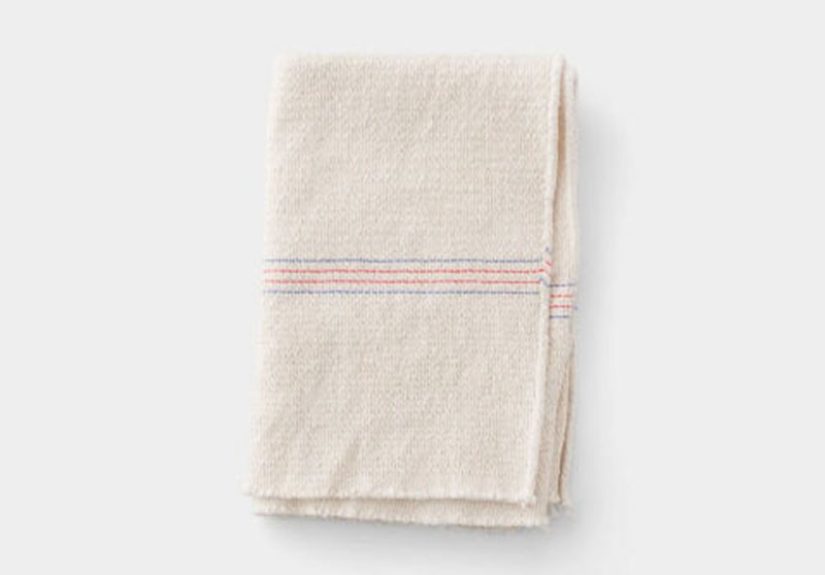
Heirloom tablecloths, runners, napkins, and tea towels often survive because they were reserved for special gatherings. Linen and cotton dominate this group, often with embroidery, drawnwork, monograms, crochet edging, or handmade lace. These pieces are deceptively powerful. They can transform a meal from “Tuesday pasta situation” into “our family has standards, even if the garlic bread is slightly overdone.”
Garments for Ceremony and Milestones
Wedding dresses, veils, christening gowns, first-communion clothing, and other ceremonial garments are classic heirloom cloth. They tend to be stored more than used, which helps them survive, but their fragility is often greater because silk, lace, and trims can weaken with age.
Everyday Household Textiles
Not every heirloom begins as a formal object. Aprons, baby blankets, hand-sewn pillowcases, mending samplers, and work linens can become treasured precisely because they show life in motion. They tell the truth about how people actually lived, not just how they posed for photographs.
What Makes Cloth Worth Passing Down?
Quality Fibers
Natural fibers have long dominated heirloom textiles for good reason. Linen is strong and breathable. Cotton is versatile and familiar. Wool offers warmth and resilience. Silk brings luster and elegance, though it can be temperamental with age. These fibers are not indestructible, but when thoughtfully made and properly stored, they age with dignity.
Good Construction
A textile lasts longer when its seams, hems, quilting, embroidery, and finishing are sound. Dense weaving, balanced stitching, reinforced edges, and careful laundering all help. Heirloom cloth does not have to be fancy, but it usually reveals intention. Somebody took time. Somebody cared how the back looked, not just the front.
Visible Handwork
Hand quilting, smocking, lace insertion, cutwork, needle embroidery, weaving, and hand hemming all increase the emotional weight of a piece. Even when machine sewing enters the picture, visible evidence of skilled making gives a textile more lasting value.
Story and Use
This may be the biggest factor of all. A blanket becomes heirloom cloth when it is attached to a person, a moment, or a family pattern. The story can be dramatic or delightfully ordinary. “This was on the table every Thanksgiving” is not a small story. It is exactly the kind that survives.
How to Buy or Create Modern Heirloom Cloth
You do not need to inherit a cedar chest from three generations ago to bring heirloom-quality fabric into your life. You can buy or make it now. The trick is to think like a future grandchild with decent taste.
- Choose natural fibers first. Linen, cotton, wool, and silk generally age more gracefully than cheap synthetic blends.
- Look for timeless patterns. Stripes, checks, florals, whitework, quilting motifs, and subtle woven textures outlast novelty prints.
- Inspect the finish. Tight seams, clean hems, sturdy stitching, and balanced weight matter.
- Favor handmade or small-batch work when possible. It often carries more individuality and better materials.
- Give the piece a role in real life. A textile becomes meaningful through use, not just admiration from a shelf.
If you sew, weave, embroider, or quilt, heirloom cloth can begin with deliberate making. Add a date. Add initials. Write down the fiber content and care instructions. Future generations will thank you, because “mystery fabric” is not an exciting family legacy.
How to Care for Heirloom Cloth Without Causing a Fabric Meltdown
Handle Gently
Clean hands matter. Support the full weight of the textile when moving it. Never yank an old quilt out of a box like you are starting a lawn mower. Older fibers, especially silk and weakened cotton or linen, may be far more fragile than they look.
Clean Sparingly and Wisely
Not every heirloom textile should be washed, and the more fragile the piece, the more conservative you should be. Spot cleaning and gentle hand cleaning are often safer than aggressive laundering. Avoid harsh bleach, rough agitation, and high heat. For especially old, unstable, or valuable items, professional textile conservation is the smart route.
A good rule of thumb is this: clean for preservation, not for perfection. A faint age mark is often less dangerous than a cleaning process that stresses fibers, weakens stitching, or causes dye transfer. Heirloom cloth is allowed to look lived-in. That is part of the point.
Store It Like It Actually Matters
Storage is where good intentions either save a textile or quietly ruin it. Heirloom cloth should be stored clean, dry, and protected from sunlight, heat, humidity swings, dust, insects, and acidic materials. Attics and basements are usually terrible choices. They are basically reality TV for fabric: too much drama, not enough stability.
Whenever possible, store textiles flat. If folding is unavoidable, pad folds so sharp creases do not become weak points. Some textiles are best rolled on archival tubes or wrapped in clean cotton. Acid-free tissue and acid-free boxes are excellent allies. Avoid direct contact with wood, ordinary paper, and plastic that can trap moisture.
Display With Restraint
Yes, you can display heirloom cloth. No, it should not bake in direct sunlight for years. Rotate special pieces in and out of view. Keep them away from bright windows, smoke, heavy fragrance, damp walls, and rooms with big temperature swings. A textile can be both beautiful and a little high-maintenance. Frankly, so can many beloved relatives.
Can You Still Use Heirloom Cloth?
In many cases, yes. In fact, careful use can be one of the best ways to keep a textile emotionally alive. A sturdy handwoven runner can be used for holidays. A quilt in good condition can be draped over a guest bed. An embroidered hand towel can be framed or reserved for special occasions. The goal is not to trap every meaningful fabric in a box forever.
That said, use should match condition. If a piece is shattering, splitting, badly stained, or structurally weak, display may be safer than active use. Heirloom cloth is not dishonored by retirement. Sometimes preservation is the most respectful form of love.
How Heirloom Cloth Fits a Modern Home
One of the biggest myths about heirloom textiles is that they only work in traditional interiors. Not true. A vintage quilt can soften a modern bedroom. Antique linen napkins can elevate a minimal dining table. A framed apron or baptism gown can add warmth to a clean-lined hallway. A woven coverlet can keep an otherwise slick room from feeling emotionally vacant.
The key is contrast with purpose. Pair old textiles with simple furniture, natural woods, matte ceramics, and quiet wall colors. Let the textile be the storyteller. You do not need to build an entire house around one lace runner unless you are unusually committed.
The Emotional Power of Fabric
Heirloom cloth is often where personal history and cultural history overlap. A quilt can reveal regional patterns, available materials, migration, labor, economy, and taste. A table linen can reflect hospitality rituals. A garment can record ceremony, class aspiration, religion, or family custom. Cloth may appear soft and domestic, but it is an incredible historical document.
That is why people react so strongly to inherited textiles. They are not just seeing an object. They are seeing evidence of time, touch, repetition, and care. Fabric keeps the shape of life better than we expect. It remembers elbows on tables, hands at work, and the stubborn hope that something useful can also be beautiful.
Experience Notes: Living With Heirloom Cloth
Living with heirloom cloth is a very particular experience. It is not like owning a new throw blanket you grabbed during a sale because the color matched your sofa. Heirloom cloth changes the energy of a space. You become more aware of seasons, storage, light, and occasion. You stop flinging things around with reckless confidence. You start saying phrases like, “Please do not put the coffee mug on that,” in a tone that suggests both love and panic.
One common experience is discovering that old textiles make people talk. Put a handmade quilt over the back of a chair, and someone will eventually walk over, touch it, and tell a story. Maybe it reminds them of their grandmother’s guest room. Maybe it looks like a blanket from childhood. Maybe they remember seeing feed-sack prints in an older relative’s linen closet. Heirloom cloth has a strange talent for unlocking memory in people who were not expecting to feel sentimental before dinner.
Another experience is learning the difference between value and price. Many inherited textiles are not worth a fortune in a resale sense, but they become priceless in daily life because of context. A slightly yellowed runner with tiny repaired holes may be the cloth that appeared at every birthday meal for twenty years. A worn baby blanket may have no visual glamour at all, yet it can hold an entire era of family tenderness. That emotional math is part of the heirloom world. The market might shrug; the family absolutely will not.
There is also a practical side to the experience. People who live with heirloom cloth often become more observant. They notice when a room gets too much sun. They understand why a damp basement is not “extra storage” but a textile villain. They keep tissue paper, cotton covers, and gentle detergent around like little tools of domestic diplomacy. They also become accidental historians, because once you inherit a textile, you start asking questions. Who made this? When? Was this wedding linen used by one generation or three? Why is there hand stitching on one edge and machine stitching on another? Why is there a mysterious patch made from a completely different floral print that somehow makes the whole thing better?
Using heirloom cloth during family gatherings can be especially meaningful. The old tablecloth comes out, and suddenly the meal feels connected to every previous meal it has witnessed. The quilt appears in a guest room, and it is not just bedding anymore; it is hospitality with ancestry. These are small acts, but they create continuity. They tell younger family members that beauty is not always bought new and that care is not always loud. Sometimes care looks like ironing linen, rotating a folded quilt, or explaining why this ordinary-looking apron is staying in the family.
Perhaps the most moving experience of all is realizing that heirloom cloth is unfinished. It is easy to think of inherited textiles as relics from the past, but they are also invitations. We add to their stories every time we preserve them, use them thoughtfully, mend them, photograph them, label them, or pass them on with context. That is the real magic. Heirloom cloth is not only about what survived before us. It is about whether we can become the kind of people who know how to carry something fragile and meaningful into the future.
Conclusion
Heirloom cloth matters because it joins beauty, utility, memory, and craftsmanship in one quiet form. It can be grand or humble, embroidered or plain, ceremonial or everyday. What gives it lasting power is not perfection. It is continuity. A good textile can outlive trends, outlast rooms, and outtalk most furniture.
If you inherit heirloom cloth, care for it with patience and respect. If you buy or make textile pieces today, choose materials and workmanship with a long view. Use them well. Store them wisely. Tell their stories. Someday, someone may unfold that cloth and understand a little more about the people who came before them. That is a remarkable thing for fabric to accomplish.