Table of Contents >> Show >> Hide
- Why Pets Are So Good at Scaring Us (Even When Nothing Is Wrong)
- The Heart-Attack Photo Hall of Fame (And What Each Moment Might Mean)
- 1) The “Lifeless” Nap Pose
- 2) The Disappearing Act (a.k.a. “My Pet Has Left This Plane of Existence”)
- 3) The Choking/Gagging Snapshot (the One That Ends All Snacks)
- 4) The Bloated Belly Photo (Not a “Big Lunch” Flex)
- 5) The Overheating Pant (The Photo Where the Tongue Looks Like a Beach Towel)
- 6) The “What Did You Eat?” Evidence Photo
- 7) The Seizure Moment (Scary, Unfair, and Not Your Fault)
- Funny or Emergency? A Quick “Don’t-Overthink-It” Triage Guide
- How to Capture the Moment Without Making It Worse
- Prevention: Fewer Heart Attacks, Same Amount of Cute
- Conclusion: Post the PhotoBut Keep Your Pet the Main Character
- Extra: Real-World “Heart Attack” Pet Experiences (500+ Words of Been-There Energy)
Every pet parent has that one photo (or ten) that belongs in a museum titled “I Aged Five Years in Five Seconds.”
The dog is lying in a position that suggests he has reenacted a Victorian fainting scene. The cat is wedged behind the sofa in a way that looks
anatomically impossible. Your sweet, innocent hamster is somehow holding a snack like a tiny villain in a heist movie.
That’s the vibe behind “Hey Pandas, Post Images When Your Pet Nearly Gave You Heart Attack”: a crowd-sourced gallery of the pet moments that
launched a thousand panicked Google searches, only to end with the same plot twistyour pet is fine, you are not.
This article is your guide to enjoying the hilarity without missing the moments that are actually serious.
Because sometimes a “heart attack” photo is just comedy… and sometimes it’s your pet asking for help in the only language they speak: chaos.
Why Pets Are So Good at Scaring Us (Even When Nothing Is Wrong)
Pets are masters of mixed signals. In the same afternoon, they can sprint like Olympic athletes, then nap like they’ve paid rent on the couch
and plan to haunt it forever. The trouble is that a lot of normal pet behavior can resemble an emergencyespecially in a still image.
A photo freezes the moment before the tail wag, the blink, the “I’m fine, human” stretch. So your brain fills in the blanks with:
“This is it. This is the day I become a cautionary tale.”
The “Stillness Problem”
Many of the scariest pet photos are just pets being… deeply committed to relaxation. Cats in particular can sleep so soundly that they look
like decorative throw pillows. Dogs can sprawl in positions that seem to defy circulation. And if you’ve ever owned a senior pet, you know
the special fear of watching them nap and thinking, “Are you sleeping… or auditioning for a ghost story?”
The Heart-Attack Photo Hall of Fame (And What Each Moment Might Mean)
Let’s break down the most common “post-it-to-the-internet” pet scares. For each one, you’ll get:
(1) why it looks terrifying, (2) what to check fast, and (3) when it’s time to call a vet.
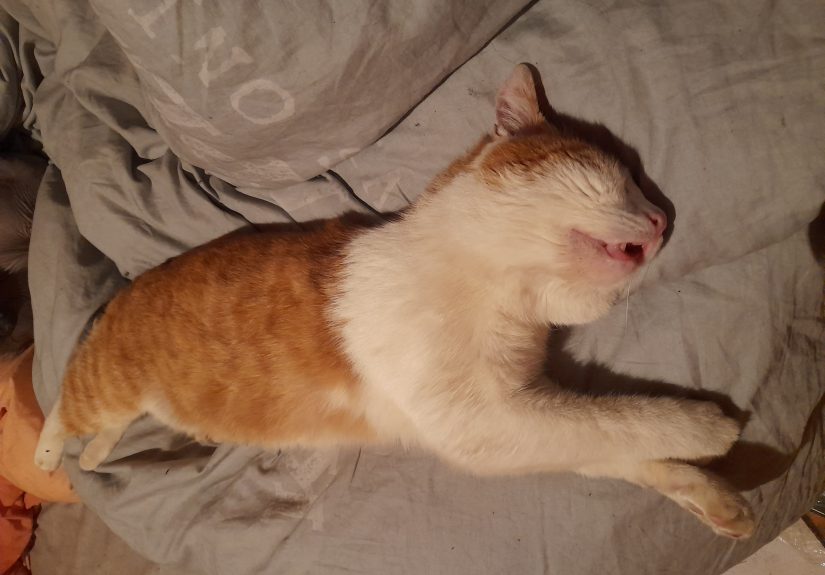
1) The “Lifeless” Nap Pose
What it looks like: Your dog is on his back, tongue out, paws curled, eyes half open. Your cat is folded like origami.
Your pet is performing stillness with Oscar-worthy intensity.
Quick check: Watch the chest for steady breathing. Say their name. Gently touch a paw or ear. Normal sleepers will usually twitch,
blink, reposition, or offer the classic “how dare you” look.
When it’s not funny: If your pet is difficult to rouse, breathing seems labored, gums look pale/blue-ish, or they collapse and can’t stand,
treat it like an emergency and seek immediate veterinary guidance.
2) The Disappearing Act (a.k.a. “My Pet Has Left This Plane of Existence”)
What it looks like: A wide shot of your living room, and your pet is nowhere. You check every room. You whisper their name like you’re
in a nature documentary. Then you find them inside the duvet cover.
Quick check: Start with the warm, quiet, and weird places: laundry piles, closets, behind curtains, under beds, inside boxes, and
any “cat portals” (paper bags, open drawers, that one cabinet that doesn’t latch).
When it’s not funny: If a pet is missing and you suspect ingestion (shredded packaging, chewed medications, torn plants), or there’s risk
of heat exposure, trauma, or escape, move quickly and contact your vet or an emergency clinic.
3) The Choking/Gagging Snapshot (the One That Ends All Snacks)
What it looks like: Open mouth, frantic pawing, coughing, gaggingyour brain screams “choking!”
Quick check: If your pet is coughing but still moving air, don’t shove fingers blindly into the mouth (you can push an object farther back
or get bitten). If you can clearly see an object and can safely remove it, do so cautiously.
Emergency move: If your pet can’t breathe, rapid action matters. Pet first-aid guidance commonly includes checking the mouth and using
abdominal thrusts appropriate for the pet when an airway is blockedthen getting veterinary care immediately.
When in doubt, treat breathing trouble as urgent.
4) The Bloated Belly Photo (Not a “Big Lunch” Flex)
What it looks like: A dog with a suddenly distended abdomen, restlessness, drooling, and repeated retching with little or no vomit.
In photos, it can look like “my dog got into the treats,” but certain patterns can signal something far more serious.
Quick check: Is the belly suddenly enlarged? Is your dog trying to vomit but can’t? Are they pacing, drooling, uncomfortable, or collapsing?
When it’s not funny: This combo can be consistent with bloat/GDV risk, which is treated as a medical emergency.
Don’t “wait and see.” Call an emergency vet immediately.
5) The Overheating Pant (The Photo Where the Tongue Looks Like a Beach Towel)
What it looks like: Heavy panting, drooling, weaknessyour dog looks like they just ran a marathon… but all they did was exist
outside for ten minutes.
Quick check: Move to shade/AC. Offer small amounts of water. Use cool (not ice-cold) water and airflow to help reduce body heat.
Certain dogsshort-muzzled breeds, seniors, and overweight petscan be at higher risk.
When it’s not funny: Vomiting, diarrhea, weakness, collapse, or mental dullness alongside overheating signs should be treated as urgent.
Heat illness can escalate quickly; contact a vet right away.
6) The “What Did You Eat?” Evidence Photo
What it looks like: A shredded gum wrapper. A knocked-over pill bottle. A plant missing leaves. A dog with chocolate breath and no remorse.
Quick check: Secure the scene (remove access), note what and how much may have been eaten, and call a professional resource.
In the U.S., pet poison hotlines exist for exactly this reason, and your veterinarian can advise next steps.
When it’s not funny: If there’s any chance of toxic ingestionespecially with sweeteners like xylitol, medications, certain plants, or
recreational substancestreat it as time-sensitive and seek immediate guidance.
7) The Seizure Moment (Scary, Unfair, and Not Your Fault)
What it looks like: A pet stiffening, paddling, drooling, or appearing “not there.” Photos and short clips can look horrifying,
and it’s normal to panic.
Quick check: Keep hands away from the mouth (even gentle pets can bite involuntarily). Move furniture away to prevent injury.
Note how long it lasts and what you observed.
When it’s not funny: Prolonged events (for example, beyond a couple of minutes), clusters, or changes in pattern warrant urgent veterinary attention.
Always contact your vet for individualized seizure guidance.
Funny or Emergency? A Quick “Don’t-Overthink-It” Triage Guide
Your camera roll doesn’t need a medical degree, but it does need a simple rule: if the photo shows breathing trouble, collapse, uncontrolled bleeding,
repeated nonproductive retching, suspected poisoning, or major trauma, you pause posting and start calling.
Red-Flag Signs That Deserve Immediate Veterinary Advice
- Difficulty breathing, nonstop coughing/gagging, choking behaviors, or blue/pale gums
- Collapse, extreme weakness, inability to stand, or unresponsiveness
- Severe bleeding or wounds that won’t stop bleeding
- Suspected toxin ingestion (meds, gum/sweeteners, unknown substances, dangerous plants)
- Repeated retching with belly swelling (especially in dogs)
- Heat illness signs with vomiting/diarrhea, weakness, collapse, or altered behavior
- Seizures that are prolonged, clustered, or unusual for your pet
Yellow-Flag Moments That Still Deserve a Vet Call (But Don’t Always Mean “ER Now”)
- Repeated vomiting or diarrhea, especially with lethargy, dehydration risk, or blood
- Sudden limping or pain that doesn’t improve quickly
- Eye injuries, squinting, or sudden swelling
- Urinary straining or inability to pee
If you’re stuck in the gray zone, don’t let the internet vote on your pet’s health.
Call your veterinarian or an emergency clinic and describe what you’re seeing. Your photo can still be famous later.
How to Capture the Moment Without Making It Worse
Let’s be real: pet parents will always take the photo. The key is taking it safely.
1) “Photo After Safety” Rule
If your pet is breathing normally, responsive, and clearly just being dramatic, snap away.
If there’s any sign of emergencyespecially breathing trouble, collapse, severe pain, suspected poisoningskip the photo and act first.
2) Don’t Stage a Second Take
If your pet wedged themselves somewhere weird, don’t recreate it for content. Help them out and then share the story.
The “behind the scenes” caption is usually funnier anyway.
3) Share Responsibly
- Avoid misinformation: If it was a true medical scare, say soand mention that you contacted a professional.
- Don’t normalize danger: “My dog ate gum and was fine” is not a life hack. It’s a warning label with fur.
- Skip shame: Pet emergencies are stressful. If someone posts a scare, lead with empathy and practical advice.
Prevention: Fewer Heart Attacks, Same Amount of Cute
You can’t fully prevent pets from doing unhinged thingsthis is their brandbut you can reduce the risk behind the scariest moments.
Pet-Proof the Top Offenders
- Lock up meds like you’re living with a clever toddler (because you are).
- Check labels for sweeteners like xylitol, especially in gum, candy, baked goods, and some peanut butters.
- Know risky foods and keep them out of reachespecially during holidays and parties.
- Plant awareness: confirm household plants are pet-safe before bringing them home.
Heat Safety Isn’t Optional
Keep walks cooler, provide shade and water, and remember that some dogs struggle more in heat due to breed or health factors.
If your dog looks “off” in hot conditions, treat it seriously.
Learn Basic Pet First Aid
A short pet first-aid course can turn panic into actionespecially for choking, heat illness, and injury basics.
You don’t need to become a backyard veterinarian; you just need a plan for the first five minutes.
Conclusion: Post the PhotoBut Keep Your Pet the Main Character
“Hey Pandas” heart-attack photos are the internet’s way of saying: we love our pets so much that a weird nap pose can trigger an emotional
weather event. Laugh at the drama, share the pictures, and enjoy the community therapy session.
Just remember the golden rule: if your gut says “this might be real,” trust that instinct and call a professional.
The best ending to any scary pet story is the same: your pet goes back to being adorable, and you go back to pretending your heart rate is normal.
Extra: Real-World “Heart Attack” Pet Experiences (500+ Words of Been-There Energy)
Below are the kinds of moments pet parents routinely share in “post-your-scare” threadsmini stories that feel like they were written by someone
clutching their chest with one hand and holding a phone with the other. Think of these as community-style experiences: familiar, specific,
and painfully relatable.
The Silent Cat Under the Bed
A cat who normally greets you like a tiny landlord suddenly doesn’t show up for dinner. You shake the treat bagnothing.
You open a canstill nothing. Your brain immediately writes a tragedy. After a full apartment sweep, you find her under the bed,
loafed so tightly into the corner that she looks like a shadow. You whisper her name. No reaction. You reach in and touch a paw.
She explodes into motion like you activated a trapdoor, bolts out, and stares at you with the purest “why are you like this?” expression.
Ten minutes later she’s on the sofa, purring, while you’re the one who needs a recovery snack.
The Dog Who “Collapsed” in the Yard
A dog runs outside, plays for two minutes, then suddenly flops onto the grass and doesn’t move. From the window it looks like a fainting spell.
You sprint out in socks, sliding like a cartoon. Up close, you realize: the dog is not unconscious. The dog is sunbathing.
Eyes closed, breathing steady, face serenelike they booked a luxury spa day without telling you. When you call their name, the tail thumps once
in acknowledgment, as if to say, “Yes, I’m alive. Please lower your volume.”
The “Choking” Crunch That Wasn’t
You hear a horrible gagging sound from the other room and rush in expecting an emergency. Your pet is hunched, making wet noises.
You’re already mentally composing the most dramatic caption of your life. Then you see the real culprit: the dog has found a toy that squeaks
in a way that sounds like choking. They are happily “choking” the toyon purposewhile you stand there holding your breath like a scuba diver.
You confiscate the toy, your dog looks betrayed, and you realize you’ve been outsmarted by a squeaker shaped like a duck.
The Mystery Wrapper Incident
A crinkly wrapper appears in the hallway like a warning sign. Your dog is sitting nearby, suspiciously calm. You pick up the wrapper and recognize it:
gum. Suddenly you’re in detective modehow many pieces, what kind, when, where, why do manufacturers insist on making packaging so chewable?
This is the moment when experienced pet parents stop crowdsourcing opinions and start calling a vet or poison resource. Even if your dog looks “fine,”
you’ve learned that “fine” can be a temporary setting. The most comforting part is having a plan: you gather the product info, estimate the amount,
and get professional advice instead of doom-scrolling.
The Upside-Down Sleep With Open Eyes
Some pets don’t just sleepthey perform a full avant-garde piece titled “Existential Dread.” A dog sleeps upside down with eyes partially open.
A cat naps with paws twitching like they’re running from tax collectors in a dream. You take a photo because nobody will believe you.
Then you tap them gently and they pop up immediately, perfectly okay, and look at you like you interrupted their very important business meeting.
The photo becomes your favorite because it’s proof that love makes you ridiculous: you saw a nap and interpreted it as a medical thriller.
The Post-Scare Afterglow
The funniest part of these stories isn’t the panic (though it’s very real). It’s the afterglow: the moment you realize your pet is okay, and your body
finally gets the memo. Your hands stop shaking, your breathing slows, and your petcompletely unbotheredreturns to their routine.
That contrast is what makes “Hey Pandas” threads so comforting. They’re a reminder that pet parenting is basically emotional CrossFit:
intense bursts of fear, followed by relief, followed by a creature who immediately asks for dinner like nothing happened.