Table of Contents >> Show >> Hide
- Why Citrus Harvest Timing Matters So Much
- Tip 1: Ignore the Color Trap and Taste Before You Commit
- Tip 2: Know Your Variety and Its Harvest Season
- Tip 3: Harvest Gently So Great Fruit Does Not Get Ruined in the Final Five Seconds
- Tip 4: Pick for Peak Flavor, Not Just Earliest Opportunity
- Quick Citrus Harvest Guide by Type
- Common Citrus Harvest Mistakes to Avoid
- Final Thoughts on Harvesting Citrus at Peak Flavor
- Real-World Harvest Experience: What Citrus Trees Teach You After a Few Seasons
If you have ever stared at a lemon that looked ripe, picked it, sliced it open, and discovered it had all the charm of a sour battery, welcome to the citrus club. Harvesting citrus is one of those gardening tasks that seems easy until the fruit starts playing mind games. A glowing orange rind can still hide disappointing flavor. A satsuma with a little green left may actually be perfect. And grapefruit? It often turns into the overachiever of the orchard, getting sweeter while it hangs around on the tree like it pays rent.
The good news is that learning how and when to harvest citrus is less about luck and more about reading the right signals. Unlike peaches, bananas, or avocados, citrus does not keep improving after it is picked. That means your timing matters. A lot. If you want fruit with the best balance of sweetness, acidity, juice, and aroma, you need to know what experts look for and how smart home gardeners make the call.
This guide breaks down 4 expert tips for picking citrus at peak flavor, plus practical examples for oranges, mandarins, grapefruit, lemons, and more. Whether you grow one potted Meyer lemon on a patio or have a backyard tree that suddenly thinks it is running a commercial grove, these tips will help you harvest with confidence.
Why Citrus Harvest Timing Matters So Much
Here is the headline every citrus grower should tape to the shed door: citrus does not ripen after harvest. Once you pick it, what you have is what you get. The fruit may soften a little, dry out slowly, or eventually deteriorate, but it will not become sweeter or more flavorful sitting on your counter.
That single fact changes everything. It means the best citrus harvest is not based on wishful thinking, a random calendar date, or the fruit’s ability to look photogenic in the afternoon sun. It is based on maturity and eating quality while the fruit is still on the tree.
Another twist is that citrus often matures over a long window. It does not all rush into perfect flavor at once like a dramatic reality-show finale. Fruit can move from immature to mature and then to overmature while still hanging on the tree, and those changes may happen gradually over weeks or even months. For home gardeners, that is actually great news. It gives you a longer harvest season and more chances to pick exactly when flavor suits your taste.
So yes, patience matters. But smart patience matters more.
Tip 1: Ignore the Color Trap and Taste Before You Commit
If citrus had a favorite prank, it would be pretending that rind color tells the whole story. It does not.
One of the most common harvesting mistakes is assuming bright color equals peak ripeness. In reality, citrus rind color is often a poor guide. Many fruits color up well before they reach ideal eating quality. In some climates, cool nights help produce orange color, which means a fruit can look ready before its flavor is truly there. On the flip side, some citrus can still have green patches and yet be perfectly delicious.
That is why experienced growers do something refreshingly low-tech: they taste the fruit. Pick one. Slice it. Try it. If it is too tart, watery, or lacking sweetness, wait a week or two and test again. That simple habit beats guessing every time.
What to look for besides color
Color still has some value, just not all the value. Think of it as one clue, not the judge and jury. A better maturity check includes:
Fruit that has reached a normal size for the variety, a rind that looks developed rather than juvenile, good juice content, and flavor that tastes balanced. For some types, slight softening can also help. Satsumas, for example, may become a bit soft when ripe and can peel very easily.
Examples by citrus type
Satsumas and mandarins: These are famous for fooling people. Some fruit are ready before the peel turns fully orange. Early-ripening varieties may especially show good internal maturity while the outside still looks like it is hedging its bets.
Lemons: A lemon does not have to be sunshine-yellow to be useful or mature. Some can be harvested when they shift from green to greenish yellow, and some growers even use them earlier depending on the intended use.
Limes: Many home gardeners wait too long. Depending on the type, limes can be excellent before they become fully yellow. The goal is juice and flavor, not winning a beauty contest.
Oranges: A fully orange peel looks reassuring, but flavor still rules. Some oranges color up before they are sweet enough, while others taste great even with hints of green.
The best takeaway is simple: never harvest the whole tree based on color alone. Test a few fruits first, then decide.
Tip 2: Know Your Variety and Its Harvest Season
If you ask, “When should I harvest citrus?” the honest answer is, “Which citrus?” Variety matters. Climate matters. Tree age matters. Even the same type of fruit may mature earlier in one yard and later in another.
That is why expert harvest timing starts with knowing what you planted. Citrus is not one giant category with a single due date. It is more like an airport departures board: everything is headed toward ripeness, but not on the same schedule.
General harvest windows
In many warm U.S. growing areas, satsumas are among the early stars of the season, often ripening in fall. Meyer lemons commonly harvest from late fall into spring. Kumquats often peak from late fall through spring. Grapefruit can hang through winter and into spring, sometimes improving as acidity drops. Sweet oranges may be early-, mid-, or late-season, depending on the variety, which means harvest can stretch from fall well into late spring or early summer.
This is why two orange trees in the same neighborhood can behave like they are on different calendars. A navel orange and a Valencia orange are not interchangeable. One may be at its best in winter, while the other may hold later and deliver a longer season.
Flavor changes while fruit stays on the tree
Here is where citrus gets especially interesting: for many types, flavor continues to improve while the fruit remains on the tree. The fruit does not “ripen” after picking, but it can sweeten more before you pick it. Grapefruit is a great example. Fruit that is technically usable early in the season may taste better months later, when acidity has declined and sweetness feels more rounded.
That means timing is not just about the first day fruit becomes edible. It is about the point at which flavor is best for the way you want to use it. Some people enjoy brighter, tangier citrus early. Others prefer softer acidity and more sweetness later. Neither is wrong. One is just more puckery.
Use your own tree as a local guide
Keep notes from year to year. Write down when the first fruit tastes good, when it tastes excellent, and when quality starts slipping. Over time, your tree becomes easier to read. You stop guessing. You start predicting. And that is when you begin sounding suspiciously like the knowledgeable garden person everyone calls for advice.
Tip 3: Harvest Gently So Great Fruit Does Not Get Ruined in the Final Five Seconds
There is something heartbreakingly unnecessary about growing beautiful citrus for months and then damaging it during harvest because enthusiasm took over. Citrus is sturdier than berries, but it still bruises, tears, plugs, punctures, and dries out when handled badly.
The safest rule is this: pick carefully and protect the rind.
Best ways to remove fruit
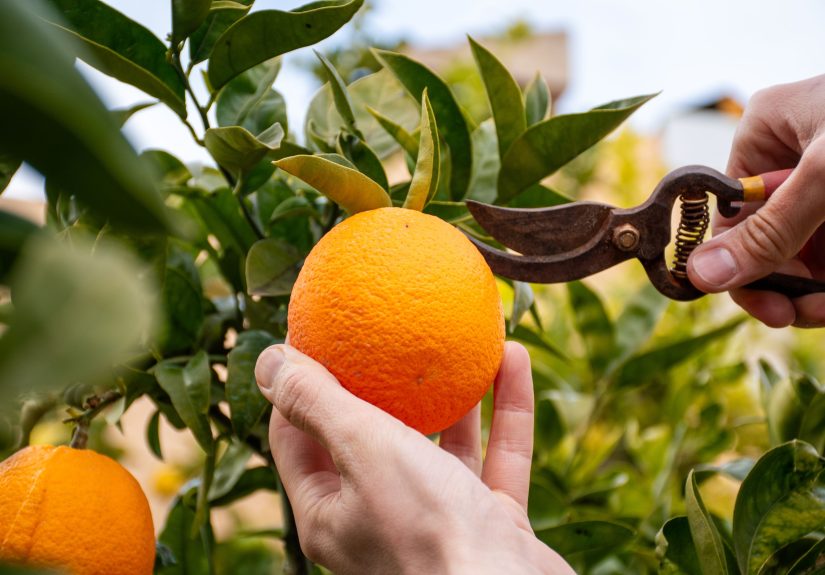
For many citrus fruits, a gentle pull-snap-twist motion works well. But not all citrus should be handled the same way. Thin-skinned fruit such as satsumas and some mandarins are notorious for peel damage if pulled too hard. In those cases, using hand pruners or clippers is often the better move.
Clipping is especially helpful when fruit may be stored for a while. Leaving a tiny bit of stem attached can prevent damage at the stem end and reduce the risk of the rind tearing. With mandarins, this helps avoid “plugging,” where part of the peel tears away when the fruit is pulled. That can shorten storage life and invite drying or decay.
Smart harvest habits
Use clean, sharp clippers if you are cutting fruit. Avoid yanking downward. Do not drop harvested fruit into hard buckets like you are collecting baseballs. And if your tree is tall, use a stable ladder and pick deliberately instead of reaching wildly and hoping for a cinematic outcome.
It is also wise to harvest lower fruit first if you are heading into cold, wet conditions. Low-hanging fruit is often more exposed to frost injury and splash-up problems near the soil. That small detail can save part of your crop in marginal weather.
After picking
Leave the natural protective wax on the fruit until you are ready to use it. In plain English: do not wash your citrus right after harvest unless you plan to eat it right away. Washing too early can encourage drying. When you are ready to use the fruit, then wash it.
Gentle harvesting sounds basic, but it is one of the clearest differences between fruit that looks amazing in the kitchen bowl and fruit that develops sad, suspicious soft spots a few days later.
Tip 4: Pick for Peak Flavor, Not Just Earliest Opportunity
Many gardeners get so excited to harvest their first crop that they pick at the earliest possible moment. That instinct is understandable. It is also frequently how a person ends up eating citrus that tastes like it still has paperwork to finish.
The better strategy is to harvest for peak flavor. That means asking not only, “Can I pick it?” but “Should I pick it yet?”
Let fruit hang when quality is still improving
Many citrus fruits keep well on the tree for a while after they become usable. In fact, they may get sweeter and more enjoyable over time. This is one of the great perks of homegrown citrus. You do not have to strip the tree all at once the way a commercial grower might for scheduling, packing, or shipping reasons. You can take what you need and leave the rest for later, as long as quality is still holding.
For example, grapefruit often benefits from extra hang time. Some oranges also improve noticeably if allowed to sit a little longer once mature. But there is a limit. Fruit left too long can become puffy, coarse, dry, or bland. The best window is wide, not endless.
Match harvest timing to how you plan to use the fruit
If you want bright, tangy juice, you may enjoy slightly earlier harvests. If you want the sweetest possible fruit for eating fresh, waiting longer may reward you. Meyer lemons harvested when they first color can be lovely for cooking, while later fruit may feel more aromatic and fuller in juice. Mandarins for lunchboxes should be easy to peel, juicy, and fully flavored, not merely orange-looking.
The secret is to treat harvest like a tasting season, not a single event. Sample, compare, adjust, repeat. Your tree is not being difficult. It is offering a long menu.
Know when to stop waiting
Peak flavor is not the same as maximum hanging time. Once fruit starts losing juice, getting puffy, or slipping in texture, the magic window is closing. In colder areas, freezing weather may also force the issue. If a serious freeze is approaching, harvest what you can rather than gambling with the entire crop. Citrus can survive a lot of optimism, but not always a hard freeze.
Quick Citrus Harvest Guide by Type
Oranges
Use flavor and juice content as your primary guide. Rind color helps, but it is not final proof. Depending on the variety, oranges may ripen from fall through spring or even later. Taste-test before harvesting the whole crop.
Satsumas and Mandarins
Watch for easy peeling, good sweetness, and slight softness. Some fruit are ripe before they are fully orange. Clip rather than pull when possible, especially if you want better storage life.
Grapefruit
Expect a long season. Fruit can often remain on the tree and improve in sweetness as acid levels decline. Do not rush just because it looks large and impressive.
Lemons
Harvest based on intended use. Fruit can be useful from the greenish-yellow stage onward. For fresh use, good juice content and aroma matter more than perfect yellow color.
Kumquats
These are usually best when fully colored and nicely sweet in the peel. Taste is still your best guide, but full orange color can be more meaningful here than it is for many other citrus types.
Common Citrus Harvest Mistakes to Avoid
Picking everything at once: Home gardeners do not need to act like a packinghouse crew. Stagger your harvest.
Trusting color too much: A beautiful peel can still hide mediocre flavor.
Pulling thin-skinned fruit: Clipping is safer for satsumas and many mandarins.
Washing fruit for storage: Wait until you are ready to eat it.
Waiting forever: Citrus can stay on the tree well, but not infinitely. Texture and juice quality eventually drop.
Final Thoughts on Harvesting Citrus at Peak Flavor
The best citrus growers are not the ones with the fanciest tools or the most dramatic garden hats. They are the ones who pay attention. They taste fruit before committing. They learn the rhythm of each variety. They harvest gently. And they understand that citrus is less about racing to the first ripe fruit and more about choosing the best moment for flavor.
If you remember only four things, make it these: citrus will not ripen after picking, color can mislead you, variety determines timing, and careful harvest protects quality. Get those right, and your oranges, lemons, grapefruit, and mandarins will reward you with better sweetness, better texture, and a lot fewer disappointing slices.
In other words, pick smarter, not sooner. Your taste buds will notice.
Real-World Harvest Experience: What Citrus Trees Teach You After a Few Seasons
There is a very specific kind of confidence that only comes after harvesting citrus wrong a few times. The first season, most people pick too early because the fruit looks ready. The second season, they wait too long because they read somewhere that citrus gets sweeter on the tree. By the third season, they start doing what experienced growers do: they stop guessing and start paying attention.
One of the most useful lessons from real backyard harvests is that every tree develops its own rhythm. A Meyer lemon in a protected patio corner can mature earlier than the same variety planted in a breezier part of the yard. A mandarin tree loaded with fruit may seem slower one year and much faster the next. Weather changes everything. A warm fall may leave satsumas with green patches even when the inside tastes great. A cooler season can color up fruit beautifully while flavor still lags behind. That is why experienced gardeners trust repeated sampling more than appearances.
Another thing people learn from experience is that harvesting citrus is almost never a one-week event. It is a season. You take two fruits, then six, then a bowlful, then a bigger basket for neighbors, then suddenly you are putting citrus in salads, drinks, desserts, marinades, and every possible breakfast situation because the tree has decided abundance is now your personality. The smartest home growers lean into that rhythm. They do not panic-harvest the whole crop. They pick in waves, compare flavor from one week to the next, and enjoy the fact that homegrown citrus can stay fresh on the tree longer than it usually would in a kitchen.
Experience also teaches respect for harvest technique. Pulling fruit feels efficient until you damage a beautiful satsuma and realize the peel has torn at the stem end. Clipping may seem fussy at first, but after a few seasons it becomes second nature, especially with thin-skinned mandarins. The same goes for handling. Fruit that is set gently into a basket stays gorgeous. Fruit tossed into a bucket like sports equipment starts looking tired fast.
Perhaps the biggest lesson is that peak flavor is personal. Some people love grapefruit when it still has plenty of bite. Others want it mellow and sweet as spring approaches. Some cooks like lemons on the greener side for punchy acidity, while others wait for fuller color and fragrance. That is the beauty of harvesting your own citrus. You are not picking for shipping, warehouse life, or a store display. You are picking for your table, your recipes, and your taste.
Over time, citrus harvest becomes less of a rulebook and more of a conversation between gardener and tree. The tree offers clues. You respond. You taste, adjust, and learn. And eventually, what once felt mysterious becomes one of the most satisfying parts of growing fruit at home. Not because the tree becomes easier, but because you become better at reading it.