Table of Contents >> Show >> Hide
- What Is Nude Eye Makeup, Exactly?
- What You Need Before You Start
- How to Apply Nude Eye Makeup: 10 Steps
- Step 1: Prep Your Eyelids
- Step 2: Add a Transition Shade to the Crease
- Step 3: Deepen the Outer Corner
- Step 4: Sweep a Light Nude Shade Across the Lid
- Step 5: Add a Touch of Soft Shimmer Where It Counts
- Step 6: Define the Upper Lash Line
- Step 7: Soften the Lower Lash Line
- Step 8: Brighten the Inner Corner or Waterline
- Step 9: Curl Your Lashes and Apply Mascara
- Step 10: Blend, Balance, and Finish
- Helpful Tips for a Better Nude Eye Makeup Look
- Common Mistakes to Avoid
- Why Nude Eye Makeup Never Really Goes Out of Style
- Real-Life Experiences With Nude Eye Makeup
- Final Thoughts
- SEO Tags
Nude eye makeup is the beauty equivalent of a white T-shirt that somehow always looks put together. It is soft, flattering, polished, and surprisingly versatile. You can wear it to school, brunch, work, dinner, or any event where you want your eyes to look defined without screaming, “I brought three shimmer shades and emotional baggage.”
The best part is that nude eye makeup is not one single color. It is a family of neutral shades like beige, taupe, soft brown, caramel, cocoa, rose-beige, and champagne that work with your skin tone instead of fighting it in a public parking lot. When applied well, a nude eye look brightens the eyes, adds depth, and makes lashes stand out while still looking natural.
This guide breaks the process into 10 clear steps, with beginner-friendly advice, practical blending tips, and a few reality checks for those of us who have ever made one eye look elegant and the other look… experimental.
What Is Nude Eye Makeup, Exactly?
Nude eye makeup uses neutral tones to enhance your natural eye shape. It usually includes matte transition shades, a slightly deeper crease color, a lighter lid shade, subtle liner, and mascara. The goal is definition, not drama. Think softly sculpted eyes, not disco-ball lids visible from outer space.
The trick is choosing nude shades that match your coloring. Fair skin often looks great with ivory, light taupe, and soft beige. Medium skin tones can lean into caramel, honey, warm taupe, and muted bronze. Deeper skin tones shine in mocha, cocoa, cinnamon, rich tan, and bronze-champagne tones. Nude is not “one beige fits all.” That idea needs to retire immediately.
What You Need Before You Start
- An eye primer or a tiny bit of concealer
- A neutral eyeshadow palette with light, medium, and deep shades
- A fluffy blending brush
- A flat shader brush or clean fingertip
- A brown or soft black eyeliner
- An eyelash curler
- Mascara
- Cotton swabs for cleanup, because life happens
If you only have two brushes, make them a fluffy brush and a flat brush. Those two can carry a nude eye look farther than you would expect.
How to Apply Nude Eye Makeup: 10 Steps
Step 1: Prep Your Eyelids
Start with clean, dry lids. Apply a thin layer of eye primer from lash line to just above the crease. If you do not have primer, use a tiny amount of concealer and set it lightly. This creates a smoother surface, helps shadow grip better, and reduces creasing. Translation: your hard work is less likely to slide away by lunch.
If your eyelids tend to get oily, keep the layer very thin. Too much product underneath your shadow can make everything bunch up later.
Step 2: Add a Transition Shade to the Crease
Take a matte shadow that is close to your skin tone but slightly deeper. Sweep it through the crease with a fluffy brush using soft windshield-wiper motions. This is your transition shade, and it makes the rest of the look blend more naturally.
Do not load the brush with too much product. Build slowly. With nude eye makeup, it is much easier to add more than to undo an accidental “I fought a smoky eye and the smoky eye won” situation.
Step 3: Deepen the Outer Corner
Choose a slightly deeper matte brown or taupe and apply it to the outer third of the lid and outer crease. Focus the most color at the outer corner, then blend inward. This adds shape and dimension without making the look heavy.
Imagine a soft sideways “V” at the outer corner of the eye. That shape helps lift and define the eye in a subtle way. Keep it diffused, not sharp. Nude eye makeup looks best when it whispers.
Step 4: Sweep a Light Nude Shade Across the Lid
Pick a light beige, cream, soft peach, or pinky-nude shade and press it across the center of the lid with a flat brush or fingertip. Matte finishes look polished and understated, while satin finishes add a little life without going full holiday ornament.
This lighter shade creates contrast against the crease color and makes the eyes look more open. If you want an especially natural finish, stay within one to two shades of your skin tone.
Step 5: Add a Touch of Soft Shimmer Where It Counts
This step is optional, but highly recommended if you enjoy looking awake. Tap a champagne, pearl, or soft gold shimmer onto the center of the lid or the inner corner. Keep it controlled. The goal is glow, not “my eyelids are signaling aircraft.”
A small amount of shimmer catches light beautifully and adds dimension to an otherwise matte look. If you prefer a very natural daytime finish, use shimmer only at the inner corner.
Step 6: Define the Upper Lash Line
Take a brown eyeliner pencil, gel liner, or even a deep brown shadow on an angled brush, and line the upper lash line. Stay close to the lashes. A thin line gives definition without overpowering the softness of nude eyeshadow.
If you want a gentler finish, smudge the liner right after applying it. Brown liner is especially helpful for nude eye makeup because it defines the eyes while keeping the overall look warm and wearable.
Step 7: Soften the Lower Lash Line
Use whatever is left on your brush from the crease or outer-corner shade and lightly sweep it along the lower lash line. Keep the color concentrated on the outer half or outer two-thirds of the eye. This ties the whole look together and adds subtle balance.
Avoid making the lower line too dark or too thick unless you are intentionally going for a stronger look. Nude eye makeup should frame the eyes, not weigh them down.
Step 8: Brighten the Inner Corner or Waterline
To make the eyes look more open, apply a tiny pop of light shimmer at the inner corner. You can also use a nude eyeliner on the lower waterline for a brighter, fresher look. This step is especially helpful on tired mornings, allergy days, and any morning when your face says, “Absolutely not,” but your schedule says otherwise.
Use a flesh-toned pencil rather than harsh white if you want the result to stay natural.
Step 9: Curl Your Lashes and Apply Mascara
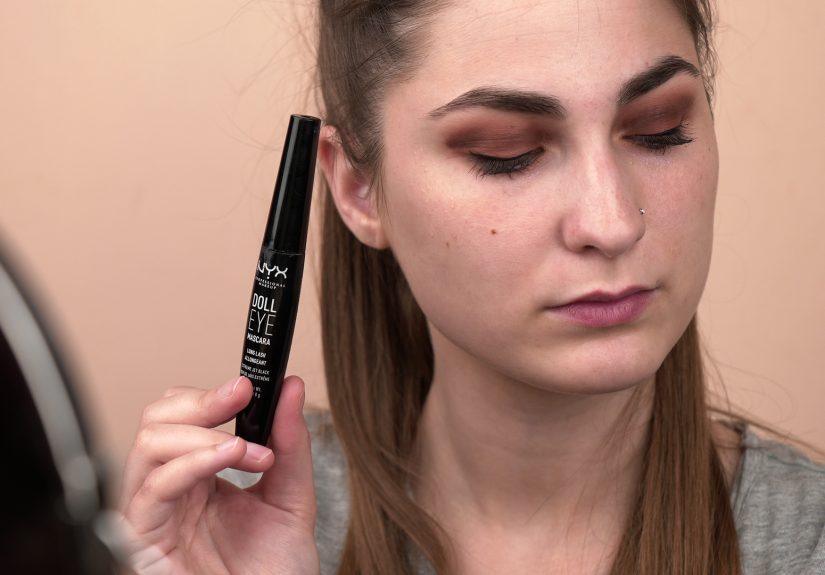
Shadow without mascara can feel like making a bed and forgetting the pillowcases. Curl your lashes first, then apply one or two coats of mascara. Wiggle the wand at the roots and pull upward for separation and lift.
For a softer everyday look, choose brown-black or dark brown mascara. For more contrast, classic black works beautifully too. Just avoid clumps. Nude eye makeup should look effortless, not like your lashes are negotiating a merger.
Step 10: Blend, Balance, and Finish
Step back from the mirror and compare both eyes. Use a clean fluffy brush to soften edges if needed. If one side looks stronger, match the softer eye to the stronger one, not the other way around. That is the least stressful route.
Clean up fallout with a cotton swab, add a tiny bit of concealer under the outer eye if you want a sharper finish, and you are done. The completed look should feel polished, balanced, and easy to wear.
Helpful Tips for a Better Nude Eye Makeup Look
Choose the Right Nude for Your Skin Tone
The best nude shadow is not always the palest one in the palette. A good nude shade should complement your skin tone and add gentle contrast. If a shade disappears completely, use it as a base. If it turns ashy, go warmer. If it looks orange, go cooler.
Use Mostly Matte Shades for Daytime
Matte shades are excellent for the crease and outer corner because they create depth. Satin and shimmer finishes work best in small doses on the lid or inner corner. This balance keeps the look modern and flattering.
Blend With a Light Hand
Nude eye makeup is all about soft gradients. Use light circular and sweeping motions, and do not press too hard. If you overblend, you can lose definition. If you underblend, you can end up with visible edges. We are aiming for the sweet spot in between, not a brush workout.
Adjust for Your Eye Shape
If you have hooded eyes, apply your crease shade slightly above the natural crease so it remains visible with your eyes open. If you have monolids, focus on gradient placement and lash-line definition. If your eyes are downturned, keep the outer shading softly lifted rather than dragged downward.
Common Mistakes to Avoid
- Using only one flat shade: Nude eye makeup still needs depth, so include at least a base shade and a crease shade.
- Choosing a shade that is too pale: This can make the look chalky instead of flattering.
- Applying too much dark shadow too fast: Start lightly and build.
- Skipping primer: Especially if your lids get oily or your shadow tends to crease.
- Making the lower lash line too heavy: Keep it soft for a fresh, natural finish.
- Forgetting mascara: It pulls the whole look together.
Why Nude Eye Makeup Never Really Goes Out of Style
Trends come and go. One week it is chrome lids. The next week everyone is inspired by coffee, clouds, or fruit salad. Nude eye makeup survives all of it because it works in real life. It enhances the eyes without taking over the whole face, pairs well with bold lips or bare lips, and can be worn in five minutes or stretched into a more sculpted evening look.
It also teaches some of the most important eye makeup skills: how to blend, how to build dimension, and how to place color with intention. Once you know how to do a great nude eye, bolder looks become much easier. Nude eye makeup is not boring. It is foundational. Think of it as beauty school without the tuition invoice.
Real-Life Experiences With Nude Eye Makeup
One of the most common experiences people have with nude eye makeup is assuming it will be the easiest look in the world, then discovering that subtle makeup can actually be very revealing. With a dramatic eye, bold color does a lot of the work for you. With nude eye makeup, placement matters more. Blending matters more. Even the difference between a warm taupe and a cool taupe can suddenly feel like a life decision. That is why so many beginners say their first nude eye look was surprisingly tricky, but their fifth one was a total game changer.
A lot of people also notice that nude eye makeup becomes their most-used look once they get the hang of it. It is the style they reach for on rushed mornings, video calls, school runs, casual dinners, and days when they want to look put together without appearing heavily made up. It can make the eyes seem brighter and more defined in a way that feels polished but still believable. That “I slept well, drank water, and have my life together” illusion is doing serious heavy lifting.
Another very real experience is the trial-and-error phase with neutral shades. Someone with fair skin may buy a beige palette only to realize half the shades make their lids look dusty. Someone with deeper skin may be told a pale champagne is “universal,” only to find out it turns gray. Over time, people usually learn that nude makeup is personal. Your best nude shades are the ones that bring warmth, light, and shape to your eye area, not the ones a random palette name claims are flattering for everyone on Earth.
Many makeup wearers also discover that technique matters more than owning a giant collection of products. A simple palette with three solid neutrals can outperform a fancy palette with 18 shades if you know where to place them. Plenty of people say the biggest difference in their results came not from buying more makeup, but from using a fluffier brush, applying less product at once, and blending with patience. Not glamorous advice, perhaps, but wildly effective.
There is also the deeply relatable experience of getting one eye absolutely right, then struggling to make the second eye look like its sibling. This happens to everyone. One side is soft and lifted. The other is a little moodier. The good news is that nude eye makeup is forgiving. Because the tones are subtle, small differences are usually far less visible than they seem from two inches away in a bathroom mirror under aggressive lighting.
People who stick with nude eye makeup often end up appreciating how customizable it is. Some days, the look is matte and minimal with brown mascara. Other days, it gets a tiny shimmer in the inner corner, a soft wing, and a little extra outer-corner depth. It can be tailored to age, style, skin tone, eye shape, and comfort level. That flexibility is exactly why the look remains so popular. It meets you where you are, whether you are a beginner with one brush or a beauty lover with a drawer full of palettes and strong opinions about taupe.
Final Thoughts
If you want a makeup look that is polished, flattering, and easy to adapt, nude eye makeup is hard to beat. The secret is not using a ton of products. It is using a few neutral shades in the right places, blending them well, and finishing with soft definition. Once you understand the formula, you can make the look as natural or as elevated as you like.
In other words, nude eye makeup is not just a trend. It is a skill. And unlike some beauty trends, this one will not make you regret your choices when you look back at photos later.