Table of Contents >> Show >> Hide
- Quick Safety Check (Read This Before You Grab the Cotton Balls)
- What You’ll Need (Keep It Simple)
- The 6 Easy Steps to Clean Your Dog’s Ears
- How Often Should You Clean Your Dog’s Ears?
- Common Mistakes That Make Ears Worse (Avoid These)
- FAQ: Quick Answers People Google at 2:00 a.m.
- Experience Notes: What People Learn After a Few Real Cleanings (500+ Words)
If your dog could talk, they’d probably say: “Please stop poking around in my ears like you’re searching for lost treasure.” Fair. Dog ears are sensitive, oddly shaped, and (fun fact) basically designed like a little L-shaped hallway that traps wax and moisture. The good news: cleaning your dog’s ears at home can be quick, safe, and surprisingly drama-freeif you do it the right way.
This guide walks you through a vet-backed routine with six simple steps, plus the “don’t do that” mistakes that turn a calm grooming moment into a full-blown wrestling match featuring an offended schnauzer.
Quick Safety Check (Read This Before You Grab the Cotton Balls)
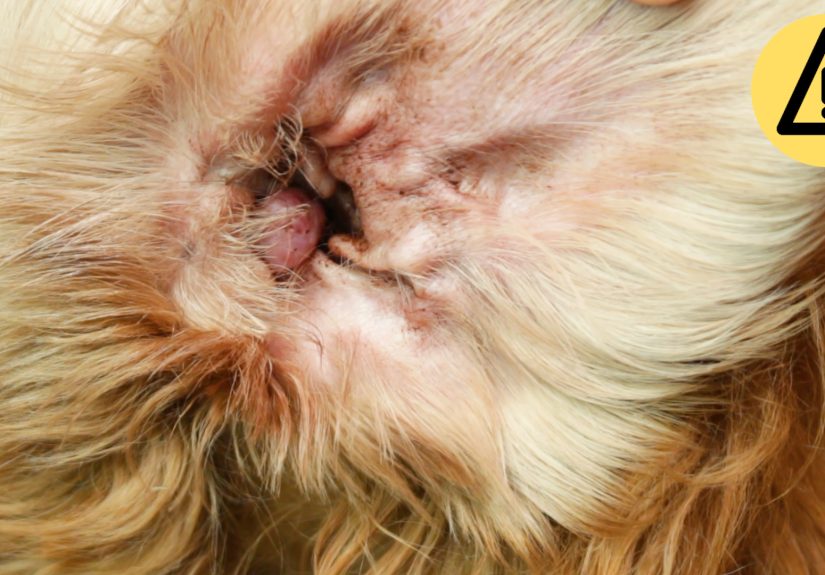
Ear cleaning is for maintenance, not for treating a painful ear problem. If your dog’s ears look or smell “off,” cleaning can hurt, worsen irritation, or mask a real infection that needs a veterinarian.
Call your vet first if you notice:
- Strong odor (yeasty, sour, or just… alarming)
- Redness, swelling, or heat around the ear canal
- Thick brown/black debris, pus-like discharge, or bleeding
- Head tilting, balance issues, or sudden sensitivity
- Constant scratching, yelping, or “don’t touch me” vibes
Also: if your dog has a history of ear infections, allergies, or ear surgery, ask your vet which ear cleaner to use and how often to clean. Ear products aren’t one-size-fits-all.
What You’ll Need (Keep It Simple)
- Vet-approved dog ear cleaning solution (not human ear drops, not rubbing alcohol, not hydrogen peroxide)
- Cotton balls, cotton pads, or gauze (soft and disposable)
- A towel (because the head shake is coming)
- Treats (payment for services rendered)
- Optional: a helper if your dog tends to moonwalk away mid-clean
One big rule: skip cotton swabs/Q-tips inside the ear canal. They can push debris deeper and risk injury. You’ll clean what you can seeno spelunking.
The 6 Easy Steps to Clean Your Dog’s Ears
Step 1: Pick the Right Place and Time
Choose a calm momentafter a walk, after dinner, or anytime your dog is in “I’m too tired to argue” mode. Clean ears in a spot that’s easy to wipe down (bathroom, laundry room, kitchen floor). Put down a towel if you value your walls and your dignity.
Pro tip: Warm the ear cleaner to room temperature (just hold the bottle in your hands for a minute). Cold solution can be startling.
Step 2: Do a 10-Second Ear Inspection
Lift the ear flap and look. Healthy ears are usually light pink, with minimal wax and no harsh odor. A little wax is normalears aren’t meant to be squeaky-clean like a freshly polished dinner plate.
If you see heavy discharge, angry redness, swelling, or your dog reacts like you just proposed taxes, stop and call your vet.
Step 3: Apply the Ear Cleaner (No Deep Insertion)
Hold the ear flap up to straighten the canal opening. Gently squeeze the ear cleaner into the ear canal until it’s nicely filledyour product label will guide you, but the goal is enough solution to loosen wax and debris.
- Try not to let the bottle tip touch the ear (it can contaminate the bottle).
- If your dog hates liquid in the ear, you can moisten a cotton pad with cleaner and wipe the visible areas insteadjust know it won’t “flush” as well.
Step 4: Massage the Base Until You Hear the “Squish”
Gently massage the base of the ear (where the ear meets the head) for about 20–30 seconds. You may hear a soft squishing soundgross, but satisfying. That’s the cleaner working through wax and debris in the canal.
Keep it gentle. This is a spa service, not bread dough.
Step 5: Let Your Dog Shake It Out
Step back. Release the ear flap. And allow your dog to do what dogs do best: a full-body shake like they’re trying to reboot their operating system. This helps move loosened debris and extra cleaner out of the ear canal.
Pro tip: Aim the dog away from your face. This is not the moment to test your reflexes.
Step 6: Wipe What You Can See (Then Reward Like a Champion)
Use cotton balls, pads, or gauze to wipe the visible parts of the ear canal entrance and the inner ear flap. You can wrap gauze around your finger for control. Only go as far as your finger naturally fits without forcingthink “front porch,” not “entire building.”
- Replace cotton as it gets dirty; keep wiping until it comes away mostly clean.
- Gently dry the outer ear area if it’s damp.
- Repeat on the other ear with fresh cotton.
Finish with praise and a treat. Your dog should leave thinking, “That was weird… but profitable.”
How Often Should You Clean Your Dog’s Ears?
The honest answer: it depends. Some dogs rarely need ear cleaning. Othersespecially dogs with floppy ears, hair-filled ear canals, allergies, or frequent swimmingmay need more regular care.
General guidelines (use your vet’s advice as the final word):
- Most dogs: Check weekly; clean only when you see wax/debris or smell buildup.
- Swimmers/bathers: Clean after water activities if your vet recommends it (moisture can fuel infections).
- Chronic ear issues: Follow your vet’s scheduleover-cleaning can irritate the ear and make things worse.
Example: A Labrador who swims every weekend may benefit from a vet-approved cleaner designed to help dry the ear canal after water exposure. Meanwhile, a short-haired dog with upright ears might only need occasional cleaning when wax builds up.
Common Mistakes That Make Ears Worse (Avoid These)
1) Using Q-tips or anything pointy inside the canal
This can push debris deeper and risk injury. Clean only what you can see and reach comfortably.
2) Using harsh home remedies
Rubbing alcohol, hydrogen peroxide, and random DIY mixtures can irritate delicate ear tissueespecially if the skin is already inflamed. Use a dog-safe product your veterinarian approves.
3) Cleaning too often
More cleaning doesn’t always mean healthier ears. Over-cleaning can disrupt the ear’s natural environment and trigger irritation.
4) Ignoring pain or odor
If your dog’s ears smell strong, look inflamed, or your dog is uncomfortable, cleaning isn’t the solutiondiagnosis is.
FAQ: Quick Answers People Google at 2:00 a.m.
Can I use baby wipes to clean my dog’s ears?
Not inside the ear canal. If you’re wiping the outer ear flap, use something gentle and pet-safe. But for actual ear cleaning, a dog ear cleaner is the safer choice.
Are ear wipes as good as liquid ear cleaner?
Wipes can be great for light maintenance on the ear flap and the visible entrance. Liquid cleaners are better when you need to loosen wax deeper in the canal. If your dog is prone to ear issues, your vet can tell you which approach fits your dog’s needs.
My dog hates ear cleaning. What can I do?
- Start slow: touch ears + treat, repeat daily for a week before you even bring out cleaner.
- Keep sessions shortclean one ear today, the other tomorrow.
- Try the “cotton pad method” first (wipe visible areas) and work up to flushing.
- Use high-value treats (the kind your dog would trade you for, like chicken).
What if I accidentally got cleaner on the fur?
Usually it’s finewipe it off with a damp cloth and dry the area. If your dog’s skin looks irritated afterward, discontinue and check with your vet.
Experience Notes: What People Learn After a Few Real Cleanings (500+ Words)
The first time most owners attempt dog ear cleaning, it’s less “gentle grooming routine” and more “low-budget action movie.” A surprisingly common story goes like this: you gather supplies, your dog watches you like a suspicious coworker, and the moment the bottle appears, they suddenly remember an urgent appointment across the house.
What helpsaccording to many groomers and long-time dog ownersis treating ear cleaning like training, not a one-time chore. One owner with a rescue beagle described the early days as “two minutes of cleaning, ten minutes of negotiation.” The breakthrough wasn’t a magical techniqueit was repetition. For a week, they simply lifted the ear flap, said “ears,” and gave a treat. No cleaner. No cotton. Just a calm ear touch paired with a reward. When the actual cleaning happened later, the dog was annoyed, sure, but not panicked.
Another pattern shows up with water-loving dogs. Families with retrievers, spaniels, and any dog who treats puddles like luxury spas often notice the same thing: ears seem fine… until the day they don’t. After a few swim sessions, moisture can hang out in the canal, especially in floppy-eared breeds. Several owners report that post-swim ear checks (not even full cleaningjust inspection and a quick wipe of the outer ear) reduced the “sudden stink ear” surprises. The key takeaway: frequency isn’t about a calendar; it’s about your dog’s lifestyle.
Dogs prone to allergies bring a different lesson: ear wax and debris can return quickly, and cleaning becomes part of a bigger plan. Owners often say it’s tempting to clean more and more because it feels productive. But veterinarians frequently emphasize that repeated irritation can backfire. In these cases, the most helpful “experience-based” insight is to keep notes. If you cleaned the ears on Saturday and by Tuesday they’re red and itchy again, that’s valuable information for your vet. It can point toward allergies, yeast overgrowth, or another underlying issue. Ear cleaning supports the planit doesn’t replace it.
Then there’s the “my dog loves it” rare unicorn. Some dogs lean into ear massages like they booked a day at the resort. Owners of these dogs learn a different lesson: don’t get overconfident. Even if your dog enjoys the massage, stick to safe techniqueno deep swabbing, no aggressive scraping, no experimenting with household products. A happy dog can still have a sensitive ear canal.
The most consistent real-world tip is wonderfully boring: set up for success. Have everything within reach. Use a towel. Wear old clothes. Give treats during the process, not just after. And stop while you’re ahead. A “good enough” clean that keeps your dog relaxed beats a perfect clean that turns the next session into an all-day event.
Bottom line: the best ear-cleaning routine is the one your dog can tolerate consistently. Keep it gentle, keep it positive, and when something looks painful or smelly, let the professionals handle the mystery.