Table of Contents >> Show >> Hide
- Why Does Sweat Sometimes Smell Like Onions?
- 1. Use an Antiperspirant, Not Just a Deodorant
- 2. Clean the Right Areas Consistently and Gently
- 3. Cut Back on the Foods That Turn Sweat Into an Onion Encore
- 4. Wear Breathable Fabrics and Change Clothes Faster
- 5. Trim Underarm Hair and Reduce Friction
- 6. Manage Stress Sweat Before It Manages You
- 7. Know When Onion-Smelling Sweat Needs a Medical Check
- A Simple Routine That Usually Helps
- Final Thoughts
- Real-Life Experiences With Onion-Smelling Sweat
- SEO Tags
Let’s be honest: few things can torpedo your confidence faster than realizing your sweat smells like you lost a wrestling match with a bag of onions. You raise an arm, catch a whiff, and suddenly your whole day feels like a social experiment you did not consent to.
The good news is that onion-smelling sweat is usually fixable. In many cases, the smell is not really about sweat alone. Sweat itself is often nearly odorless at first. The problem starts when sweat mixes with bacteria on your skin, especially in places like your armpits, groin, or feet. Add sulfur-rich foods, trapped moisture, stress, body hair, tight clothing, or extra sweating to the mix, and your natural scent can shift from “human” to “suspiciously sautéed.”
If you are wondering how to get rid of onion-smelling sweat without turning your bathroom into a chemistry lab, start with the basics that actually work. The seven tips below focus on the most common reasons body odor gets stronger and how to handle them in real life.
Why Does Sweat Sometimes Smell Like Onions?
Onion-like body odor can happen for a few reasons. One of the biggest is diet. Foods like onions, garlic, and other sulfur-rich ingredients can affect the way you smell after digestion. Some compounds enter your bloodstream and can be released through sweat. At the same time, foods that make you sweat more, such as spicy meals, alcohol, and lots of caffeine, can amplify the situation.
Another factor is the type of sweat gland involved. Areas with apocrine glands, like the underarms and groin, tend to create stronger odor because the sweat released there interacts more dramatically with skin bacteria. That is why a sweaty forehead usually smells like “exercise,” while sweaty armpits can smell like a sandwich topping gone rogue.
Sometimes, stronger odor is linked to heavy sweating, skin irritation, infections in skin folds, smelly feet conditions, or inflammatory skin problems such as hidradenitis suppurativa. Rarely, unusual body odor patterns may be related to an underlying medical condition. That does not mean every funky gym shirt is a medical emergency. It just means odor is sometimes a clue, not merely an inconvenience.
1. Use an Antiperspirant, Not Just a Deodorant
This is the first upgrade many people need. Deodorant helps mask or reduce odor. Antiperspirant actually reduces sweat. That matters because less sweat means less moisture for bacteria to feast on. And fewer bacteria parties usually mean less onion smell.
How to make it work better
Apply antiperspirant to clean, dry skin, ideally at night. That gives the active ingredients time to settle into sweat ducts while your body is cooler and drier. In the morning, you can reapply if needed or layer on deodorant for extra odor control. Many products combine both functions, which is handy for people who enjoy efficiency almost as much as not smelling like onion rings.
If over-the-counter products are not doing much, “clinical strength” formulas may help. If even those fail, a dermatologist can recommend prescription options or other treatments for excessive sweating.
2. Clean the Right Areas Consistently and Gently
You do not need to scrub yourself like a frying pan, but you do need to wash odor-prone areas consistently. Focus on places where sweat, friction, and bacteria like to hang out: underarms, groin, feet, under the breasts, and skin folds.
Best habits for odor-prone skin
- Wash after workouts, hot days, or any event that leaves your shirt looking emotionally overwhelmed.
- Use a gentle cleanser for daily washing.
- Dry thoroughly after bathing, especially in skin folds and between toes.
- Change out of sweaty clothes promptly instead of marinating in them.
Some dermatology guidance also supports using a benzoyl peroxide wash in certain cases, especially when bacteria seem to be driving odor. This can be useful for armpits or body areas that get particularly smelly after sweating. Still, go easy: benzoyl peroxide can irritate sensitive skin and may bleach towels or clothing. Start slowly rather than declaring war on your skin barrier.
3. Cut Back on the Foods That Turn Sweat Into an Onion Encore
If your sweat smells specifically onion-like, your plate may be contributing. Onions and garlic are obvious suspects, but they are not alone. Other sulfur-rich foods and strong spices can also affect body odor. Alcohol, caffeine, and spicy foods may make you sweat more, which can magnify the smell.
Common triggers worth tracking
- Raw onions and garlic
- Cruciferous vegetables like broccoli and cabbage
- Curry, cumin, fenugreek, and other bold spices
- Alcohol
- Very spicy foods
- Large amounts of caffeine
You do not need to ban every flavorful food and live on plain crackers forever. Try a simple two-week tracking experiment instead. Notice whether your odor gets worse after certain meals. If raw onion seems to flip your sweat into “subway sandwich mode,” reduce it, cook it instead of eating it raw, or save it for days when you do not plan to be shoulder-to-shoulder with humanity.
Hydration can help, too. Drinking enough water will not magically perfume your sweat like a rose garden, but it can support normal sweating and help prevent the concentrated, sticky feel that often makes odor worse.
4. Wear Breathable Fabrics and Change Clothes Faster
Sometimes the real villain is not your body. It is your shirt. Sweat trapped in tight, non-breathable fabrics creates a warm, damp environment where odor sticks around and intensifies. Re-wearing a sweaty bra, gym top, or undershirt can also bring yesterday’s smell back for an unwanted sequel.
What to wear when odor is the problem
- Choose breathable cotton for daily wear when possible.
- Use moisture-wicking fabrics for workouts and hot weather.
- Change socks, underwear, and undershirts more often if you sweat heavily.
- Wash sweaty clothing promptly instead of letting it ferment in a laundry pile.
Also pay attention to shoes if your odor problem involves your feet. Tight shoes with poor airflow can trap moisture and lead to bacteria-related odor. If your feet smell bad even after washing, or if the skin looks pitted or itchy, do not shrug it off. A foot infection or pitted keratolysis may need proper treatment.
5. Trim Underarm Hair and Reduce Friction
This tip is not about beauty standards. It is about mechanics. Hair can hold onto sweat and give bacteria more surface area to work with. In some people, trimming or shaving underarm hair helps sweat evaporate faster and makes odor easier to control.
You do not have to go fully bare if that is not your thing. Even a tidy trim can help reduce moisture retention. The same logic applies to areas where skin rubs together. Friction plus sweat plus trapped moisture is basically a recipe for smell, irritation, and sometimes rash.
Extra friction-control moves
- Wear loose clothing when possible.
- Keep skin folds dry.
- Use moisture-absorbing powders carefully on external skin only if they do not irritate you.
- Address recurring rashes instead of simply covering them with fragrance.
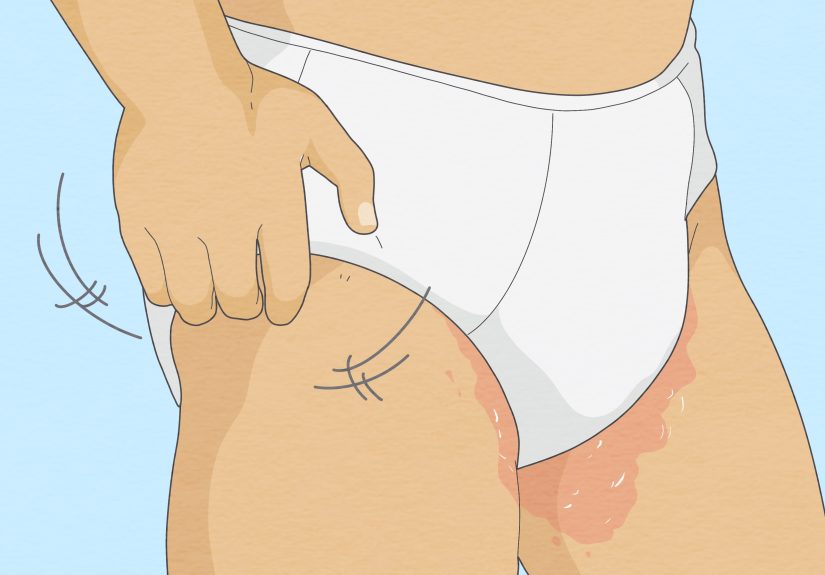
If odor is strongest in body folds and you also notice redness, itching, soreness, or a rash, intertrigo or a secondary infection may be part of the problem. In that case, the fix is not “more perfume.” It is drying the area out and, sometimes, getting the right treatment.
6. Manage Stress Sweat Before It Manages You
There is normal heat sweat, and then there is stress sweat: the kind that appears before presentations, awkward dates, job interviews, or any moment your nervous system decides to audition for drama club. Stress can activate apocrine glands, which are more closely tied to strong body odor.
That means even if you are not drenched, stress can make the smell sharper. Fun! Love that for us.
Ways to lower odor triggered by stress
- Apply antiperspirant before high-stress events, not after the sweating starts.
- Wear breathable layers you can remove.
- Keep cleansing wipes or a spare shirt handy for emergency resets.
- Use calming techniques such as slow breathing, short walks, or brief cooldown breaks.
If you sweat excessively even when you are not hot or active, hyperhidrosis may be involved. That is a medical condition, not a personal failure. If sweating is soaking through clothes, interrupting work, or causing daily embarrassment, it is worth discussing with a clinician.
7. Know When Onion-Smelling Sweat Needs a Medical Check
Most body odor issues are annoying rather than dangerous. But sometimes a strong or changing smell deserves a closer look. A doctor or dermatologist can check for infections, excessive sweating, inflammatory skin conditions, medication effects, or less common causes of unusual odor.
Make an appointment if you notice:
- A sudden change in body odor for no clear reason
- Night sweats or dramatically increased sweating
- Painful lumps, drainage, or odor in the underarms or groin
- Smelly, itchy, or pitted skin on the feet
- Persistent odor that does not improve with good hygiene and lifestyle changes
- Other symptoms such as fever, unexplained weight loss, or signs of infection
This is especially important if the smell is very unusual, very strong, or paired with skin changes. For example, hidradenitis suppurativa can cause painful, draining lesions with odor in areas like the armpits or groin. Smelly feet that never seem normal may point to pitted keratolysis. And rare metabolic conditions can create distinctive odors that are not caused by hygiene at all.
A Simple Routine That Usually Helps
If you want the shortest path from “Why do I smell like a chopped onion?” to “Okay, that is much better,” start here:
- Shower and dry thoroughly after sweating.
- Use antiperspirant on clean, dry skin.
- Try a benzoyl peroxide wash a few times a week if bacteria-driven odor seems likely and your skin tolerates it.
- Wear breathable clothes and change them fast after sweating.
- Track food triggers, especially onions, garlic, alcohol, and spicy meals.
- Trim underarm hair if odor lingers there.
- See a clinician if the smell changes suddenly or keeps coming back.
Final Thoughts
Onion-smelling sweat can feel embarrassing, but it is a common problem with surprisingly practical solutions. In many cases, the smell comes from a very unglamorous combo: sweat, bacteria, trapped moisture, and foods that leave a sulfur-rich signature behind. Translation: your body is not broken. It just needs a better game plan.
Start with the highest-impact fixes: use antiperspirant correctly, clean odor-prone areas consistently, swap out sweaty clothes faster, and pay attention to food triggers. If that is not enough, upgrade your routine with targeted washes or a medical evaluation. Your goal is not to smell like a meadow at all times. Your goal is to smell like a person who has not recently been mistaken for a grilled topping.
Real-Life Experiences With Onion-Smelling Sweat
People dealing with onion-smelling sweat often describe the same frustrating pattern: they shower, put on deodorant, leave the house feeling fine, and then a few hours later the smell returns like an uninvited guest who somehow knows where the snacks are. For some, the odor shows up most after stressful meetings, workouts, or summer commutes. For others, it is weirdly specific. They notice it after eating onion-heavy foods, garlic-rich takeout, spicy dinners, or a couple of drinks. The pattern can be subtle at first, but once people notice it, they cannot un-notice it.
One common experience is assuming the deodorant “stopped working,” when the bigger problem is actually sweat volume. A lot of people switch from one scented stick to another, hoping a stronger fragrance will solve everything. Usually, it does not. It just creates a strange perfume-onion mashup that nobody asked for. Once they switch to a real antiperspirant, apply it to dry skin, and use it consistently, they often notice a big difference within days.
Another frequent story involves workout clothes. Someone exercises, tosses the shirt in a gym bag, rewears it later, and then wonders why the odor seems to come back instantly. The truth is that fabric can hold onto old smell, especially synthetic materials. Many people report a major improvement once they stop re-wearing sweaty clothes, wash garments more thoroughly, and use breathable fabrics during the day.
Food tracking also comes up a lot. Some people realize the worst odor days happen after eating raw onions, garlic-heavy sauces, curry, or drinking alcohol. They do not necessarily need to eliminate those foods forever, but they learn timing matters. Maybe onion-loaded burgers are fine on a quiet night at home, but less ideal before a packed office day or first date. That kind of simple pattern recognition can be more helpful than any expensive body spray.
Then there are the people who discover the smell is not “normal sweat” at all. Some notice painful bumps in the underarms, recurring rashes in skin folds, or feet that smell awful even after scrubbing. Getting checked by a doctor finally gives the problem a name and, more importantly, a treatment plan. That can be a huge relief. Embarrassing body odor often makes people feel isolated, but the reality is that clinicians see this all the time. No one in a dermatology office is going to faint dramatically onto a chaise lounge because your armpits smell weird.
The biggest lesson from real-life experiences is that progress usually comes from a few targeted changes, not one miracle product. Better washing habits, smarter product choices, food awareness, breathable clothing, and medical help when needed can take the issue from “daily humiliation” to “manageable inconvenience” or even “problem solved.”