Table of Contents >> Show >> Hide
- Getting to Know Indoor Cacti
- Light and Temperature: Creating a Mini Desert at Home
- Soil, Pots, and Drainage: The Foundation of Indoor Cactus Care
- Watering Indoor Cacti the Right Way
- Fertilizing and Repotting Indoor Cacti
- Common Indoor Cactus Problems (and How to Fix Them)
- Great Indoor Cacti for Beginners
- Styling Indoor Cacti Safely
- Real-Life Experiences: Lessons Learned From Indoor Cacti
If you’ve ever looked at a cactus and thought, “You’re basically a green rock with attitude, how hard can you be?”you’re not alone. Indoor cacti have a reputation for being indestructible. In reality, they’re more like low-maintenance roommates: they don’t ask for much, but if you ignore their basic needs, they’ll pack up their spines and slowly fade away.
The good news? Once you understand a few fundamentalslight, soil, water, and container choiceindoor cacti really do become some of the easiest houseplants to grow. They’re perfect for sunny windowsills, minimalist interiors, and anyone who occasionally forgets to water plants for, uh, several weeks at a time.
This guide walks you through exactly how to grow and care for indoor cacti, from picking the right plant to spotting early signs of trouble. We’ll cover practical, science-backed tips drawn from houseplant and cactus care experts, and mix in some real-life experience so you don’t have to learn everything the hard way.
Getting to Know Indoor Cacti
Cactus vs. Other Succulents
All cacti are succulents, but not all succulents are cactikind of like how all squares are rectangles, but not all rectangles are squares. Succulents store water in their leaves, stems, or roots. Cacti are a specialized group of succulents that almost always have areolesthose little fuzzy or bumpy spots where spines, flowers, and new stems grow. If it has areoles, it’s a cactus. If it just has plump leaves and no areoles, it’s a succulent, not a cactus.
Desert vs. Forest Cacti Indoors
Most people picture desert cacti: tall, columnar plants or round, spiky “pincushions.” These species evolved in hot, arid regions with intense sun and extremely well-drained soil. Indoors, they prefer bright light, low humidity, and infrequent watering.
Forest or “jungle” cacti, like Christmas cactus (Schlumbergera), naturally grow in trees in tropical forests. They like brighter but filtered light, higher humidity, and slightly more frequent watering than their desert cousins. They still need excellent drainage, but they’re not fans of bone-dry soil for long stretches.
For most beginners, small desert cacti are the easiest indoor companionsjust remember they want sun, not soggy soil.
Light and Temperature: Creating a Mini Desert at Home
How Much Light Do Indoor Cacti Need?
Cactus and sun go together like coffee and mornings. Many desert cacti need around 4–6 hours of bright, direct or very bright indirect light per day to grow compact and healthy. A south- or west-facing window is usually ideal. East-facing windows can also work, especially if you live in a sunnier climate.
Signs your cactus isn’t getting enough light include stretched, pale growth (called etiolation), leaning toward the window, and new growth that’s thin or oddly shaped. If that’s happening, move the plant closer to the window or supplement with a small LED grow light set for about 8–12 hours per day.
Protecting Cacti From Sunburn
Yes, cacti can get sunburned, even indoors. If you suddenly move a cactus from a dim shelf to a blazing window, the skin can develop bleached or brown patches. To avoid this, increase light gradually over a week or twothink of it as sunscreen, but in the form of patience.
Ideal Indoor Temperatures
Most indoor cacti are happy in typical household temperatures of about 60–80°F (15–27°C). They generally tolerate slightly cooler nights and enjoy a subtle temperature drop after dark, which mimics desert conditions.
Avoid placing cacti directly in front of heating or cooling vents, drafty windows, or doors that open to cold air. Sudden temperature swings can stress the plant and make it more vulnerable to rot or pests.
Soil, Pots, and Drainage: The Foundation of Indoor Cactus Care
The Best Potting Mix for Indoor Cacti
The fastest way to kill a cactus is to plant it in regular potting soil and water it like a fern. Standard houseplant mixes hold too much moisture. Cacti need a sharply draining mix that mimics sandy, rocky desert soils.
Look for a commercial cactus/succulent mix, or make your own blend. A common DIY recipe is:
- 1 part regular potting soil
- 1 part coarse sand or horticultural grit
- 1 part perlite, pumice, or fine gravel
This kind of mix promotes quick drainage and good air flow around the roots, which dramatically reduces the risk of root rot.
Choosing the Right Pot
Any pot you use for indoor cacti must have drainage holesnon-negotiable. Water that has nowhere to escape will linger at the bottom, suffocating roots and inviting fungal rot.
Unglazed clay (terracotta) pots are a great choice because their porous sides allow moisture to evaporate, drying soil faster and improving root aeration. Plastic and glazed ceramic pots hold moisture longer, so if you use them, be extra conservative with watering. Cacti have relatively shallow roots, so a shallow, wide pot often works better than a deep one.
Watering Indoor Cacti the Right Way
How Often Should You Water Indoor Cacti?
Here’s the golden rule: water thoroughly, then let the soil dry out completely before watering again. For most indoor desert cacti, that means watering about every 2–3 weeks in spring and summer, and much less oftensometimes monthly or even lessin fall and winter.
Instead of following a strict calendar, check the soil. Stick your finger an inch or two down or use a moisture meter. For cacti, you usually want the meter reading at the driest end of the scale before you water again.
How to Actually Water a Cactus
When it’s time to water:
- Carry the pot to a sink or tub.
- Water slowly and deeply until excess water runs out of the drainage holes.
- Let the pot drain completely and never leave it sitting in a saucer of water.
Some growers like “bottom watering”placing the pot in a tray of water and letting the soil wick moisture up until the surface feels damp, then draining thoroughly. Either method works as long as you allow the soil to dry out fully afterward.
Overwatering vs. Underwatering
Cacti are much more likely to suffer from overwatering than underwatering. Signs of overwatering include:
- Mushy, discolored, or translucent stems
- A sour or rotten smell near the soil
- Black or brown spots near the base of the plant
Underwatered cacti may wrinkle or shrink slightly and feel softer than usual, but the tissue is usually still firm and not mushy. If in doubt, wait a few more days before wateringcacti evolved for drought, not monsoon season.
Fertilizing and Repotting Indoor Cacti
When and How to Feed Indoor Cacti
Cacti don’t need a lot of fertilizer, but a little during active growth can keep them looking their best. Use a balanced, water-soluble fertilizer diluted to half or quarter strength, or a product specifically labeled for cacti and succulents. Feed lightly once a month in spring and summer, and skip fertilizer entirely in fall and winter when growth slows.
When to Repot Indoor Cacti
Indoor cacti are slow growers, so they don’t need frequent repotting. Every 2–3 years is usually enough, or when you notice roots poking out of drainage holes, the plant becoming top-heavy, or soil that no longer wets evenly and drains well.
To repot safely:
- Wear gloves and, if necessary, wrap the cactus in a folded towel or several layers of newspaper.
- Gently loosen the root ball and remove some of the old soil.
- Trim any dead or mushy roots with clean scissors.
- Place the cactus into a slightly larger pot with fresh cactus mix.
- Let it settle for a few days before the first watering to allow any damaged roots to callus over.
Common Indoor Cactus Problems (and How to Fix Them)
Etiolation (Stretching)
If your once-cute globe cactus now looks like a stretched balloon on a stick, it’s etiolatedgrowing toward the light because it isn’t getting enough. The fix is more light, not more fertilizer. Move it closer to a bright window or add a grow light. New growth should appear more compact; the stretched part won’t shrink but can sometimes be propagated.
Root Rot
Root rot is almost always a watering or drainage issue. If you suspect rot, unpot the cactus, cut away mushy roots and any obviously rotten tissue, let the plant dry for a day or two, then repot into dry, fresh cactus mix. Resume watering sparingly only after a week or so, and only when the soil is fully dry.
Pests
Indoor cacti can occasionally attract mealybugs, scale, or spider mites. Check for fuzzy white clumps, sticky residue, or fine webbing. Treat early with insecticidal soap, horticultural oil, or careful swabbing with cotton dipped in isopropyl alcoholmaking sure not to drench the soil. Good air circulation and avoiding overfertilizing help keep pests in check.
Great Indoor Cacti for Beginners
Some cacti are simply more forgiving than others. If you’re just starting, look for:
- Golden barrel cactus (Echinocactus grusonii) – Classic round shape, loves bright light, and grows slowly.
- Bunny ear cactus (Opuntia microdasys) – Cute pad-forming cactus with tiny glochids (handle carefully!).
- Mammillaria species – Compact, clumping cacti that often bloom with rings of small flowers.
- Parodia and Notocactus species – Round and relatively tolerant of minor mistakes with watering.
- Holiday cacti (Schlumbergera) – Technically forest cacti, great for bright but indirect light and higher humidity.
Always check the plant’s label or ask the nursery for its specific light and watering preferences. While most desert cacti like very bright conditions, individual species can vary slightly.
Styling Indoor Cacti Safely
Indoor cacti look fantastic in modern, minimalist, boho, or desert-inspired interiors. For a stylish display:
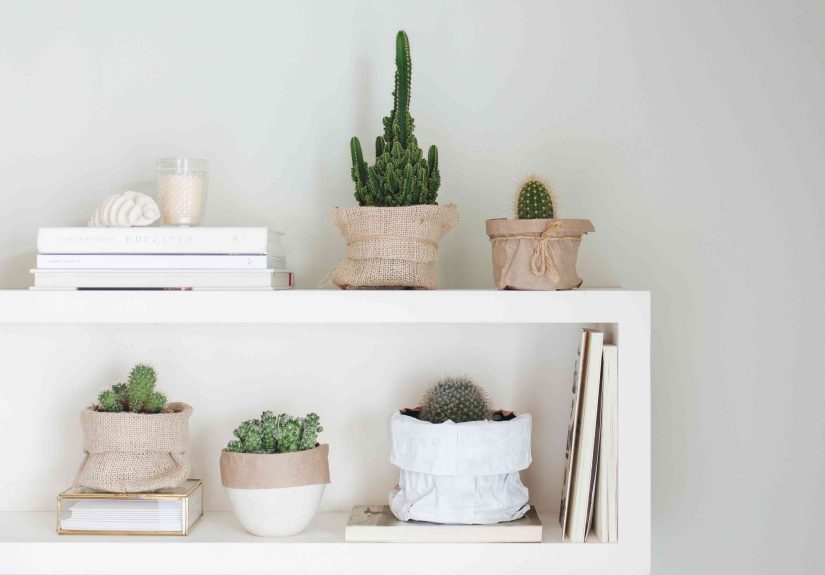
- Group several small cacti with different shapes and textures on a sunny shelf.
- Pair a tall columnar cactus with trailing plants for contrast.
- Use gravel top-dressing to give pots a clean, finished look and reduce soil splash during watering.
Just remember to keep spiny cacti away from high-traffic areas, kids’ play zones, and curious pets. A cactus spine in the finger is a fast way to fall out of love with your décor.
Real-Life Experiences: Lessons Learned From Indoor Cacti
Ask anyone who’s kept cacti for a few years, and they’ll probably admit they’ve killed at least one. The trick is to treat those casualties as tuition for your “plant degree.” Here are some experience-based lessons that don’t always make it into the care tags.
1. “Low Maintenance” Doesn’t Mean “No Maintenance”
Many people buy a cactus, put it on a random desk, and assume it will thrive in fluorescent light and lukewarm office coffee. A few months later, it’s shriveled, stretched, or mysteriously rotting. The lesson: even tough plants have baseline needs. For cacti, that’s strong light, sharp drainage, and a watering schedule that respects their drought-adapted nature.
2. Your Tap Water and Climate Matter
In areas with very hard water, salts and minerals can build up in cactus soil over time, causing browning at the tips or along the edges. Flushing the soil thoroughly once or twice a year, or occasionally watering with distilled or rainwater, can help. Likewise, in very humid climates, you’ll probably water less often than people in dry regions because the soil simply takes longer to dry.
3. The “Touch Test” Beats Any Watering Schedule
New cactus owners often ask, “Just tell meevery how many days should I water?” Unfortunately, the honest answer is, “It depends.” Pot size, material, soil mix, room temperature, humidity, and light all affect drying time. The most reliable technique is to physically check the soil: if it’s dry all the way down and the pot feels noticeably lighter, it’s probably time to water. If there’s any doubt, wait another few days. Cacti rarely suffer from one extra dry day, but they absolutely suffer from one extra soaking.
4. Don’t Be Afraid to Repot (Carefully)
It’s easy to avoid repotting because cacti look intimidating, like tiny porcupines. But fresh soil every few years does wonders for growth and overall health. With gloves, tongs, or a towel wrap, the process is easier than it looks. Many growers find that plants which seemed “stuck” suddenly put out new, healthy growth after a repotfrom a simple change of soil and container, not from some fancy fertilizer.
5. Respect the Winter Rest
One of the most common beginner mistakes is treating cacti the same way year-round. In nature, many species have distinct growth and rest periods. Indoors, that usually translates to active growth in spring and summer and slowing down in fall and winter. During their rest period, cacti prefer cooler nights, less water, and no fertilizer. Owners who respect this rhythm often see better flowering and more compact, healthier growth over time.
6. Ugly Phases Are Normal
Sometimes a cactus will scar where it’s been bumped, nibbled by a pet, or sunburned. While it may never look perfect again, that doesn’t mean the plant is doomed. If new growth is firm, evenly colored, and well-shaped, the plant is fineit’s just wearing its battle scars. Not every cactus in your collection has to look like a showroom specimen to be healthy and interesting.
7. Start Small, Then Experiment
Many indoor gardeners find success by starting with one or two common, forgiving cacti. Once you’ve dialed in light, watering, and soil, it becomes easier to branch out into more unusual species, forest cacti, or even larger statement plants. The confidence you gain from seeing a tiny cactus stay alive, grow, and maybe even bloom on your windowsill is surprisingly satisfyingand a solid reminder that, with a bit of understanding, “prickly” things can be pretty rewarding.
In short, indoor cacti thrive when you combine basic science (light, water, soil) with a little observation and patience. Get those pieces right, and your indoor desert garden can reward you with years of quirky, sculptural beauty.
Conclusion: Indoor cactus care boils down to a few simple habits: give them bright light, plant them in fast-draining soil, water deeply but infrequently, and resist the urge to fuss. With that foundation, even self-proclaimed “plant killers” can keep cacti happy and growing.