Table of Contents >> Show >> Hide
- Quick Plant Profile (So You Know What You’re Getting Into)
- Why Rose Campion Succeeds (And Why It Sometimes Flops)
- Step 1: Pick the Right Spot
- Step 2: Planting Rose Campion
- Step 3: Watering and Feeding (Where Most People Overdo It)
- Step 4: Pruning, Deadheading, and Bloom-Boosting
- Step 5: Managing Self-Seeding (Rose Campion’s Favorite Hobby)
- Propagation Beyond Seed: Division and Basal Cuttings
- Common Problems (And the Fixes That Actually Work)
- Best Uses in the Garden (Design Tips That Make It Look Intentional)
- Seasonal Care Calendar (A Simple Rhythm)
- FAQ: Quick Answers to Common Rose Campion Questions
- Real-World Rose Campion Experiences & Lessons
- Conclusion
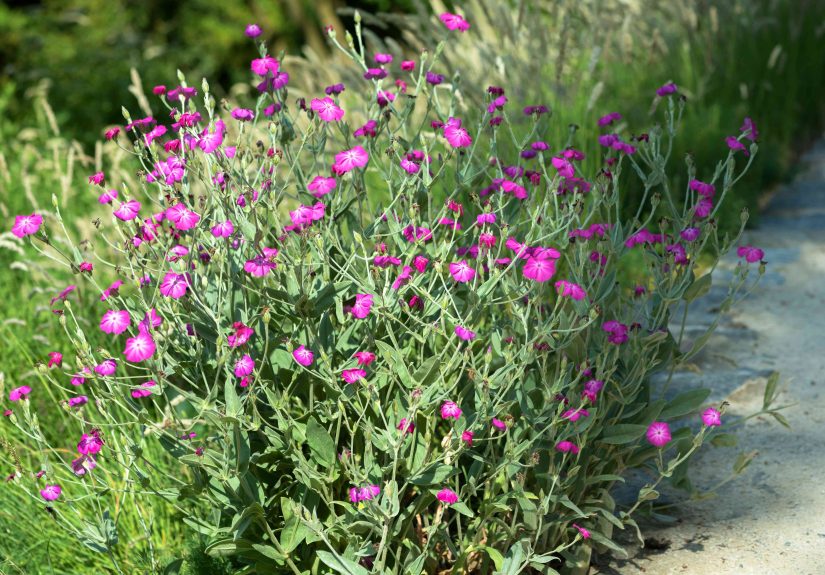
Rose campion is the kind of plant that looks like it should come with a backstage pass and a fog machine: silver, velvety leaves + neon-bright blooms = instant “cottage garden main character” energy. The best part? It’s not high-maintenance. Rose campion (often listed as Lychnis coronaria and sometimes under the updated name Silene coronaria) thrives when you give it what most divas refuse: lean soil, good drainage, and a little benign neglect.
In this guide, you’ll learn how to grow rose campion from seed or plants, how to keep it blooming, how to manage its enthusiastic self-seeding, and how to troubleshoot the few problems it can run into. Expect practical steps, “why it works” explanations, and a few real-garden scenariosbecause gardens are rarely as tidy as the internet pretends.
Quick Plant Profile (So You Know What You’re Getting Into)
| Common name | Rose campion |
|---|---|
| Botanical name | Lychnis coronaria (syn. Silene coronaria) |
| Type | Short-lived perennial / biennial (often behaves like both) |
| Size | About 1–3 ft. tall in bloom, with a basal rosette/mound of silvery leaves |
| Bloom time | Late spring into early summer; can rebloom with deadheading or a midseason shear |
| Light | Full sun is best; tolerates light shade (less bloom in deeper shade) |
| Soil | Average to lean, well-drained; dislikes wet winter soil |
| Water | Moderate while establishing; drought-tolerant once established |
| Wildlife | Attracts pollinators; typically low deer interest |
| Signature feature | Silver-gray, woolly foliage that makes flower color pop |
Why Rose Campion Succeeds (And Why It Sometimes Flops)
Rose campion succeeds when you treat it like a plant from rocky hillsides: give it sun, airflow, and soil that sheds water. It struggles when you plant it like a thirsty lawn ornamentrich soil, constant irrigation, heavy mulch piled on top, and a low spot that stays wet through winter.
Here’s the big idea: drainage matters more than fertility. If you remember only one thing, remember thisrose campion will forgive you for forgetting to fertilize. It won’t forgive you for drowning it.
Step 1: Pick the Right Spot
Light: Sun First, Shade Second
Plant rose campion in full sun for the best bloom and the tightest, silvery foliage. It can tolerate some shade, especially in hotter regions, but too much shade usually means fewer flowers and a lankier look. If it self-seeds into shade, it may live… but it won’t exactly put on a concert.
Soil: “Lean and Draining” Beats “Rich and Damp”
Aim for average, well-drained soilsandy, gravelly, or even rocky sites are great. In heavy clay, you can still grow it, but the trick is to avoid winter wet. The easiest upgrades:
- Plant on a slight slope or the high side of a bed.
- Create a raised berm (even 4–6 inches helps) and mix in grit or coarse compost.
- Avoid low spots where water sits after rain.
Spacing: Give It Air (Your Future Self Will Thank You)
Space plants so air can move through the stemsthis helps prevent late-season fungal issues like powdery mildew. A little breathing room also keeps the silver foliage cleaner and less “mystery-speckled.”
Step 2: Planting Rose Campion
Option A: Planting Nursery Starts (Fastest Gratification)
- Plant after the danger of hard frost, or in early fall where winters are mild.
- Dig a hole just as deep as the root ball and a bit wider.
- Set the crown at soil level (don’t bury it like you’re hiding treasure).
- Water in well, then let the top inch of soil dry between waterings as it establishes.
Option B: Growing Rose Campion From Seed (The Classic Way)
Rose campion is famously easy from seed, and it often self-sows once you have it. If you’re starting from scratch, you’ve got two simple paths:
Direct sow outdoors (low effort, high reward)
- When: broadcast in early fall or very early spring.
- How: scatter on prepared soil and press in gently.
- Important: rose campion seeds need light to germinatedon’t bury them.
Start indoors (for control freaksin the nicest way)
- Chill seeds for about 3 weeks (a simple moist-cold stratification can improve uniform germination).
- Sow on the surface of seed-starting mix; press in; don’t cover.
- Keep at room temperature and evenly moist until germination.
- Transplant outside once seedlings are sturdy and weather has settled.
Indoor-starting is handy if you want a defined border or you’re trying to avoid the “rose campion surprise lottery” that self-seeding can bring later.
Step 3: Watering and Feeding (Where Most People Overdo It)
Watering: Establish, Then Ease Off
Water regularly during germination and early establishment. Once established, rose campion is drought-tolerant and usually only needs supplemental water during extended dry spells. If your plant looks floppy in summer heat, check the soil before you grab the hosewilting can happen from heat stress, but soggy soil is the bigger long-term threat.
Fertilizer: Keep It Light (Seriously)
Rose campion doesn’t need heavy feeding. In rich soil or with high-nitrogen fertilizer, you may get lots of leafy growth and fewer flowerslike a plant that joined a gym but forgot it was training for a dance recital. If your soil is truly poor, a thin layer of compost in spring is plenty.
Step 4: Pruning, Deadheading, and Bloom-Boosting
Deadhead for More Flowers (and Fewer Surprise Seedlings)
Deadheadingsnipping off spent bloomsencourages a longer flowering season and can reduce self-seeding. If you want rose campion to behave politely, deadhead right after the first big flush.
Shear After the First Flush for a “Second Act”
After the main bloom, you can shear or cut back flower stems to encourage a second wave later in the season. This also tidies the plant and keeps the foliage looking fresh.
Fall Cleanup: Don’t Smother the Crown
In fall, remove tired stems and any mushy foliage. If you mulch for winter, keep mulch away from the crown. The goal is insulation, not a wet blanket that invites rot.
Step 5: Managing Self-Seeding (Rose Campion’s Favorite Hobby)
Rose campion often self-seeds freely. Some gardeners call this “charming.” Others call it “a tiny glitter bomb.” Either way, you can steer it:
- Want more plants? Let a few seed heads mature, then allow seedlings to appear next season.
- Want fewer plants? Deadhead promptly and pull seedlings while small (they’re easiest when young).
- Want plants in specific spots? Let seeds mature, then collect and sprinkle where you want them.
Pro move: If seedlings pop up where you don’t want them (like between paving stones), transplant them while small to a sunnier bed. Think of it as rehoming, not eviction.
Propagation Beyond Seed: Division and Basal Cuttings
Seed is the most common way to propagate rose campion, but you can also divide plants or take basal cuttings in early spring. This is useful if you have a favorite color form and want clones, not surprises.
Common Problems (And the Fixes That Actually Work)
1) Crown Rot / Winter Dieback
Symptoms: plant collapses or fails to return, especially after a wet winter.
Fix: improve drainage, plant on a berm/raised bed, avoid heavy mulch against the crown, and don’t overwater late in the season.
2) Powdery Mildew (Late-Season White Film)
Symptoms: white powder on leaves, typically in humid weather or crowded plantings.
Fix: give more sun and airflow, avoid overhead watering, and remove heavily affected growth. In many gardens, it’s cosmetic and shows up after the main bloom anyway.
3) Flopping Stems
Symptoms: flower stalks lean or sprawl.
Fix: plant in full sun (shade = stretch), avoid high nitrogen, and consider a discreet support ring if your site is windy. Some flopping is just rose campion being… rose campion.
4) “It’s Not Blooming”
This is usually one of three things: too much shade, soil that’s too rich (lots of leaves, few flowers), or plants that are still settling in (rose campion can be shy the first year, then bloom strongly).
Best Uses in the Garden (Design Tips That Make It Look Intentional)
- Cottage gardens: Pair with catmint, salvias, daisies, yarrow, and ornamental grasses.
- Dry borders and rock gardens: The silver foliage shines in gravel and crevice-style plantings.
- Contrast planting: Set it near dark-leaved plants or deep purple flowers to amplify the glow.
- Massing: A small drift looks like velvet + fireworks.
Seasonal Care Calendar (A Simple Rhythm)
- Early spring: Clean up old stems; divide or take basal cuttings if desired.
- Late spring: Enjoy peak bloom; deadhead for longer flowering.
- Summer: Shear after first flush for possible rebloom; water only in prolonged drought.
- Fall: Decide whether to let seed heads mature; tidy stems; avoid smothering mulch.
- Winter: Keep crowns on the dry side; drainage is your insurance policy.
FAQ: Quick Answers to Common Rose Campion Questions
Is rose campion invasive?
It can self-seed vigorously, which is different from being aggressively invasive everywhere. In many gardens, it’s simply “enthusiastic.” If you’re concerned, deadhead and pull seedlings early. Also check local invasive plant guidance for your region before planting any prolific self-seeder.
Does rose campion come back every year?
Often, yesbut it’s short-lived. Many gardeners rely on self-seeding to keep it going. Think of it as a plant with a succession plan.
Can it handle clay soil?
It can, especially if you plant on a slope or in a raised area so winter water doesn’t sit around the crown. Clay + flat low spot + winter wet is the classic combo that ends the relationship.
Can I grow it in containers?
You can, but choose a gritty, well-draining mix and a pot with excellent drainage holes. Containers can stay too wet in winter if you’re not careful.
Real-World Rose Campion Experiences & Lessons
If you read enough gardener conversationsgarden club notes, extension Q&As, and the “why is this thriving in my driveway?” storiesyou start to notice rose campion has a pattern: it does best in the spots we didn’t bother to pamper. Here are a few realistic scenarios that mirror what people commonly report, plus the takeaway you can use right away.
Scenario #1: The Gravel Driveway Miracle.
A gardener plants rose campion in a carefully amended bed: compost, regular watering, nice mulch. It survives, but looks a little floppy. Then a seedling pops up in the gravel near the drivewayno fertilizer, no irrigationand it becomes a compact, silver-leaved showpiece with blooms that practically vibrate.
Lesson: Rose campion loves sharp drainage and lean conditions. If you want that crisp silver foliage, hold back on the “spa treatments.”
Scenario #2: The “Where Did All These Come From?” Spring.
Last year’s plants were glorious, so the gardener lets seed heads ripen. Come spring, seedlings appear like tiny gray-green rosettes… everywhere. Borders, veggie beds, the lawn edge. The gardener panics, then realizes: seedlings are easy to pull when small and easy to transplant when they’re still in the rosette stage. Soon, the extras become gifts for friends and a planned drift along a sunny fence.
Lesson: If you’re going to let it self-seed, plan a spring “seedling edit.” Pull what you don’t want early; transplant the best ones where you do.
Scenario #3: The Humid-Summer Powdery Mildew Moment.
In a humid region, rose campion looks fantastic through bloom season, then develops a light powdery coating on leaves later. The gardener tries to fix it with more watering (because stress = water, right?) and accidentally makes the area damper, which doesn’t help. The next year, they space plants a bit wider, avoid overhead watering, and shear after the first bloom flush. The mildew still shows up a little sometimes, but later and lighterand the garden looks cleaner overall.
Lesson: Airflow and sun beat fussing. Don’t “water your way” out of fungal issues.
Scenario #4: The Shady Corner Disappointment.
A seedling appears under a shrub where afternoon shade is heavy. It grows, but bloom is minimal. The gardener moves it to a brighter spot while it’s small. The next year it blooms like it has a point to prove.
Lesson: If volunteers pop up in shade, relocate them. Rose campion is adaptable, but it shines in sun.
Scenario #5: The Winter Wet “It Vanished” Problem.
A gardener in a rainy-winter climate loves the plantuntil it doesn’t come back after a soggy season. The next attempt is planted on a raised berm with gritty soil and no heavy mulch piled on the crown. The plant still lives a short life (that’s normal), but it returns more reliably and self-seeds just enough to keep the patch going.
Lesson: For rose campion, winter drainage is the whole game. Build the site first; the plant will do the rest.
The common thread across these experiences is comforting: you don’t need perfect technique. You need the right conditions, a little seasonal editing, and the confidence to let rose campion be what it is a bold, old-fashioned bloomer that thrives when you stop trying to micromanage it.
Conclusion
To grow and care for rose campion successfully, focus on sun and drainage, keep feeding minimal, water just enough to establish, and decide how you want to manage self-seeding. Deadhead for a longer bloom season (and fewer surprise seedlings), shear after the first flush if you want a second act, and keep crowns from sitting wet through winter. Do that, and rose campion will reward you with silver foliage, vivid flowers, and that effortless “this garden has personality” look.