Table of Contents >> Show >> Hide
- What Makes Tardiva Hydrangea Special?
- Best Growing Conditions for Tardiva Hydrangea
- How to Plant Tardiva Hydrangea
- Watering and Feeding Tardiva Hydrangea
- When and How to Prune Tardiva Hydrangea
- Seasonal Care Calendar
- Common Problems and How to Fix Them
- Landscape Ideas for Tardiva Hydrangea
- Real-World Growing Experiences with Tardiva Hydrangea
- Conclusion
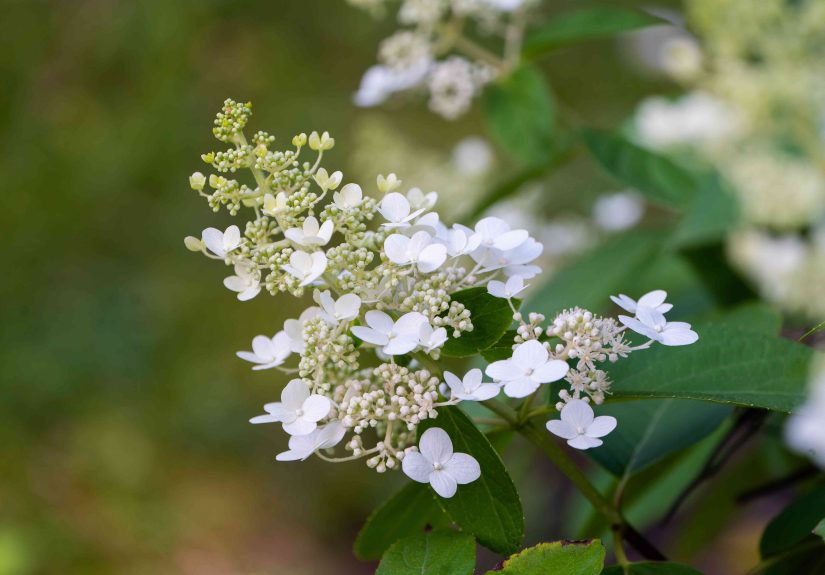
If your garden feels a little too quiet by late summer, Tardiva hydrangea is here to fix the timing problem with impressive flair. While some shrubs finish their big performance in early summer and then politely fade into the background, Hydrangea paniculata ‘Tardiva’ waits for the second half of the season and then walks onstage like it owns the place. Its blooms arrive later than many other hydrangeas, its pointed flower panicles look airy rather than overly formal, and the white flowers gradually soften into pink tones as the season rolls along.
This is a classic panicle hydrangea, not a fussy diva in a feather boa. Tardiva is tough, cold-hardy, adaptable, and far easier to prune than old-wood hydrangeas that punish gardeners for one badly timed haircut. Because it flowers on new growth, you can prune it in late winter or early spring without sacrificing the season’s blooms. That one trait alone has saved many gardeners from unnecessary drama, suspiciously aggressive muttering, and a few regrettable pruning decisions.
In this guide, you’ll learn exactly how to grow and care for Tardiva hydrangea, from planting and watering to pruning, troubleshooting, and using it well in the landscape. Whether you want a large flowering shrub, a loose hedge, or a specimen with late-season charm, this hydrangea has the résumé to earn a spot in your yard.
What Makes Tardiva Hydrangea Special?
Tardiva is a late-blooming selection of Hydrangea paniculata. It is known for upright, pointed flower panicles that are more open and loosely packed than some fuller modern panicle hydrangea cultivars. That open shape gives the plant a lighter, more graceful look. Instead of reading as a giant puffball, it feels more refined and architectural.
Mature size can vary by climate and pruning style, but Tardiva is generally a large shrub, often reaching around 8 to 12 feet tall with a broad spread when happy and left fairly natural. In some landscapes it may stay smaller, and it can also be trained into a small tree form if you like a more formal look. As the blooms develop, the weight of the panicles can cause branches to arch, which gives the shrub a fountain-like habit when in full flower.
- Botanical name: Hydrangea paniculata ‘Tardiva’
- Common type: Panicle hydrangea
- Bloom season: Late summer into early fall
- Flower color: White, aging to soft pink or purplish pink
- Growth habit: Vigorous, upright, then gently arching in bloom
- Best feature: Reliable late-season flowers on new wood
If you’ve ever wanted a hydrangea that blooms after many other shrubs have already clocked out for the season, Tardiva is an excellent choice.
Best Growing Conditions for Tardiva Hydrangea
Light: Sun Is Fine, but Don’t Turn It into a Desert Survival Test
One reason Tardiva hydrangea care is more forgiving than care for some other hydrangeas is that panicle hydrangeas tolerate more sun. Tardiva grows well in full sun to partial shade, especially where it gets solid morning light and some protection from the harshest late-afternoon heat. In cooler regions, more sun often means stronger flowering and sturdier growth. In hotter climates, a little afternoon shade helps reduce stress and leaf scorch.
Think of it this way: Tardiva likes sunlight, but it still appreciates not being roasted like a summer vegetable on a sheet pan.
Soil: Moist, Rich, and Well-Drained Wins Every Time
Tardiva performs best in moist, well-drained soil enriched with organic matter. Compost is your best friend here. Heavy clay can be improved with organic matter to help drainage, while sandy soils benefit from compost that helps hold moisture longer. What this shrub does not love is standing in water. Soggy soil encourages root stress and disease problems, and hydrangeas in general are far less charming when their roots are miserable.
Slightly acidic to neutral soil works well, but unlike bigleaf hydrangeas, panicle hydrangeas do not turn blue because of soil pH. So if your grand plan involves a blue Tardiva, I regret to inform you that the shrub did not approve that casting decision.
Space: Give It Room Before It Starts Negotiating
Because Tardiva can become a substantial shrub, don’t cram it into a tiny foundation bed and hope for the best. Space it with its mature size in mind. A good rule is to allow enough room for airflow and future width, especially if you want the natural arching shape. If you must prune it smaller, you can, but it looks best when it has enough room to develop its elegant outline.
How to Plant Tardiva Hydrangea
The best times to plant are spring or fall, when temperatures are moderate and the shrub can settle in before extreme heat or winter cold. Dig a hole about twice as wide as the root ball but no deeper than the plant’s nursery container. Set the shrub so the top of the root ball sits at or slightly above the surrounding soil line. Backfill with native soil amended with compost if needed, then water thoroughly.
Add a 2- to 3-inch layer of mulch around the base, keeping it a few inches away from the stems. Mulch helps conserve moisture, moderate soil temperature, and protect the shallow root system. It also makes the planting area look tidy, which is useful when you want the garden to say “thoughtfully designed” instead of “I got distracted halfway through.”
Watering and Feeding Tardiva Hydrangea
Watering
Consistent moisture is important, especially during the first year while the plant is establishing. Aim for about 1 inch of water per week from rain or irrigation, and increase that during hot, dry stretches. Deep watering is better than frequent light sprinkles because it encourages stronger root growth.
Watch the leaves during heat waves. If the plant wilts repeatedly, the root zone may be drying out too fast. Newly planted shrubs, plants in full sun, and shrubs competing with thirsty tree roots will need extra attention. Once established, Tardiva is sturdier than many hydrangeas, but it is not a cactus in disguise.
Fertilizing
Tardiva usually benefits from a slow-release, balanced fertilizer in spring as new growth begins. Compost also helps improve soil structure and fertility over time. Avoid going wild with high-nitrogen fertilizer, which can push leafy growth at the expense of flowers. When in doubt, a soil test is smarter than guesswork. Your hydrangea does not need a mystery smoothie of random nutrients tossed at its roots.
When and How to Prune Tardiva Hydrangea
This is where Tardiva becomes especially gardener-friendly. Because it blooms on new wood, pruning is best done in late winter or early spring, before vigorous new growth starts. Unlike old-wood hydrangeas, you are not cutting off hidden flower buds for the coming season.
Start by removing dead, damaged, weak, or crossing stems. Then shape the shrub by shortening stems to just above a healthy, fat bud. You can prune lightly for a more natural, larger shrub, or more firmly if you need to control size. Many experts recommend avoiding extreme pruning every year because overly hard cuts can reduce the number of blooms or lead to long, floppy stems. A moderate approach usually gives the best balance of structure and flowering.
If you want larger flower panicles, thin the plant so it keeps fewer strong main shoots. That channels energy into fewer stems, often producing larger individual blooms. If you prefer a fuller shrub with more flower heads, prune more conservatively and leave more stems in place.
You can also train Tardiva into a small tree form by selecting one or a few main stems early and removing lower side branches over time. It takes patience, but the result can be dramatic, especially when those late-summer flowers hover above lower plantings.
Seasonal Care Calendar
Spring
Prune before active growth gets rolling, apply compost or a balanced slow-release fertilizer, refresh mulch, and plant new shrubs if needed. Watch for fresh leaf growth and water if spring turns dry.
Summer
Water consistently, especially during heat. Enjoy the developing flower panicles as they begin opening white. Check that the plant is not drying out in full sun, particularly if it is newly planted.
Late Summer to Fall
This is peak Tardiva season. Blooms age from white to pink tones, branches may arch under flower weight, and the shrub becomes a serious landscape feature. You can cut some blooms for arrangements or leave them to age on the plant.
Winter
Spent flower heads can remain for winter texture if you like the look. Major pruning can wait until late winter or early spring. In colder regions, mulch helps protect the root zone, though panicle hydrangeas are generally very hardy.
Common Problems and How to Fix Them
Leaves Scorching or Wilting
Too much hot sun combined with insufficient moisture can cause leaf scorch or repeated wilting. The fix is usually simple: water deeply, maintain mulch, and consider whether the plant needs a bit more afternoon shade in hot climates.
Weak Stems or Floppy Blooms
Tardiva’s flower panicles are lovely, but they can weigh down stems, especially after rain. Overfertilizing and excessively hard pruning can make this worse by encouraging lush but weak growth. Prune moderately and avoid heavy feeding.
Fewer Blooms Than Expected
With Tardiva, poor bloom is less often about winter bud loss and more often about cultural stress. Too much shade, overfertilization, drought, soggy roots, or badly timed severe pruning can all reduce flowering. Since it blooms on new wood, correct pruning timing is easier, but the plant still needs healthy growing conditions.
Disease and Pest Issues
Panicle hydrangeas are generally not high-maintenance magnets for trouble, but they can occasionally develop powdery mildew, leaf spot, rust, bud blight, or bacterial wilt. Aphids, mites, scales, and similar pests may appear but are often not a major issue. Good spacing, proper watering, well-drained soil, and avoiding stress are the best first defenses. If the plant is declining, check the basics before blaming a bug. In gardens, the real villain is often poor drainage wearing a fake mustache.
Landscape Ideas for Tardiva Hydrangea
Because of its size and late bloom time, Tardiva works best where it has room to make a statement. Use it as:
- a specimen shrub in a mixed bed
- a flowering screen or informal hedge
- a backdrop for perennials and ornamental grasses
- a small tree form near an entry or path
- a late-season focal point in a cottage or pollinator-style border
Its open white blooms pair beautifully with grasses, coneflowers, black-eyed Susans, asters, and other plants that carry the garden into fall. It is especially useful if your landscape looks terrific in May and then starts acting tired by August.
Real-World Growing Experiences with Tardiva Hydrangea
One of the most interesting things about growing Tardiva hydrangea is that it often teaches patience before it rewards you with drama. In the first year, gardeners sometimes expect a giant flowering spectacle right away, especially after seeing mature photos online. But young plants usually spend that first season settling in, building roots, and figuring out the neighborhood. That can make Tardiva seem quiet at first. Then, by the second or third year, it starts stretching out, branching better, and producing those late-season panicles that suddenly make the whole shrub feel established and confident.
Many gardeners also discover that Tardiva changes the rhythm of the landscape. Early in the season, it is handsome but not flashy. It does not scream for attention in May. It just leafs out, grows steadily, and looks like a respectable green shrub minding its business. Then summer matures, other bloomers start fading, and Tardiva decides it is finally time to shine. That delayed performance can be surprisingly satisfying. It fills a seasonal gap that many gardens have, especially in places where spring is glorious and late summer feels a bit sleepy.
Another common experience is learning the difference between Tardiva and the more familiar mophead hydrangeas. Gardeners who are used to blue or pink bigleaf hydrangeas sometimes expect the same care rules to apply. Then they realize panicle hydrangeas are a much less stressful relationship. Tardiva does not demand winter protection for flower buds in the same way, and it does not punish every pruning mistake with a bloomless year. That alone can make it a favorite for people who want hydrangea beauty without hydrangea drama.
There is also a practical pleasure in watching the flower color shift. The blooms open white and fresh, then gradually warm into soft pinkish tones as the weeks pass. This makes the shrub feel dynamic rather than static. It is not the kind of plant that looks identical from week to week. In a well-designed border, that slow color evolution adds richness just when the garden needs it most.
Gardeners in hotter regions often report that Tardiva still performs well, but the exact pink coloring can vary depending on temperatures. Cooler nights tend to bring better fall color changes, while warmer climates may keep the blooms whiter longer or shorten the pink stage. That does not make the plant a disappointment; it simply means Tardiva has regional personality. Like many good garden plants, it adapts while still keeping its core character.
The physical shape of the shrub is another memorable part of the experience. When Tardiva is covered in bloom, the stems can arch under the weight, creating a graceful, fountain-like silhouette. Some people love that relaxed look. Others prefer to prune for sturdier structure. Either way, the plant has movement, and that movement gives it charm. It rarely looks stiff or overly formal unless it has been trained that way on purpose.
Perhaps the best real-world experience with Tardiva is this: it becomes more useful over time. A mature Tardiva is not just a flowering shrub. It is a seasonal anchor, a background plant, a pollinator-friendly stop, a cut-flower source, and a conversation starter when neighbors ask why your garden still looks so good when summer is winding down. And that may be Tardiva’s greatest trick. It shows up late, works hard, and leaves a strong impression. Frankly, more plants should take notes.
Conclusion
How to grow and care for Tardiva hydrangea comes down to a few smart basics: plant it in full sun to partial shade, give it moist well-drained soil, water consistently during dry weather, mulch the root zone, and prune in late winter or early spring because it blooms on new wood. In return, you get a vigorous shrub with elegant late-summer flowers, excellent cold hardiness, and a much easier care routine than many gardeners expect from hydrangeas.
If you want a shrub that extends the bloom season, adds structure to the landscape, and rewards reasonable care with a long floral show, Tardiva is a terrific pick. It is dependable, handsome, and just dramatic enough to be fun without behaving like a botanical celebrity who refuses to come out of the trailer.