Table of Contents >> Show >> Hide
- What Is Galvanized Steel?
- Can You Paint Galvanized Steel?
- Tools and Materials You Will Need
- How to Paint Galvanized Steel: 12 Steps
- Step 1: Identify the Condition of the Galvanized Steel
- Step 2: Check the Weather and Work Conditions
- Step 3: Wash Off Dirt, Dust, and Surface Grime
- Step 4: Degrease the Metal
- Step 5: Remove White Rust, Red Rust, and Loose Paint
- Step 6: Lightly Scuff the Surface
- Step 7: Etch New Galvanized Steel if Needed
- Step 8: Choose the Right Primer for Galvanized Metal
- Step 9: Apply Primer in Thin, Even Coats
- Step 10: Apply the First Coat of Paint
- Step 11: Add a Second Coat for Durability
- Step 12: Let the Paint Cure Before Heavy Use
- Best Paint for Galvanized Steel
- Common Mistakes When Painting Galvanized Steel
- How Long Does Paint Last on Galvanized Steel?
- Painting Galvanized Steel Indoors vs. Outdoors
- Experience-Based Tips for Painting Galvanized Steel
- Conclusion
Painting galvanized steel sounds simple until the paint starts peeling off like a sunburned tourist after one weekend outdoors. The problem is not that galvanized metal refuses to be beautiful. It is that its zinc coating is designed to resist corrosion, shed moisture, and generally act like a bodyguard against anything trying to cling to it. That is excellent for rust protection, but slightly annoying when the thing trying to cling is your carefully chosen paint.
The good news? You can absolutely paint galvanized steel successfully. Whether you are refreshing a metal gate, painting galvanized roofing trim, updating a utility box, coating a fence, or giving old metal buckets a second life, the secret is preparation. Skip the prep, and your paint may fail faster than a cardboard umbrella. Do it right, and you can create a durable, attractive finish that protects the metal and looks professionally done.
This guide explains how to paint galvanized steel in 12 practical steps, including how to clean galvanized metal, what primer to use on galvanized steel, how to avoid peeling paint, and how to get a smooth finish that lasts.
What Is Galvanized Steel?
Galvanized steel is steel coated with a protective layer of zinc. The zinc helps prevent rust by acting as a barrier between the steel and moisture. It also provides sacrificial protection, meaning the zinc corrodes before the steel does. That is why galvanized metal is commonly used for outdoor railings, gutters, flashing, fences, roofing panels, pipes, ducts, and utility structures.
That protective zinc layer is the hero of the story, but it is also the reason paint can struggle to bond. New galvanized steel can have oils, passivators, chromates, manufacturing residue, or a slick surface that blocks adhesion. Weathered galvanized steel may have white rust, chalking, dirt, or oxidation. Each condition needs slightly different preparation before painting.
Can You Paint Galvanized Steel?
Yes, you can paint galvanized steel, but not by grabbing any random can of paint and hoping the paint gods are feeling generous. Galvanized steel needs cleaning, light abrasion or surface profiling, and a primer made for galvanized metal or difficult-to-coat surfaces.
The best paint system usually includes three parts: a clean surface, a compatible bonding primer, and a durable topcoat. Exterior galvanized steel should be finished with paint rated for outdoor use, UV exposure, and moisture. Interior galvanized metal may not face rain, but it still needs proper adhesion and scuff resistance.
Tools and Materials You Will Need
- Dish soap or mild detergent
- Degreaser or solvent cleaner suitable for metal
- White vinegar or a manufacturer-approved etching solution
- Clean water and buckets
- Lint-free rags or microfiber cloths
- Nylon brush or nonmetallic scrub pad
- Fine-grit sandpaper, sanding sponge, or Scotch-Brite-style pad
- Wire brush for rusted or peeling areas
- Drop cloths and painter’s tape
- Galvanized metal primer or universal bonding primer
- Exterior acrylic latex paint, direct-to-metal paint, or compatible enamel
- Paintbrush, roller, or sprayer
- Gloves, eye protection, and a respirator or mask when sanding or spraying
How to Paint Galvanized Steel: 12 Steps
Step 1: Identify the Condition of the Galvanized Steel
Before you clean or prime anything, figure out what type of galvanized surface you are working with. New galvanized steel is often shiny, smooth, and slightly oily. Partially weathered galvanized steel may look dull gray with minor oxidation. Fully weathered galvanized steel may have a stable, matte zinc patina that is easier for coatings to grip.
If the metal is brand new, adhesion is usually trickier because the surface may still contain factory oils or passivating treatments. If the metal has been outside for months, it may be easier to coat, but you still need to remove dirt, chalk, white rust, and contaminants. If old paint is already peeling, do not paint over it. Peeling paint is not a foundation; it is a tiny disaster wearing a color coat.
Step 2: Check the Weather and Work Conditions
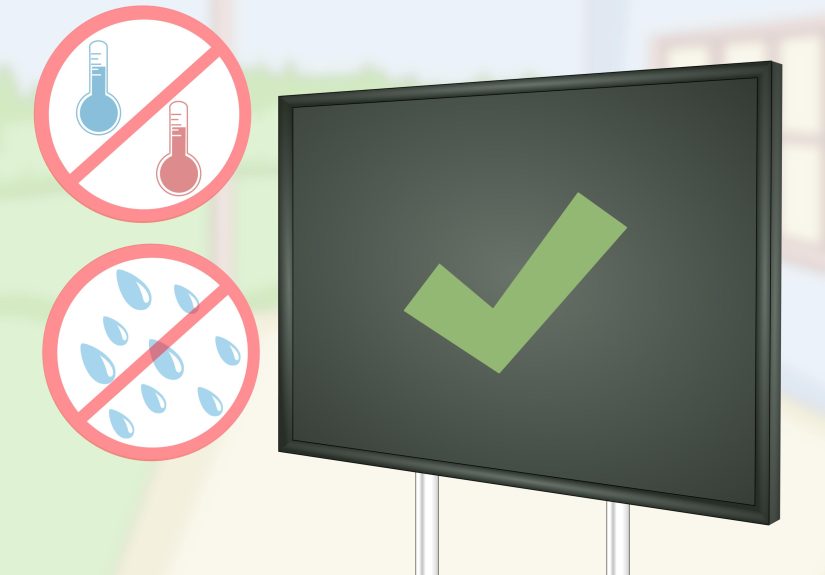
Paint likes comfortable weather. Most primers and paints perform best when temperatures are moderate, humidity is not extreme, and the surface is dry. Avoid painting galvanized steel in direct blazing sun, heavy wind, rain, fog, or when dew is likely to form before the coating dries.
For outdoor projects, choose a dry day with mild temperatures. For indoor projects, make sure the area is well ventilated. If you are using spray primer or paint, move anything nearby that should not become “accidentally modern art.” Overspray has impressive ambition.
Step 3: Wash Off Dirt, Dust, and Surface Grime
Start with a basic wash. Mix mild detergent with warm water and scrub the galvanized steel using a nylon brush, sponge, or nonmetallic pad. This removes loose dirt, cobwebs, bird gifts, pollen, and general outdoor mystery film.
Rinse thoroughly with clean water. Soap residue can interfere with primer adhesion, so do not leave a slippery film behind. Let the surface dry completely before moving to the next step. If water beads heavily on the surface, that is a sign oils or slick residues may still be present.
Step 4: Degrease the Metal
Galvanized steel often contains oils, passivators, or handling residue. These invisible troublemakers are a major reason paint peels. Use a metal-safe degreaser or solvent cleaner according to the product directions. Wipe the surface in one direction with clean rags, replacing dirty rags often so you are not simply moving grease from one spot to another.
For large outdoor pieces, such as fences or gates, work in sections. For small items, such as brackets or planters, you can clean the entire piece at once. Allow the metal to dry. If the surface still feels slick, repeat the degreasing step.
Step 5: Remove White Rust, Red Rust, and Loose Paint
White rust appears as a powdery white or gray deposit on galvanized metal. It forms when zinc reacts with moisture in conditions where the surface cannot dry properly. Light white rust can often be removed with a nylon brush, fine abrasive pad, or gentle sanding. Heavy white rust may require more aggressive cleaning.
If you see red rust, that means the underlying steel may be exposed. Remove rust with a wire brush, sanding sponge, or power tool fitted with the proper attachment. Feather the edges of old sound paint so the new coating does not create obvious ridges. Any loose or peeling paint must go. Paint cannot glue failure back together, no matter how inspirational the label sounds.
Step 6: Lightly Scuff the Surface
Galvanized steel often needs a little tooth for primer to hold. Lightly scuff the surface with fine-grit sandpaper or an abrasive pad. The goal is not to grind away the zinc coating. You simply want to dull the shine and create a slightly textured surface.
After sanding, remove all dust with a damp cloth or tack cloth suitable for metal. Dust left behind can weaken adhesion and create a gritty finish. If you expose bare steel while sanding, pay extra attention to priming that area quickly so rust does not move in like an uninvited roommate.
Step 7: Etch New Galvanized Steel if Needed
For new galvanized steel, many painters use white vinegar or a manufacturer-approved etching solution to help dull the slick zinc surface and improve primer adhesion. Wipe the vinegar over the metal, let it sit briefly, then rinse and dry the surface. Always follow the directions for the primer system you plan to use, because some coatings prefer specific preparation methods.
Do not treat every project like a chemistry experiment. If your primer manufacturer recommends cleaning only, follow that system. If it recommends etching, test a small area first. The goal is compatibility, not drama.
Step 8: Choose the Right Primer for Galvanized Metal
The primer is the handshake between galvanized steel and paint. Use a primer specifically labeled for galvanized metal, zinc-coated metal, or hard-to-paint surfaces. Common choices include acrylic metal primers, universal bonding primers, and direct-to-metal primers designed for non-ferrous or galvanized surfaces.
Avoid using random oil-based primers or alkyd paints unless the manufacturer clearly says they are safe for galvanized steel. Some oil-based coatings can react poorly with zinc and cause adhesion problems. When in doubt, read the product label and technical data sheet. The label is not decorative literature; it is the instruction manual that keeps your project from becoming a peeling museum exhibit.
Step 9: Apply Primer in Thin, Even Coats
Apply primer with a high-quality brush, small roller, or sprayer. Use thin, even coats rather than one heavy coat. Thick primer can sag, wrinkle, dry unevenly, or trap solvents. For railings, fences, corrugated panels, and decorative metalwork, a brush helps push primer into corners and seams. For flat panels, a foam roller or sprayer can create a smooth finish.
Pay special attention to cut edges, fasteners, welds, scratches, and areas where rust was removed. These spots are more vulnerable to corrosion. Let the primer dry according to the manufacturer’s instructions. Dry-to-touch is not always the same as ready-to-topcoat, so check the recoat window.
Step 10: Apply the First Coat of Paint
Once the primer is ready, apply your first coat of paint. For exterior galvanized steel, acrylic latex exterior paint is a common choice because it remains flexible and resists weathering. Direct-to-metal acrylic coatings are also useful when approved for galvanized surfaces. For high-wear areas, select a coating designed for metal doors, railings, equipment, or exterior trim.
Brush with the shape of the piece. On corrugated metal, follow the ribs. On railings, work around the tube or bar to avoid heavy lap marks. Keep the coat thin and consistent. If you are spraying, use multiple light passes rather than trying to cover everything in one heroic blast.
Step 11: Add a Second Coat for Durability
A second coat improves color depth, coverage, and durability. Let the first coat dry fully before recoating. If you recoat too soon, you can trap moisture or solvents, which may cause soft paint, poor adhesion, or wrinkling.
Inspect the surface between coats. If you notice dust nibs, drips, or rough spots, lightly sand them smooth after the paint has dried, then wipe clean before applying the next coat. This small step can make the final result look much more professional.
Step 12: Let the Paint Cure Before Heavy Use
Paint may dry in hours, but curing can take days or longer depending on the coating, temperature, humidity, and film thickness. Do not scrape furniture against freshly painted galvanized steel, hang wet hoses over newly painted railings, or reinstall hardware too aggressively. Let the finish harden before exposing it to heavy wear.
For gates, fences, and outdoor fixtures, avoid washing or pressure cleaning the surface until the coating has cured. If rain is in the forecast, check whether your paint can handle moisture after the expected dry time. Fresh paint and surprise weather are not always best friends.
Best Paint for Galvanized Steel
The best paint for galvanized steel depends on the project. For most home and garden applications, an exterior acrylic latex paint over a galvanized-compatible primer works well. For metal doors, railings, equipment, and high-touch surfaces, a direct-to-metal acrylic or urethane-modified coating may offer better toughness. For industrial or marine environments, professional coating systems may include epoxy primers, polyurethane topcoats, or specialized duplex systems.
Choose paint based on exposure. A decorative indoor shelf does not need the same coating as a coastal fence facing salt air. Outdoor galvanized steel needs resistance to moisture, sunlight, temperature changes, and abrasion. If the surface will be walked on, handled often, or exposed to chemicals, use a coating system rated for that abuse.
Common Mistakes When Painting Galvanized Steel
Skipping the Cleaning Step
Galvanized steel can look clean while still carrying oils or passivators. If you skip degreasing, the primer may bond to the residue instead of the metal. That usually ends with peeling.
Using the Wrong Primer
Not all metal primers work on galvanized steel. Some are made for bare ferrous metal, not zinc-coated surfaces. Always choose a primer that specifically lists galvanized metal or hard-to-paint surfaces.
Painting Over White Rust
White rust is not a decorative texture. Remove it before priming. Painting over powdery oxidation can prevent the coating from bonding properly.
Applying Paint Too Thick
Thick coats may look efficient, but they dry poorly and can sag. Thin coats build a stronger, smoother finish.
Ignoring Cure Time
Paint needs time to harden. If you put a freshly painted gate back into heavy use too soon, the finish can scratch or stick.
How Long Does Paint Last on Galvanized Steel?
A properly prepared and painted galvanized steel surface can last for years. The exact lifespan depends on exposure, coating quality, surface preparation, climate, and maintenance. Outdoor surfaces in dry, mild climates usually last longer than metal exposed to coastal salt, industrial pollution, constant moisture, or heavy abrasion.
To extend the life of the finish, wash the surface once or twice a year with mild soap and water. Touch up scratches quickly before corrosion spreads. Inspect seams, fasteners, and cut edges because these areas often fail first. Think of maintenance like dental flossing for metal: not glamorous, but it prevents expensive problems.
Painting Galvanized Steel Indoors vs. Outdoors
Indoor galvanized steel usually faces less moisture and UV exposure, so the finish may last longer. However, indoor surfaces still need cleaning and the right primer. Ductwork, shelves, furniture frames, and decorative panels can all be painted successfully when properly prepared.
Outdoor galvanized steel needs more durable coating choices. Fences, gutters, flashing, gates, handrails, and roofing accessories face rain, sun, dirt, and temperature swings. For these projects, use exterior-rated primer and paint. Pay extra attention to edges, joints, and hardware because water likes to collect in awkward places, like it has a personal grudge against your weekend project.
Experience-Based Tips for Painting Galvanized Steel
After working through many galvanized metal projects, one lesson becomes obvious: the finish is won or lost before the paint can is opened. The most successful projects are the ones where the surface looks almost boringly clean before priming. No greasy feel, no shiny slick patches, no chalky oxidation, no sanding dust hiding in corners. If you can wipe the metal with a clean white rag and the rag still looks clean, you are much closer to success.
One practical example is painting a galvanized steel gate. Gates are tricky because they have curves, hinges, welded joints, and spots where hands constantly touch the surface. A rushed job may look fine for a month, then start peeling around the latch. The better approach is to remove or tape off hardware, scrub the gate thoroughly, degrease the latch area twice, scuff every glossy section, and brush primer into seams before rolling or spraying the larger areas. It takes longer, but the paint stays put.
Another common experience involves galvanized planters and buckets. People often want to paint them for decorative use, especially in gardens or patios. These items are usually smooth and shiny, so primer adhesion can be weak if you do not dull the surface. A light vinegar wipe, rinse, dry, scuff, and bonding primer can make a major difference. If the planter will hold soil, avoid painting areas that will stay constantly wet unless the coating is rated for that kind of exposure. Paint on the outside may hold up beautifully, while paint inside a damp container may fail quickly.
Spray painting galvanized steel can work well, but patience matters. The best spray finishes usually come from several light coats. Hold the can the recommended distance from the surface, start spraying just before the edge, move smoothly across, and release after passing the other edge. This prevents heavy blobs at the beginning and end of each pass. If you get a run, resist the urge to attack it immediately. Let it dry, sand it smooth, wipe it clean, and then repaint. Wet paint is dramatic; dry paint is negotiable.
Brush painting also has its place. For railings, fences, brackets, and corrugated seams, a brush can push primer and paint into tight areas that a roller misses. Use a quality synthetic brush for water-based acrylic coatings. Cheap brushes shed bristles, and nothing says “custom finish” quite like a fossilized brush hair in the middle of your freshly painted panel.
One underrated tip is to label your leftover primer and paint with the date and project name. Galvanized steel touch-ups are much easier when you know exactly what you used. Keep a small amount of paint for scratches, chips, and future repairs. For exterior metal, tiny scratches should be touched up promptly because exposed steel can rust, especially along cut edges.
Finally, test before committing to a large project. Paint a small hidden section, let it cure, and check adhesion. A simple scratch test or tape pull after the coating has cured can reveal whether your prep and primer combination is working. This is especially useful on new galvanized steel, unknown factory-coated parts, or surfaces that may contain passivators. Testing may feel like a delay, but it is much faster than stripping an entire fence because the paint decided to leave early.
Conclusion
Painting galvanized steel is not difficult, but it is picky. The zinc coating that protects the steel also makes adhesion more challenging, so cleaning, degreasing, scuffing, priming, and curing are essential. Start by identifying whether the metal is new, weathered, rusty, or previously painted. Remove contaminants, treat oxidation, use a primer made for galvanized metal, and apply thin, even coats of durable paint.
When done correctly, painting galvanized steel can transform plain metal into a clean, colorful, weather-resistant surface. Whether you are painting a fence, gate, railing, gutter, planter, roof trim, or utility panel, the same rule applies: prep like a professional, paint with patience, and let the finish cure before you put it to work.