Table of Contents >> Show >> Hide
- What Is a Banana Shrub?
- Best Growing Conditions for Banana Shrub
- How to Plant Banana Shrub
- Banana Shrub Care After Planting
- How and When to Prune Banana Shrub
- Common Problems and How to Fix Them
- Can You Grow Banana Shrub in a Container?
- Landscape Ideas for Banana Shrub
- What Gardeners Learn From Growing Banana Shrub in Real Life
- Final Thoughts
- SEO Tags
Note: Body-only HTML, clean for web publishing and easy copying.
If you have ever wished your yard smelled faintly like a fruit stand and looked polished without acting high-maintenance, banana shrub may be your kind of plant. Despite the name, this is not a banana plant. It is an evergreen magnolia relative with glossy leaves, creamy flowers, and a famously sweet fragrance that makes people stop mid-sentence and ask, “Wait, what is that smell?”
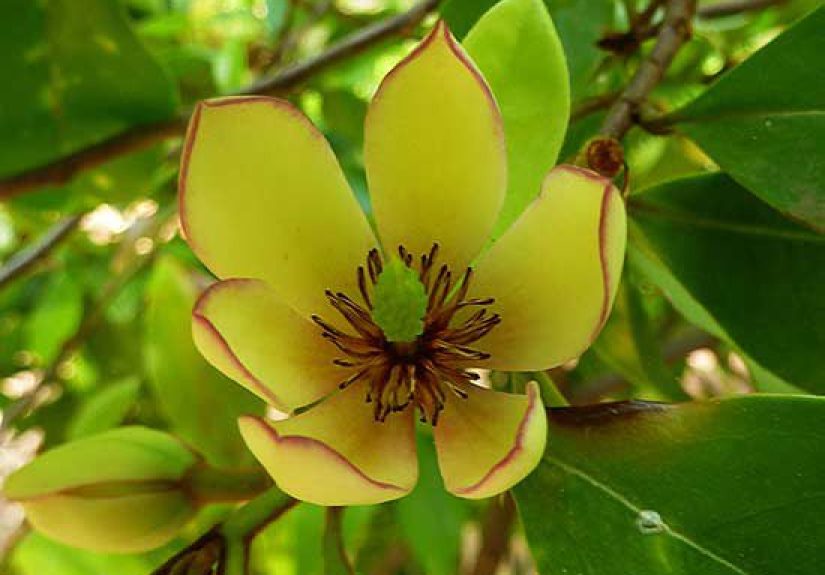
Known botanically as Magnolia figo and formerly called Michelia figo, banana shrub is a warm-climate favorite that works beautifully as a foundation plant, fragrant hedge, specimen shrub, or even a small tree if you decide to give it a little haircut and some ambition. It has a tidy, elegant look, but the scent is the real show-stealer. The flowers are small, soft yellow to cream, often edged with purple, and they smell like ripe bananas with a whisper of spice. Nature clearly had fun with this one.
This guide covers everything you need to know about how to plant and grow banana shrub, from choosing the best spot to watering, pruning, troubleshooting, and getting the most blooms. Whether you are planting one near your front walk or building a fragrant Southern-style border, here is how to help this evergreen beauty settle in and thrive.
What Is a Banana Shrub?
Banana shrub is a broadleaf evergreen shrub in the magnolia family. In the right conditions, it usually grows with a dense, rounded habit and dark green, glossy foliage. Most plants mature in the range of roughly 10 to 15 feet tall, though they can be kept smaller with pruning or trained into a more tree-like form.
Its biggest claim to fame is fragrance. The blooms typically appear in spring, and some plants flower lightly again off and on later in the growing season. The flowers are not giant or flashy like a classic Southern magnolia bloom. Instead, they are smaller and more subtle, which somehow makes the fragrance feel even more dramatic. It is the quiet person at the party with the best one-liners.
Best Growing Conditions for Banana Shrub
If you want strong growth, glossy leaves, and reliable flowering, banana shrub needs a site that feels warm, protected, and well-drained. Think cozy, not swampy. Relaxed, not blasted by wind.
Light
Banana shrub grows well in full sun to partial shade, but many gardeners get the best balance of foliage color and plant shape in bright partial shade. In more sun, the plant often stays tighter and more compact, though the leaves may look lighter or slightly yellow-green. In heavier shade, it can become looser and more open.
Soil
Good drainage is non-negotiable. Banana shrub likes fertile, organically rich, slightly acidic soil. If your soil is heavy clay, sticky after rain, or the kind of ground that could swallow a shoe and a dream, improve it before planting. Mix in compost or leaf mold to create a looser, oxygen-rich root zone.
Moisture
This shrub appreciates evenly moist soil while getting established. Once mature, it becomes more drought tolerant, but that does not mean it wants to be abandoned like a gym membership in February. Consistent moisture supports better foliage and blooming.
Temperature and Hardiness
Banana shrub is best suited to USDA Zones 8 to 10, though it can grow in warmer parts of Zone 7 with protection. It is somewhat frost tender, especially when young, so cold snaps can damage tender new growth.
Wind Protection
This is one detail many people overlook. Banana shrub does best in a spot sheltered from strong winds. A protected courtyard, the east or south side of a house, or a location buffered by fences or larger plantings often works beautifully.
How to Plant Banana Shrub
If you are wondering exactly how to plant banana shrub, the good news is that the process is simple. The plant is not dramatic. It just wants a decent start and a location that makes sense.
Step 1: Pick the Right Spot
Choose a location with full sun or light shade, well-drained soil, and room for mature growth. If you are planting near a house or pathway, leave enough space so the shrub can fill out naturally without becoming a leafy traffic violation.
Step 2: Plant at the Right Time
Spring is the safest and most widely recommended time to plant banana shrub, especially after the danger of frost has passed. Planting in spring gives the roots a full growing season to settle in before cold weather returns.
Step 3: Dig the Hole Properly
Dig a hole at least twice as wide as the root ball and about the same depth. The goal is not to bury the plant deep. In fact, the top of the root ball should sit level with the surrounding soil or even slightly above it so the root crown does not stay too wet.
Step 4: Backfill and Water Thoroughly
Set the plant in place, backfill with the original soil, and gently firm it to remove large air pockets. Water deeply right after planting. This helps settle the soil and puts the roots in contact with their new home instead of leaving them hovering in underground uncertainty.
Step 5: Mulch the Root Zone
Add 2 to 3 inches of mulch around the base to conserve moisture, moderate soil temperature, and reduce weeds. Keep mulch a few inches away from the trunk or main stems. Mulch touching the plant is not cozy. It is a moisture trap.
Step 6: Space for Mature Size
If you are planting multiple shrubs, space them according to their mature width. Around 10 to 12 feet apart is comfortable for full-sized growth, though they can be planted closer for a hedge and managed with pruning.
Banana Shrub Care After Planting
The first year is when banana shrub decides whether it likes you. Treat it well during establishment, and it will become much easier to care for later.
Watering
Water regularly during the first growing season. The goal is moist, not soggy, soil. Deep watering is better than frequent shallow sprinkles because it encourages roots to grow downward. Once established, banana shrub tolerates short dry spells better, but it still looks best with consistent moisture.
Feeding
In average garden soil, banana shrub does not need heavy feeding. A spring application of compost or a fertilizer formulated for acid-loving plants can help support healthy growth. Do not overdo it. Too much fertilizer can push leafy growth at the expense of flowers, and nobody plants a fragrant shrub hoping for a thrilling display of leaves alone.
Mulching
Refresh mulch as needed each year. This simple step improves moisture retention, protects shallow roots, and slowly enriches the soil as the mulch breaks down.
How and When to Prune Banana Shrub
Pruning banana shrub is less about constant shaping and more about timing. The plant forms flower buds for the following season fairly early, so prune too late and you can accidentally remove next year’s blooms.
Best Time to Prune
Prune soon after the main spring bloom period ends. That gives the shrub time to recover and set buds for the next round.
What to Remove
Start with dead, damaged, crossing, or awkward branches. Then decide whether you want to keep a dense shrub form or lift the canopy slightly for a small tree effect. Banana shrub responds well to pruning and can even tolerate fairly hard shaping when needed.
How Much to Prune
Go lightly if the plant already has a good natural form. Remove no more than needed to maintain structure, improve air flow, and control size. Severe shearing every year usually creates extra work and a less graceful plant.
Common Problems and How to Fix Them
Yellowish Leaves
If the foliage looks pale or yellow-green, too much hot sun may be the culprit. Banana shrub often keeps deeper green foliage in light shade. Poor drainage or nutrient imbalance can also contribute, so check the soil before blaming the weather.
Few Flowers
Too much shade, over-pruning, or excessive nitrogen can reduce flowering. If your shrub looks lush but blooms sparingly, it may need more light, better pruning timing, or less enthusiastic feeding.
Winter Damage
Young plants can be dinged by frost, especially in marginal climates. Mulch well before winter and plant in a protected area. If tips are damaged, wait until spring growth begins before pruning out injured stems.
Scale Insects
Banana shrub is generally low maintenance, but scale can occasionally appear, especially false oleander scale in some coastal areas. If you see crusty white buildup on stems or leaves, inspect closely and treat early with horticultural oil or another appropriate control.
Can You Grow Banana Shrub in a Container?
Yes, especially when the plant is young or when you garden outside its comfort zone and want the option to protect it in winter. Use a large container with excellent drainage and a rich potting mix suited to woody plants. Keep the soil evenly moist, feed lightly during the growing season, and prune as needed to keep the plant in proportion to its pot.
Container-grown banana shrubs dry out faster than those in the ground, so they need more frequent attention. Still, a potted banana shrub near a patio or entry can be absolutely worth it. One warm spring evening and the fragrance will make you feel like the smartest person on the block.
Landscape Ideas for Banana Shrub
This plant is more versatile than its quirky name suggests. Here are a few smart ways to use it:
Foundation Planting
Its evergreen foliage and tidy form make it an elegant foundation shrub, especially near windows or walkways where the scent can drift indoors.
Fragrant Hedge
Plant several in a row to create a living screen with four-season structure and a spring fragrance bonus.
Specimen Plant
Use one as a focal point in a small garden bed, courtyard, or front yard where you can appreciate the blooms up close.
Mixed Shrub Border
Pair it with camellias, gardenias, sweet olive, or other evergreen shrubs that enjoy similar soil and light conditions.
What Gardeners Learn From Growing Banana Shrub in Real Life
Reading planting instructions is helpful, but real experience with banana shrub teaches a few extra lessons that do not always fit neatly into a care chart. The first is that placement matters more than people think. Gardeners who tuck banana shrub into the right microclimate often rave about it for years. Gardeners who shove it into wet soil or a windy corner usually spend those same years asking why it looks annoyed. This plant is not hard to grow, but it does reward thoughtfulness.
One common experience is underestimating the fragrance. People often buy banana shrub because they hear it smells good. Then spring arrives, the weather warms, and suddenly the scent carries across a walkway or patio in a way that feels much stronger than expected. It is not always constant, and that is part of the charm. You catch it in little waves, especially in the morning or early evening, and it feels less like a perfume spray and more like the garden decided to whisper something pleasant.
Another real-world lesson is patience. Banana shrub is not usually the fastest plant in the landscape, especially at first. New gardeners sometimes expect instant drama, but this is more of a slow-and-steady performer. It settles in, builds roots, thickens gradually, and becomes more impressive over time. By the second or third year, many gardeners notice better branching, glossier foliage, and more reliable bloom cycles. It is one of those plants that quietly gets better once it feels at home.
People also learn quickly that pruning timing is everything. A shrub that gets clipped at the wrong moment may look neat but bloom poorly the next season. Gardeners who prune right after spring flowering tend to have better luck. Those who wait until late summer or fall often discover they have trimmed away next year’s flower buds. That is a frustrating lesson, but it is a memorable one.
There is also the issue of expectations in sun and shade. In sunnier spots, banana shrub often stays tighter and more compact, but the foliage can look lighter. In partial shade, the leaves may look richer and darker, though the shape becomes softer and more open. Neither is wrong. It simply depends on whether you want a more formal outline or a more relaxed, woodland look.
Gardeners in borderline climates often describe banana shrub as a plant worth protecting. They mulch it, plant it near a wall, or choose a sheltered courtyard. In return, they get an evergreen shrub that looks refined year-round and surprises visitors with a fragrance nobody sees coming. That contrast is part of why people stay loyal to it.
Perhaps the most practical experience-based tip is this: plant banana shrub where you actually pass by it. Too many fragrant plants get stuck in the back corner of the yard like a decorative punishment. This one belongs near a porch, gate, front walk, patio, or favorite window. The beauty of banana shrub is not just how it looks. It is the moment you catch that sweet scent while carrying groceries, drinking coffee, or heading outside after rain. In real gardens, that is what turns a nice plant into a beloved one.
Final Thoughts
Banana shrub is one of those rare landscape plants that delivers evergreen structure, manageable size, and memorable fragrance without demanding constant fuss. Give it well-drained, slightly acidic soil, a protected spot, regular water while young, and timely pruning after bloom, and it will reward you with glossy foliage and banana-scented flowers that make spring feel a little more magical.
If your goal is to grow a fragrant evergreen shrub that looks polished, works beautifully in Southern-style landscapes, and earns compliments from people who had no idea shrubs could smell like dessert, banana shrub is a strong choice. Plant it smart, water it well, and let the perfume do the bragging.