Table of Contents >> Show >> Hide
- Why You Shouldn’t DIY Staple Removal
- When Are Surgical Staples Usually Removed?
- How to Remove Surgical Staples: 8 Steps (The Clinic-Safe Way)
- Step 1: Confirm You’re Actually Due (No, “It Feels Fine” Doesn’t Count)
- Step 2: Show Up Prepared (Clothes, Questions, and a Tiny Bit of Courage)
- Step 3: The Clinician Inspects the Incision
- Step 4: Dressing Off, Clean-Up On
- Step 5: Staple Remover Tool (The Right Tool, Used the Right Way)
- Step 6: Staples Come OutSometimes Every Other One First
- Step 7: Support the Incision After Removal (Hello, Steri-Strips)
- Step 8: Get Your Aftercare Instructions (And Actually Follow Them)
- What Does Staple Removal Feel Like?
- Incision Care After Staples Are Removed
- When to Call Your Doctor (Red Flags You Shouldn’t Ignore)
- FAQ: Quick Answers to Common Staple Questions
- Wrap-Up
- Real-World Experiences: What People Commonly Notice (Extra 500+ Words)
Surgical staples: they’re like the bouncer ropes of wound healingtemporary, metal, and very good at keeping things together while your body does the real work.
But unlike office staples (which you can remove with a dramatic flourish and a paper cut), surgical staples should be removed by a licensed healthcare professional.
This guide walks you through how staple removal is typically done in a clinic, what to expect, and how to care for your incision afterwardso you feel prepared, not panicked.
Quick disclaimer: If you’re here because you’re tempted to do this at home… please don’t. Even when removal is straightforward, it’s still a minor medical procedure.
Your clinician checks healing, watches for separation, manages bleeding, and applies the right support afterward. Your future self (and your scar) will thank you.
Why You Shouldn’t DIY Staple Removal
Staple removal isn’t just “pull metal out, call it a day.” Timing matters, technique matters, and what happens after removal matters. Removing staples too early can cause the incision to reopen (hello, surprise gap),
and leaving them too long can irritate skin and make removal harder. Clinicians also look for infection, swelling, drainage, or wound edge separation before they remove anything.
When Are Surgical Staples Usually Removed?
Most commonly, staples are removed somewhere around 7 to 14 days after surgery, but the real answer is: “whenever your surgeon says your incision is ready.”
Location, depth, tension on the wound (like joints or belly movement), your overall health, and how well the incision is healing can all change the timeline.
If you’re not sure, call your surgeon’s officeguessing is not a recovery strategy.
How to Remove Surgical Staples: 8 Steps (The Clinic-Safe Way)
Step 1: Confirm You’re Actually Due (No, “It Feels Fine” Doesn’t Count)
Before anything comes out, confirm your removal date and instructions. Many discharge papers list your follow-up visit,
or you’ll be told to return for staple removal. If the incision is still draining, very red, increasingly painful, or gaping, call your care team first.
Step 2: Show Up Prepared (Clothes, Questions, and a Tiny Bit of Courage)
Wear clothing that makes the incision easy to accessthink “loose and practical,” not “tight and complicated.”
Bring your questions: When can I shower normally? Do I need Steri-Strips? When can I exercise? Your appointment is the best time to get clear answers.
Step 3: The Clinician Inspects the Incision
This is where a professional eye matters. They’ll check whether the wound edges are closed, if there’s swelling, warmth, drainage, or tenderness,
and whether it looks like it needs more time. Sometimes staples are removed in stages if the incision needs extra support.
Step 4: Dressing Off, Clean-Up On
If you have a bandage, it’s removed. The area is gently cleaned (usually with saline or an antiseptic per clinic protocol),
and any crusting is cleared so the clinician can see what’s happening along the entire staple line.
Step 5: Staple Remover Tool (The Right Tool, Used the Right Way)
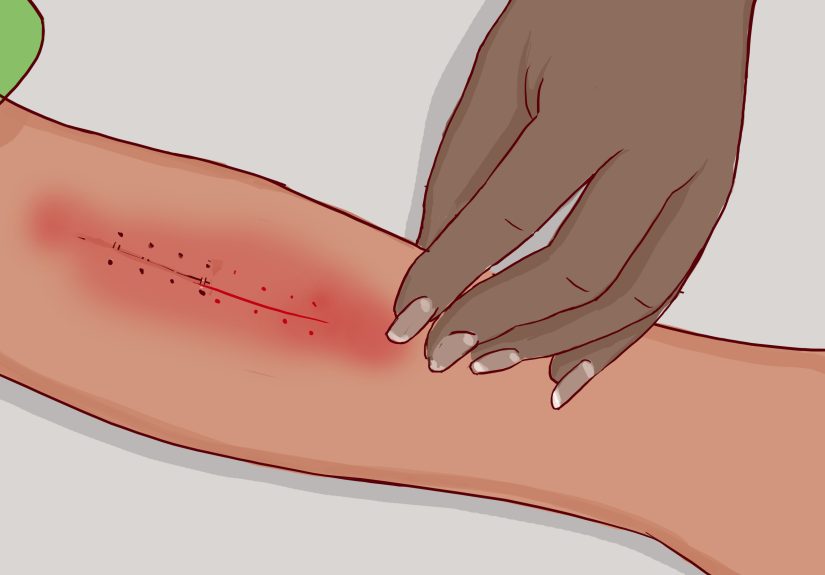
A sterile staple remover is usedthis is a specific medical tool designed to lift staples out while minimizing skin trauma.
You may feel a quick tug or pinch with each staple. Most people are surprised by how fast it goes.
Step 6: Staples Come OutSometimes Every Other One First
If your incision is long or under tension, clinicians may remove every other staple first to confirm the skin stays closed,
then remove the rest. This staged approach helps protect healing tissue while still moving recovery forward.
Step 7: Support the Incision After Removal (Hello, Steri-Strips)
After staples are removed, the clinician may apply Steri-Strips (thin adhesive strips) to support the incision.
Think of them as “training wheels” for your skin while it keeps building strength. A light dressing may be added if needed.
Step 8: Get Your Aftercare Instructions (And Actually Follow Them)
You’ll get incision care guidance: cleaning, bathing, activity limits, and what warning signs to watch for. This is also the moment to ask:
“What’s normal swelling?” “Can I use ointment?” “When can I lift/exercise?” Don’t leave with mystery.
What Does Staple Removal Feel Like?
Most people describe staple removal as more weird than painful: quick pinches, small tugs, occasional tenderness.
If an area is extra sensitive, tell your clinicianthey can pause, adjust, or offer options. If you feel sharp pain, speak up immediately.
Incision Care After Staples Are Removed
Keep it clean, keep it calm
Follow your surgeon’s instructions first. In many cases, gentle washing with mild soap and water is allowed, and you pat the area dry (no scrubbing like you’re polishing a trophy).
Avoid soaking the incision in baths, pools, or hot tubs until your clinician clears it.
Don’t pick at Steri-Strips
If Steri-Strips are applied, don’t tug, peel, or “help” them along. Let them fall off naturally unless your clinician gives you a specific removal date.
They’re providing tension supportand your incision is not a zipper that needs “testing.”
When to Call Your Doctor (Red Flags You Shouldn’t Ignore)
Contact your surgical team promptly if you notice increasing redness, warmth, swelling, worsening pain, pus or cloudy drainage, a bad smell,
fever/chills, or the wound edges separating. If something feels “off,” it’s better to call early than to tough it out and regret it.
FAQ: Quick Answers to Common Staple Questions
Can I remove surgical staples myself at home?
No. Staple removal should be done by a licensed medical professional who can assess healing, remove staples safely, and support the incision afterward.
What if a staple looks “embedded” or the skin grew over it?
Don’t dig at it. Call your clinic. This is exactly the kind of situation that benefits from proper tools and trained hands.
Will I have a scar?
Most incisions leave some scarring, but good aftercare helps: keep it clean, avoid sun exposure early, don’t pick scabs, and follow activity restrictions.
Ask your clinician when it’s appropriate to use silicone gel/sheets or scar care products.
Wrap-Up
Staple removal is usually quick, often easier than people expect, and safest when done by a professional who can confirm your incision is ready.
Focus on the basics: show up on schedule, keep your incision clean, avoid soaking, and watch for infection signs.
Healing is a processyour job is to not sabotage it with “I watched a video once” confidence.
Real-World Experiences: What People Commonly Notice (Extra 500+ Words)
If you’re anxious about staple removal, you’re in very good company. A lot of people walk into the clinic thinking it’s going to feel like removing a zipper made of pain.
In reality, the most common reaction afterward is: “Wait… that’s it?” Here are experiences patients commonly report, so you know what’s normaland what’s not.
The “tug-and-done” sensation: Many people feel a brief tug, pinch, or pulling sensation with each staple. It can be oddly specificlike a tiny snap of pressure
but it usually disappears immediately. Some areas feel more tender than others, especially if the skin is tight (think knees, hips, abdomen) or if the incision is near a spot that moves a lot.
If you’re worried, ask your clinician whether taking an approved pain reliever beforehand is appropriate for you.
The sound effects: This is not talked about enough. The staple remover can make little clicking sounds, and some people find that more startling than the sensation itself.
If you’re squeamish, it’s completely okay to look away, focus on breathing, or even put on headphones. Your incision won’t be offended by your coping strategies.
“Instant relief” from the tightness: Staples can feel itchy or tight as healing progresses. A common post-removal comment is that the area feels less “pull-y”
when they move. That said, the skin can still be tender for a few hours afterward. Mild redness where each staple sat can happen, and a tiny dot of blood isn’t unusual.
What you don’t want is increasing redness spreading outward, thick drainage, or heat that gets worse over time.
Steri-Strips: the clingy friend who means well: When Steri-Strips go on, many people wonder whether they should keep them pristine and dry like a museum exhibit.
In practice, clinics often allow gentle showering with them in placethen you pat them dry. The biggest “experience-based” mistake people report is peeling them early because they look messy.
Resist the urge. Let them loosen and fall off naturally unless you’re told otherwise.
The emotional whiplash: Staple removal is one of those milestones that makes recovery feel real. People often feel a mix of relief (“I’m progressing!”),
vulnerability (“Now it’s just… skin holding this together?”), and impatience (“Okay, can I work out now?”). That last one is where folks get in trouble.
The incision may look closed, but tissue strength rebuilds gradually. Your clinician’s activity restrictions aren’t a vibethey’re a safety plan.
The best tip patients repeat: Show up with questions written down. In the moment, it’s easy to forget what you meant to ask.
Common winners include: “When can I submerge it?” “How long should I keep the Steri-Strips?” “What should the scar look like at two weeks?” and
“What symptoms mean I should call you the same day?” Leaving the clinic with clarity is the ultimate comfort item.