Table of Contents >> Show >> Hide
- What “Tender Perfection” Actually Means
- The Foolproof Roasting Formula
- Step-by-Step: Roast Vegetables Like You Mean It
- Roasting Time & Temperature Guide
- How to Roast Mixed Vegetables Without Overcooking Half of Them
- Texture Upgrades: Make Roasted Vegetables Extra Tender (and Still Brown)
- Common Mistakes (and How to Fix Them Fast)
- Seasoning Ideas That Taste Like You Tried Really Hard (Even If You Didn’t)
- Make It a Meal: Easy Ways to Use Roasted Vegetables
- Storage and Reheating (So Leftovers Don’t Turn Sad)
- Real-World Roasting Notes: “Experience” Tips That Save Dinner (About )
- Conclusion: Your “Tender Every Time” Checklist
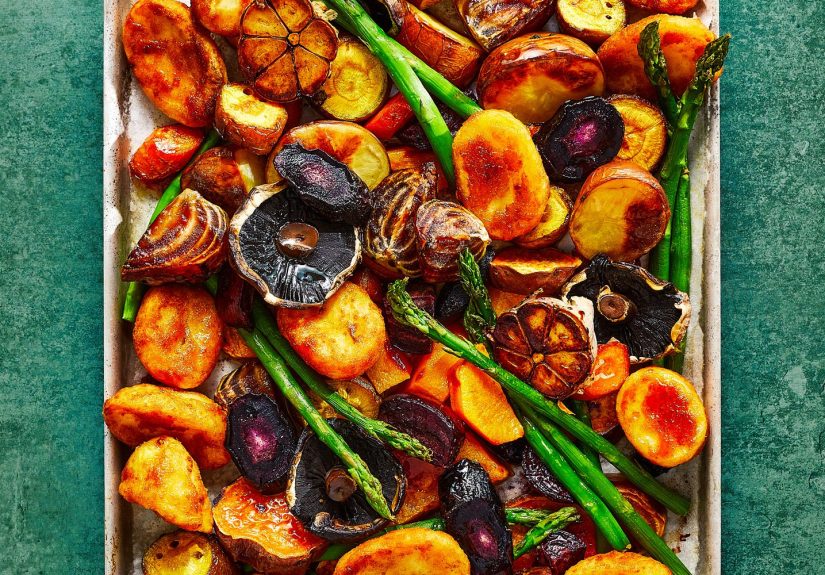
If vegetables had a glow-up montage, roasting would be the dramatic slow-motion scene where they step out of the oven caramelized, bronzed, and suspiciously irresistible. Roasting turns “meh” produce into tender-inside, crisp-at-the-edges bites that disappear faster than your phone battery on a road trip.
The best part: perfectly roasted vegetables aren’t a culinary personality trait. They’re a repeatable method. Once you understand why roasted veggies sometimes come out pale and soggy (spoiler: they’re steaming), you can fix it every timewhether you’re roasting broccoli for a weeknight dinner or going full sheet-pan hero with a rainbow of roots.
What “Tender Perfection” Actually Means
“Tender perfection” is that sweet spot where vegetables are cooked through (no raw crunch in the middle) and have real browning on the outside (not just warmed-up sadness). Two things drive this:
- Moisture control: Water is the enemy of browning. Too much moisture = steam city.
- High, steady heat: Enough heat to evaporate surface moisture and trigger browning and caramelization.
The Foolproof Roasting Formula
Memorize this, and you can roast basically anything that once grew in soil and now lives in your crisper drawer:
- Hot oven: 425°F is the workhorse temperature for most vegetables.
- Dry veg: Pat them dry if they’re wet (especially mushrooms, zucchini, and washed greens).
- Right cut: Uniform size = even doneness.
- Enough oil: Light, even coatingthink glossy, not swimming.
- Space: Single layer, with breathing room. Crowding causes steaming.
- Time + toss: Roast until browned and tender; flip once for even color.
- Finish smart: Add acids, herbs, cheeses, and delicate flavors after roasting.
Step-by-Step: Roast Vegetables Like You Mean It
1) Preheat Like It Matters (Because It Does)
Give your oven time to actually reach temperatureespecially if you want browning. For most batches, set the oven to 425°F. If your goal is extra color and crisp edges (and your smoke alarm isn’t overly dramatic), you can push to 450°F for many vegetables.
Pro move: For deeper browning, preheat the sheet pan in the oven while it heats. When the veggies hit a hot pan, you get a head start on caramelization.
2) Choose the Right Pan (Your Pan Has a Personality)
A heavy, rimmed sheet pan is your best friend. Thin pans warp, hot spots happen, and suddenly your carrots are doing interpretive dance in a puddle of oil.
- Best: sturdy aluminum sheet pan with a rim
- Nice to have: two pans for big batches (crowding is a crime against crispiness)
3) Cut Size Is Your Secret Timer
Roasting time depends less on the vegetable’s feelings and more on how thick you cut it. Aim for consistent pieces so everything finishes together.
- Root vegetables (carrots, potatoes, beets): 3/4″ to 1″ chunks
- Crucifers (broccoli, cauliflower, Brussels sprouts): bite-size florets; sprouts halved
- Watery veg (zucchini, mushrooms, eggplant): larger chunks so they don’t collapse into mush
4) Oil + Seasoning: The “Glossy Coat” Rule
Oil helps conduct heat and supports browning. A good starting point is about 1 tablespoon oil per pound of vegetables, then adjust based on surface area (broccoli needs a bit more than big potato chunks).
Season simply at first:
- Salt (essential)
- Black pepper
- Optional: garlic powder, smoked paprika, cumin, or chili flakes
Flavor timing tip: Add delicate things (fresh herbs, lemon juice, balsamic, honey, grated Parmesan) after roasting so they don’t burn.
5) Spread Out or Steam Out
Roasting requires airflow and exposed surface. If pieces overlap, moisture gets trapped, and your vegetables steam instead of roast. That’s how you end up with pale zucchini and “why is this wet?” mushrooms.
Give veggies a little spacethink “single layer with elbow room.” If you have a lot, use two pans and rotate halfway.
6) Roast, Toss Once, and Trust Your Eyes
Roast until the vegetables have:
- Color: browned edges, not just “heated beige”
- Tenderness: a fork slides in with little resistance
- Smell: sweet, nutty, roasted aroma (not burnt, not raw)
Toss or flip once halfway through for even browning. Rotate the pan if your oven has hot spots.
Roasting Time & Temperature Guide
Use this as a starting point. Your oven, pan, and cut size will shift things by a few minutesso treat times as guidelines, not courtroom testimony.
| Vegetable Type | Typical Temp | Typical Time | Best Cut |
|---|---|---|---|
| Root veggies (carrots, potatoes, beets) | 425°F | 30–45 min | 3/4″–1″ chunks |
| Winter squash (butternut, acorn) | 425°F | 25–40 min | 1″ cubes |
| Crucifers (broccoli, cauliflower, sprouts) | 425–450°F | 15–25 min | Florets / halved sprouts |
| Tender veg (asparagus, green beans) | 425°F | 10–18 min | Whole / trimmed |
| Watery veg (zucchini, eggplant, mushrooms) | 450°F | 12–22 min | Larger chunks |
| Onions & peppers | 425°F | 20–30 min | Thick strips |
How to Roast Mixed Vegetables Without Overcooking Half of Them
Mixed pans are convenientbut vegetables don’t all cook at the same speed. The solution is simple: group and stagger.
Option A: Group by Cook Time
Put slower vegetables on one side of the pan and faster ones on the other, then stir each group separately.
- Slow: potatoes, carrots, beets, winter squash
- Medium: onions, peppers, broccoli, cauliflower
- Fast: asparagus, green beans, thin mushrooms
Option B: Start the Dense Veg First
Roast roots for 10–15 minutes first, then add quicker veggies to the same pan. This is especially helpful for a “clean-out-the-fridge” sheet-pan situation.
Texture Upgrades: Make Roasted Vegetables Extra Tender (and Still Brown)
Use Steam-Roasting for Stubborn Veg
Some vegetables (like dense roots or cabbage wedges) benefit from a brief covered phase (foil or a lid) to soften, then an uncovered phase to brown. You’re basically giving them a warm-up lap before the sprint.
Try Par-Cooking When You Need Speed
If you’re short on time, par-cook dense vegetables before roasting:
- Microwave: a quick zap softens the interior fast
- Blanch: especially good for broccoli or green beans if you want ultra-tender interiors
Go Cut-Side Down for Better Browning
Flat surfaces brown better. Halved sprouts, wedges of fennel, sliced carrotsplace the cut side against the pan for maximum caramelization.
Common Mistakes (and How to Fix Them Fast)
Mistake: “My vegetables are soggy.”
- Cause: overcrowding or wet vegetables
- Fix: use two pans, pat dry, roast hotter (425–450°F)
Mistake: “They’re tender but pale.”
- Cause: oven too cool, pan lined heavily, or not enough oil
- Fix: increase temp, preheat pan, ensure a light oil coating
Mistake: “Burnt edges, raw centers.”
- Cause: pieces too large or uneven, or temp too high for that cut
- Fix: cut uniformly, lower to 400–425°F, roast longer
Mistake: “Everything sticks.”
- Cause: not enough oil or pan quality
- Fix: slightly more oil; use a sturdy pan; let veggies release naturally before flipping
Seasoning Ideas That Taste Like You Tried Really Hard (Even If You Didn’t)
Roasted vegetables love a good finishing touch. Add these after roasting for big flavor without burnt disappointment:
Bright & Fresh
- Lemon zest + lemon juice + chopped parsley
- Red wine vinegar + oregano
- Scallions + lime + a pinch of flaky salt
Cozy & Savory
- Parmesan + black pepper
- Garlic butter drizzle
- Smoked paprika + cumin + a little honey
Restaurant-Style “Saucy” Finishes
- Tahini + lemon + water + salt (instant creamy drizzle)
- Balsamic reduction + olive oil
- Greek yogurt + grated garlic + dill
Make It a Meal: Easy Ways to Use Roasted Vegetables
- Grain bowls: toss with quinoa or rice, add a protein, finish with sauce
- Pasta: stir into hot pasta with olive oil, garlic, and Parmesan
- Tacos: roasted cauliflower + cumin + lime + a creamy sauce
- Salads: warm roasted veg over greens with a sharp vinaigrette
- Breakfast: top with a fried egg and call it “brunch”
Storage and Reheating (So Leftovers Don’t Turn Sad)
Roasted vegetables store well, but reheating matters.
- Fridge: cool completely, store in an airtight container for 3–5 days
- Best reheat: oven or toaster oven at 425–450°F for 5–10 minutes
- Air fryer / convection: great for restoring crisp edges
- Microwave: fastest, but softens edgesuse when speed wins
Real-World Roasting Notes: “Experience” Tips That Save Dinner (About )
In real kitchens, roasting vegetables is rarely a calm, cinematic experience. It’s more like: you’re hungry, the sink is full, and you’re negotiating with a sweet potato that refuses to cook at the same pace as your broccoli. Here are some lived-in, practical “this happens all the time” lessons that make roasting dependable.
The overcrowding trap is sneaky. You start with a reasonable amount of vegetables. Then you find half a bell pepper, a lonely onion, and a handful of mushrooms that look like they’re one day away from starting a new life elsewhere. You toss them all on one panbecause you’re efficient!and 25 minutes later, everything is strangely wet. That’s steaming. The fix is boring but magical: use a second pan or roast in batches. The payoff is instant: better browning, better flavor, better texture.
Watery vegetables need different treatment. Zucchini and mushrooms can roast beautifully, but they demand space and higher heat. When they’re crowded, they leak moisture and turn your sheet pan into a shallow soup situation. Cutting them a little larger, patting them dry, and roasting at 450°F helps water evaporate faster so the outside actually browns. If you’re mixing vegetables, keep watery ones grouped so you can pull them early if they’re done.
Preheating the pan feels extra… until you try it. A hot pan gives vegetables a head start, especially for things like Brussels sprouts (cut-side down!) and cauliflower florets. It’s the difference between “lightly cooked” and “golden with crisp edges.” If you’ve ever wondered why restaurant roasted veggies have better color, this is one of the quiet secrets.
Cut size is the invisible timer. If your carrots are thick chunks and your broccoli is tiny florets, you’re basically asking the oven to solve a scheduling conflict. A simple approach: cut everything to a similar thickness, or start the dense vegetables first. On busy nights, roasting potatoes and carrots for 15 minutes before adding broccoli and peppers saves you from choosing between burned broccoli and crunchy potato cores.
Finishes matter more than you think. Roasted vegetables can taste “flat” if they don’t get a finishing touch. A squeeze of lemon, a sprinkle of Parmesan, a drizzle of tahini sauce, or even a spoon of pesto turns them from “side dish” to “why did I not make more?” Add these after roasting so flavors stay bright and don’t scorch in the oven.
Finally, trust your senses over the clock. Ovens vary. Sheet pans vary. Even the same vegetable varies (a big, dense sweet potato laughs at your timeline). Use time ranges, but pull veggies when they look browned and feel tender. Roasting becomes consistent when you stop chasing an exact minute and start chasing the right color and texture.
Conclusion: Your “Tender Every Time” Checklist
If you remember nothing else, remember this: hot oven, dry veg, enough space. Add uniform cuts, a glossy oil coat, and a smart finish, and you’ll get tender roasted vegetables with caramelized edges every timewhether you’re making a simple side or building a whole sheet-pan dinner.