Table of Contents >> Show >> Hide
- Why Steam Brussels Sprouts?
- Ingredients You Need
- How to Prep Brussels Sprouts for Steaming
- Method 1: How to Steam Brussels Sprouts in a Steamer Basket
- Method 2: How to Steam Brussels Sprouts Without a Steamer Basket
- Method 3: How to Steam Brussels Sprouts in the Microwave
- How Long to Steam Brussels Sprouts
- How to Season Steamed Brussels Sprouts
- Common Mistakes to Avoid
- What to Serve with Steamed Brussels Sprouts
- Can You Steam Brussels Sprouts Ahead of Time?
- How to Store Fresh Brussels Sprouts
- Frequently Asked Questions
- My Practical Experience with Steaming Brussels Sprouts
- Conclusion
- SEO Tags
Note: This article is written for web publication in standard American English and is based on widely accepted cooking, storage, and nutrition guidance from reputable U.S. food, health, and recipe sources.
Brussels sprouts have had quite the glow-up. Once treated like tiny green punishment balls at holiday dinners, they are now roasted, shaved into salads, crisped in skillets, tossed with bacon, glazed with balsamic, and generally given the celebrity treatment. But today, we are going back to one of the fastest, cleanest, and most underrated ways to cook them: steaming.
Learning how to steam Brussels sprouts is a small kitchen skill with big dinner-saving energy. Steaming is quick, does not require much oil, keeps the sprouts bright green, and gives you a tender vegetable side dish in about 5 to 10 minutes, depending on the size of your sprouts and the method you choose. Best of all, steamed Brussels sprouts are basically a blank canvas. Add butter and salt for a classic side, lemon and garlic for freshness, Parmesan for savory charm, or a drizzle of balsamic for a little sweet-tangy drama.
This guide explains how to steam Brussels sprouts three ways: in a steamer basket on the stovetop, in a skillet without a basket, and in the microwave. You will also get prep tips, timing advice, flavor ideas, troubleshooting help, and real-life experience notes for making Brussels sprouts that taste fresh, tender, and pleasantly nuttynot mushy, gray, or suspiciously cafeteria-like.
Why Steam Brussels Sprouts?
Roasted Brussels sprouts get most of the applause because browning equals flavor. Fair enough. But steaming deserves a seat at the table, especially when speed matters. Steamed Brussels sprouts are ready faster than roasted ones, require fewer dishes, and work beautifully as a weeknight vegetable side dish.
Steaming also helps avoid the watery texture that can happen when Brussels sprouts are boiled for too long. Instead of submerging the sprouts, steam surrounds them with moist heat. This softens the dense little cores while helping preserve their bright green color and natural cabbage-family sweetness. The goal is crisp-tender Brussels sprouts: soft enough to pierce with a fork but firm enough to hold their shape.
From a nutrition perspective, Brussels sprouts bring a lot to the plate. They are a cruciferous vegetable related to cabbage, broccoli, kale, and cauliflower. They contain fiber, vitamin C, vitamin K, antioxidants, and plant compounds that make them a smart addition to a balanced diet. In plain dinner language: they are small, green, and more impressive than they look.
Ingredients You Need
You do not need a complicated ingredient list to make excellent steamed Brussels sprouts. Start simple, then build flavor after cooking.
- 1 pound fresh Brussels sprouts: Choose firm, compact sprouts with bright green leaves.
- Water: Needed to create steam. The amount depends on the cooking method.
- Kosher salt: For seasoning the sprouts after cooking, or lightly before steaming.
- Black pepper: Freshly ground pepper adds a gentle bite.
- Butter or olive oil: Optional, but highly recommended unless you enjoy vegetables with the personality of wet cardboard.
- Lemon juice, garlic, Parmesan, herbs, balsamic vinegar, or red pepper flakes: Optional flavor boosters.
How to Prep Brussels Sprouts for Steaming
Good steamed Brussels sprouts begin before the pan even hits the stove. A little prep makes the difference between evenly cooked sprouts and a bowl where some are crunchy in the middle while others have emotionally given up.
1. Trim the Stem Ends
Use a small sharp knife to slice off the dry, woody end of each sprout. Do not cut too much. If you remove too much of the stem, the leaves may fall apart during cooking. Think “neaten,” not “demolish.”
2. Remove Loose or Yellow Leaves
Peel away any damaged, yellow, or wilted outer leaves. A few loose leaves are normal, especially after trimming. You can save fresh-looking loose leaves and steam them too, but they will cook faster than whole or halved sprouts.
3. Rinse and Dry
Rinse the sprouts under cool running water. Pat them dry if you plan to toss them with butter, oil, or dressing after steaming. Excess water can dilute seasoning.
4. Cut for Even Cooking
For most steaming methods, cut medium and large Brussels sprouts in half from stem to top. Leave tiny sprouts whole if they are about the size of a large grape. If your sprouts are very large, quarter them. Similar sizes cook at the same pace, which means fewer surprises at dinner.
Method 1: How to Steam Brussels Sprouts in a Steamer Basket
The steamer basket method is the classic approach. It is reliable, easy to control, and ideal if you want beautifully cooked Brussels sprouts with minimal fuss.
Step-by-Step Instructions
- Pour about 1 inch of water into a saucepan or pot. The water should sit below the steamer basket, not touch the sprouts.
- Place the steamer basket inside the pot and bring the water to a boil over medium-high heat.
- Add the trimmed and halved Brussels sprouts to the basket.
- Cover the pot with a tight-fitting lid.
- Steam for 5 to 8 minutes, depending on size. Small halved sprouts may be done in about 5 minutes; larger ones may need closer to 8 minutes.
- Test with a fork or paring knife. The sprouts should be tender but not collapsing.
- Transfer to a bowl and season immediately with butter or olive oil, salt, pepper, and any extras you like.
Best For
This method is best when you want consistent results and have a steamer basket handy. It works especially well for family dinners, holiday side dishes, and meal prep because you can cook a full pound of Brussels sprouts at once.
Timing Tip
Start checking early. Brussels sprouts can go from perfect to overdone faster than someone says, “Wait, are these supposed to smell like that?” Bright green is your friend. Dull olive green usually means they have cooked too long.
Method 2: How to Steam Brussels Sprouts Without a Steamer Basket
No steamer basket? No problem. You can steam Brussels sprouts in a skillet or sauté pan using a small amount of water and a lid. This is technically a steam-simmer method, but it works beautifully when done carefully.
Step-by-Step Instructions
- Place trimmed and halved Brussels sprouts in a large skillet in a single layer if possible.
- Add about 1/4 cup water. For a larger skillet or more sprouts, use up to 1/3 cup.
- Sprinkle lightly with salt.
- Cover the skillet with a lid and place it over medium-high heat.
- Cook for 5 to 7 minutes, shaking the pan once or twice.
- Remove the lid carefully, letting steam escape away from your face.
- If water remains, let it cook off for 30 to 60 seconds.
- Add butter, olive oil, garlic, lemon juice, or seasoning and toss to coat.
Best For
This method is perfect for busy nights when you want one-pan vegetables and do not feel like digging through a cabinet for the steamer basket that somehow migrated behind the blender. It also lets you finish the sprouts in the same pan with butter, garlic, or a quick glaze.
Flavor Upgrade
After the water evaporates, add 1 tablespoon olive oil or butter and let the cut sides of the sprouts sit against the hot pan for 1 to 2 minutes. You will get a light golden edge while keeping the interior tender. It is not full roasting, but it gives the sprouts a little caramelized charm.
Method 3: How to Steam Brussels Sprouts in the Microwave
Microwave steamed Brussels sprouts are the fastest option. This method is practical, low-mess, and surprisingly good when you avoid overcooking. It is also great when your stovetop is full during a holiday meal or when you are making lunch and want vegetables without starting a kitchen production.
Step-by-Step Instructions
- Place trimmed and halved Brussels sprouts in a microwave-safe bowl.
- Add 2 to 3 tablespoons of water for about 1 pound of sprouts.
- Cover with a microwave-safe lid or plate, leaving a small vent if needed.
- Microwave on high for 4 to 6 minutes.
- Let the bowl stand for 1 minute before uncovering.
- Carefully remove the cover. Steam is hot and very rude when it hits your hand.
- Drain any excess water and season while warm.
Best For
The microwave method is best for quick meals, small kitchens, office lunches, or anyone who wants a healthy side dish in minutes. It is also useful if you want to partially cook Brussels sprouts before smashing, sautéing, or finishing them in another dish.
Microwave Timing Tip
Microwave power varies. Start with 4 minutes, check the sprouts, and add 30-second bursts as needed. Overcooked microwave sprouts can become soft and strong-smelling, so do not wander away and reorganize your spice drawer.
How Long to Steam Brussels Sprouts
Steaming time depends on size, freshness, and how tender you like your vegetables. Use this guide as a starting point:
- Small halved sprouts: 4 to 5 minutes
- Medium halved sprouts: 5 to 7 minutes
- Large halved sprouts: 7 to 9 minutes
- Whole small sprouts: 7 to 10 minutes
- Whole large sprouts: 10 to 12 minutes, though halving is usually better
- Microwave halved sprouts: 4 to 6 minutes
The best test is texture. A fork should slide into the core with slight resistance. If the sprout feels hard in the center, cook a little longer. If it collapses when you touch it, it has crossed into mushy territory. We honor its sacrifice and move on.
How to Season Steamed Brussels Sprouts
Steamed Brussels sprouts are mild and nutty, which means seasoning matters. Salt alone helps, but a few simple ingredients can make them taste restaurant-worthy without much work.
Classic Butter and Pepper
Toss hot steamed Brussels sprouts with 1 to 2 tablespoons butter, kosher salt, and black pepper. This is simple, cozy, and dependable. Add a pinch of nutmeg if serving with roasted chicken, turkey, or pork.
Lemon Garlic Brussels Sprouts
Whisk together olive oil, lemon juice, minced garlic, salt, and pepper. Toss with the warm sprouts. The lemon brightens the flavor and helps balance the natural cabbage-like notes.
Parmesan and Olive Oil
Drizzle the sprouts with olive oil and sprinkle with grated Parmesan. Add lemon zest for extra freshness. This version pairs well with pasta, chicken cutlets, salmon, or grain bowls.
Balsamic Glaze
Add a small drizzle of balsamic vinegar or balsamic glaze after steaming. Use a light hand because the flavor is bold. A few toasted walnuts or pecans make this version feel special.
Spicy Red Pepper Flake
Toss with olive oil, red pepper flakes, garlic powder, and a squeeze of lemon. This is a great option for people who claim they “do not like Brussels sprouts” but actually just need more flavor in their lives.
Common Mistakes to Avoid
Overcooking the Sprouts
This is the big one. Overcooked Brussels sprouts become mushy, dull, and stronger-smelling. Keep the steaming time short and check early. When in doubt, slightly undercooked is better than overcooked because the sprouts continue softening from residual heat.
Using Too Much Water
For steaming, you only need enough water to create steam. If the sprouts sit directly in a large amount of water, you are closer to boiling than steaming. That can lead to watery flavor and texture.
Skipping the Salt
Brussels sprouts need seasoning. Even a small amount of salt can make them taste sweeter and more balanced. Add salt after steaming if you want better control.
Cooking Different Sizes Together
If some sprouts are tiny and others look like miniature cabbages from a fairy-tale farm, cut the large ones smaller. Even sizing helps everything finish at the same time.
Serving Them Plain and Expecting Applause
Steamed vegetables can be delicious, but they need a finishing touch. Butter, olive oil, lemon, herbs, cheese, vinegar, or toasted nuts can turn a basic bowl of sprouts into something people actually reach for twice.
What to Serve with Steamed Brussels Sprouts
Steamed Brussels sprouts are flexible enough for casual dinners and holiday spreads. Their earthy flavor pairs especially well with rich, savory, and tangy foods.
- Roast chicken: Add lemon garlic sprouts on the side for a bright, balanced meal.
- Turkey or ham: Classic buttered Brussels sprouts are excellent for Thanksgiving, Christmas, or Sunday dinner.
- Salmon: Pair with olive oil, lemon, and dill for a lighter plate.
- Pasta: Toss steamed sprouts into creamy pasta, pesto pasta, or garlic butter noodles.
- Grain bowls: Add sprouts to quinoa, farro, brown rice, or couscous with chickpeas and vinaigrette.
- Egg dishes: Serve leftovers with scrambled eggs, omelets, or breakfast hash.
Can You Steam Brussels Sprouts Ahead of Time?
Yes, but for the best texture, slightly undercook them if you plan to reheat later. Steam until just barely tender, cool quickly, and store in an airtight container in the refrigerator. Reheat in a skillet with a small pat of butter or splash of water until warmed through.
Cooked Brussels sprouts are best eaten within 3 to 4 days. For meal prep, keep the seasoning simple at first. Add lemon juice, cheese, nuts, or herbs right before serving so the flavors stay fresh.
How to Store Fresh Brussels Sprouts
Store fresh Brussels sprouts unwashed in a bag or container in the refrigerator. Keep them in the crisper drawer if possible. Do not trim or halve them until you are ready to cook because cut sprouts lose freshness faster. Look for firm heads and avoid sprouts with black spots, heavy yellowing, or a sour smell.
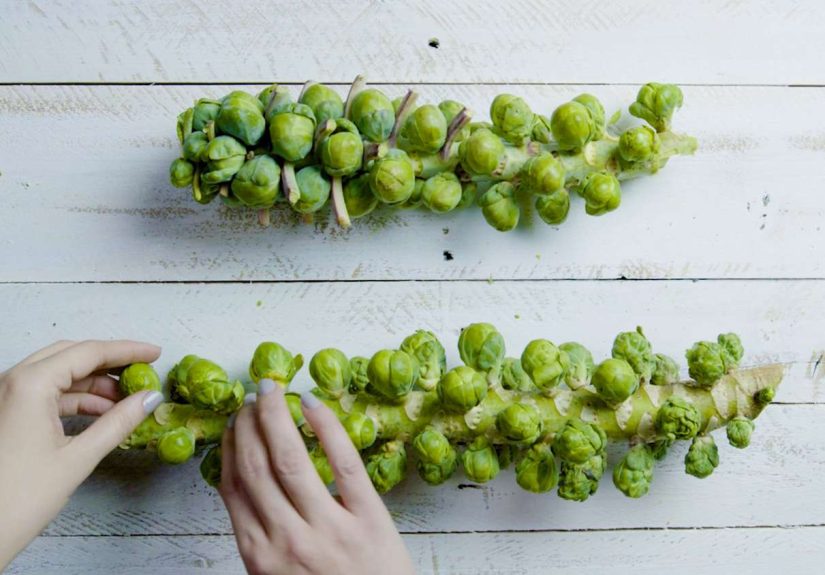
If you buy Brussels sprouts on the stalk, they can last longer than loose sprouts. Simply snap or cut them off as needed. They also look impressive in the kitchen, like a vegetable wizard staff.
Frequently Asked Questions
Should Brussels sprouts be steamed whole or cut in half?
Halving is usually best because it helps the sprouts cook faster and more evenly. Small sprouts can be steamed whole, but medium and large ones benefit from being cut through the stem.
How do you keep steamed Brussels sprouts from smelling bad?
Do not overcook them. Strong sulfur-like smells develop when cruciferous vegetables cook too long. Steam just until tender and season with lemon, garlic, herbs, or vinegar for a fresher aroma.
Are steamed Brussels sprouts healthy?
Yes. Brussels sprouts are naturally low in calories and provide fiber, vitamin C, vitamin K, and beneficial plant compounds. Steaming is a simple cooking method that does not require much added fat.
Can you steam frozen Brussels sprouts?
Yes, though the texture is usually softer than fresh. Steam frozen Brussels sprouts straight from frozen until heated through and tender, then drain well and season boldly. For better flavor, finish them in a skillet with butter or olive oil after steaming.
Why are my Brussels sprouts bitter?
Some bitterness is natural, but overcooking can make it worse. Balance bitterness with salt, fat, acid, and a little sweetness. Try olive oil, lemon juice, Parmesan, balsamic glaze, maple syrup, or toasted nuts.
My Practical Experience with Steaming Brussels Sprouts
The first time I truly appreciated steamed Brussels sprouts, I was not trying to create a masterpiece. I was trying to get dinner on the table before everyone in the house started eating crackers directly from the box. The oven was busy, the stovetop was crowded, and the Brussels sprouts were sitting on the counter looking like they had no faith in me whatsoever. So I trimmed them, halved them, tossed them into a steamer basket, and hoped for the best.
What surprised me was how fast they cooked. In about six minutes, they were bright green, tender in the center, and still firm enough to feel fresh. I tossed them with butter, salt, black pepper, and lemon juice. That was it. No bacon, no cheese, no heroic culinary soundtrack. They disappeared faster than the roasted version I usually made. That taught me an important lesson: Brussels sprouts do not always need to be crispy to be good. Sometimes they just need to be cooked properly and seasoned while hot.
Over time, I started testing the three steaming methods in everyday situations. The steamer basket became my favorite when cooking for four or more people because it gave the most even results. The skillet method became my weeknight shortcut because I could steam and season in the same pan. The microwave method became the emergency vegetable button. It is not glamorous, but neither is being hungry at 8:30 p.m. with dishes in the sink and zero desire to preheat anything.
One of the biggest experience-based tips is to cut the sprouts evenly. This sounds obvious until you are in a hurry and throw whole tiny sprouts in with giant halved ones. The tiny ones finish early, the big ones stay crunchy, and suddenly your side dish has trust issues. When sprouts are close in size, cooking becomes much easier. For large Brussels sprouts, quartering them can be the difference between tender and stubborn.
Another lesson: seasoning after steaming works better than trying to flavor the water. A little salt in the cooking process is fine, but most of the flavor should come after the sprouts are hot and drained. Warm sprouts absorb butter, olive oil, lemon, garlic, and vinaigrette beautifully. Cold seasoning on cold sprouts tastes flat, but seasoning while they are steaming hot makes everything cling and bloom.
I also learned that steamed Brussels sprouts are a smart base for leftovers. If you steam a pound on Sunday, you can use them in several ways during the week. Slice them into a breakfast hash, add them to a lunch grain bowl, toss them with pasta, or reheat them in a skillet until the cut sides brown lightly. That last trick is my favorite because it gives you the speed of steaming and a little of the flavor of sautéing.
For people who are unsure about Brussels sprouts, I recommend starting with the skillet steam method and finishing with butter, lemon juice, and Parmesan. The skillet gives you control, the butter softens the flavor, the lemon adds brightness, and the Parmesan brings salty depth. It is the “please give Brussels sprouts another chance” version. If the vegetable had a public relations team, this would be the campaign.
The final experience note is simple: do not chase perfection. Brussels sprouts vary by season, size, freshness, and personal taste. Some people like them barely tender; others prefer them softer. Start checking early, taste one, and adjust. Cooking is not a courtroom. You are allowed to add more butter. You are allowed to squeeze extra lemon. You are allowed to decide that red pepper flakes make everything better. With a little practice, steamed Brussels sprouts become less of a recipe and more of a reliable kitchen movequick, healthy, flexible, and far more delicious than their childhood reputation suggests.
Conclusion
Knowing how to steam Brussels sprouts three ways gives you a fast, flexible vegetable side dish for almost any meal. Use a steamer basket for classic control, a skillet when you want convenience, or the microwave when time is short and hunger is becoming dramatic. The key is simple: trim well, cut evenly, steam briefly, and season while warm.
Brussels sprouts do not need to be overcomplicated. They need good timing, enough salt, a little fat, and a bright finishing flavor like lemon or vinegar. Once you master the basics, you can serve them plain and buttery, garlicky and bold, cheesy and savory, or lightly glazed for a holiday table. Steamed Brussels sprouts are quick enough for Tuesday night and polished enough for Thanksgiving. That is a pretty impressive résumé for a tiny cabbage.