Table of Contents >> Show >> Hide
- Why washing matters (and why “waiting to see” is a terrible plan)
- How to Wash Off Poison Ivy: 11 Steps
- Step 1: Stop touching everything (including your face)
- Step 2: Carefully remove contaminated clothing
- Step 3: Rinse exposed skin with cool, running water
- Step 4: Wash with a degreasing soap (yes, dish soap counts)
- Step 5: Consider rubbing alcohol (or alcohol wipes) for “field cleanup”
- Step 6: Use a poison ivy cleanser if you have it (optional, not magic)
- Step 7: Clean under your fingernails (this is where urushiol hides)
- Step 8: Shower (don’t soak) and wash strategically
- Step 9: Wash contaminated clothes separately (hot water + detergent)
- Step 10: Decontaminate shoes, tools, and gear
- Step 11: Wash pets that may have brushed the plant (gloves on)
- After washing: what to do if a rash still shows up
- Common mistakes that make poison ivy worse
- Prevention for next time (because nature will try again)
- Real-world experiences: what people learn the hard way (so you don’t have to)
- Conclusion
Poison ivy has one job: to make you regret having hobbies. One innocent brush against a “leaves of three” plant, and suddenly your skin is auditioning for a scratchy sweater commercial.
The good news: the rash isn’t instant. The bad news: the plant oil (called urushiol) is sneaky, sticky, and happy to hitchhike from your skin to your clothes, your tools, your dog, and basically your entire personality.
This guide walks you through how to wash off poison ivy the right wayfast, thorough, and without accidentally spreading urushiol to places you don’t want to name out loud.
(Quick note: this is general education, not medical advice. If you have severe symptoms, facial/genital involvement, trouble breathing, or signs of infection, call a clinician or urgent care.)
Why washing matters (and why “waiting to see” is a terrible plan)
Poison ivy, poison oak, and poison sumac rashes happen when urushiol binds to your skin and triggers an allergic reaction. Washing doesn’t “cure” the reaction once it’s rolling,
but it can remove unbound oil, reduce how much of your skin gets exposed, and prevent re-exposure from contaminated items.
Timing matters. Washing ASAP is best; many experts recommend doing it within 10–30 minutes if you can, but even washing later can still help reduce severity.
Translation: don’t panicjust move.
How to Wash Off Poison Ivy: 11 Steps
These steps are designed to do two things: (1) get urushiol off your skin, and (2) stop it from boomeranging back onto you from clothes, gear, and pets.
If you do nothing else, remember this: oil spreads; soap removes oil.
Step 1: Stop touching everything (including your face)
The moment you suspect poison ivy exposure, freeze your “rub eyes / adjust hat / wipe sweat” instincts. Urushiol transfers easily.
If you touch your forehead, then your phone, then your neck, you’ve just created a rash scavenger hunt.
Step 2: Carefully remove contaminated clothing
Take off gloves, shirts, socks, and anything else that might have brushed the plant. Do it slowly, avoiding contact with your face and other skin.
If you can, turn clothing inside out as you remove it to keep the oily outer surface contained.
Pro tip: if you’re outdoors, stash contaminated items in a plastic bag until you can wash them. Don’t toss them on your bed like they’re “just laundry.” They are not.
Step 3: Rinse exposed skin with cool, running water
Use cool running water first. Running water helps carry oil away. If you only have a sink, rinse the exposed area from top to bottom so you’re not
washing oil onto clean skin.
Avoid soaking in a bath right now. A bath can float oil around like a tiny, miserable oil spill.
Step 4: Wash with a degreasing soap (yes, dish soap counts)
Urushiol is an oil, so you want a cleanser that cuts grease. Regular hand soap is fine; dishwashing liquid is often great because it’s made to break up oils.
Lather gently and thoroughlydon’t scrub like you’re sanding a deck.
Focus on exposed areas: hands, wrists, forearms, ankles, neck, and anywhere your clothes were thin or open. Rinse with plenty of water.
Step 5: Consider rubbing alcohol (or alcohol wipes) for “field cleanup”
If you’re not near a shower, rubbing alcohol or alcohol wipes can help dissolve and lift oils for a quick first pass. Use it, then rinse with cool water, then wash with soap when you can.
Think of alcohol as the emergency broom, not the whole cleaning crew.
Step 6: Use a poison ivy cleanser if you have it (optional, not magic)
Specialty products like Tecnu or Zanfel are marketed to remove urushiol. They can be helpfulespecially when used promptlybut they’re not mandatory.
If you have one, follow label directions and rinse well. If you don’t, soap and water still do real work.
Step 7: Clean under your fingernails (this is where urushiol hides)
Your fingernails are basically tiny storage lockers for oils and dirt. Wash your hands carefully, scrub under nails with a nail brush (or a soft toothbrush),
and rinse thoroughly. If you skip this step, you might “rediscover” poison ivy later while scratchingan experience no one reviews positively.
Step 8: Shower (don’t soak) and wash strategically
Take a shower as soon as possible. Use lukewarm-to-cool water if you can tolerate it, and wash exposed areas first.
Keep it gentle: harsh scrubbing can irritate skin and may spread oil around before it’s rinsed away.
Wash your hair too if you were hiking in brushy areasespecially around the hairline, behind ears, and the back of the neck.
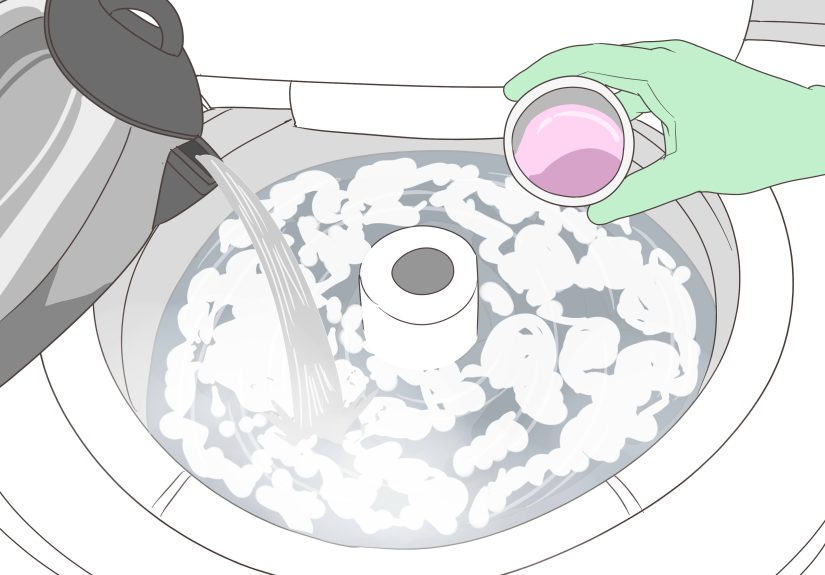
Step 9: Wash contaminated clothes separately (hot water + detergent)
Urushiol can remain active on objects for a long time, so laundering matters. Wash exposed clothes separately using detergent.
Many public-health sources recommend hot water for contaminated clothing (check fabric care labels so you don’t destroy your favorite hiking shirt).
Don’t crowd the washer. Give detergent room to work, and wash anything that touched the plant: pants, socks, cuffs, hats, gloves, and even shoelaces.
Step 10: Decontaminate shoes, tools, and gear
Urushiol loves hard surfaces: boots, trekking poles, gardening tools, coolers, camp chairs, andyesyour phone case.
Wipe gear with soap and water (or rubbing alcohol for some items), rinse, and let dry.
Specific examples:
- Boots/shoes: wash uppers, soles, and laces; don’t forget the tongue and ankle collar.
- Tools: wash handles and grips; wear disposable gloves while cleaning if you suspect heavy contamination.
- Car interior: if you drove home sweaty and exposed, wipe the steering wheel, gear shift, door handles, and seat belt.
Step 11: Wash pets that may have brushed the plant (gloves on)
Most pets don’t react the way humans do, but urushiol can cling to fur and transfer to you later.
Bathe pets with pet shampoo and water while wearing rubber gloves (dishwashing gloves work), then wash your own hands again.
Pay attention to legs, belly fur, and tailaka the parts that love charging through brush.
After washing: what to do if a rash still shows up
Even with perfect washing, you can still develop a poison ivy rash. Sometimes the oil had already bonded; sometimes you missed a spot; sometimes your immune system is simply dramatic.
Here’s how to handle the aftermath.
Know what’s normal
- Delay is common: the rash may appear hours to days after exposure.
- It can look like it’s “spreading”: often this is delayed reaction in different areas or repeated exposure from contaminated items.
- Blister fluid isn’t the culprit: the rash itself isn’t contagious; oil is.
Simple itch control (OTC options)
- Cool compresses for itchy spots.
- Calamine for oozing areas and itch relief.
- 1% hydrocortisone for mild inflammation (avoid face unless a clinician okays it).
- Oral antihistamines may help with sleep if itching is keeping you up (follow labels and be mindful of drowsiness).
- Oatmeal baths can calm widespread itchonce you’re sure you’ve washed off any oil.
When to call a clinician (don’t tough-guy this)
Seek medical care if you have any of the following:
- Rash on the face, eyes, lips, or genitals
- Severe swelling, widespread rash, or intense blistering
- Signs of infection (increasing redness, warmth, pus, fever)
- Trouble breathing or exposure to smoke from burning poison ivy/oak/sumac
- Rash not improving after about a week, or getting worse quickly
Common mistakes that make poison ivy worse
A few classic missteps can turn a small exposure into a “why am I itchy in places I didn’t know existed” situation:
- Scrubbing aggressively: can irritate skin and rub oil around before it’s rinsed away.
- Taking a bath immediately: soaking can spread oil across more skin.
- Forgetting the nails: a tiny amount of oil under nails can keep re-exposing you.
- Re-wearing “probably fine” clothes: urushiol can stay active on fabric and surfaces for a long time.
- Skipping gear cleanup: boots, gloves, and tool handles are repeat-offender surfaces.
Prevention for next time (because nature will try again)
If you spend time outdoors, prevention is the cheat code:
- Learn identification basics (“leaves of three” is helpful, but not foolproof).
- Wear long sleeves, pants, and gloves for yard work and brushy hikes.
- Consider a barrier cream designed for urushiol exposure if you’re in high-risk areas.
- Never burn unknown vines/brush pilesurushiol in smoke can be dangerous.
- Keep a small “decontamination kit” in your car: dish soap, water bottle, wipes, and a spare plastic bag.
Real-world experiences: what people learn the hard way (so you don’t have to)
To make this practical, here are common experiences people report after poison ivy encounterslittle stories that usually end with someone saying, “I wish I’d washed sooner.”
Treat these like field notes from the outdoors.
The “I only touched it for a second” hike
Someone hikes a narrow trail, brushes a vine with their forearm, and assumes it’s no big deal. They keep walking, wipe sweat off their forehead, adjust their hat,
and grab their phone for a photo. Later, they wash hands but not the forearm thoroughlyand they don’t wipe the phone case. Two days later, they have a classic linear rash on the forearm
and random itchy patches on the jawline where the phone sat. The lesson: urushiol is an oil; it spreads by touch. Clean your skin and your stuff.
The gardening glove betrayal
Another classic: yard work in gloves that “look clean.” Maybe the gloves pulled vines last weekend, maybe they brushed poison ivy along a fence line, maybe they sat in a shed of mystery.
The gardener puts them on, works for an hour, then later scratches an itch near the wrist. The rash appears exactly where the glove cuff satlike a cruel bracelet.
The lesson: wash or replace gloves after suspected exposure, and don’t assume “dry” means “safe.” Urushiol can stay active on surfaces for a long time.
The dog who didn’t get a rash (but you did)
Pets often sprint through brush with the confidence of a creature who has never paid a medical bill. The dog comes home, gets petted, jumps on the couch, and rubs against your legs.
The dog is fine. You are not. Two days later, your shins and forearms are itchy, and you’re staring at your dog like they did it on purpose.
The lesson: if a pet might have contacted poison ivy, bathe them (gloves on), wash collars/leashes, and wipe down the couch if needed.
The “it’s spreading!” panic (that usually isn’t spreading)
A lot of people swear the rash “spread” day by day. Often, what’s happening is delayed reaction: thinner skin or areas with more exposure show up first,
while thicker skin shows up later. Sometimes it really is repeat exposurefrom shoes, tools, bedding, or a jacket tossed over a chair.
The lesson: don’t panic-scratch your way into misery. Instead, do a second round: wash linens, re-clean gear, and double-check the usual suspects (nails, shoelaces, watchbands).
The smartest person in the room… who forgot the car
One more: someone does everything rightshower, soap, separate laundry. Then the rash shows up anyway. Why? They drove home in short sleeves,
rested their forearm on the car door, and later touched the same spot on the steering wheel while driving to work. That oily transfer can keep happening until surfaces are cleaned.
The lesson: wipe high-touch items after exposure: steering wheel, door handles, seat belt buckle, phone, watch, and earbuds.
If you remember nothing else, remember this: poison ivy isn’t a “skin problem,” it’s an oil management problem.
The faster you remove urushioland the more completely you clean clothes and gearthe better your odds of avoiding the itchy sequel.
Conclusion
Washing off poison ivy is less about heroics and more about speed, soap, and strategy. Rinse with cool running water, wash gently with a degreasing soap,
clean under nails, and decontaminate everything that could carry urushiolclothes, shoes, tools, phones, and pets.
If a rash appears, focus on itch control and know when to call a clinician. Your future self (the one who wants to sleep) will be grateful.