Table of Contents >> Show >> Hide
- Introduction: Why Your Snack Cabinet May Be Smarter Than You Think
- What Are Ultra-Processed Foods?
- How Ultra-Processed Foods Are Made
- Why Ultra-Processed Foods Are Linked to Weight Gain
- What Harvard Health Highlights About the New Research
- The American Diet and Ultra-Processed Foods
- Are All Processed Foods Bad?
- How to Spot Ultra-Processed Foods on the Label
- Practical Ways to Eat Fewer Ultra-Processed Foods
- Conclusion: Food Processing Matters More Than We Used to Think
- Real-Life Experiences: What This Looks Like in Everyday Eating
Note: This article is written for educational and SEO publishing purposes. It summarizes current research on ultra-processed foods, weight gain, food manufacturing, appetite, and practical eating habits in standard American English.
Introduction: Why Your Snack Cabinet May Be Smarter Than You Think
Ultra-processed foods are not just “food that comes in a package.” A bag of frozen vegetables comes in a package, too, and nobody is blaming peas for secretly plotting against your waistband. The real issue is how many modern foods are engineered: broken down into industrial ingredients, rebuilt for texture and flavor, loaded with additives, and designed to be easy to chew, quick to swallow, and hard to stop eating.
The Harvard Health headline “How ultra-processed foods are made linked to weight gain” points to a growing nutrition concern: weight gain may not be caused only by calories, sugar, or willpower. The way food is made may matter. In recent human studies, ultra-processed diets have been linked to increased calorie intake, more body fat, and metabolic changes, even when researchers tried to match calories and nutrients. That is a big deal because it shifts the conversation from “just eat less” to “what exactly are we eating, and why is it so easy to overeat?”
In the United States, ultra-processed foods make up a large share of daily calories. They show up as sweetened drinks, packaged desserts, frozen pizzas, boxed meals, chips, breakfast cereals, fast-food sandwiches, flavored yogurts, protein bars, instant noodles, and snack cakes with ingredient lists long enough to qualify as light reading. Some are clearly junk food. Others wear a health halo, smiling at you from the shelf with words like “natural,” “high protein,” or “made with whole grains.”
This article explains what ultra-processed foods are, how they are made, why they are linked to weight gain, what Harvard Health and other nutrition experts are highlighting, and how to reduce them without turning your kitchen into a full-time research lab.
What Are Ultra-Processed Foods?
Ultra-processed foods are industrial formulations made mostly from substances extracted from foods or created through manufacturing. They often contain ingredients rarely used in home cooking, such as modified starches, protein isolates, hydrogenated oils, emulsifiers, artificial flavors, colorings, stabilizers, high-intensity sweeteners, and preservatives.
The commonly used NOVA food classification system separates foods into four broad groups: unprocessed or minimally processed foods, processed culinary ingredients, processed foods, and ultra-processed foods. A baked potato is minimally processed. Butter and olive oil are culinary ingredients. Canned beans or cheese may be processed foods. A cheese-flavored puff snack made with refined starches, oils, flavor enhancers, colorings, and emulsifiers is ultra-processed. In other words, one food comes from a farm; the other comes from a factory wearing a lab coat.
Common Examples of Ultra-Processed Foods
- Sugary breakfast cereals and cereal bars
- Packaged cookies, cakes, pastries, and donuts
- Frozen pizzas, boxed pasta meals, and instant noodles
- Soda, sweetened teas, energy drinks, and flavored coffee drinks
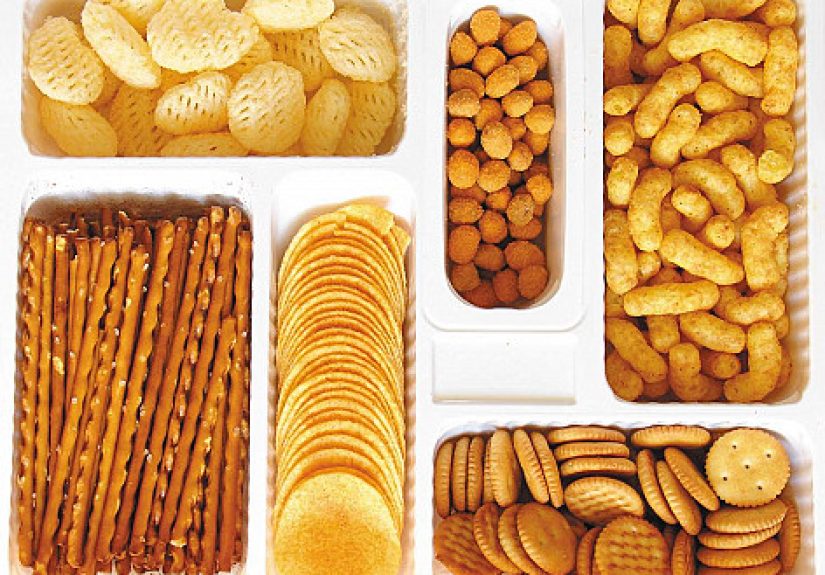
- Chips, cheese puffs, crackers, and many packaged snack foods
- Fast-food burgers, sandwiches, nuggets, and fries
- Processed meats such as hot dogs, some sausages, and deli meats
- Some flavored yogurts, meal replacement shakes, and protein bars
Not every ultra-processed food has the same nutritional impact. Some products, such as certain whole-grain breads, low-sugar yogurts, or nut spreads, may fit into a healthy eating pattern. But as a group, ultra-processed foods tend to be higher in added sugars, sodium, refined starches, unhealthy fats, and calories, while being lower in fiber and intact whole-food structure.
How Ultra-Processed Foods Are Made
To understand why ultra-processed foods are linked to weight gain, it helps to peek behind the curtain. Food companies do not simply cook a casserole and put it in a box. Many ultra-processed products are built through industrial techniques that alter the original food beyond recognition.
1. Foods Are Broken Down Into Components
Whole foods are often separated into starches, oils, protein isolates, sugars, syrups, and fibers. Corn may become corn syrup, corn starch, maltodextrin, and corn oil. Soy may become soy protein isolate, soybean oil, and lecithin. Wheat may become refined flour, gluten, modified starch, or texturized protein.
This process strips away the natural structure of food. In a whole apple, sugar comes packaged with fiber, water, and plant compounds. In an apple-flavored snack, sweetness may come from syrup or concentrated juice, while flavor is restored with additives. Your body may respond differently to the two, even if the label makes both sound fruity and friendly.
2. Texture Is Engineered for Speed
Many ultra-processed foods are soft, crispy, creamy, or melt-in-your-mouth by design. This is not an accident. Texture affects eating speed. Foods that require little chewing can be consumed quickly before the body’s fullness signals have time to catch up. A bowl of lentil soup asks you to slow down. A sleeve of cookies says, “Blink and I’m gone.”
Researchers have observed that people may eat faster on ultra-processed diets. Faster eating can lead to higher calorie intake because fullness hormones and stretch signals from the stomach need time to reach the brain. When food is easy to chew and highly rewarding, the pause button gets buried under barbecue dust.
3. Flavor Is Intensified
Ultra-processed foods often combine salt, sugar, refined carbohydrates, and fat in ways that strongly stimulate the brain’s reward system. Food scientists call this palatability. Your taste buds call it “just one more bite,” which is adorable until the bag is empty.
These foods are often designed to hit what some researchers describe as a “bliss point,” where sweetness, saltiness, richness, crunch, or creaminess is optimized to keep you eating. Whole foods can be delicious, but they are usually less aggressively engineered. A roasted sweet potato is tasty. A sweet-salty snack with flavor powder is basically wearing a tiny marketing suit.
4. Additives Improve Shelf Life and Appearance
Preservatives, emulsifiers, stabilizers, colorings, and flavorings can make products last longer, look better, and maintain a consistent texture. These additives are useful for manufacturing and distribution, but they also make ultra-processed foods more convenient and more available. Convenience is powerful. When a product can sit in the pantry for months, travel in a backpack, and taste exactly the same every time, it wins many busy-day food decisions.
Why Ultra-Processed Foods Are Linked to Weight Gain
The link between ultra-processed foods and weight gain is not explained by one villain ingredient. It is more like a team sport, unfortunately coached by a vending machine. Several mechanisms may work together.
They Encourage Passive Overeating
Ultra-processed foods are often energy-dense, meaning they pack many calories into a small amount of food. They are also easy to eat quickly. When a food is calorie-dense, soft, highly flavored, and low in fiber, it becomes easier to eat more calories than intended without feeling dramatically fuller.
In a landmark randomized controlled trial conducted at the National Institutes of Health, adults ate about 500 more calories per day on an ultra-processed diet compared with an unprocessed diet, even though the meals were matched for presented calories, sugar, fat, sodium, fiber, and macronutrients. Participants gained weight on the ultra-processed diet and lost weight on the unprocessed diet. That finding made nutrition experts sit up straighter in their chairs.
They Often Displace Fiber-Rich Foods
Fiber is a quiet hero in weight management. It slows digestion, supports fullness, feeds beneficial gut bacteria, and helps stabilize blood sugar. Many ultra-processed foods are low in intact fiber because refining removes the natural structure of grains, fruits, beans, and vegetables.
When chips, sweetened drinks, and packaged sweets replace beans, oats, vegetables, nuts, and fruit, the diet becomes easier to overeat and less satisfying. It is not only what ultra-processed foods add; it is what they push off the plate.
They Can Be High in Added Sugars and Refined Carbohydrates
Added sugars can increase calorie intake without adding much nutritional value. Sweetened beverages are especially easy to overconsume because liquid calories often do not produce the same fullness as solid foods. A person may drink hundreds of calories and still feel ready for a meal. The soda did not “count” in the stomach’s accounting department, which appears to be using very questionable bookkeeping.
Refined carbohydrates can also digest quickly, raising blood sugar and insulin levels. For some people, this pattern may increase hunger and cravings later in the day. The result can be a cycle of quick energy, crash, snack, repeat.
They Are Convenient, Cheap, and Everywhere
Ultra-processed foods are not popular because people are weak. They are popular because they are accessible, affordable, heavily marketed, shelf-stable, and ready to eat. They fit modern life. A parent rushing between work and school pickup may not have time to simmer beans. A college student may not have a full kitchen. A night-shift worker may face a choice between a vending machine and nothing.
This is why the issue is bigger than personal discipline. Food environments shape habits. When ultra-processed options are the cheapest and most convenient choices, people are nudged toward them every day.
What Harvard Health Highlights About the New Research
Harvard Health reported on a study in which young men followed ultra-processed and unprocessed diets under controlled conditions. The diets were designed to compare not only calories but also the role of processing itself. Participants gained about 2.2 pounds more fat mass on the ultra-processed diet compared with the unprocessed diet, even when calorie intake was controlled in the study design.
This finding is important because it suggests that the manufacturing process may influence the body beyond simple calorie math. The study also reported changes in hormones and exposure to certain substances associated with packaging or processing. Scientists are still investigating exactly why these effects occur, but the message is clear: the form of food matters.
Calories still matter, of course. Nobody has repealed biology. But food is more than calories. A 300-calorie bowl of oatmeal with berries and nuts does not behave the same way as a 300-calorie frosted pastry. One arrives with fiber, chewing, nutrients, and slow digestion. The other arrives with a trumpet section and exits the bloodstream like it is late for a meeting.
The American Diet and Ultra-Processed Foods
Ultra-processed foods represent a major share of the U.S. diet. Recent national data show that more than half of total calories consumed by Americans come from ultra-processed foods. Among children and teens, the share is even higher. Major sources include sandwiches and burgers, sweet bakery products, savory snacks, sweetened beverages, pizza, and other ready-to-eat or ready-to-heat foods.
This matters because weight gain is rarely the result of one dramatic food decision. It is usually the product of repeated small decisions made in a food environment where ultra-processed choices are everywhere. A sweetened coffee in the morning, packaged crackers at the desk, a fast-food lunch, soda in the afternoon, frozen pizza at night, and cookies after dinner can become a normal day without anyone feeling like they “ate junk all day.” The calories sneak in wearing business casual.
Are All Processed Foods Bad?
No. Processing is not automatically bad. Cooking is processing. Freezing vegetables is processing. Pasteurizing milk is processing. Canning tomatoes can make healthy meals easier. The problem is not that food has been changed; the problem is when food is transformed into a hyper-palatable, low-fiber, nutrient-poor product that encourages overeating.
Healthy processed foods can save time and support better eating. Examples include plain Greek yogurt, frozen fruit, canned beans, canned tuna, whole-grain pasta, nut butters without lots of added sugar, pre-cut vegetables, and minimally sweetened whole-grain cereals. These foods are convenient without being nutritional chaos in a shiny wrapper.
How to Spot Ultra-Processed Foods on the Label
You do not need a chemistry degree to shop smarter, though reading some labels may make you feel like you accidentally enrolled in one. Use these clues:
- Long ingredient lists: Not always bad, but worth checking closely.
- Ingredients rarely used at home: Protein isolates, modified starches, hydrogenated oils, artificial flavors, emulsifiers, and certain stabilizers can signal ultra-processing.
- High added sugars: Look at the Nutrition Facts label for grams of added sugar and percent Daily Value.
- High sodium: Many ready-to-eat meals, soups, snacks, and processed meats are sodium-heavy.
- Low fiber: If a grain-based food has little fiber, it may be mostly refined starch.
- Health halo claims: “High protein,” “gluten-free,” or “plant-based” does not automatically mean minimally processed.
Practical Ways to Eat Fewer Ultra-Processed Foods
Start With Breakfast
Breakfast can quietly set the tone for the whole day. Swap sugary cereal for oatmeal with fruit and nuts. Replace a packaged pastry with eggs and whole-grain toast. Choose plain yogurt and add berries instead of buying a dessert-style yogurt with candy-level sweetness.
Build Snacks From Whole Foods
Try apples with peanut butter, carrots with hummus, Greek yogurt, nuts, hard-boiled eggs, cottage cheese, roasted chickpeas, or air-popped popcorn. The goal is not perfection. The goal is to make the easy option less likely to come from a crinkly bag with a cartoon mascot.
Use the “Upgrade, Don’t Eliminate” Rule
If you eat instant noodles, add vegetables, an egg, and less seasoning packet. If you love frozen pizza, pair it with a big salad and choose a simpler ingredient option. If you drink soda daily, replace one serving with sparkling water or unsweetened tea. Small upgrades are more realistic than dramatic food makeovers that collapse by Wednesday.
Cook Once, Eat Twice
Batch cooking reduces dependence on convenience foods. Make extra rice, roasted vegetables, chicken, beans, or soup. Leftovers are not boring; they are future-you receiving a tiny edible gift.
Follow the Plate Method
A simple plate can reduce ultra-processed food intake naturally: half vegetables or fruit, one-quarter protein, and one-quarter whole grains or starchy vegetables. Add healthy fats such as olive oil, avocado, nuts, or seeds. This structure supports fullness without counting every crumb like a snack detective.
Conclusion: Food Processing Matters More Than We Used to Think
The growing research on ultra-processed foods and weight gain suggests that nutrition is not only about calories, carbs, fat, or individual nutrients. The structure of food, the speed of eating, the level of processing, the ingredient matrix, and the food environment all matter. Ultra-processed foods are often designed to be convenient, affordable, shelf-stable, and irresistible. Those qualities are great for sales, but not always great for long-term health.
The solution is not panic or perfection. It is awareness. Eat more whole and minimally processed foods most of the time. Read labels. Watch added sugars, sodium, and low-fiber refined starches. Keep convenient healthy options ready. Enjoy favorite treats intentionally instead of letting them run the menu. Your diet does not need to be flawless; it needs to be built around foods that help your body recognize fullness, nourishment, and satisfaction.
Real-Life Experiences: What This Looks Like in Everyday Eating
Many people do not realize how strongly ultra-processed foods influence appetite until they run a simple experiment: eat mostly whole foods for a few days, then compare hunger, cravings, and energy. The difference can be surprisingly noticeable. A breakfast of sugary cereal may taste cheerful at 7 a.m., but by 10 a.m., hunger often returns with a tiny marching band. In contrast, oatmeal with nuts, berries, and Greek yogurt may keep a person full longer because it contains protein, fiber, water, and healthy fat.
A common experience is the “snack spiral.” Someone opens a bag of chips while watching a show, planning to eat a handful. The texture is crisp, the salt hits fast, the flavor powder keeps things exciting, and the food disappears almost automatically. There is no moral failure here. The product is doing exactly what it was designed to do. Compare that with eating roasted potatoes, beans, or a bowl of soup. These foods require more chewing, contain more water or fiber, and usually create fullness before overeating gets too far.
Another everyday example is lunch at work. A fast-food meal may be the easiest option, especially during a busy day. It is quick, predictable, and available. But it may also combine refined bread, fried potatoes, sweetened drinks, sauces, and processed meat in one calorie-dense package. A homemade lunch does not need to be fancy to compete. A turkey and avocado sandwich on whole-grain bread, leftover chili, a rice bowl with beans and vegetables, or a salad with chicken and olive oil dressing can be just as satisfying and often steadier for afternoon energy.
Parents often notice this with children, too. Ultra-processed snacks are convenient for school bags and after-school hunger, but they can make it harder for kids to accept simpler foods. Taste buds adapt. When every snack is intensely sweet, salty, or flavored, plain fruit or yogurt may seem dull at first. The good news is that preferences can shift. Offering familiar foods alongside better options, such as apple slices with peanut butter or popcorn with a little olive oil and seasoning, can help bridge the gap.
For adults trying to manage weight, the most useful experience is often not restriction but replacement. Instead of banning all packaged foods, people tend to do better when they identify their highest-impact habits. Maybe it is soda at lunch, cookies after dinner, chips while driving, or frozen meals every night. Replacing just one daily ultra-processed item with a more filling whole-food option can reduce calories without creating a feeling of punishment. That is the sweet spot: less industrial engineering, more real satisfaction.
The biggest lesson from real life is that ultra-processed foods are not just about nutrition labels. They are about routines, stress, budget, time, cravings, and environment. A healthy pattern becomes easier when the kitchen contains foods that are simple to assemble: eggs, beans, rice, oats, frozen vegetables, fruit, yogurt, tuna, nuts, and whole-grain bread. When better choices are convenient, ultra-processed foods lose some of their power. They can still be enjoyed occasionally, but they no longer have to be the default setting.