Table of Contents >> Show >> Hide
- What Cottage Cheese Really Is (and Why That Matters)
- Cottage Cheese Nutrition: The Highlights
- Health Benefits: What Cottage Cheese Can Do for You
- The Downsides (Because Every Food Has a Plot Twist)
- How to Choose the Healthiest Cottage Cheese
- Who Should Be Cautious with Cottage Cheese?
- Easy, Healthy Ways to Eat Cottage Cheese (That Don’t Feel Like Homework)
- So… Is Cottage Cheese Good for You?
- Real-Life Experiences: Cottage Cheese in the Wild (500+ Words)
Cottage cheese used to be the food your grandma ate while watching daytime TV. Now it’s having a full-blown comeback tour on TikTok, in meal-prep containers, andmysteriouslyin dessert “recipes” that swear you can’t taste it (spoiler: you usually can… but in a good way).
So, is cottage cheese actually good for youor is it just a high-protein trend wearing a retro outfit? The honest answer: it can be a very healthy choice, but it depends on your goals, your sodium tolerance, and whether you buy the “fruit-on-the-bottom sugar party” version by accident.
What Cottage Cheese Really Is (and Why That Matters)
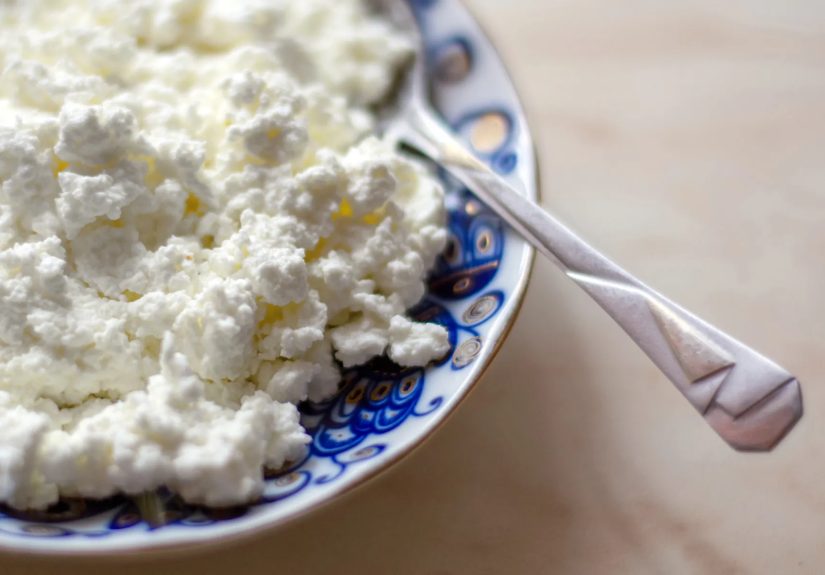
Cottage cheese is a fresh cheese made from curds (the solid part) and whey (the liquid part). Because it’s not aged, it tends to be mild, creamy, and super versatileequally at home on toast, in a bowl with fruit, or blended into a dip that tastes like you tried harder than you did.
Nutritionally, it’s best known for being high in protein and relatively low in carbohydrates when you choose plain varieties. But brand and style make a big differenceespecially for sodium, fat, and whether it contains live cultures.
Cottage Cheese Nutrition: The Highlights
The exact numbers vary by brand and milkfat level (nonfat, 1%, 2%, 4%), but cottage cheese generally offers a strong nutrition “bang for your bite.”
1) High-quality protein (hello, fullness)
Cottage cheese is protein-forward, often providing roughly 12–14 grams of protein per 1/2 cup, and around 20+ grams per cup for many common varieties. Protein supports muscle maintenance and repair, and it’s also famously helpful for staying full between meals.
One reason cottage cheese is so satisfying is that much of its protein is casein, a slower-digesting dairy protein. In plain English: it tends to “stick with you” longer than some faster proteins.
2) Bone-friendly nutrients (calcium + friends)
As a dairy food, cottage cheese contributes calcium, plus other minerals like phosphorus and magnesium. It’s not always the absolute calcium champion compared to yogurt or milk, but it can still help you work toward daily calcium needsespecially if you’re not a big milk drinker.
3) Relatively low in carbs (plain is the power move)
Plain cottage cheese is typically low to moderate in carbohydrates, with most carbs coming from natural milk sugar (lactose). That makes it a convenient option for people who want a higher-protein snack without a big carb load.
The catch: flavored versions can sneak in added sugars. If the label reads like a dessert menu, it probably behaves like one.
Health Benefits: What Cottage Cheese Can Do for You
It can support healthy weight management (without being “diet food”)
High-protein foods are associated with improved satietymeaning you feel full and satisfied longer. Cottage cheese is an easy way to add protein to breakfast or snacks, which can reduce mindless grazing later. It’s not magic, but it can be a practical tool.
Example: instead of a 10 a.m. pastry that disappears emotionally and physically in 3 minutes, a bowl of cottage cheese with berries and chopped nuts can keep you steady until lunch.
It’s muscle-friendly (especially if you strength train)
Protein is essential for building and maintaining lean mass. If you lift weights, do HIIT, or you’re simply trying to stay strong as you age, cottage cheese is a convenient protein option that works in sweet or savory meals.
Practical idea: blend cottage cheese until smooth and use it as a base for a high-protein sauce (think: “Alfredo vibes,” less regret).
It may help with steadier blood sugar for some people
Because plain cottage cheese is typically low in carbs and high in protein, it can be a helpful snack for people trying to avoid big blood sugar spikes. Pairing it with fiber-rich foods (berries, chia, vegetables) can make it even more balanced.
It can fit many eating styles
Cottage cheese plays nicely with a range of approacheshigh-protein, lower-carb, Mediterranean-ish, calorie-aware, or just “I need something fast that isn’t a bag of chips.”
The Downsides (Because Every Food Has a Plot Twist)
1) Sodium can be high
Cottage cheese is one of those foods that can look innocent and still deliver a surprising salt punch. Many standard varieties are relatively high in sodium, and that matters if you’re managing blood pressure, heart health, or swelling/fluid retention.
The good news: low-sodium and no-salt-added cottage cheese existsso if sodium is a concern, the label is your best friend.
2) Saturated fat varies by type
Full-fat cottage cheese can contain more saturated fat, while low-fat and nonfat versions reduce that. Saturated fat isn’t “evil,” but most heart-health guidance suggests keeping it limited overallespecially if you’re also eating other saturated-fat-heavy foods (butter, fatty meats, pastries that taste like happiness).
3) Lactose intolerance is a real thing
Cottage cheese contains lactose, so people with lactose intolerance may get symptoms like gas, bloating, or diarrheaespecially with larger portions. Some people tolerate small servings, while others do better with lower-lactose dairy choices like yogurt (often better tolerated) or aged cheeses.
4) Phosphorus and kidney concerns
Cottage cheese contributes phosphorus, which can be a concern for people with chronic kidney disease who are advised to limit phosphorus and sometimes protein. If you have kidney disease (or have been told to watch phosphorus), ask your clinician or renal dietitian whether cottage cheese fits your plan.
How to Choose the Healthiest Cottage Cheese
Cottage cheese is one of those foods where “healthy” is less about the category and more about the specific tub you grabbed. Here’s a quick cheat sheet.
Check the label for:
- Sodium: compare brandslook for “low sodium” or “no salt added” if needed.
- Added sugar: plain usually wins; flavored cups can add sugar fast.
- Milkfat level: nonfat/low-fat lowers saturated fat; full-fat may feel more satisfying for some people.
- Live cultures (optional): if you want potential probiotic benefits, look for “live and active cultures.” Not all cottage cheese has them.
| Goal | Best Cottage Cheese Pick | Why |
|---|---|---|
| Higher protein snack | Plain 1% or 2% | Strong protein, moderate calories, flexible for sweet/savory |
| Heart/blood pressure focus | Low-sodium + low-fat | Helps reduce sodium and saturated fat load |
| Max satiety & taste | Full-fat (portion-aware) | More richness; can feel satisfying with smaller servings |
| Gut-friendly angle | Variety with live cultures | Potential probiotic support (if cultures are present) |
Who Should Be Cautious with Cottage Cheese?
For most people, cottage cheese can be part of a healthy diet. But it’s smart to pause (briefly) if any of the following apply:
- High blood pressure or heart disease: choose low-sodium versions and watch your overall daily sodium intake.
- High LDL cholesterol: consider low-fat varieties and keep saturated fat in check across your whole day.
- Lactose intolerance: start with a small portion; if symptoms hit, switch to lactose-free options or other dairy styles you tolerate better.
- Chronic kidney disease: talk with your care team about phosphorus and protein targets.
- Pregnancy: choose cottage cheese made with pasteurized milk and store it safely (refrigerated, used by dates).
Easy, Healthy Ways to Eat Cottage Cheese (That Don’t Feel Like Homework)
Sweet ideas
- Berry bowl: cottage cheese + berries + cinnamon + crushed walnuts.
- “Cheesecake-ish” cup: cottage cheese + sliced strawberries + a sprinkle of graham crumbs (optional, but joyful).
- Smoothie boost: blend a scoop into a smoothie for creaminess and protein.
Savory ideas
- Toast upgrade: cottage cheese + tomato + black pepper + olive oil drizzle.
- Dip hack: blend cottage cheese with garlic, lemon, and herbs for a high-protein dip.
- Egg friend: add a spoonful to scrambled eggs for extra creaminess and protein.
So… Is Cottage Cheese Good for You?
Yescottage cheese can absolutely be good for you. It’s a high-protein, nutrient-dense food that can support satiety, muscle maintenance, and balanced eating when you choose the right kind.
The two biggest “watch outs” are sodium and (depending on the version) saturated fat. If you pick a plain, lower-sodium option that fits your preferences and health needs, cottage cheese is less “diet trend” and more “useful staple.”
Real-Life Experiences: Cottage Cheese in the Wild (500+ Words)
If you’ve ever bought cottage cheese with good intentionsthen watched it quietly fossilize in the back of your fridgeyou’re not alone. The good news is that most people who end up loving cottage cheese don’t start by eating it plain with a sad spoon. They start by making it feel like food, not a chore.
One common “aha” moment happens at breakfast. People who usually grab a bagel or cereal often notice they’re hungry again fast. When they swap in cottage cheese (even half a cup) with fruit and something crunchy like nuts or seeds, they frequently report feeling steadier through the morning. It’s not that cottage cheese is magicalit’s that protein plus a little fat and fiber tends to keep hunger quieter. In real life, that can mean fewer desperate snack raids at 10:47 a.m.
Fitness folks often discover cottage cheese as a “lazy protein” option. It doesn’t require cooking, it travels well, and it’s easy to portion. A very typical experience: someone starts adding cottage cheese to their post-workout routine (paired with a banana, berries, or whole-grain toast), and they find it’s simpler to hit protein goals without living on protein shakes. Another common twist: they get bored of the texturethen they try blending it. Blended cottage cheese turns smooth and can be mixed into sauces, dips, and even pancake batter. Suddenly, it’s not a bowl of curds; it’s an ingredient.
Busy parents tend to like cottage cheese because it’s adaptable. Some use it as a quick snack plate: cottage cheese with cucumber slices, cherry tomatoes, and crackers. Others fold it into lunchboxes as a dip with carrot sticks. The “experience” here is mostly relief: it’s one more option that doesn’t take 30 minutes and doesn’t come from a drive-thru.
On the flip side, sodium surprises people. A lot. Someone tries cottage cheese daily, feels great about the protein, and then realizes their sodium intake is creeping upespecially if the rest of their day includes deli meats, soups, packaged snacks, or restaurant meals. The common fix is easy: they switch to a low-sodium or no-salt-added version and keep the habit without the salt load. It’s a very “adulting” moment: same food category, different label, totally different fit.
Digestive comfort is another real-life factor. People with mild lactose intolerance sometimes find they tolerate small servings of cottage cheese just fine, especially when eaten with other foods. Others don’t tolerate it at all and feel better with yogurt, lactose-free dairy, or skipping dairy. The most practical experience-based takeaway: start small, pay attention, and don’t force it. The healthiest food is not the one that makes your stomach write angry emails.
Finally, there’s the “taste journey.” Many people start out thinking cottage cheese is bland. Then they add black pepper, everything-bagel seasoning, chopped herbs, or a drizzle of olive oiland it becomes savory and satisfying. Others go sweet with cinnamon and berries and call it dessert-adjacent. The recurring theme across these experiences is simple: cottage cheese works best when you treat it like a base you can customize, not a personality test.