Table of Contents >> Show >> Hide
- Start With Function Before You Flirt With Finishes
- Choose a Style, Then Loosen Your Grip a Little
- Color Ideas That Actually Make a Kitchen Feel Better
- Cabinets Set the Tone, but Hardware Finishes the Sentence
- Layered Lighting Is the Secret Sauce
- Backsplashes, Counters, and Materials That Add Personality
- Storage Can Be Beautiful Too
- Small Kitchen Design Ideas With Big Payoff
- Add Personality With Decor, Not Clutter
- Islands, Breakfast Nooks, and Social Spaces
- Budget-Friendly Kitchen Updates That Look Expensive
- Real-Life Experiences With Kitchen Decorating and Design Ideas
- Conclusion
The kitchen is where real life happens. It is where coffee gets negotiated, leftovers become lunch, and somebody always asks where the good scissors went. That is exactly why kitchen decorating and design ideas matter so much. A beautiful kitchen is nice to look at, sure, but a well-designed one also works harder, feels calmer, and makes daily routines a lot less chaotic.
Today’s best kitchens are not just polished showpieces. They are layered, practical, warm, and personal. The smartest spaces blend style with function: thoughtful lighting, storage that actually stores things, materials that can survive Tuesday night tacos, and enough personality to keep the room from looking like a catalog had a very serious meeting. Whether you are planning a full remodel or simply trying to make your kitchen feel less “builder-basic” and more “why yes, I do own a wooden spoon collection,” these ideas can help.
Start With Function Before You Flirt With Finishes
Before falling head over heels for backsplash tile or cabinet paint, think about how your kitchen works. Great kitchen design starts with movement, storage, and workflow. Ask yourself a few simple questions: Where do you prep? Where do small appliances live? Is there enough lighting over work areas? Does the kitchen feel cramped, cluttered, or awkward?
A well-decorated kitchen still needs a strong foundation. That means creating zones for cooking, prep, cleaning, and serving. Even a small kitchen can feel polished when its layout supports everyday life. If you cook often, your most-used tools should be close to the stove and prep space. If your kitchen doubles as a social zone, seating and circulation matter just as much as cabinetry.
Design Tip: Think in Zones
Instead of treating the room as one giant catch-all, divide it into useful zones. A coffee station, baking corner, pantry wall, or snack drawer can make the room feel custom without requiring a full renovation. Functional zoning also reduces visual clutter because everything has a home. Revolutionary, I know.
Choose a Style, Then Loosen Your Grip a Little
One of the best kitchen decorating and design ideas is choosing a guiding style without becoming weirdly loyal to it. You do not need a kitchen that screams “modern farmhouse” from the rooftops or whispers “minimalist” like it charges by the word. Instead, choose a direction and mix in elements that make the room feel lived-in and unique.
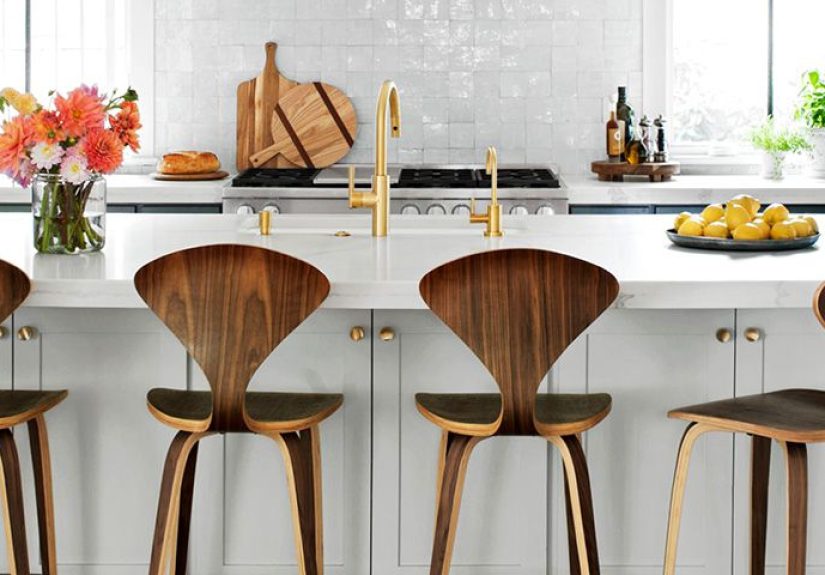
Popular kitchen styles include modern, traditional, transitional, farmhouse, Scandinavian, coastal, and eclectic. Transitional kitchens remain especially popular because they balance timeless features with current details. Think shaker cabinets with modern hardware, classic marble-look counters with warm wood stools, or sleek lighting above a room that still feels welcoming.
Warm woods, layered textures, colorful accents, and tactile materials are especially appealing right now because they keep kitchens from feeling cold or overly sterile. In other words, the all-white kitchen still exists, but it now has some competition from creamy neutrals, soft greens, rich blues, stained wood, and dramatic stone.
Color Ideas That Actually Make a Kitchen Feel Better
Color is one of the fastest ways to transform a kitchen. The trick is choosing shades that support the mood you want. Bright whites and soft greiges can make a kitchen feel airy. Earthy greens, warm taupes, and muted blues create a grounded, inviting feel. Darker tones like charcoal, forest green, or deep navy add drama and sophistication when balanced with lighter surfaces or warm metals.
If painting every cabinet sounds like an emotional commitment, start smaller. Try color on the island, a pantry door, bar stools, or the backsplash. A colorful runner, art print, or set of counter stools can also introduce personality without requiring a contractor or a recovery period.
Best Ways to Use Color
Use one main color, one support tone, and one accent. For example, creamy cabinets, medium wood shelves, and black hardware create a grounded palette. Or pair pale gray-green cabinets with brass lighting and terracotta accessories for a soft, layered look. Repeating colors across the room helps the design feel intentional instead of random.
Cabinets Set the Tone, but Hardware Finishes the Sentence
Cabinetry usually takes up the most visual space, so it has an outsized effect on the overall look. Shaker cabinets remain a favorite because they can lean classic, modern, or somewhere happily in between. Flat-panel cabinets work beautifully in sleek contemporary kitchens, while beadboard or inset styles add charm in cottage or traditional spaces.
Then comes hardware, the jewelry of the kitchen. It is a small detail that makes a huge difference. Brass adds warmth, black offers contrast, polished nickel feels refined, and unlacquered finishes develop character over time. Mixing metals can work too, as long as one finish leads and the others support it.
If your budget is tight, updating hardware is one of the highest-impact, lowest-drama changes you can make. New pulls, knobs, and hinges can take cabinets from “2009 foreclosure chic” to “thoughtfully updated” in an afternoon.
Layered Lighting Is the Secret Sauce
Lighting is where many kitchens either shine or quietly sabotage themselves. A single overhead fixture might technically illuminate the room, but it will not create warmth, depth, or flexibility. Good kitchen lighting uses layers: ambient lighting for general visibility, task lighting for work zones, and accent lighting for mood and dimension.
Pendant lights above an island create a focal point. Under-cabinet lights help with chopping and reading labels instead of accidentally seasoning dinner with cinnamon when you meant cumin. Sconces, table lamps, or even picture lights can soften a kitchen and make it feel more like part of the home rather than a purely utilitarian box with snacks.
Decorating With Light
Choose fixtures that match your overall style, but keep scale in mind. Oversized pendants can be stunning in a large kitchen, while slimmer fixtures suit compact spaces. Warm bulbs generally make kitchens feel more inviting than harsh cool light, especially in the evening.
Backsplashes, Counters, and Materials That Add Personality
Surface materials do heavy lifting in both design and durability. Quartz remains a favorite for countertops because it is low maintenance and versatile, while natural stone still wins plenty of hearts for its depth and uniqueness. But no matter what you choose, the visual goal is balance.
If your counters are busy or dramatic, keep the backsplash quieter. If your cabinets are simple, tile can add movement and personality. Subway tile is timeless, but it is not the only game in town. Zellige tile, stacked layouts, slab backsplashes, mosaic accents, and handmade finishes bring texture and character.
Wood elements can also soften the harder surfaces common in kitchens. Try open shelves, cutting boards leaned against the backsplash, wooden stools, or a butcher block accent section. These touches make a kitchen feel human, not machine-made.
Storage Can Be Beautiful Too
Nothing ruins a pretty kitchen faster than clutter staging a coup. Smart storage is one of the most important kitchen decorating and design ideas because it supports both aesthetics and sanity. Closed storage keeps visual noise down, while a few open areas let you display items that deserve attention.
Use drawer dividers, tray organizers, risers, and pantry bins so the inside of your cabinets is not a lawless wasteland. Add pull-out shelves or vertical dividers for cutting boards and baking sheets. In smaller kitchens, storage furniture such as a slim island, bench with hidden compartments, or freestanding hutch can add charm and function.
How to Style Open Shelving Without Regret
Open shelving works best when it is edited. Display everyday dishes, glassware, ceramic bowls, cookbooks, or a few plants. Avoid turning every shelf into a museum of mugs from vacations nobody asked about. Keep colors cohesive and leave some empty space so the arrangement can breathe.
Small Kitchen Design Ideas With Big Payoff
A small kitchen does not need pity. It needs strategy. Some of the most charming kitchens are compact because the design is more intentional. Light colors can help bounce brightness around the room, but contrast and mood still have a place in small spaces too. The key is controlling clutter and using every inch well.
Glass-front cabinets, reflective finishes, and good lighting can make a smaller kitchen feel more open. Floating shelves or slim-profile upper cabinets may reduce heaviness. Tall cabinetry draws the eye upward. A narrow runner adds softness and movement, while a bold backsplash can provide style without eating up floor space.
Even decor choices can work harder in a small kitchen. Hang cutting boards, use decorative storage jars, choose pretty countertop appliances, and display a few daily-use items so your practical pieces become part of the design.
Add Personality With Decor, Not Clutter
The best-decorated kitchens feel personal, not overloaded. Art, vintage finds, ceramics, plants, linen towels, and collected objects can bring warmth and soul. The important part is restraint. A kitchen is still a work zone, so every decorative item needs to earn its place visually or functionally.
Try leaning framed art on a counter, hanging a small painting, or using a sculptural bowl for fruit. A lamp on the counter or a small shelf with a favorite vase can soften the room instantly. Textiles also matter more than people realize. Roman shades, café curtains, seat cushions, and runners add color, texture, and comfort.
Decorating Mistakes to Avoid
Too much signage, overcrowded counters, mismatched finishes, and decor that blocks real work surfaces can make a kitchen feel chaotic. Not every empty wall needs a sign announcing that this is, in fact, the kitchen. Your oven already hinted at that.
Islands, Breakfast Nooks, and Social Spaces
If space allows, an island can become the visual and functional center of the kitchen. It adds prep space, storage, seating, and an opportunity to introduce a contrasting color or material. A wood-stained island in a painted kitchen can add depth, while a bold island color can energize an otherwise neutral room.
If you do not have room for an island, a breakfast nook, banquette, or small bistro setup can still create a social moment. These spaces make kitchens feel more inviting and less purely transactional. Add a pendant light, washable cushions, and a compact table, and suddenly breakfast feels suspiciously charming.
Budget-Friendly Kitchen Updates That Look Expensive
You do not need a five-figure renovation to improve a kitchen. Some of the best kitchen decorating and design ideas are affordable. Paint cabinets. Swap hardware. Add under-cabinet lighting. Install peel-and-stick backsplash tile. Replace bar stools. Bring in a washable runner. Style counters with intention. Add a shelf. Use matching storage containers in the pantry. Upgrade the faucet if your current one looks like it lost a fight with 2006.
Another smart move is editing before buying. Removing clutter, re-homing mismatched gadgets, and simplifying decor can make the room feel more elevated immediately. Sometimes the kitchen does not need more stuff. Sometimes it needs fewer things and better lighting. That is not as exciting as buying sixteen marble canisters, but it works.
Real-Life Experiences With Kitchen Decorating and Design Ideas
In real homes, kitchen design is rarely a straight line from inspiration board to flawless reveal. It is usually more like, “We wanted a calm, beautiful kitchen, and then we discovered the toaster, mail pile, pet treats, and six reusable water bottles also wanted a permanent address.” That is why experience matters so much when decorating a kitchen. The most successful spaces are shaped not only by trends and pretty images but by trial, error, habits, and daily routines.
One common experience homeowners talk about is realizing that what looked gorgeous online did not always fit real life. Open shelving, for example, can be stunning, but many people find they prefer a mix of open and closed storage after living with it. A few shelves for dishes, artful glassware, or plants feel charming. Entire walls of exposed storage can start to feel like a public performance of your cereal choices. The lesson is not that trends are bad. It is that kitchens need to support how people actually live.
Another frequent experience is learning that lighting changes everything. Many people focus first on countertops, paint, or cabinet color, then later realize the room still feels off because the lighting is flat or harsh. Once they add under-cabinet lights, pendants, or warmer bulbs, the kitchen suddenly feels finished. It is one of those upgrades that sounds boring right up until your evening kitchen stops feeling like a parking garage.
Color is also deeply personal in kitchen design. Some homeowners love playing it safe at first, only to wish later that they had chosen the green island, the blue pantry cabinet, or the warm earthy backsplash they were initially nervous about. Others go bold and discover they love the energy every single day. The shared experience tends to be this: color works best when it reflects the mood of the household. A kitchen should not just impress visitors for eight minutes. It should make the people who use it feel good all year.
Small kitchens teach especially useful lessons. People with compact spaces often become the most creative decorators because every item has to work harder. They learn to use beautiful everyday objects as decor, maximize vertical storage, and treat clutter control as a design strategy. They also tend to appreciate texture, lighting, and scale more deeply because those elements can change the entire room without moving a wall.
Perhaps the most meaningful experience related to kitchen decorating is discovering that the room becomes more enjoyable when it reflects personal history. A vintage stool from a grandparent’s house, handmade pottery from a trip, a framed recipe card, or a slightly imperfect wood shelf can bring more soul to the room than anything brand-new. The best kitchens rarely feel copied. They feel collected, useful, and alive.
So if you are updating your own kitchen, give yourself room to experiment. Borrow from trends, but do not let them boss you around. Let function guide the big decisions, let personality shape the finishing touches, and remember that a well-designed kitchen should make daily life easier, warmer, and a little more delightful. That is the kind of style that never goes out of fashion.
Conclusion
The best kitchen decorating and design ideas blend beauty with common sense. A stylish kitchen should not just photograph well; it should support real cooking, real storage, and real life. Start with layout and lighting, build a cohesive palette, choose materials that fit your lifestyle, and layer in personality through art, wood accents, textiles, plants, and meaningful decor. Whether your style leans modern, classic, cozy, or eclectic, the goal is the same: create a kitchen that feels useful, welcoming, and unmistakably yours.