Table of Contents >> Show >> Hide
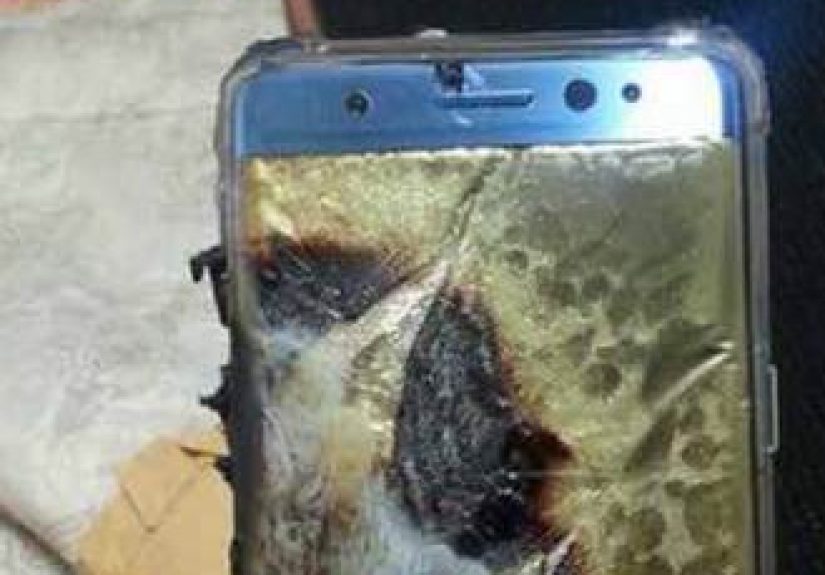
The Samsung Galaxy Note 7 disaster will forever be etched in the annals of smartphone history, not for its innovative features but for its catastrophic failure. What began as an exciting launch for a highly anticipated flagship turned into one of the most notorious tech failures in recent memory. The Note 7, powered by lithium-ion (Li-Ion) batteries, faced issues that caused it to overheat, catch fire, and even explode. The controversy surrounding this disaster has left a lasting impact on the lithium-ion battery industry, sparking debates about safety, innovation, and future technology in consumer electronics. This article explores the deep dive into Li-Ion technology and how the Note 7 incident has influenced the tech industry, particularly regarding battery safety and innovation.
The Rise and Fall of the Galaxy Note 7
In 2016, Samsung’s Galaxy Note 7 was expected to be the tech giant’s crowning achievement. The device featured top-of-the-line specifications, including a stunning AMOLED display, advanced camera system, and a high-performance processor. However, the standout feature of the Note 7 was its high-capacity 3,500 mAh Li-Ion battery, designed to provide longer-lasting power. But instead of being a breakthrough, this battery would become the source of an unprecedented global recall that would forever change the landscape of smartphone manufacturing.
Early reports began surfacing that the Note 7 was experiencing overheating issues. Some customers reported that their devices were catching fire, while others saw the phone’s battery bulging or exploding. What followed was a massive investigation by Samsung, along with external audits and testing from third-party experts. The results were shocking. The culprit? A design flaw within the battery cells themselves.
The Science Behind Li-Ion Battery Failures
Lithium-ion batteries have been the workhorse of portable electronics for decades, offering a combination of high energy density, long lifespan, and compact size. However, as the Note 7 incident revealed, these batteries are not without their risks. The underlying problem with the Note 7’s batteries was a combination of faulty manufacturing and poor design choices. Specifically, the battery’s electrodes were improperly aligned, leading to a short circuit that caused internal overheating and thermal runaway – a chain reaction that ultimately led to fires and explosions.
Battery failures like the Note 7’s can occur when a number of conditions align: poor cell construction, improper charging, physical damage, or environmental factors such as extreme temperatures. In the Note 7’s case, these issues were exacerbated by the device’s aggressive push for more power and slimmer designs, which left less room for error in battery manufacturing.
Impact on the Li-Ion Battery Industry
The aftermath of the Note 7 failure led to a significant shift in the way the tech industry viewed battery safety. Lithium-ion battery manufacturers, including Samsung’s own supply chain partners, faced intense scrutiny and increased demand for safety certifications. Major companies like Apple, Tesla, and others began to implement stricter testing protocols and to prioritize more robust battery management systems to avoid similar disasters.
In response to the Note 7 crisis, Samsung invested heavily in new battery designs, with an increased focus on reliability and security. They introduced the “8-point battery safety check,” a multi-step process to ensure that every lithium-ion battery meets safety standards. This involved testing for overcharging, external damage, and high-heat resistance, among other factors. The failure of the Note 7 has also led to increased collaboration within the industry to develop new safety standards for all portable devices powered by Li-Ion cells.
Lessons Learned: Will Lithium-Ion Batteries Ever Be Safe?
Despite the improvements in battery safety after the Note 7 disaster, lithium-ion technology remains a source of concern for many consumers. With demand for more powerful and thinner devices continuing to rise, the pressure to push Li-Ion batteries to their limits is only intensifying. However, the events of 2016 have underscored the importance of not compromising on safety for the sake of innovation.
The rise of electric vehicles (EVs) and the continued adoption of high-performance smartphones has prompted more research into alternative battery technologies. Solid-state batteries, which offer higher energy densities and are less prone to thermal runaway, are one of the most promising solutions on the horizon. Although still in the early stages of development, solid-state batteries could eventually replace lithium-ion cells in many applications, offering a safer and more sustainable alternative.
Conclusion
The Samsung Galaxy Note 7’s failure marked a pivotal moment in the evolution of mobile technology. While it did significant damage to Samsung’s brand and cost the company billions in recall expenses, the incident also served as a wake-up call for the entire tech industry. Li-Ion batteries, once considered the gold standard for portable power, have proven that they are not without their dangers. However, the lessons learned from this disaster have led to improvements in battery safety standards and the accelerated development of new battery technologies that may eventually render lithium-ion obsolete.
While the Note 7 will always be remembered for its catastrophic failure, it is also a reminder that progress in technology must come with a commitment to safety and responsibility. As the world continues to embrace mobile devices, electric vehicles, and other battery-powered innovations, the industry’s focus on safety and reliability must remain paramount.
Personal Reflections on the Note 7 Disaster
Reflecting on the Galaxy Note 7 disaster, it’s clear that this event was more than just a failure of a single product. It was a stark reminder of the inherent risks associated with rapidly evolving technologies. As a consumer, the notion of carrying a device that could spontaneously combust seemed almost too far-fetched, yet here we were, dealing with a global recall affecting millions of users.
For me, the Note 7 incident had a personal connection – as a longtime Samsung user, I had a deep appreciation for their innovations, but the event made me reconsider the long-term sustainability of relying on one technology for such a wide range of applications. It raised questions about how much trust we should place in battery tech, considering the potential consequences of failure.
Despite this, I also saw an opportunity for the industry to grow from the ashes of the Note 7 disaster. Samsung’s post-recall actions demonstrated a willingness to learn and evolve, and as a tech enthusiast, I found it exciting to watch the industry respond with better safety standards and more robust technology. While the scars of the Note 7 will never fade completely, the lessons learned from this disaster have influenced how manufacturers and consumers alike approach the balance between innovation and safety in consumer electronics.