Table of Contents >> Show >> Hide
- The Beautiful Beach Tree With a Terrible Personality
- What Is Manchineel?
- Why Is Manchineel Poisonous?
- Manchineel Poisoning Symptoms
- What to Do After Manchineel Exposure
- How Doctors May Treat Manchineel Poisoning
- Where Manchineel Grows and Why Travelers Should Care
- Manchineel vs. Poison Ivy: What Is the Difference?
- Prevention: How to Avoid Manchineel Poisoning
- Why Manchineel Still Matters Ecologically
- Common Myths About Manchineel Poisoning
- Real-World Experience: A Traveler’s Practical Lesson About Manchineel
- Conclusion
- SEO Tags
Note: This article is for educational purposes only. If someone has eaten manchineel fruit, touched the sap, or has trouble breathing, call Poison Control at 1-800-222-1222 in the United States or call 911 for emergency symptoms.
The Beautiful Beach Tree With a Terrible Personality
The manchineel tree looks like it was designed by a tropical resort brochure: glossy green leaves, beachy surroundings, and small apple-like fruit that seem innocent enough to fool a hungry traveler. Unfortunately, manchineel is not a snack, not a shade tree, and definitely not the kind of plant you want to “just check out for a second.” Known scientifically as Hippomane mancinella, manchineel is one of the most hazardous trees found in coastal areas of the Caribbean, parts of Central and South America, the Bahamas, Mexico, Puerto Rico, the Virgin Islands, and South Florida.
Manchineel poisoning can happen in several ways: eating the fruit, touching the milky sap, getting sap-contaminated rainwater on the skin, or being exposed to smoke from burning wood. The tree’s toxic compounds can irritate the skin, eyes, mouth, throat, and digestive tract. That is why many beaches and parks mark manchineel trees with warning signs, red paint, or fencing. The basic rule is simple: admire from a distance, then keep walking like the tree owes you money.
What Is Manchineel?
Manchineel is a coastal tree in the spurge family, Euphorbiaceae. It often grows near beaches, mangroves, coastal berms, and tropical hammocks. In South Florida, it is considered native but rare and state-listed as endangered, which creates a strange combination: it is dangerous to touch, yet important to protect. Nature enjoys making things complicated.
How to Recognize a Manchineel Tree
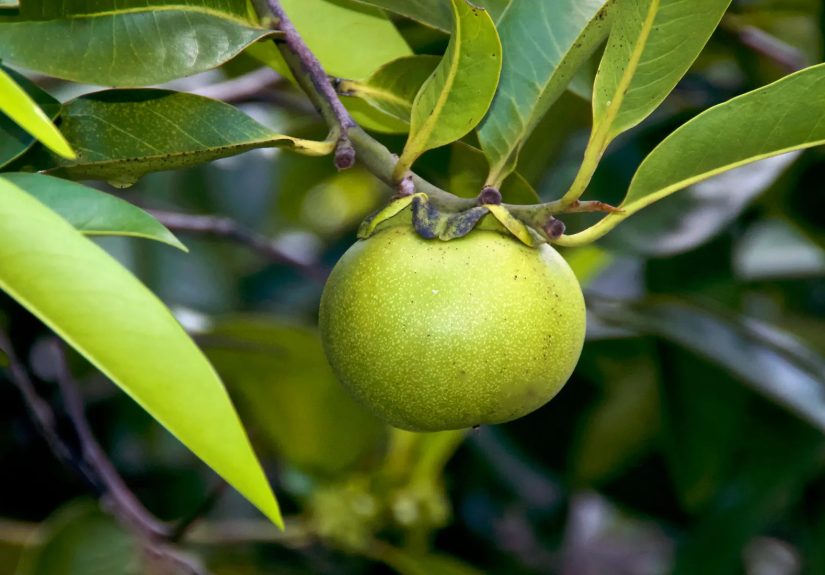
Manchineel can grow into a rounded tree with shiny, leathery leaves and grayish bark. Its fruit resembles a small green or yellow-green apple, which explains nicknames such as “beach apple,” “death apple,” and the Spanish phrase manzanilla de la muerte, meaning “little apple of death.” The fruit may smell sweet, but that is not an invitation. Plenty of dangerous things smell nice. Gasoline has fans, too, and nobody should drink that either.
Identification matters because accidental exposure often starts with confusion. A beach visitor sees fruit on the sand, assumes it is edible, and takes a bite. A hiker leans on the trunk. A family shelters under the tree during rain. In manchineel country, those ordinary choices can become painful quickly.
Why Is Manchineel Poisonous?
Nearly every part of the manchineel tree is considered toxic, including the fruit, leaves, bark, and sap. The tree produces a thick, milky latex-like sap that can ooze from damaged leaves, twigs, bark, or fruit. This sap contains strong irritants, including phorbol-related compounds, which can trigger burn-like skin reactions and inflammation.
Unlike some poisonous plants that mainly cause problems when eaten, manchineel can cause trouble through contact. Touching the sap may lead to redness, swelling, itching, and blistering. Getting sap near the eyes may cause significant irritation and temporary vision problems. Standing beneath the tree during rain can be risky because water dripping from the leaves and branches may carry irritants onto the skin. Burning the wood is also unsafe because smoke can irritate the eyes and lungs.
That does not mean the tree is out to personally ruin your vacation. It is simply defending itself with impressive chemical enthusiasm. The safest response is respect, distance, and absolutely no taste-testing.
Manchineel Poisoning Symptoms
Symptoms depend on how the exposure happens. Someone who touches sap may experience skin symptoms, while someone who eats the fruit may develop mouth, throat, and digestive symptoms. Reactions can vary by amount of exposure, personal sensitivity, and how quickly the area is rinsed or treated.
Skin Contact Symptoms
Skin contact with manchineel sap may cause burning, redness, swelling, itching, tenderness, and blisters. These symptoms can appear on areas that directly touched the tree or sap-contaminated surfaces. If sap gets under fingernails or onto clothing, it may spread to other areas through touch. That is why quick washing is important.
Eye Exposure Symptoms
Eye exposure can cause stinging, tearing, redness, swelling, light sensitivity, blurred vision, or temporary vision difficulty. Eye symptoms should be taken seriously. The eye is not a place for “let’s see what happens.” If manchineel sap or smoke irritates the eyes, rinse with clean water and seek medical guidance promptly.
Ingestion Symptoms
Eating manchineel fruit can cause burning pain in the mouth and throat, swelling, trouble swallowing, nausea, vomiting, stomach cramps, diarrhea, and weakness. In more serious cases, throat swelling or breathing difficulty may occur. Because the fruit can look and smell appealing, tourists and children are at special risk. The fruit is not safe even if it tastes sweet at first. That sweetness is basically the botanical version of a suspiciously friendly villain.
Smoke Exposure Symptoms
Smoke from burning manchineel wood may irritate the eyes, nose, throat, and lungs. Symptoms can include coughing, throat irritation, eye pain, tearing, and breathing discomfort. Avoid fires made from unknown coastal wood, especially in areas where manchineel grows.
What to Do After Manchineel Exposure
First aid for manchineel exposure focuses on limiting contact, rinsing the affected area, and getting medical advice when symptoms are serious or involve the eyes, mouth, throat, or breathing. Do not wait for symptoms to become dramatic. This is not a movie scene; nobody wins an award for toughing it out.
If Sap Touches the Skin
Move away from the tree immediately. Rinse the skin with plenty of clean water and mild soap. Remove contaminated clothing, shoes, or accessories carefully so the sap does not spread. Wash clothing separately before wearing it again. Avoid scratching, because irritated skin can become more inflamed. For mild skin irritation, cool compresses may help while waiting for medical advice.
If Sap Gets in the Eyes
Rinse the eye with clean running water for several minutes. Remove contact lenses if they come out easily during rinsing, but do not force anything. Seek medical care, especially if pain, redness, blurry vision, swelling, or light sensitivity continues. Eye exposure is one of the situations where “better safe than sorry” is not just a saying; it is the whole plan.
If Someone Eats the Fruit
Do not induce vomiting unless a medical professional specifically tells you to do so. Rinse the mouth gently with water. Call Poison Control at 1-800-222-1222 in the United States for expert guidance. If the person has trouble breathing, severe throat swelling, repeated vomiting, faintness, confusion, or worsening symptoms, call 911 or go to the emergency department.
If Smoke Was Inhaled
Move to fresh air right away. Anyone with coughing, wheezing, chest tightness, eye pain, or breathing trouble should get medical help. People with asthma or other lung conditions may be more vulnerable to smoke irritation.
How Doctors May Treat Manchineel Poisoning
There is no casual home “antidote” for manchineel poisoning. Treatment depends on the exposure and symptoms. Medical professionals may focus on decontamination, pain control, hydration, monitoring breathing, and treating skin, eye, or gastrointestinal irritation. For ingestion, clinicians may observe for throat swelling, dehydration from vomiting or diarrhea, and other complications.
In reported cases of manchineel fruit ingestion, many people experienced painful mouth or throat symptoms and digestive upset. Serious outcomes are possible, especially with larger exposures, vulnerable patients, or delayed care. The practical takeaway is not to panic, but to act quickly and involve Poison Control or a healthcare professional.
Where Manchineel Grows and Why Travelers Should Care
Manchineel is most associated with tropical and subtropical coastal areas. In the United States and U.S. territories, travelers may encounter it in South Florida, Puerto Rico, and the U.S. Virgin Islands. It also grows throughout parts of the Caribbean and nearby regions. Beach resorts, parks, and protected natural areas may mark the trees with signs or red bands, but not every tree is labeled. A missing sign does not magically turn it into a picnic table.
Travelers should be especially careful after storms or windy weather, when fruit, leaves, or branches may fall onto trails and beaches. Children may be drawn to the fruit because it looks familiar. Pets may sniff or chew plant material. Anyone visiting coastal tropical areas should learn the local warning signs and avoid unknown fruits or sap-producing plants.
Manchineel vs. Poison Ivy: What Is the Difference?
Manchineel and poison ivy are both plants you do not want on your skin, but they are not the same. Poison ivy, poison oak, and poison sumac are famous for causing allergic contact dermatitis through urushiol oil. Manchineel sap is a caustic irritant that can cause burn-like reactions and can also harm the mouth, throat, digestive tract, and eyes.
Another difference is geography. Poison ivy is widespread in much of the United States, while manchineel is limited to warmer coastal regions. If you are hiking in Ohio, manchineel is not your main plant problem. If you are walking a beach in the Virgin Islands or the Florida Keys, it deserves a spot on your mental hazard list.
Prevention: How to Avoid Manchineel Poisoning
The best treatment is prevention, and prevention is refreshingly simple: do not touch, eat, climb, cut, burn, or shelter under manchineel trees. Read signs at beaches and trailheads. Teach children never to eat wild fruit. Avoid collecting firewood from unknown coastal trees. Stay on marked paths in protected areas. If a local guide warns you about a tree, believe them. They are not trying to ruin your Instagram shot; they are trying to keep your vacation from becoming a medical case study.
Simple Safety Checklist
- Do not eat fruit that looks like small green apples on tropical beaches.
- Do not stand under manchineel trees during rain.
- Do not touch sap, bark, leaves, fruit, or fallen branches.
- Do not burn unknown beach wood.
- Wash skin and clothing after possible exposure.
- Call Poison Control for ingestion or concerning symptoms.
Why Manchineel Still Matters Ecologically
It is tempting to label manchineel as a “bad tree,” but ecosystems do not work like superhero movies. Manchineel helps stabilize coastal habitats, grows in challenging salty environments, and provides shelter for wildlife. Some animals can tolerate parts of the tree that humans cannot. In Florida, where manchineel is endangered, conservation is important even though human contact should be avoided.
The balanced message is this: protect the tree, protect yourself, and keep a respectful distance. Manchineel does not need to be destroyed to be managed safely. Clear signage, public education, trail maintenance, and common sense can reduce accidental poisoning while preserving a native coastal species.
Common Myths About Manchineel Poisoning
Myth 1: “If Animals Eat It, Humans Can Eat It.”
Some wildlife can eat manchineel fruit without the same reaction humans experience. That does not make the fruit safe for people. Animals and humans handle plant toxins differently. Copying an iguana’s lunch choices is rarely a solid nutrition plan.
Myth 2: “A Small Bite Cannot Hurt.”
Even a small taste can irritate the mouth and throat. The severity may vary, but the risk is real enough that tasting is never recommended. Wild fruit identification should be certain, expert-level certain, not “my phone camera said maybe.”
Myth 3: “Only the Fruit Is Dangerous.”
The fruit gets the most attention because it looks edible, but the sap, leaves, bark, and smoke can also cause harm. Manchineel is a full-service hazard.
Myth 4: “If a Tree Is Not Marked, It Is Safe.”
Not all trees are labeled. Storms, vandalism, remote beaches, or natural areas may leave trees unmarked. Learn the appearance, follow local guidance, and avoid touching unknown plants.
Real-World Experience: A Traveler’s Practical Lesson About Manchineel
Imagine arriving at a Caribbean beach after a long morning of travel. The water is turquoise, the sand looks professionally edited, and everyone is suddenly a photographer. Near the edge of the beach, a shady tree offers relief from the sun. Beneath it are small green fruits that look like crab apples. A sign nearby says not to touch the tree, but the sign is weathered, tilted, and easy to ignore. This is exactly the kind of setting where manchineel exposure can happennot because people are reckless, but because the tree looks ordinary.
One of the most useful experiences travelers share is how quickly curiosity can turn into risk. Someone may pick up the fruit for a photo. A child may roll it in the sand. A tired adult may lean against the trunk while adjusting sandals. A sudden rain shower may send people running under the nearest branches. None of these actions seem dramatic. That is the point. Manchineel poisoning is often less about daring behavior and more about not knowing what the tree is.
A smart beach routine can prevent most problems. When arriving at a tropical beach, scan for warning signs before choosing a place to sit. Look for trees marked with red paint, caution tape, or posted notices. Keep bags, towels, and picnic items away from fallen fruit or sticky plant material. If children are present, make the rule clear: no wild fruit, no mystery leaves, no “nature soup” experiments in a bucket. Kids are creative, which is wonderful until they invent toxic salad.
Another practical lesson is to respect local knowledge. Park rangers, lifeguards, hotel staff, and tour guides often know exactly where manchineel trees grow. If they point out a dangerous tree, take the warning seriously. Do not assume they are exaggerating because the tree looks harmless. Many hazardous plants do not announce themselves with skull-shaped leaves and dramatic thunder.
After possible exposure, the best experience-based advice is to act early. Wash skin with soap and water. Rinse eyes if needed. Change contaminated clothing. Call Poison Control if fruit was tasted or swallowed. Do not wait around hoping symptoms will politely leave. Early action can reduce irritation and help medical professionals decide whether monitoring or treatment is needed.
For hikers, photographers, and nature lovers, manchineel is a reminder that “natural” does not always mean gentle. The outdoors is beautiful, but it is not a theme park. Some plants defend themselves aggressively, and humans have to bring the missing ingredient: judgment. The goal is not to fear every tree. The goal is to learn enough to enjoy tropical places safely.
The best travel story is not “I survived the death apple.” It is “I saw one, recognized it, warned my group, and continued having a fantastic beach day.” That version has fewer blisters, fewer emergency calls, and a much better ending.
Conclusion
Manchineel is one of the most dangerous coastal trees a traveler may encounter, but manchineel poisoning is largely preventable. The tree’s apple-like fruit, milky sap, irritating smoke, and rain-washed toxins can affect the skin, eyes, mouth, throat, and digestive system. The safest approach is simple: do not touch it, do not eat it, do not stand beneath it in rain, and do not burn its wood.
If exposure happens, rinse the affected area, remove contaminated clothing, and contact Poison Control or emergency services when symptoms involve ingestion, breathing, eyes, severe swelling, or worsening pain. Manchineel deserves respect, not panic. With awareness and a little botanical street smarts, you can enjoy tropical beaches without letting one very unfriendly tree steal the show.