Table of Contents >> Show >> Hide
- What are osteochondroses?
- Types of osteochondroses (the “usual suspects”)
- 1) Osgood-Schlatter disease (knee, tibial tubercle)
- 2) Sinding-Larsen-Johansson (knee, inferior patella)
- 3) Sever’s disease (heel pain, calcaneal apophysitis)
- 4) Osteochondritis dissecans (OCD) (knee/elbow/anklejoint surface)
- 5) Legg-Calvé-Perthes disease (hip, femoral head)
- 6) Scheuermann’s kyphosis (spine, thoracic vertebrae)
- 7) Panner disease (elbow, capitellum)
- 8) Köhler bone disease (foot, navicular)
- 9) Freiberg disease (forefoot, metatarsal head)
- Common symptoms across osteochondroses
- How osteochondroses are diagnosed
- Treatment (aka “how to calm the construction zone”)
- Outlook: what to expect long-term
- Return-to-sport (without the sequel injury)
- of real-world experiences (the part nobody tells you in the waiting room)
- Conclusion
If your child is growing fast, playing hard, and suddenly walking like they’re auditioning for a pirate movie (limp included),
you’re not alone. A big bucket of kid-and-teen musculoskeletal complaints comes from osteochondrosesa family of
conditions where parts of developing bone and cartilage get cranky during growth. The good news? Most are temporary, treatable,
and improve with time. The not-as-fun news? “Time” can feel like forever when a season, a sport, or even stairs are on the line.
This guide breaks down the types of osteochondroses, their hallmark symptoms, the treatments that actually help,
and what the long-term outlook typically looks likewithout turning your brain into medical oatmeal.
What are osteochondroses?
Osteochondroses are conditions that affect growing bones, usually at areas called
ossification centersplaces where cartilage is turning into bone (think: a construction zone that’s still open).
These areas include:
- Epiphyses (bone ends that help form joints)
- Apophyses (attachment sites where tendons pull on bone)
- Growth plates (the “growth engine” of long bones)
Many osteochondroses are thought to involve a temporary disruption in blood supply and normal bone development, combined with
repetitive stress from activity and growth spurts. Translation: kids grow, kids run, tissues protest.
Why do they happen in active kids?
During childhood and adolescence, growth plates and tendon attachment points are more vulnerable than fully mature bone. Add a
growth spurt (tight muscles + rapid bone lengthening) plus repetitive jumping, sprinting, or throwing, and you’ve got a perfect
recipe for overuse pain. This is why osteochondroses often show up in sports-heavy schedulesbut couch-loving kids can get them too.
Types of osteochondroses (the “usual suspects”)
Osteochondroses are named like they were invented by a committee that hates parents. Here are the most common, organized by
location, with plain-English “what it feels like” and “what to do about it.”
1) Osgood-Schlatter disease (knee, tibial tubercle)
Classic scenario: A pre-teen or teen who’s jumping, sprinting, or cutting (soccer, basketball, volleyball)
develops pain and tenderness just below the kneecapright where the patellar tendon attaches to the shinbone.
- Symptoms: Pain below the knee, swelling, a noticeable bump, worse with running/jumping/kneeling
- What’s happening: Repetitive traction on a growth area (apophysis) causes irritation and micro-injury
- Typical treatment: Relative rest, ice, stretching (especially quads/hamstrings), strengthening, activity modification
- Outlook: Often improves as growth slows; the bump can linger even after pain resolves
Pro tip: “Rest” doesn’t always mean “bed.” It often means swapping out painful drills, reducing volume, and building flexibility and strength.
2) Sinding-Larsen-Johansson (knee, inferior patella)
This is Osgood-Schlatter’s close cousin, but the pain centers at the bottom of the kneecap rather than the top of the shin.
It’s also linked to repetitive jumping and sprintingbasically anything that makes the quadriceps yank on the patellar tendon.
- Symptoms: Pain at the lower kneecap, worse with stairs, jumping, squatting
- Treatment: Rest from provoking activity, quadriceps stretching, gradual strengthening, return-to-sport progression
- Outlook: Usually resolves with conservative care and time
3) Sever’s disease (heel pain, calcaneal apophysitis)
Classic scenario: An active child (often 8–15) with heel pain that flares with running, especially during growth spurts.
The pain often shows up at the back or bottom of the heel, and can make kids tiptoe like the floor is lava.
- Symptoms: Heel pain with activity, tenderness at the heel, sometimes a limp
- What helps: Rest from painful activity, ice, supportive shoes, heel cups, calf stretching, and sometimes a boot/cast in severe cases
- Outlook: Greatmost kids improve with conservative care and it resolves as growth plates mature
4) Osteochondritis dissecans (OCD) (knee/elbow/anklejoint surface)
Despite the name, osteochondritis dissecans isn’t about being “too neat.” It involves a piece of bone beneath the cartilage
becoming weakenedsometimes looseningbecause of disrupted blood supply and stress. It most commonly affects the knee, but can also
involve the elbow or ankle.
- Symptoms: Deep joint pain, swelling, stiffness, catching/locking, reduced range of motion
- Diagnosis: Often requires imaging; X-rays can show lesions, MRI can help assess stability
- Treatment: Rest/activity restriction and sometimes immobilization for stable lesions; surgery may be needed if unstable or not healing
- Outlook: Many younger patients with stable lesions heal well; unstable lesions carry higher risk of long-term joint issues
5) Legg-Calvé-Perthes disease (hip, femoral head)
Perthes disease affects the hip, when blood supply to the femoral head (the “ball” of the hip joint) is temporarily reduced.
The bone can weaken, reshape, and later remodel over time. It often appears in children (commonly ages 4–10).
- Symptoms: Limping, hip or groin pain (sometimes knee pain!), stiffness, limited hip motion
- Why it matters: Hip shape affects future joint health; preserving a round femoral head improves long-term outcomes
- Treatment: Range-of-motion work, activity modification, sometimes bracing/casting; surgery may be considered depending on age/severity
- Outlook: Younger age at diagnosis often predicts better outcomes; more severe disease can increase arthritis risk later
6) Scheuermann’s kyphosis (spine, thoracic vertebrae)
Not all rounding of the upper back is “bad posture.” Scheuermann’s kyphosis is a structural spinal curve where vertebrae can become
wedge-shaped. It often appears during adolescence and may cause back pain and noticeable rounding that doesn’t straighten fully with posture correction.
- Symptoms: Rounded upper back, back pain (worse with prolonged sitting/standing), tight hamstrings
- Treatment: Physical therapy, posture and strengthening programs; bracing in some growing teens; surgery only for severe cases
- Outlook: Many manage well with conservative care; severe curves may require specialist evaluation
7) Panner disease (elbow, capitellum)
Panner disease is an osteochondrosis of the elbow’s capitellum, typically in younger children (often under age 10),
especially those who throw or do weight-bearing upper-body activities (hello, little league and gymnastics).
- Symptoms: Lateral elbow pain, stiffness, sometimes swelling
- Treatment: Rest from provocative sports until pain improves and imaging shows healing; casting occasionally
- Outlook: Usually excellentmost recover with conservative care
8) Köhler bone disease (foot, navicular)
Köhler disease affects the navicular bone in the midfoot, typically in young children. It can cause pain and limping,
and it often looks alarming on X-rayyet commonly resolves without long-term issues.
- Symptoms: Midfoot pain, swelling, limping, tenderness over the navicular area
- Treatment: Activity reduction, pain control; sometimes short-term casting to reduce symptoms faster
- Outlook: Generally resolves over time, often within a couple of years
9) Freiberg disease (forefoot, metatarsal head)
Freiberg disease involves the metatarsal headmost commonly the secondleading to forefoot pain, especially with weight bearing.
It’s sometimes described as avascular necrosis in this area.
- Symptoms: Pain in the ball of the foot, swelling, stiffness, worse in thin-soled shoes or high impact activity
- Diagnosis: X-ray and sometimes MRI to characterize changes
- Treatment: Activity modification, immobilization, orthotics, footwear changes; surgery in some cases
- Outlook: Early treatment can help control symptoms and protect joint mechanics
Common symptoms across osteochondroses
Different names, similar vibes. Many osteochondroses share a predictable pattern:
- Activity-related pain that improves with rest (until it doesn’t)
- Tenderness at a specific spot (often a growth plate or tendon insertion)
- Swelling or a noticeable bump (common at the knee)
- Limping (especially with hip, heel, or foot involvement)
- Stiffness and limited motion (more common with joint-surface conditions like OCD or Perthes)
Red flags: when it’s not “just growth pain”
Get prompt medical evaluation if your child has:
- Fever, chills, or feeling unwell
- Severe pain at rest or night pain
- Rapidly worsening swelling or redness
- Inability to bear weight
- Major trauma or deformity
How osteochondroses are diagnosed
Most diagnoses start with an old-fashioned combo: history + physical exam. A clinician will ask about growth spurts,
sports volume, where the pain lives, what makes it worse, and whether there are mechanical symptoms (locking/catching).
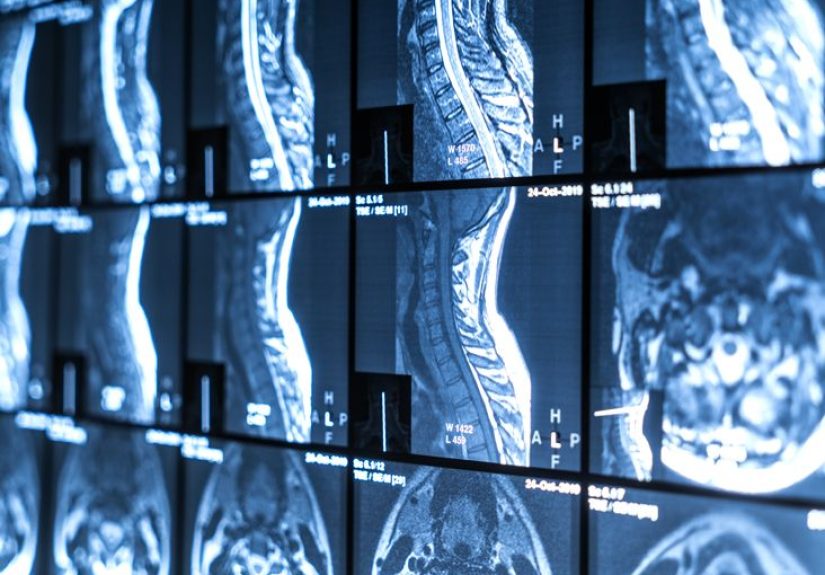
Imaging: when pictures are worth 1,000 guesses
- X-rays are common for hip, foot, spine, and suspected OCD to evaluate bone structure and changes.
- MRI is especially helpful when assessing cartilage and lesion stability in osteochondritis dissecans.
- Labs aren’t typical for osteochondroses, but may be used if infection or inflammatory disease is suspected.
Treatment (aka “how to calm the construction zone”)
The core theme in osteochondroses treatment is beautifully unglamorous: reduce stress, manage pain, restore mobility and strength,
then return to sport gradually. Most cases do not need surgery.
1) Relative rest and activity modification
“Stop everything” is rarely necessary. More often, you reduce the activities that trigger symptoms (sprinting, jumping, throwing)
while keeping general fitness. Think of it as editing the training plan, not deleting your child’s personality.
2) Ice and anti-inflammatory pain relief
Ice can reduce pain after activity. Over-the-counter anti-inflammatory medicines may help some kidsuse them as directed and check with a clinician
if your child has other medical conditions.
3) Stretching and strengthening (the boring stuff that works)
Tight hamstrings, calves, and quads are frequent contributorsespecially during growth spurts. Physical therapy often focuses on flexibility,
hip and core strength, and movement mechanics to reduce repeated stress on irritated areas.
4) Bracing, casting, orthotics, and footwear tweaks
Some conditions benefit from temporarily unloading the area:
- Sever’s disease: supportive shoes, heel cups, sometimes a boot for severe pain
- Köhler disease: short-leg walking cast in more symptomatic cases
- Freiberg disease: stiff-soled shoes/orthotics and sometimes immobilization
- Scheuermann’s kyphosis: bracing in select growing adolescents with larger curves
5) Surgery (only when the “wait it out” plan isn’t safe)
Surgery is more likely when the condition threatens long-term joint mechanics:
- Osteochondritis dissecans: unstable lesions or those not healing with rest may require surgical repair or stabilization
- Perthes disease: some children (often older or more severe cases) may be candidates for surgical “containment” procedures
- Scheuermann’s kyphosis: severe curves with significant symptoms may require specialist surgical evaluation
Outlook: what to expect long-term
The prognosis depends on the specific osteochondrosis and how early it’s identified. Many apophyseal conditions (like Osgood-Schlatter,
Sever’s, and Sinding-Larsen-Johansson) are self-limited and improve as the growth plate maturesthough symptoms can flare
if activity ramps up too fast.
Joint-surface and hip conditions (like osteochondritis dissecans and Perthes) deserve extra respect. They can still do very wellespecially with
stable lesions and early managementbut may carry a higher long-term risk of stiffness or arthritis if alignment and joint congruency aren’t preserved.
Typical timelines (very approximate)
- Osgood-Schlatter / SLJ / Sever’s: weeks to months of symptom management; occasional flares until growth slows
- Panner: often improves with rest over months; remodeling can take longer
- OCD: stable lesions may heal over months with rest; unstable lesions can require surgery and a longer rehab arc
- Perthes: a longer journeyoften measured in months to years, with outcomes influenced by age and severity
Return-to-sport (without the sequel injury)
A smart return is gradual, boring, and wildly effective:
- Increase volume before intensity (more minutes before more sprints)
- Keep pain as a guide: mild soreness that resolves is different than sharp pain that escalates
- Prioritize sleep, nutrition, and recovery (yes, those count as “training”)
- Rotate impact: mix running with biking/swimming during flare-ups
- Address mechanics: landing, cutting, throwing form, and strength imbalances
of real-world experiences (the part nobody tells you in the waiting room)
Families dealing with osteochondroses often describe the same emotional roller coaster: “It hurts… it gets better… it hurts again…
did we ruin their future?!” Spoiler: usually, no. More often, you’re watching a normal growth process collide with a modern sports schedule.
Experience #1: The heel-pain paradox. A child with Sever’s disease may feel fine walking around the house, then look miserable after
practice. Many families assume the fix is either “push through” or “stop everything forever.” In reality, the sweet spot is usually
strategic scaling: reduce sprints for a few weeks, add heel cups, stretch calves twice daily, and choose shoes that don’t feel like cardboard.
Kids often return faster when they treat it early rather than trying to out-stubborn biology.
Experience #2: The knee bump that becomes a conversation piece. With Osgood-Schlatter, the bump below the knee can freak people out
especially when a teen proudly shows it off like a badge from the School of Hard Knocks. Pain can flare with tournaments, growth spurts,
or “I forgot to stretch for the last six months” syndrome. Many athletes do best when they learn a simple rule:
if pain changes how you move (limping, altered jumps), it’s time to modify. If it’s mild and settles quickly, it’s often safe to continue with adjustments.
Experience #3: The hip problem that disguises itself as knee pain. Perthes disease can present as knee pain even though the hip is the issue.
This is why persistent limping deserves attention. When families get a clear diagnosis, the most helpful shift is focusing on what you can control:
keeping hip motion as good as possible, sticking to the plan, and understanding that remodeling takes time. It’s a marathon, not a highlight reel.
Experience #4: The “is it serious?” joint mystery. Osteochondritis dissecans can feel vaguedeep ache, swelling, maybe catching.
Athletes may downplay it until the joint starts locking at the worst possible time (usually right before playoffs, because the universe has jokes).
Families often feel relief when imaging clarifies stability. Stable lesions: patience and protection. Unstable lesions: a surgical conversation and a rehab plan.
Either way, clarity beats guessing.
Experience #5: School, sports, and sanity. One underrated tool is communication: coaches, PE teachers, and schools can adapt.
Short-term modificationsextra time between classes, elevator passes, modified workoutsoften prevent pain spirals. And don’t underestimate the mental side:
kids can feel isolated when they’re “the injured one.” Keeping them involved (team meetings, light drills, alternate fitness) helps protect confidence.
Conclusion
Osteochondroses are common, frustrating, andmost of the timevery manageable. The winning formula is usually conservative:
identify the condition, reduce the stress on the growth area, rebuild flexibility and strength, then return to sport gradually.
When symptoms are persistent, severe, or involve the hip or joint surface, early evaluation and appropriate imaging can protect long-term joint health.
In other words: treat the construction zone with respect, and it usually finishes the project just fine.