Table of Contents >> Show >> Hide
- What Is a Pendulum Door Knocker?
- Why the Pendulum Door Knocker Stands Out
- Common Materials and Finishes
- How to Choose the Right Pendulum Door Knocker
- Installation Tips for a Pendulum Door Knocker
- Care and Maintenance
- Best Door Styles for a Pendulum Door Knocker
- Pendulum Door Knocker vs. Doorbell
- Is a Pendulum Door Knocker Worth It?
- Practical Experiences With a Pendulum Door Knocker
- Conclusion
- SEO Tags
A front door is the handshake of a house. Before guests see your sofa, judge your coffee, or politely pretend not to notice the shoes by the entry, they meet the door. And few pieces of front door hardware make that meeting feel more intentional than a Pendulum Door Knocker.
Unlike decorative knockers shaped like lions, hands, rings, anchors, or mysterious medieval creatures that look like they guard a dungeon, the pendulum style is calm, architectural, and quietly confident. It does not shout. It knocks. With clean geometry, substantial weight, and a balanced swinging form, it turns a simple act into a small design moment.
Whether you are refreshing a modern entryway, upgrading a traditional front door, or trying to make a plain slab door look like it has finally discovered its purpose in life, a pendulum door knocker can be a smart and stylish choice. This guide explores what it is, why it works, how to choose the right finish, installation tips, care advice, and real-world experiences that help you decide whether this minimalist door knocker belongs on your home.
What Is a Pendulum Door Knocker?
A pendulum door knocker is a type of door knocker designed around a moving vertical handle or weighted element that swings against a strike surface. The name comes from the motion: like a pendulum, the handle moves back and forth in a controlled arc. Instead of relying on ornate decoration, the design emphasizes proportion, movement, weight, sound, and touch.
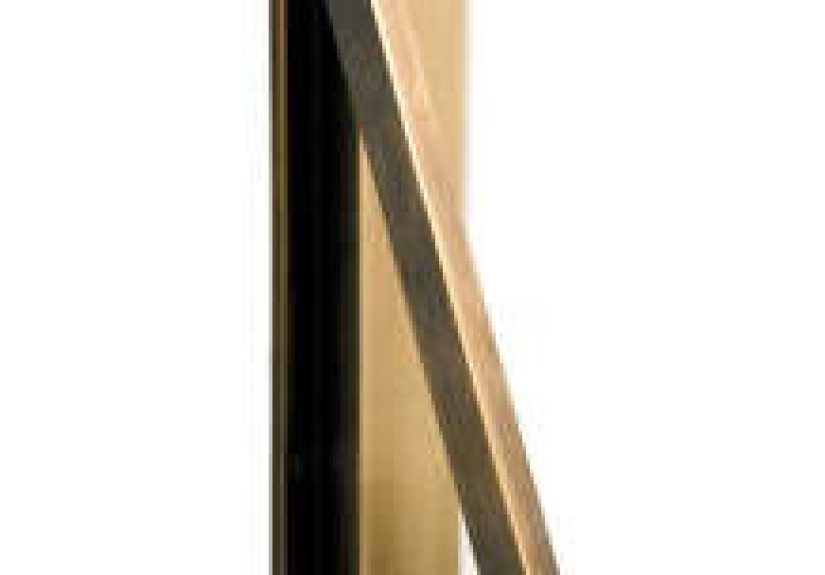
The most recognizable modern version is associated with a minimalist, sculptural form: a long vertical piece, often machined or cast from durable metal, mounted to the face of the door. The result is part tool, part entryway jewelry, and part tiny architectural sculpture. It is the kind of detail people notice without immediately knowing why the door suddenly looks more expensive.
Good design often does that. It whispers, “I have standards,” while everyone else is yelling in faux-bronze scrollwork.
Why the Pendulum Door Knocker Stands Out
The modern pendulum door knocker appeals because it combines three things homeowners love: function, curb appeal, and personality. It gives visitors a clear way to announce themselves, adds visual interest to the entry, and communicates a design point of view before anyone steps inside.
1. Minimalist Style With Real Presence
A minimalist door knocker can be tricky. Too small, and it looks accidental. Too plain, and it looks like leftover hardware from a filing cabinet. The pendulum design avoids both problems by using size, symmetry, and material weight to create presence. It does not need flowers, claws, or a lion’s face with a surprisingly judgmental expression.
On a tall wood door, a pendulum knocker can visually lengthen the entry. On a painted door, it becomes a crisp focal point. On a modern steel or fiberglass door, it reinforces clean architectural lines. It is especially effective on homes with contemporary, mid-century modern, Scandinavian, industrial, or transitional styling.
2. A Better First Impression
Curb appeal is not just landscaping and paint color. Front door hardware plays a major role in how finished a home feels. A quality door knocker tells visitors that the details matter. It says the entry was considered, not merely assembled during a Saturday hardware-store panic.
For homeowners who want a refined entry without replacing the entire door, a pendulum door knocker can be a high-impact upgrade. It is smaller than a new door, less dramatic than repainting the whole exterior, and much easier than explaining to your family why you bought another porch light.
3. Tactile Satisfaction
The best front door hardware feels good in the hand. A pendulum door knocker should have enough heft to feel substantial without being awkward. When the handle swings and lands, the sound should be confident, not tinny. That tactile experience is one of the reasons people still love door knockers in the age of video doorbells.
A doorbell says, “Someone pressed a button.” A knocker says, “Someone has arrived.” There is a difference.
Common Materials and Finishes
Material matters because a door knocker lives outside. It deals with rain, sun, temperature changes, fingerprints, humidity, and the occasional overenthusiastic delivery driver. The right finish should match your home’s style and your tolerance for maintenance.
Brushed Stainless Steel
A brushed stainless steel door knocker is a strong choice for modern homes. It looks clean, resists corrosion well, and pairs nicely with glass, concrete, black paint, natural wood, and contemporary house numbers. The brushed texture also helps hide minor smudges better than mirror-polished metal.
Brass
A brass door knocker adds warmth and classic charm. It works beautifully on navy, black, forest green, burgundy, cream, and natural wood doors. Brass can be polished for shine or allowed to develop patina over time. If you love that old-house glow, brass is your friend. If you demand permanent mirror brightness with no effort, brass may test your character.
Antique Brass
Antique brass offers a softer, aged appearance right away. It is ideal for traditional homes, historic-inspired entries, and anyone who wants warmth without the bright flash of polished brass. It can make new hardware feel settled and established.
Oil-Rubbed Bronze
Oil-rubbed bronze is dark, rich, and versatile. It pairs well with Craftsman doors, rustic wood, brick homes, and warm exterior palettes. It has a grounded look that feels less formal than polished brass but more traditional than stainless steel.
Black Finish
Black front door hardware remains popular because it is crisp, graphic, and easy to coordinate with hinges, handlesets, lighting, and mailbox hardware. A black pendulum door knocker can look especially sharp on white, gray, natural oak, or stained wood doors.
How to Choose the Right Pendulum Door Knocker
Before buying, look beyond the product photo. A door knocker must work with your door size, material, color, architectural style, and existing hardware.
Match the Scale to the Door
A substantial pendulum design looks best when it has enough visual space. On a large front door, oversized hardware can feel intentional and luxurious. On a narrow door with glass panels, sidelights, or raised panels, a more compact knocker may be better. The goal is balance, not “hardware wearing a door as a backpack.”
Coordinate With Existing Hardware
Your door knocker does not have to match every metal on the porch perfectly, but it should feel related. If your lockset, house numbers, mailbox, and exterior lights are matte black, a black pendulum knocker is the easy win. If you have warm brass lighting, brass or antique brass will look cohesive. Mixed metals can work, but they need intention.
Think About Door Color
Contrast is your friend. Stainless steel pops against dark doors. Brass glows against green, blue, and black. Oil-rubbed bronze feels rich on lighter stained wood. Black creates a clean outline on white, pale gray, and natural wood. If the knocker disappears into the door color, you lose much of the design impact.
Consider Personalization
Some modern door knockers can be personalized with engraving, such as a house number. This can be useful when you want a streamlined entry without separate numerals crowding the door. Just make sure the engraved detail remains readable from a reasonable distance.
Installation Tips for a Pendulum Door Knocker
Installing a door knocker is usually a manageable project, but accuracy matters. A beautiful piece of hardware installed crookedly will haunt you every time you carry groceries inside.
Choose the Right Height
Most door knockers look and function best around eye to shoulder level, often roughly four to five feet from the ground depending on the door and household needs. On an 80-inch door, placing the knocker about two-thirds of the way up often creates a pleasing proportion. The key is comfort and visual balance.
Center It Carefully
For a solid door, center the knocker horizontally unless the design of the door suggests otherwise. If your door has panels, glass, or a central stile, align the knocker with the strongest visual center. Use painter’s tape to mark placement before drilling. Step back, squint, reconsider your life choices, adjust, and only then drill.
Use the Right Fasteners
Some knockers are surface-mounted with screws; others use through-bolts. The door material matters. Wood, fiberglass, and metal doors may require different bits, anchors, or fasteners. Always check the manufacturer’s instructions and avoid screws that are too long for the door thickness.
Protect the Finish
When installing, place a soft cloth under tools and avoid dragging metal across the surface. Tighten hardware securely, but do not over-tighten to the point that you damage the door or distort the mounting plate.
Care and Maintenance
A pendulum door knocker does not require spa-level pampering, but it does appreciate basic care. Dust and wipe it regularly with a soft cloth. For most finishes, a damp cloth and mild dish soap are enough. Dry the hardware completely afterward, especially with brass and bronze finishes.
Avoid harsh abrasives unless the manufacturer specifically recommends them. On brass or bronze, strong chemical cleaners can remove patina, streak the surface, or damage protective coatings. Ammonia-based products should be used cautiously around brass and bronze hardware. When in doubt, gentle cleaning wins.
If your door knocker has a living finish, expect it to change over time. That is not failure; that is character. Patina can give hardware depth and a sense of age. However, if you prefer a cleaner look, routine wiping and occasional approved polishing can help maintain the finish.
Best Door Styles for a Pendulum Door Knocker
The pendulum door knocker is flexible, but it shines brightest on doors that let its shape breathe.
Modern Flush Doors
Flat slab doors provide the perfect backdrop. A pendulum knocker adds dimension and visual rhythm without cluttering the design.
Wood Entry Doors
Natural wood adds warmth, while metal hardware adds contrast. Stainless steel feels crisp; brass feels classic; black feels bold.
Painted Traditional Doors
On paneled doors, a simple pendulum shape can modernize the look without fighting the architecture. It works especially well when paired with simple house numbers and a clean handleset.
Urban and Industrial Entries
For lofts, townhouses, and homes with metal railings or concrete steps, a geometric knocker reinforces the industrial mood while still feeling welcoming.
Pendulum Door Knocker vs. Doorbell
Do you need a door knocker if you already have a doorbell? Not necessarily, but they serve different purposes. A doorbell is practical. A knocker is practical and decorative. A video doorbell handles security and notifications. A door knocker handles charm, presence, and the satisfying sound of metal meeting metal.
Many homes use both. The doorbell is for deliveries, quick visits, and people who are afraid of touching decorative hardware. The knocker is for guests, style, and that little old-world ritual that makes an entry feel personal.
Is a Pendulum Door Knocker Worth It?
Yes, if you value design details and want a front door upgrade that feels distinctive. A pendulum door knocker is not the cheapest piece of entryway hardware, but it can make a plain door look custom. It is especially worthwhile when the material is solid, the finish suits the home, and the scale is right.
Think of it as the watch of the front door. You can tell time with your phone, but a good watch still says something. Likewise, people can ring a bell, but a beautiful door knocker gives the entrance personality.
Practical Experiences With a Pendulum Door Knocker
In real-world use, the first thing people tend to notice about a pendulum door knocker is not the technical specification. It is the feel. A well-made piece has weight, and that weight changes the entire experience. When visitors lift the handle, there is a pause before the knock lands. That tiny pause makes the action feel deliberate. It is not a plastic button press. It is a small ceremony.
Homeowners who choose this style often describe it as the detail that finally made the front door look finished. One example is a simple black-painted door on a white house. Before the hardware upgrade, the entry looked clean but flat. After adding a brushed stainless steel pendulum knocker with matching modern house numbers, the same door felt sharper and more architectural. Nothing major changed, yet the entry gained confidence. That is the magic of well-chosen front door hardware: it can make a modest door look designed rather than merely installed.
Another common experience involves older homes. A homeowner with a brick colonial or Craftsman-style house may worry that a minimalist door knocker will look too modern. Surprisingly, it can work beautifully when the finish is right. Antique brass or oil-rubbed bronze softens the geometry and connects the piece to traditional materials. The result is not cold or trendy. It feels like an updated classic, especially when paired with warm porch lighting and a simple wreath.
Installation experiences are usually positive when people take time with placement. The most frequent mistake is rushing the measuring stage. A pendulum door knocker has strong vertical lines, so even a small tilt can be obvious. The best approach is to tape a paper template to the door, step back to the sidewalk, look from different angles, and check alignment against panels, glass, and the lockset. It may feel excessive, but it is much easier than explaining why the new knocker looks like it is trying to escape sideways.
Sound is another pleasant surprise. A quality knocker produces a deeper, more resonant knock than lightweight decorative hardware. On a solid wood door, the sound can feel warm and substantial. On a metal or fiberglass door, it may be brighter, so proper mounting and a strike plate can help. The sound matters because it affects how premium the hardware feels. A dull tap can make even expensive hardware seem underwhelming; a clean knock gives the whole entry more authority.
Maintenance experiences depend heavily on finish expectations. People who choose stainless steel usually appreciate the low-maintenance appearance. A quick wipe removes dust and fingerprints. Brass owners, however, often split into two camps: polishers and patina lovers. Polishers enjoy keeping the hardware bright and golden. Patina lovers prefer the darker, lived-in glow that develops naturally. Neither group is wrong, though the patina people usually spend less time holding a cloth and muttering at the weather.
The biggest long-term lesson is that a pendulum door knocker works best when the rest of the entry supports it. Add a clean doormat, visible house numbers, healthy planters, and lighting that does not resemble a forgotten campground fixture. The knocker can be the focal point, but it should not be doing all the emotional labor. When the entry feels cohesive, the pendulum door knocker becomes more than hardware. It becomes the punctuation mark at the end of the home’s first sentence.
Conclusion
A Pendulum Door Knocker is a small upgrade with a big personality. It blends minimalist design, practical function, and tactile satisfaction in a way few entryway accessories can. Whether finished in brushed stainless steel, brass, antique brass, oil-rubbed bronze, or black, it can sharpen curb appeal and make the front door feel more intentional.
The best choice depends on your home’s architecture, door color, existing hardware, and preferred maintenance level. Choose the right scale, install it carefully, clean it gently, and let the material do what good materials do: age, shine, and welcome people with style.
In a world full of buzzing doorbells and blinking cameras, the pendulum door knocker brings back something refreshingly human. It is simple. It is useful. It has rhythm. And honestly, your front door deserves a little drama.