Table of Contents >> Show >> Hide
- What Is Pine Pollen, Exactly?
- What’s In Pine Pollen?
- Potential Benefits of Pine Pollen (What’s Plausible vs. Proven)
- Common Uses and Forms
- How to Choose a Safer Pine Pollen Supplement
- Pine Pollen Side Effects and Safety Concerns
- What the Science (and U.S. Label Rules) Actually Mean for You
- Quick FAQ
- Real-World Experiences With Pine Pollen (A 500-Word Reality Check)
- Conclusion
Pine pollen is having a moment. It’s in smoothie bowls, in tincture droppers, and in internet threads where someone’s cousin’s trainer’s roommate swears it
“changed everything.” But what is it, what does science actually support, and what should you watch out for before you sprinkle it into your morning routine?
This guide breaks down what pine pollen is, the most common claims (and the reality check behind them), how it’s used, and the side effectsespecially the
allergy risks. Expect a friendly deep-dive with a healthy dose of “cool story… now show me the evidence.”
What Is Pine Pollen, Exactly?
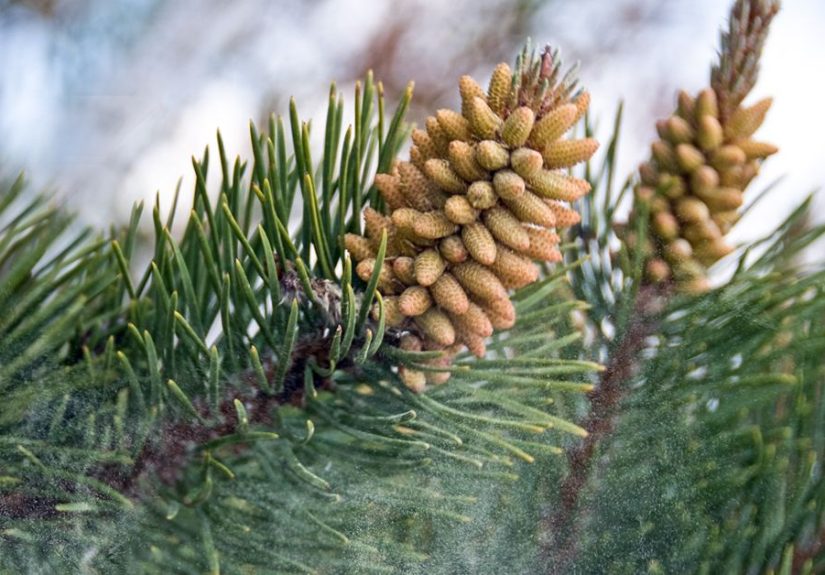
Pine pollen is the fine, yellow powder released by male pine cones during pollination season. In nature, its job is simple: help pine trees reproduce.
In supplement land, it’s collected, dried, and sold as a powder, capsule, or alcohol-based tincture.
A quick clarification that saves confusion later: pine pollen isn’t the same as pine nuts (food), pine bark extract (a different supplement),
or bee pollen (pollen collected by bees from many plants). Pine pollen is a single plant source; bee pollen is a mixed “mystery grab bag” that can include
allergens from multiple species.
What’s In Pine Pollen?
Pine pollen is often described as “nutrient dense,” and it can contain a mix of:
- Micronutrients: small amounts of vitamins and minerals (levels vary widely by species, location, and processing).
- Amino acids and proteins: plant proteins in variable amounts.
- Plant compounds: polyphenols and flavonoidsantioxidant-type compounds found in many plants.
- Plant sterols and other bioactives: compounds that sometimes get discussed in “hormone support” marketing.
Here’s the catch: supplement labels rarely tell you exactly which pine species was used, what the pollen’s active compounds measure out to, or how much survives
processing. Two jars can both say “pine pollen” and still be very different products.
Potential Benefits of Pine Pollen (What’s Plausible vs. Proven)
1) Antioxidant and anti-inflammatory potential
Pine pollen contains antioxidant-type plant compounds, which is why you’ll see claims about “fighting oxidative stress” or “supporting inflammation balance.”
In lab and animal research, pollen extracts can show antioxidant and anti-inflammatory activity. That’s interestingbut not the same thing as proving a real-world
benefit in humans taking over-the-counter supplements.
Translation: it’s reasonable to say pine pollen contains compounds associated with antioxidant activity. It’s not reasonable to promise it treats inflammation-related
conditions or replaces proven therapies.
2) Metabolic support (cholesterol and blood sugar)
You’ll also see pine pollen discussed in the context of cholesterol and blood sugar. Some traditional use and small studies suggest possible metabolic effects.
Reviews of clinical uses (often outside the U.S.) describe pine pollen being studied for a range of conditions, sometimes as a topical product and sometimes as an
adjunctnot a stand-alone cure.
Bottom line: there are signals worth researching, but the evidence isn’t strong enough to treat pine pollen as a reliable tool for cholesterol or glucose control.
If you’re managing diabetes or high cholesterol, a supplement shouldn’t be your “main character.”
3) Skin soothing and topical uses
One of the more grounded areas of pine pollen use is topical applicationpowders or ointments used to soothe irritated skin. Clinical reports and reviews have looked at
pine pollen for issues like dermatitis and skin irritation. This doesn’t mean it’s a magic dust (no matter how sparkly your wellness influencer makes it sound),
but it helps explain why pine pollen shows up in some traditional skin applications.
If you try topical products, patch-test first. “Natural” is not a synonym for “can’t irritate your skin.”
4) Testosterone and “hormone support” claims
This is the headline-grabber: pine pollen is sometimes marketed as a “natural testosterone” or “androgen support” supplement.
Here’s what’s trueand what’s often oversold:
-
True: pine pollen may contain small amounts of hormone-like compounds and plant sterols, and there are limited human studies and reports exploring
testosterone-related outcomes. - Unclear: whether those compounds survive digestion in meaningful amounts, and whether typical supplement doses reliably change hormone levels.
- Not proven: that pine pollen safely and consistently raises testosterone for most people, or improves symptoms better than placebo.
If you see promises like “replace TRT naturally,” treat that as a flashing neon sign that says marketing. Hormones are powerful, and meaningful hormone
changes can affect acne, mood, fertility, sleep, and underlying health conditions. If hormone balance is a real concern, it’s worth talking with a clinician and getting
proper testing rather than guessing with a supplement.
5) Immune support… and the allergy irony
Pine pollen is sometimes promoted for immune support. The irony: if you’re sensitive to pollen, pine pollen is also one of the supplements most likely to cause
unpleasant reactions. And if you’ve heard the idea that “eating pollen helps seasonal allergies,” that’s not well-supportedmedical allergy therapies are very different
from casually ingesting pollen products.
Common Uses and Forms
Pine pollen is sold in a few main forms. Each has pros and cons:
Powder
- How people use it: mixed into smoothies, yogurt, coffee, or sprinkled on food.
- Pros: flexible, easy to add to recipes.
- Cons: taste can be earthy/resin-like; can cause GI upset for some people; easy to overdo.
Capsules/tablets
- How people use it: like any supplementswallow and go.
- Pros: convenient, avoids taste.
- Cons: quality varies; dosages differ widely; “proprietary blends” can hide what you’re actually getting.
Tinctures/extracts
- How people use it: drops in water or under the tongue (depending on product directions).
- Pros: some prefer extracts for ease of digestion.
- Cons: alcohol content may matter for some people; strength and standardization vary a lot.
Topicals
- How people use it: creams, salves, powders for irritated skin.
- Pros: avoids swallowing an allergen-containing product.
- Cons: still possible to irritate skinpatch-test first.
How to Choose a Safer Pine Pollen Supplement
Supplements don’t go through the same pre-market testing as prescription medications. That doesn’t mean all supplements are badit means shopping smart matters.
- Look for third-party testing: certifications (such as NSF/USP-type programs) can help confirm the product contains what the label says.
- Avoid vague “proprietary blends”: you want transparency on amounts and ingredients.
- Check for allergen statements: especially if you have seasonal allergies, asthma, or prior reactions to herbal products.
- Be wary of dramatic claims: “cures,” “treats,” or “replaces hormones” is a credibility problemand may also be a regulatory red flag.
Pine Pollen Side Effects and Safety Concerns
Pine pollen is often described as “well tolerated,” but that doesn’t mean “risk free.” The most important safety issues are allergy-related.
Allergic reactions
If you have hay fever, pollen allergies, or asthma, pine pollen can trigger symptoms such as itching, hives, congestion, wheezing, or worsening asthma.
Severe allergic reactions are uncommon but possible with pollen-based products.
Digestive upset
Some people report nausea, bloating, or stomach discomfortespecially when starting or taking larger amounts. This isn’t unique to pine pollen; powders and
botanicals can be rough on sensitive stomachs.
Hormone-related caution
Because pine pollen is marketed for testosterone/hormone support, it’s smart to be cautious if you have a hormone-sensitive condition or you’re taking hormone-related
medications. “Natural” hormone claims can be messy in real life, and research is limited.
Medication interactions and surgery
Many supplements can interact with medications or complicate surgery (for example, affecting bleeding risk or anesthesia response). If you’re taking medications,
managing a chronic condition, or have surgery scheduled, it’s wise to ask a healthcare professional about supplement useincluding pine pollen.
Who should avoid pine pollen (or get medical guidance first)
- People with pollen allergies or asthma (higher risk of reactions).
- Children and teens (limited safety research; extra caution is appropriate).
- Pregnant or breastfeeding people (lack of safety data).
- Anyone on multiple medications or managing complex health conditions.
Important note: This article is educational and not medical advice. If you’re considering pine pollen for a specific health goal, especially a hormone or
metabolic goal, a clinician can help you separate “could be helpful” from “could backfire.”
What the Science (and U.S. Label Rules) Actually Mean for You
In the U.S., dietary supplements can be sold without the same pre-approval process required for medications. Companies can use “structure/function” language like
“supports vitality” or “promotes immune health,” but they’re not supposed to claim a supplement diagnoses, treats, cures, or prevents disease.
Practically, this means two things:
- Evidence varies wildly: some supplements are well studied; others have thin or inconsistent data.
- Quality varies too: third-party testing and brand transparency matter as much as the ingredient itself.
Quick FAQ
Is pine pollen the same as bee pollen?
No. Bee pollen is collected by bees from many plants. Pine pollen is from pine trees. Both can trigger allergies, but bee pollen can expose you to a wider range of allergens.
Does pine pollen boost testosterone?
There are limited studies and a lot of marketing. The idea isn’t impossible, but it’s not proven as a reliable, consistent testosterone boosterespecially not in typical
store-bought doses.
Can pine pollen help seasonal allergies?
There’s no strong evidence that ingesting pollen products treats seasonal allergies. If you’re allergy-prone, pine pollen is more likely to worsen symptoms than fix them.
How long does it take to “feel” something?
Reports vary and are often subjective. If someone feels a change, it could be placebo, a stimulant-like effect from changing routines, or simply better sleep and hydration.
If you notice adverse symptoms, stop and get medical advice.
Real-World Experiences With Pine Pollen (A 500-Word Reality Check)
Let’s talk about experiencesbecause pine pollen has plenty of them online. Just remember: anecdotes are not proof. They’re clues, and sometimes they’re just vibes.
Experience #1: “I felt more energized… or I finally ate breakfast.”
A common story goes like this: someone adds pine pollen powder to a smoothie and feels “clean energy” within a week. When you zoom out, the smoothie also included
protein, fruit, and maybe a better routinelike eating a real breakfast instead of surviving on caffeine fumes. In that situation, pine pollen might be along for the ride,
but the biggest benefit may be the habit change.
The helpful takeaway isn’t “pine pollen is rocket fuel.” It’s: if you pair a supplement with better sleep, consistent meals, and hydration, you may feel betterregardless of
which jar is on the counter.
Experience #2: “My stomach had opinions.”
Another frequent report is digestive discomfort: bloating, mild nausea, or a “my gut is filing a complaint” feelingespecially with powders. That doesn’t automatically mean
pine pollen is dangerous; it can mean the dose was too high, the powder didn’t agree with the person, or the product quality was questionable. People who switch to a capsule
(or stop altogether) often say the problem disappears.
The pattern is consistent with many botanical supplements: your digestive system is the bouncer, and it does not care how natural your ingredient is.
Experience #3: “Allergy season + pine pollen = bad math.”
The most important experience trend is also the least glamorous: allergy-like symptoms. People who already deal with seasonal allergies sometimes try pine pollen hoping
it will “train” their immune system. Instead, they may notice more congestion, itchy eyes, or wheezing. This makes sensepollen is a common trigger, and ingesting or
inhaling pollen particles can aggravate sensitive immune systems.
Online, you’ll also find the opposite story: someone with no allergy history takes pine pollen and feels fine. That’s plausible too. The problem is that you can’t predict
who will react just by reading a five-star review written at 2 a.m. by “NatureWarrior_99.”
Experience #4: “It helped my libido/confidence.”
Hormone-related experiences are tricky. Some users report improved libido, mood, or workout drive. Those outcomes can be influenced by sleep, stress, relationships,
training changes, and expectancy effects (placebo is powerful and not “fake”it’s your brain doing brain things). Because evidence for pine pollen’s testosterone effects is
limited and inconsistent, it’s hard to tie these experiences directly to hormone changes without lab testing.
A grounded approach is to treat “felt better” as meaningfulbut not automatically proof of a hormone shift. If hormones are a serious concern, objective testing and medical
guidance beat guesswork every time.
Conclusion
Pine pollen is an intriguing natural product with antioxidants and a long history of traditional useplus a modern reputation that sometimes runs ahead of the research.
The most reasonable view is balanced: there may be potential benefits, but human evidence is limited, quality varies, and allergy risk is real.
If you’re curious, prioritize product quality, be cautious about bold hormone claims, and take allergy warnings seriously. And if you’re using it to address a specific health
issueespecially hormones, asthma, or metabolic concernstalk with a healthcare professional so you’re not relying on wishful thinking (or a stranger’s comment section).