Table of Contents >> Show >> Hide
- Table of Contents
- Quick Snapshot: What You’re Actually Buying
- Why Puebco (and Why This Set Feels Different)
- Why Glass Makes Pour-Over More Fun (and More Honest)
- How to Use the Puebco Glass Coffee Dripper Set
- A Foolproof Starter Recipe (With Tasty Variations)
- Dialing It In: Fix Bitter, Sour, Weak, or “Meh” Coffee
- Small Upgrades That Make a Big Difference
- Cleaning & Care: Keep It Clear, Keep It Classy
- How It Compares to Other Pour-Over Brewers
- FAQ
- Experiences: Living With the Puebco Glass Coffee Dripper Set
Some coffee gear screams, “I own a spreadsheet for my spreadsheets.” The Puebco Glass Coffee Dripper Set whispers, “I make one really good cup, and I look great doing it.” It’s a compact, all-glass pour-over setup (dripper + little pot) that turns your morning into a small ceremonywithout requiring a PhD in flow rate or a shrine to stainless steel.
In this guide, we’ll break down what the set is, why glass matters, how to brew a consistently tasty cup with it, and how to keep it sparkling without treating it like a fragile museum artifact. We’ll also get into the real-life “living with it” experiences at the endbecause coffee is supposed to be enjoyed, not auditioned for.
Quick Snapshot: What You’re Actually Buying
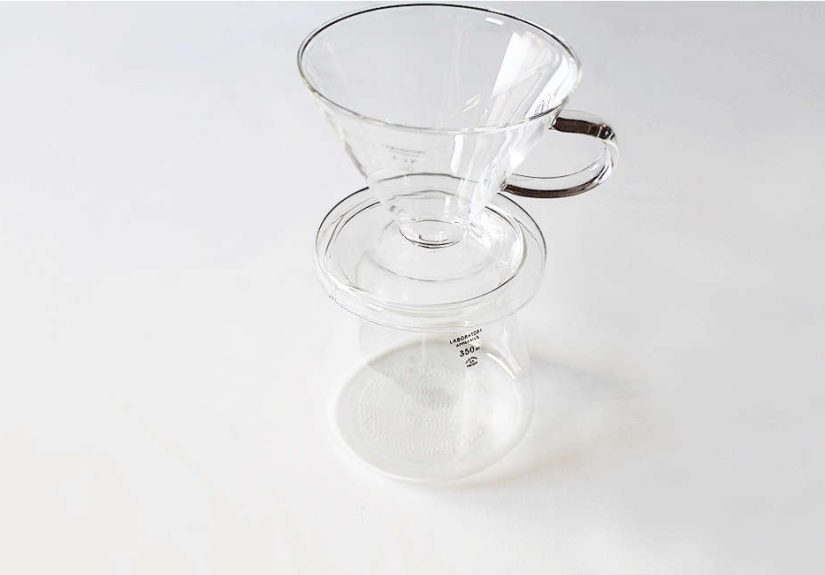
The Puebco Glass Coffee Dripper Set is a minimalist pour-over kit made from heat-resistant borosilicate glass. It includes two main parts:
- Glass dripper (the top piece that holds your filter + coffee)
- Glass pot (the bottom vessel that catches the brewed coffee)
It’s intentionally compactmore “one perfect mug” than “coffee for the entire neighborhood.” In many listings, it’s positioned as a simple, giftable setup for hand brewing: easy to set on a counter, easy to put away, easy to admire.
Key details you’ll see across US retailers
- Material: Borosilicate glass (heat-resistant)
- Origin listed: Made in China
- Size (approx.): Dripper about 4″ tall and 5″ wide; pot about 4″ tall and 4″ wide
- Typical capacity vibe: Roughly a single generous cup (often described around the 12 oz / ~350 ml neighborhood)
Translation: it’s built for the person who wants a clean, clear pour-over experience without committing to a countertop takeover.
Why Puebco (and Why This Set Feels Different)
Puebco is known for everyday objects that feel like they’ve already lived a littleitems with a practical purpose and a subtle, “Where did you find that?” personality. Many US stockists describe the brand’s philosophy as valuing objects that carry a sense of history and character, often influenced by found materials and handmade processes.
Now, this dripper set isn’t a rugged piece of reclaimed industrial hardwareit’s glass. But it still fits the Puebco attitude: functional first, with design that doesn’t shout. It’s a small ritual object. You’ll use it daily, it’ll pick up tiny signs of life, and it’ll quietly elevate your routine in a way that feels effortless.
Why Glass Makes Pour-Over More Fun (and More Honest)
Glass pour-over brewers have a few advantages that are genuinely practical (not just “I saw it on Instagram and now I’m a barista”). Here’s why the material matters:
1) Glass is flavor-neutral
Borosilicate glass doesn’t add metallic notes or hold onto odors the way some plastics can. If your coffee tastes weird, you can’t blame the brewer. (That honor belongs to your grind size, water, or the fact that you bought beans labeled “mocha unicorn caramel explosion.”)
2) You can literally watch extraction happen
With clear glass, you see the bloom expand, the slurry rise and fall, and the drawdown speed. That visibility helps you learn faster: if it drains too quickly, you can adjust next time; if it chokes and stalls, you’ll see it coming before your cup turns into “bitter patience.”
3) Heat-resistant doesn’t mean heat-proof
Borosilicate is designed to handle hot liquids, but glass still doesn’t love sudden temperature shock. The trick is simple: preheat the dripper and pot with hot water before brewing. This improves temperature stability and is kinder to the glass. It also makes your coffee taste better. Everybody wins.
How to Use the Puebco Glass Coffee Dripper Set
If you’ve never made pour-over before: relax. You’re basically making coffee the slow, intentional waylike a tiny waterfall with a timer. You’ll need coffee, hot water, a filter, and approximately 3 minutes of pretending you’re in a cozy commercial.
Step-by-step pour-over workflow
- Heat your water. A common sweet spot for pour-over is roughly 195°F to 205°F. If you don’t have a temperature kettle, bring water to a boil and let it sit briefly before pouring.
- Preheat + rinse. Place the dripper on the pot. Add a paper filter. Rinse the filter with hot water to remove papery taste and warm the glass. Dump the rinse water.
- Add coffee. Start with a medium grind (think sand that’s had a good night’s sleepgrains are distinct but not chunky). Level the bed with a gentle shake.
- Bloom (30–45 seconds). Pour just enough water to fully saturate the groundsusually about 2–3x the coffee weight. Let it bubble and swell. That’s CO₂ escaping, and it helps the coffee extract more evenly.
- Pour in slow circles. Add the rest of your water in controlled pours. Aim for a steady flow, keeping the water mostly over the coffee bed instead of blasting the filter walls.
- Let it draw down. When the final water drains through, remove the dripper, discard the filter, and pour from the pot into your mug (or drink directly if you’re feeling boldly minimalist).
The biggest mindset shift: pour-over is less about speed and more about consistency. If you can repeat the same steps each time, you can improve your cup each time. That’s the secret sauce.
A Foolproof Starter Recipe (With Tasty Variations)
Let’s use a classic starting point that’s widely recommended for pour-over: a ratio around 1:16 (coffee:water), adjusting stronger (1:14–1:15) or lighter (1:18–1:20) to taste.
Starter recipe: “One great cup”
- Coffee: 20 g
- Water: 320 g (about 320 ml)
- Water temperature: ~200°F (anywhere from 195°F–205°F works)
- Grind: Medium
- Total brew time: ~2:30 to 3:30 (a useful target range)
How to pour (simple and repeatable)
- Bloom: Pour 50 g water. Wait 30–45 seconds.
- Second pour: Slowly pour to 200 g by about 1:15.
- Final pour: Pour to 320 g by about 2:00.
- Drawdown: Let it finish. If it’s done way before 2:30, grind a bit finer. If it drags past 3:30–4:00, go slightly coarser.
Flavor variations (no drama, just tweaks)
- Want it stronger and richer? Try 22 g coffee to 320 g water (or keep 20 g and reduce water to 300 g).
- Want it lighter and tea-like? Keep 20 g coffee, increase water to 340–360 g, and keep the pour gentle.
- Using darker roast? Aim closer to 195°F–200°F to avoid harsh bitterness.
- Using lighter roast? Aim closer to 203°F–205°F to help pull sweetness and clarity.
Pour-over is a controlled experiment you actually get to drink. Delicious science. Minimal lab coat required.
Dialing It In: Fix Bitter, Sour, Weak, or “Meh” Coffee
When pour-over coffee goes wrong, it usually goes wrong in predictable ways. The good news: predictable problems have predictable fixes.
If it tastes sour, sharp, or thin (under-extracted)
- Grind a bit finer
- Use slightly hotter water
- Pour a bit slower to increase contact time
- Make sure the bloom fully saturates the coffee (no dry pockets)
If it tastes bitter, harsh, or drying (over-extracted)
- Grind a bit coarser
- Use slightly cooler water
- Avoid over-pouring directly on the filter walls (can pull papery bitterness)
- Shorten the total brew time by pouring more efficiently
If it tastes flat or “whatever”
- Check bean freshness (stale beans = stale results)
- Use filtered water (coffee is mostly wateryour tap water’s personality shows up in the cup)
- Improve grind consistency (a burr grinder can be a bigger upgrade than a new brewer)
Think of the Puebco set as a clear window into your technique. It’s not judging you. It’s simply revealing the truth. Like a very polite coffee mirror.
Small Upgrades That Make a Big Difference
You don’t need a gadget parade, but a few basics make pour-over dramatically easier and more repeatable.
A digital scale
Measuring coffee by tablespoons is like measuring pasta by “vibes.” It can work, but it’s not consistent. A scale gives you repeatability, which gives you better coffee faster.
A burr grinder
Consistent grind size is a big deal. If your grind is half boulders and half dust, your cup will taste confusing. A burr grinder helps the water extract evenly, which usually means cleaner sweetness and fewer “why is this both sour and bitter?” moments.
A gooseneck kettle (nice, not mandatory)
A controlled pour helps you saturate the bed evenly. You can still make good coffee without a gooseneck kettle, but it’s much easier to be consistent with oneespecially with smaller brews like this set encourages.
Water you’d actually drink
If your water tastes like pool noodles and disappointment, your coffee will too. Filtered water is often the easiest win.
Cleaning & Care: Keep It Clear, Keep It Classy
Glass is wonderfully honest: it looks amazing when it’s clean, and it looks… extremely truthful when it’s not. The upside is that cleaning this set is simple.
Daily care (takes about 30 seconds)
- Discard the filter and rinse the dripper immediately after brewing.
- Rinse the pot with hot water so coffee oils don’t cling and turn into “mystery aroma.”
- If needed, use mild soap and a soft sponge. Avoid abrasive scrubbers that can scratch the glass.
Deep clean (when things start looking a little too “seasoned”)
- Soak with warm water and a small amount of gentle dish soap.
- For coffee film, a baking-soda paste can help (gentle rubbing, then rinse well).
- For mineral scale (more common in kettles), keep an eye on your water hardness and descale your kettle as needed.
Avoid thermal shock
Heat-resistant borosilicate is tougher than standard glass, but “tough” doesn’t mean “invincible.” Don’t take a cold glass pot and immediately blast it with boiling water. Preheat first. Your coffee will taste better and your glass will live a longer, happier life.
How It Compares to Other Pour-Over Brewers
The Puebco Glass Coffee Dripper Set sits in a sweet spot: it’s simpler than many specialty brewers, but still gives you the control and clarity that makes pour-over worth doing.
Versus a classic cone dripper (like many V-shaped brewers)
Cone brewers are famous for clarity and bright flavors, but they can be sensitive to technique. The Puebco set is also technique-driven, but the included pot makes it feel like a self-contained “brew + serve” system. It’s a nice, compact ritual.
Versus a flat-bottom dripper
Flat-bottom brewers are often described as a little more forgiving and consistent. If you’re brand-new and want maximum forgiveness, flat-bottom might feel easier. If you enjoy learning by doingand seeing everything in glassthe Puebco set is a fun teacher.
Versus a Chemex-style setup
Chemex brewing is beautiful and clean-tasting, but it’s usually bigger and uses thick filters that change the cup profile. The Puebco set is smaller, faster, and better suited for daily single-cup brewing without feeling like you’re running a café.
Bottom line: if you want a compact, good-looking, glass-based pour-over routine that feels intentional but not precious, this set fits the assignment.
FAQ
What filters work with the Puebco Glass Coffee Dripper Set?
Many people use standard pour-over paper filters that fit small drippers. Because the set is compact, start with small cone-style filters and adjust if needed. The goal is simple: the filter should sit securely, allow water flow, and not collapse into the brew. If you already have filters at home, test onecoffee is flexible like that.
Is the pot a mug or a server?
It functions like a small server. Brew into it, swirl the coffee to mix layers, then pour into your cup. You can drink from it if you wantno one is stopping youjust be mindful of heat.
Is it dishwasher safe?
Some glassware is, some isn’t, and listings vary. If your retailer doesn’t explicitly say dishwasher-safe, the safest move is gentle hand washing. Borosilicate holds up well, but your future self will appreciate fewer surprises.
Why does my brew time vary so much day to day?
Beans age, humidity changes, grinders drift, and your pouring style isn’t as identical as you think (no offensenone of us are robots). Keep your ratio and technique consistent, then tweak grind size in tiny steps to stabilize brew time.
Experiences: Living With the Puebco Glass Coffee Dripper Set
Let’s talk about the part no product listing can capture: the day-to-day experience. Not “features,” not “specs,” but the tiny momentsbefore the caffeine hitswhen you’re standing in the kitchen, half awake, trying to produce something that tastes like optimism.
The first experience most people notice with the Puebco Glass Coffee Dripper Set is the visual feedback. With an opaque brewer, you’re guessing what’s happening inside. With this one, you can watch your coffee bloom like it’s doing a little morning stretch. When the grounds swell and release bubbles, it’s oddly satisfyinglike proof you’re using fresh-ish coffee and not the emergency beans that have been in the back of the cabinet since a different era of your personality.
Then there’s the rhythm. Pour-over can feel meditative, but only if you’re not stressed about “doing it right.” This set helps because it encourages a small batch: one cup, one pot, one simple process. You preheat, you rinse the filter, you pour, you wait. Your phone can wait, too. In a world where everything wants your attention, the dripper set quietly insists: “Just stand here and pour water in circles for three minutes.” And honestly? Sometimes that’s exactly what your brain needs.
There’s also a very real “oops” phaseusually around day twowhen you realize glass doesn’t magically fix everything. If you pour too aggressively, the water can tunnel through the grounds and you’ll see it happen. If your grind is too coarse, the drawdown finishes suspiciously fast, like your coffee is trying to escape your responsibility. If you grind too fine, the brew stalls, and you start bargaining with the universe: “I promise I’ll clean the grinder more often if you just give me coffee before my meeting.”
But that’s the charm: the set makes the learning curve feel friendly. You’re not locked into a machine’s mystery algorithm. You can change one variable and actually observe the result. The biggest “aha” moment for a lot of people is realizing that small changesa slightly finer grind, a slightly slower pour, a slightly hotter kettlecan transform the cup from “fine” to “wait, did I do that?”
Over time, the experience becomes less about technique and more about preference. Some mornings you’ll want a brighter, lighter cup with a longer ratio. Other mornings you’ll want something stronger and cozier. The Puebco set plays well with both, because it’s not trying to force a single style. It’s a simple tool that rewards attention when you have it and still produces a decent cup when you don’t.
And yes, it looks good. On a shelf, on a counter, next to your beansit has that quiet, minimalist presence. But the best part isn’t the aesthetic. The best part is the feeling when you pour the finished coffee from the little glass pot, catch the aroma, take the first sip, and realize your morning just got 10% more civilized. Not perfect. Not “I have my whole life together.” Just… better. One cup at a time. That’s the real experience.