Table of Contents >> Show >> Hide
- What Is the Difference Between Red and Green Enchilada Sauce?
- Which Enchilada Sauce Is Milder?
- What Flavor Does Red Enchilada Sauce Bring?
- What Flavor Does Green Enchilada Sauce Bring?
- Best Fillings for Red vs. Green Enchilada Sauce
- How to Make Enchilada Sauce Mild or Spicy
- Store-Bought vs. Homemade Enchilada Sauce
- Can You Use Both? Absolutely.
- Common Mistakes When Choosing Enchilada Sauce
- Final Verdict: Red or Green Enchilada Sauce?
- Kitchen Experiences: What This Choice Feels Like in Real Life
If enchiladas had a personality test, the first question would absolutely be: red sauce or green sauce? One is rich, earthy, and dramatic in a “lights down, candles lit, dinner is serious now” kind of way. The other is bright, tangy, lively, and ready to wake up your taste buds like it had an espresso ten minutes ago. The good news is that neither one is automatically better. The better news is that neither one is automatically hotter, either.
That is where a lot of home cooks get tripped up. People often assume red enchilada sauce means spicy and green enchilada sauce means mild. Not so fast, tortilla cowboy. Color tells you something about the ingredients and flavor direction, but it does not guarantee the heat level. A red sauce can be mellow and cozy, while a green sauce can sneak up on you and start a tiny bonfire on your tongue.
If you want to choose the right enchilada sauce for a mild or spicy flavor, the real question is not just red or green. It is what kind of red and what kind of green. Once you understand the taste, heat, and best pairings of each, choosing between enchilada sauce varieties becomes much easier. And much more delicious.
What Is the Difference Between Red and Green Enchilada Sauce?
Red Enchilada Sauce
Red enchilada sauce usually leans on dried red chiles, often with tomatoes or tomato paste, garlic, cumin, oregano, broth, and oil or a roux for body. The flavor is typically deeper, earthier, and a little smokier. Depending on the chiles used, it can also have subtle fruity notes, gentle sweetness, or a slow-building heat that feels warm rather than wild.
In plain English, red enchilada sauce tastes like it means business. It brings richness and depth, which is why it often works beautifully with cheese, beef, beans, and hearty chicken fillings. If your dinner goal is “cozy, saucy, and maybe a little messy in the best possible way,” red sauce is usually a strong bet.
Green Enchilada Sauce
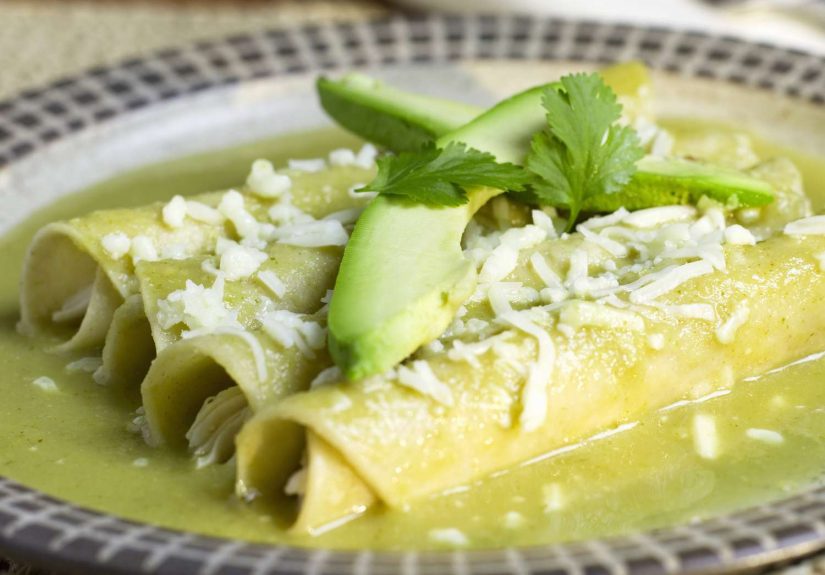
Green enchilada sauce is commonly made with tomatillos, green chiles, onion, garlic, cilantro, and broth. Some versions add jalapeños, poblanos, Anaheim peppers, or Hatch chiles, while creamy green sauces may also include sour cream, crema, or cheese. The flavor is brighter, fresher, and tangier than red sauce, with a clean zip that can make each bite feel lighter even when the enchiladas are stuffed with cheese.
If red sauce is the velvet blazer of enchilada sauces, green sauce is the crisp linen shirt. It has energy. It has lift. It has that tart little edge from tomatillos that cuts through rich fillings and keeps the whole dish from tasting too heavy.
Which Enchilada Sauce Is Milder?
Here comes the honest answer nobody likes at first and then eventually respects: either one can be mild, and either one can be spicy.
The heat level depends on the peppers in the sauce, the amount used, and whether you are making it from scratch or buying it from a jar or can. A mild red enchilada sauce often uses chiles such as ancho, which bring flavor, color, and warmth without turning dinner into a dare. A spicier red sauce may add hotter peppers or extra cayenne, chipotle, or arbol chile for more punch.
A mild green enchilada sauce may lean on tomatillos and milder green chiles like Anaheim or mild Hatch peppers. A hotter green sauce can include poblano, jalapeño, serrano, or a hotter Hatch variety. That is why green sauce sometimes surprises people. It tastes fresh and bright, so the spice can feel sneaky at first, then suddenly you are reaching for sour cream like it is your emergency contact.
So if you are choosing enchilada sauce for a mild flavor, do not pick by color alone. Pick by pepper. Read the label. Ask what chiles are in it. If you are making homemade enchilada sauce, control the heat yourself by choosing milder peppers and removing seeds and membranes where needed.
What Flavor Does Red Enchilada Sauce Bring?
Red enchilada sauce is usually the richer, rounder, more savory option. It has a fuller base note, which makes it excellent for comfort-food style enchiladas. If your filling includes ground beef, shredded beef, black beans, roasted sweet potatoes, or lots of melted cheese, red sauce often feels like the natural fit.
That does not mean red sauce is heavy in a bad way. A good red sauce has balance. The best versions do not just taste like tomato and chili powder. They have layers: chile depth, garlic, cumin, a little acidity, sometimes a whisper of sweetness, and enough body to coat the tortillas without drowning them.
Choose red enchilada sauce when you want:
Big savory flavor, an earthy profile, a slightly smoky taste, a sauce that stands up to hearty fillings, or a classic crowd-pleasing enchilada experience that feels familiar and satisfying.
What Flavor Does Green Enchilada Sauce Bring?
Green enchilada sauce is usually brighter and sharper, with a tang that keeps rich fillings from becoming too one-note. It is especially good with shredded chicken, pork, roasted vegetables, and creamy fillings. The tartness from tomatillos and the freshness from green chiles create a sauce that tastes lively instead of dense.
That fresh quality is exactly why many cooks love green sauce on busy weeknights. It makes enchiladas taste vibrant, even when you are using convenient ingredients like rotisserie chicken, canned beans, or jarred salsa verde. Green sauce can still be deeply savory, but it tends to feel a little more lifted on the palate.
Choose green enchilada sauce when you want:
A brighter flavor, a tangy finish, a sauce that complements lighter fillings, a fresher-tasting enchilada dinner, or a little more flexibility if you want to swing either mild or spicy without the sauce feeling too heavy.
Best Fillings for Red vs. Green Enchilada Sauce
Best Fillings for Red Sauce
Red enchilada sauce pairs especially well with ground beef, shredded beef, cheese, black beans, pinto beans, roasted sweet potatoes, mushrooms, and Tex-Mex style fillings. It also works well with chicken when you want a richer final dish instead of a tangier one.
A practical example: if you are making enchiladas for a group that includes picky eaters, red sauce is often the safer option. It tastes familiar, and when the spice is kept moderate, it lands squarely in comfort-food territory.
Best Fillings for Green Sauce
Green enchilada sauce is a natural match for shredded chicken, pulled pork, white beans, zucchini, corn, roasted poblanos, and lighter cheese blends like Monterey Jack. It is also fantastic with creamy components because the tangy sauce cuts through richness and keeps each bite from feeling too soft or sleepy.
Another easy example: if you have leftover rotisserie chicken and want enchiladas that taste bright instead of heavy, green sauce is usually the move. Add some Monterey Jack, onions, and a spoonful of sour cream in the filling, and dinner practically writes itself.
How to Make Enchilada Sauce Mild or Spicy
For a Milder Flavor
Use milder chiles like ancho for red sauce or Anaheim for green sauce. Avoid piling hot sauce into the filling and the sauce at the same time. Add dairy-based toppings like crema, sour cream, or cheese to soften the heat. If you are buying store-bought enchilada sauce, look for labels that clearly say mild instead of assuming color equals spice level.
For a Spicier Flavor
Add hotter peppers with intention. For red sauce, chipotle, arbol, or extra hot chili powder can boost heat. For green sauce, jalapeños, serranos, or hotter Hatch chiles will do the trick. You can also layer heat by adding spice to both the sauce and the filling, but go carefully. Enchiladas should make people happy, not negotiate with their sinuses.
For Better Balance
Remember that spice is not the same thing as flavor. The best enchilada sauce has enough salt, acidity, aromatics, and chile character to taste good before you even think about heat. If your sauce is spicy but flat, it is not bold. It is just loud.
Store-Bought vs. Homemade Enchilada Sauce
If you are buying enchilada sauce, check the ingredient list and heat label. A good red enchilada sauce should taste chile-forward, not like plain tomato sauce in a Halloween costume. A good green enchilada sauce should taste fresh and tangy, not dull or strangely sweet.
If you are making homemade enchilada sauce, you get more control. Homemade red sauce lets you decide whether the flavor leans earthy, smoky, or boldly spicy. Homemade green sauce lets you control the tartness, herbiness, and chile heat. It is a little more work, but it also means you can fine-tune the sauce to match your filling instead of hoping the jar somehow reads your mind.
Can You Use Both? Absolutely.
Yes, and it is glorious. In some regions, especially in New Mexico-inspired cooking, serving enchiladas with both red and green sauce is known as “Christmas style.” It is not just festive-looking. It is also delicious because you get the earthy depth of red and the bright tang of green on the same plate.
This is the best option when you cannot decide, when you are feeding people with different spice preferences, or when you want dinner to look like it really has its life together. Half red, half green, full confidence.
Common Mistakes When Choosing Enchilada Sauce
Mistake number one: assuming red is always hotter than green. Not true.
Mistake number two: forgetting the filling affects the final spice level too. A spicy sausage filling under mild sauce can still bring heat.
Mistake number three: using too much sauce. Enchiladas should be saucy, not floating like tiny tortilla rafts.
Mistake number four: choosing flour tortillas for a very wet bake and then being surprised when things get soft fast. Corn tortillas generally hold up better in classic enchilada-style dishes.
Mistake number five: chasing heat and ignoring balance. Flavor first, fireworks second.
Final Verdict: Red or Green Enchilada Sauce?
If you want a deep, savory, earthy flavor, go with red enchilada sauce. If you want a bright, tangy, fresher flavor, go with green enchilada sauce. If you want mild enchiladas, either sauce can work. Just choose milder peppers or a clearly labeled mild product. If you want spicy enchiladas, either sauce can bring the heat when made with hotter chiles.
So the real winner in the red vs. green enchilada sauce debate is not red or green. It is the sauce that matches your filling, your heat tolerance, and the kind of dinner mood you are trying to create. Red says comfort. Green says brightness. Both say, “Please bring extra napkins.”
Kitchen Experiences: What This Choice Feels Like in Real Life
In real kitchens, choosing between red and green enchilada sauce is less like making a dramatic culinary declaration and more like deciding what kind of evening you want. Red sauce tends to show up when people want something hearty, familiar, and universally comforting. Think rainy-night dinner, melty cheese, black beans, and a pan that disappears suspiciously fast. Even people who claim they “do not like spicy food” often do well with a mild red sauce because the flavor feels rounded and cozy. It tastes warm, not aggressive.
Green sauce creates a different experience. It is what many cooks reach for when they want enchiladas that feel a little fresher and brighter, especially with chicken. You pull a bubbling pan of green enchiladas from the oven, and the aroma is tangy, herbaceous, and lively. The first bite usually feels lighter than expected, even though there is still plenty of cheese involved. That is one of the reasons green sauce has such loyal fans. It gives rich ingredients some lift.
At gatherings, the choice becomes even more interesting. A tray of red enchiladas is often the easy crowd-pleaser because it looks familiar and reads as classic comfort food. A tray of green enchiladas tends to get more comments from people who love that brighter, tangier flavor. Then there is always one very wise person who says, “Why not both?” and suddenly the meal gets better. Serving both sauces on the same table solves multiple problems at once: different spice tolerances, different filling preferences, and different flavor moods.
There is also the leftover factor, which is a real and noble category. Red enchiladas often deepen overnight, becoming even richer and more savory the next day. Green enchiladas usually keep their brightness, especially if the sauce is tomatillo-heavy, and they can taste fantastic reheated with eggs for breakfast. So yes, this sauce decision can absolutely affect tomorrow morning, which makes it a serious life choice by casserole standards.
For home cooks, one of the most useful experiences is learning that color is not a heat map. Many people discover this after buying a green sauce that turns out spicier than the red one sitting next to it on the shelf. Once that lesson lands, shopping gets easier. You stop guessing and start reading labels, looking at peppers, and matching the sauce to the filling instead of relying on sauce color alone.
Over time, most cooks end up with a pattern. Red becomes the dependable go-to for beef, beans, and cheese-heavy pans. Green becomes the favorite for chicken, pork, and vegetable enchiladas that need a little brightness. And every so often, when dinner needs a little extra fun, both sauces land on the plate together. That is usually the moment people stop arguing about which sauce is better and start reaching for seconds.