Table of Contents >> Show >> Hide
- What Was the Remodelista Holiday Market in SF 2014?
- Why Heath Ceramics Was the Perfect Host
- The Vendor Mix: Curated, Clever, and Dangerously Giftable
- What Made the 2014 Market Feel Special
- Its Place in the San Francisco Holiday Scene
- Why People Still Search for “Remodelista Holiday Market in SF 2014”
- Extended Experience: What a Day at the 2014 Market Likely Felt Like
- Final Thoughts
- SEO Tags
Some holiday markets feel like a mad dash for scented candles and emergency stocking stuffers. The Remodelista Holiday Market in SF 2014 sounded like the stylish opposite: a tightly edited, design-forward shopping day where the objects had stories, the makers were part of the fun, and the setting itself had enough good taste to make your average mall kiosk break into a nervous sweat.
Held at Heath Ceramics in San Francisco, the 2014 market captured what Remodelista did best: elevate everyday living without turning it into an elitist lecture about spoons. It brought together local makers, indie shops, thoughtful home goods, fashion finds, pantry favorites, and the kind of beautifully useful objects that make you say, “I absolutely do need a hand-carved planter now that I have seen one.”
Looking back, the event reads like a love letter to the Bay Area design community in the mid-2010s. It was practical, polished, warm, and quietly aspirational. It also reflected a larger cultural moment when shoppers were becoming more interested in craftsmanship, small-batch production, ethical sourcing, and meeting the people behind the products. In other words, this was not just a place to buy gifts. It was a place to browse a point of view.
What Was the Remodelista Holiday Market in SF 2014?
The Remodelista Holiday Market in San Francisco 2014 was the site’s annual Bay Area holiday shopping event, staged at the San Francisco headquarters of Heath Ceramics in the Mission. The market was free to attend and ran for a single day, from morning through late afternoon, making it the kind of event that rewarded both planners and spontaneous design pilgrims.
What made it stand out was the curation. Local coverage described the market as a tightly edited collection of makers and products from San Francisco, Los Angeles, and New York. That phrase matters. Plenty of holiday fairs offer abundance. Remodelista offered restraint, which is much harder to pull off. Instead of an endless maze of booths, the appeal here was a more selective lineup with a clear aesthetic thread: handmade, refined, functional, and a little bit covetable.
Contemporary coverage also emphasized something shoppers still crave today: the opportunity to talk with designers in person. Many of the featured brands sold primarily online, so the market created a rare moment when readers, browsers, and buyers could interact directly with the makers themselves. Even better, many items were reportedly one-offs, which added a little healthy urgency to the proceedings. Translation: if you saw the perfect throw, lamp, ceramic, or wooden object, procrastination was not your friend.
Why Heath Ceramics Was the Perfect Host
If you were going to stage a design market in San Francisco and wanted instant credibility, Heath Ceramics was an inspired choice. The brand has long been associated with California modernism, honest materials, and a kind of understated cool that never needs to shout. Its San Francisco location on 18th Street already carried the visual language that Remodelista readers loved: clean lines, tactile surfaces, and a balance of utility and beauty.
That setting mattered because a market is never just about merchandise; it is about atmosphere. At Heath, the wares would not have felt randomly piled onto folding tables under fluorescent lights. They would have been framed by a showroom culture that understood ceramics, craft, display, and spatial rhythm. In other words, the venue did not simply contain the event. It amplified it.
There is also something wonderfully San Francisco about the pairing. Heath Ceramics represented a legacy design brand rooted in California making, while Remodelista brought an editorial eye that translated taste into a sharable lifestyle. Put them together in December, and you get the kind of event that feels half market, half magazine spread, with a dash of Mission District energy.
The Vendor Mix: Curated, Clever, and Dangerously Giftable
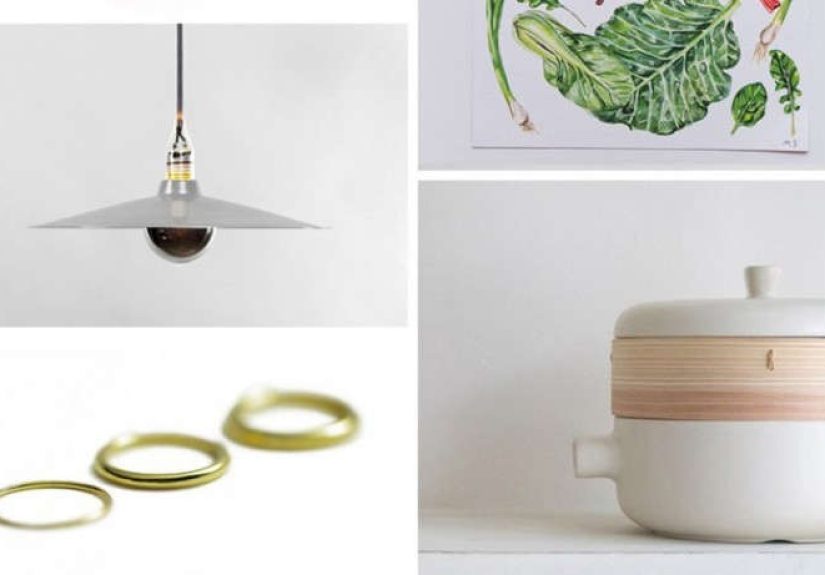
One reason the Remodelista Holiday Market in SF 2014 still feels memorable is the range of vendors spotlighted around the event. This was not a one-note ceramics parade, though to be fair, a ceramics parade would still sound pretty great. The lineup blended furniture, fashion, pantry goods, textiles, lighting, accessories, and globally sourced decor in a way that felt layered rather than chaotic.
Alice Tacheny: Clean-Lined Bay Area Craft
Furniture designer Alice Tacheny embodied one side of the market’s character: modern, tactile, and deeply rooted in craftsmanship. Her work was described as simple and clean-lined, made either in her workshop or in collaboration with Bay Area craftspeople. That made her a natural fit for a holiday market centered on beautiful usefulness rather than disposable trend-chasing.
Tacheny’s pieces reportedly included furniture as well as smaller accessories, showing how the market bridged the aspirational and the attainable. Not everyone was going home with a dresser, obviously, but a shopper could still encounter the same design intelligence in a smaller object. That is one of the smartest things a market like this can do: let people buy into a design philosophy at multiple price points.
Anaïse: Under-the-Radar Fashion with Editorial Appeal
The presence of Anaïse added a softer, fashion-oriented edge to the event. Remodelista characterized the shop as a source for under-the-radar fashion, jewelry, and lifestyle goods, and later coverage of Anaïse’s San Francisco space highlighted its subtle femininity, pale vintage furnishings, and intuitive visual style. That same sensibility would have translated beautifully to a holiday market booth.
In practical terms, Anaïse helped expand the market beyond home decor into the broader world of considered living. A customer might have arrived intending to buy a gift for someone else and left unexpectedly charmed by a sculpted glass ring, a washed linen throw, or a carefully chosen accessory with just enough European moodiness to feel special. Holiday shopping does love a plot twist.
The Citizenry: Global Craft with a Social Conscience
Another standout was The Citizenry, which at the time was a young brand working with artisans in places such as Peru, Argentina, and Uganda. Remodelista noted the company’s emphasis on fair-trade home goods and storytelling, while later brand information reinforced its long-term commitment to fair trade standards and handcrafted production.
This matters because it shows how the market connected aesthetics to values. The Citizenry was not just selling a beautiful blanket or a hand-carved planter; it was participating in a growing design conversation about ethical sourcing, artisan partnerships, and products with cultural and material depth. For shoppers in 2014, that likely made the booth feel current in the best way: stylish, yes, but also meaningful.
Quitokeeto: Pantry Goods for the Design-Minded Cook
Then there was Quitokeeto, the online shop launched by Heidi Swanson of 101 Cookbooks fame with Wayne Bremser. Its presence added a culinary and tabletop dimension to the event, which was a smart move because holiday markets and kitchen gifting go together like December and overeating.
Quitokeeto’s spotlighted goods included aprons, honey, sea salt, cookware, and bakery treats, all filtered through a highly edited aesthetic. Remodelista even noted that the market was the only place the brand was selling directly to the public at the time. That kind of exclusivity gives an event extra spark. It turns casual browsing into discovery and gives attendees a real reason to show up in person instead of just clicking around online in sweatpants.
What Made the 2014 Market Feel Special
The charm of the Remodelista Holiday Market in SF 2014 was not only in the products. It was in the editorial logic behind the event. Remodelista had already built a loyal audience by showing readers how to create homes that were elegant, livable, and thoughtful. The market turned that editorial voice into a physical experience.
Instead of treating shopping as a frantic seasonal obligation, the event reframed it as an act of discovery. You were not just checking names off a list. You were seeing how a furniture maker thought about brass and walnut, how a fashion curator balanced softness and structure, how a kitchen shop turned pantry staples into objects of desire, and how a home goods brand connected craft traditions across continents.
It also seems to have hit a sweet spot between local and national. The market featured Bay Area talent while also bringing in brands and ideas from beyond San Francisco. That gave it both intimacy and range. It felt grounded in place without becoming provincial, which is harder than it sounds and much more stylish than it has any right to be.
Its Place in the San Francisco Holiday Scene
In 2014, San Francisco’s December shopping calendar was crowded with craft fairs, bazaars, and gift events. Local guides rounded up multiple markets across the city, from large artisan fairs at Fort Mason to neighborhood-focused events that celebrated local manufacturing and independent makers. Against that background, the Remodelista market stood out by being more edited, more design-driven, and more conversation-friendly.
Large holiday fairs are fantastic when you want volume, variety, and the athletic challenge of carrying six bags while drinking hot cider. The Remodelista event offered a different rhythm. It invited lingering. It encouraged close looking. It gave shoppers permission to care about provenance, materials, and visual coherence. For design enthusiasts, that likely made it one of the most appealing stops on the city’s holiday market circuit.
In retrospect, the event also feels like an early signal of where retail culture was heading. Today, shoppers are accustomed to words such as curated, artisan-made, small batch, and ethically sourced. In 2014, those ideas were already visible here, but they still felt fresh rather than overused. The Remodelista Holiday Market helped make them tangible.
Why People Still Search for “Remodelista Holiday Market in SF 2014”
There is a reason this event still sparks curiosity years later. Part of it is nostalgia, of course. Design fans love a good look back, especially when the era in question predates algorithmic sameness and endless sponsored posts pretending to be inspiration. But part of the interest is practical too. The market serves as a snapshot of a particular design moment in San Francisco, one where editorial taste, maker culture, and in-person retail came together beautifully.
It also helps explain why Remodelista’s market concept resonated so strongly. Readers trusted the brand’s eye. A market gave them a way to step inside that taste profile and experience it firsthand. For attendees, that meant an afternoon of gift hunting with better odds of finding something memorable. For vendors, it meant being placed in a context where their work would be understood and appreciated. For the city, it meant one more reminder that San Francisco’s design scene could be both sophisticated and warm.
Extended Experience: What a Day at the 2014 Market Likely Felt Like
Imagine arriving at Heath Ceramics on a cool December morning, the kind of San Francisco day that cannot quite decide whether it is sweater weather or jacket weather, so naturally you end up wearing both in spirit. You step inside and the first thing that hits you is not chaos but calm. This is still a market, yes, but it has a showroom sensibility. The light falls well. The materials feel real. Nothing is yelling at you to buy three for twenty dollars. The room is persuasive without being pushy.
You start wandering slowly, which is exactly the right speed. At one booth, there are beautifully made wooden pieces that make you reconsider every bland object in your apartment. At another, textiles and throws pull you in with that dangerous combination of softness and color restraint that whispers, “I’m a practical purchase,” while being absolutely luxurious. Nearby, someone is explaining how a product was made, where the material came from, why the finish looks the way it does, and suddenly you are not just shopping anymore. You are learning.
The crowd likely felt like a cross-section of design readers, neighborhood creatives, serious gift hunters, and people who came “just to look” and were probably lying to themselves. Some shoppers would have been laser-focused, determined to leave with a specific present. Others would have treated the event like a visual feast, drifting from furniture to fashion to pantry goods with the unhurried delight of someone who enjoys beautiful things but also enjoys pretending not to be influenced by them.
One of the strongest pleasures must have been the direct access to the makers and curators. Online shopping gives you convenience, but it rarely gives you context. Here, context was part of the merchandise. A chair came with a story. A throw came with a place. A pantry item came with a sense of the person who selected it. That changes the experience completely. Suddenly the object is not just nice-looking. It is anchored in a process, a philosophy, or a person’s point of view.
There was likely a satisfying rhythm to the market as you moved through it: something substantial, something playful, something useful, something indulgent. You might pause over a lamp, then a ceramic piece, then a linen apron, then a food gift you rationalize as “for the host” even though you know perfectly well it may not survive the week. That is the magic of a well-curated holiday market. It narrows your options just enough to sharpen your taste, then broadens your imagination just enough to make the whole outing feel generous.
By the time you left, bag in hand or not, the event probably offered the rare feeling that holiday shopping had briefly become enjoyable instead of merely strategic. And that, more than any single vendor or product, may be the enduring appeal of the Remodelista Holiday Market in SF 2014. It made buying things feel less like consumption and more like participation in a design community. Not bad for a Saturday in December.
Final Thoughts
The Remodelista Holiday Market in SF 2014 was more than a seasonal shopping event. It was a snapshot of San Francisco design culture at a moment when craftsmanship, curation, and conversation were becoming central to how people wanted to shop. Hosted at Heath Ceramics and filled with more than 40 makers and indie shops, the market offered a polished but approachable mix of furniture, fashion, pantry goods, textiles, and home accessories.
Its lasting appeal comes from that balance. The event was stylish without being stiff, edited without feeling exclusionary, and aspirational without losing sight of usefulness. For anyone interested in Bay Area design, holiday markets, maker culture, or the evolution of thoughtful retail, it remains a small but telling chapter in the story of how people began to shop more intentionally. And honestly, that is a pretty elegant legacy for a day devoted partly to buying gifts and partly to falling in love with a handmade object you did not know you needed.