Table of Contents >> Show >> Hide
- What Is Runner’s Knee, Exactly?
- Why Exercises Matter More Than “Just Rest”
- Best Runner’s Knee Exercises for Patellofemoral Syndrome
- How to Build a Smart Weekly Routine
- Common Mistakes That Slow Recovery
- Helpful Add-Ons for Patellofemoral Pain
- When to See a Physical Therapist or Sports Medicine Clinician
- What Recovery Often Feels Like in Real Life
- Final Thoughts
- SEO Tags
If your knee starts grumbling every time you run downhill, climb stairs, squat, or stand up after a long Netflix session, welcome to the extremely unglamorous club of people dealing with runner’s knee. The formal name is patellofemoral pain syndrome, which sounds like it should come with a lab coat and a clipboard, but really it just means the front of your knee is irritated and has decided to become dramatically opinionated.
The good news is that this problem is usually treatable without anything exotic. In many cases, the fix is not total bed rest, and it is definitely not “just push through it and pretend your kneecap isn’t sending complaint letters.” The usual path forward involves smart runner’s knee exercises, temporary activity changes, better movement mechanics, and a little patience. Fine, maybe more than a little patience. Knees are not known for their speed in the apology department.
This guide breaks down what patellofemoral syndrome is, why the pain happens, which exercises tend to help most, and how to build a plan that actually fits real life. Whether you are a runner, a gym enthusiast, a weekend pickleball champion, or someone whose knees get cranky from office-chair marathons, this article will help you understand how to treat patellofemoral pain in a practical, realistic way.
What Is Runner’s Knee, Exactly?
Runner’s knee is a broad term often used for pain around or behind the kneecap. With patellofemoral syndrome, the kneecap is not moving as smoothly or as comfortably as it should while the knee bends and straightens. That creates irritation in the joint and in the surrounding tissues, especially when loads go up fast or movement quality goes down.
Despite the nickname, you do not have to run a single mile to get it. Plenty of people develop patellofemoral pain from jumping sports, hard gym sessions, long periods of sitting, steep hikes, or simply ramping up activity faster than their body was ready for. Teen athletes get it. Recreational runners get it. Busy adults who suddenly decide to become “the kind of person who does hill sprints now” also get it.
Common symptoms of patellofemoral pain syndrome
- A dull ache or soreness in the front of the knee or around the kneecap
- Pain during stairs, squats, lunges, running, or jumping
- Discomfort after sitting with the knees bent for a long time
- Popping, grinding, or clicking that may feel weird but is not always dangerous
- Tenderness around the kneecap or a feeling that the knee is “off”
One of the biggest clues is that the pain often shows up when the knee is loaded in a bent position. In plain English: stairs, hills, deep chairs, and low couches can suddenly feel like tiny architectural betrayals.
Why it happens
Patellofemoral pain is usually not caused by one dramatic villain. It is more like a committee of minor troublemakers. Common contributors include overuse, sudden training increases, weak hip and thigh muscles, tight hamstrings or calves, poor foot support, movement patterns that let the knee cave inward, and changes in running surface, shoes, or workout intensity. Sometimes anatomy plays a role too. In other words, the knee is often the place where the complaint is felt, but not always the place where the whole problem starts.
Why Exercises Matter More Than “Just Rest”
Rest can calm irritated tissue, but it rarely fixes the reason the pain started. That is why good patellofemoral pain exercises matter so much. The goal is to improve how the leg handles force so the kneecap tracks better and the joint stops getting overloaded every time you bend, land, push off, or descend a staircase like a human being.
Research-backed rehab for runner’s knee consistently points toward strengthening both the hip and the knee. That means your glutes are not innocent bystanders here. If the hips are weak or poorly controlled, the thigh can rotate inward and the knee may drift into a position that increases stress at the front of the joint. Stronger quads help too, especially when paired with better hip control. The best plan is usually not “hips versus quads.” It is “hips and quads, working together like responsible adults.”
That said, exercises should not feel like punishment. Mild discomfort can happen, but sharp pain, worsening pain, or pain that lingers long after the workout is a sign to back off. Treat rehab like seasoning food: enough to help, not enough to ruin the whole dish.
Best Runner’s Knee Exercises for Patellofemoral Syndrome
Below is a practical exercise menu often used for runner’s knee treatment. Start with movements you can do with control and low pain, then gradually progress. A common starting point is 2 to 3 sets of 8 to 12 repetitions, done slowly and with good form. If an exercise spikes symptoms, reduce the range, resistance, or frequency.
1. Quadriceps sets and straight-leg raises
These are simple but useful early exercises, especially when the knee feels irritated and weight-bearing work is still uncomfortable.
How to do them: Tighten the front of the thigh with the leg straight and hold briefly. For straight-leg raises, keep the knee straight and lift the leg a short distance without arching the back.
Why they help: They wake up the quadriceps without asking the knee to tolerate deep bending. Think of them as the “let’s stop ghosting the quad muscle” stage of recovery.
2. Clamshells and side-lying leg raises
These exercises target the glute muscles on the side of the hip, which are major players in knee alignment.
How to do them: For clamshells, lie on your side with knees bent and open the top knee while keeping the feet together. For side leg raises, keep the top leg straight and lift it slowly without rolling backward.
Why they help: Better hip strength can reduce that inward knee collapse that tends to annoy the patellofemoral joint during squats, stairs, and running.
3. Bridges
Bridges strengthen the glutes and posterior chain while encouraging better pelvic control.
How to do them: Lie on your back with knees bent, press through the heels, and lift the hips until your body forms a straight line from shoulders to knees. Pause, then lower with control.
Why they help: A stronger backside means the front of the knee does not have to do every single job on its own. Your kneecap has enough going on already.
4. Mini squats or wall squats
These are excellent once the knee can tolerate more load. The key is controlling alignment, not chasing heroic depth.
How to do them: Stand with feet about hip-width apart and sit back slightly into a small squat. Keep the knees tracking over the feet rather than collapsing inward. For a wall squat, slide down a wall only as far as you can control without increasing pain.
Why they help: Squatting builds strength where real life happens. Chairs, stairs, and daily movement all ask you to control knee bending under load.
5. Step-ups and step-downs
These are gold for rebuilding confidence and function, especially if stairs have become your enemy.
How to do them: Use a low step at first. Step up slowly, then step down with control. Avoid letting the knee cave inward or crash into the movement.
Why they help: Patellofemoral pain often shows up most during stair descent or downhill motion. Step-down work helps retrain the exact control that tends to be missing.
6. Monster walks or band walks
Loop a light resistance band around the legs and take slow side steps or diagonal steps while keeping tension on the band.
Why they help: These drills challenge the glutes in a more functional standing position, which is useful as you progress back toward running and sport.
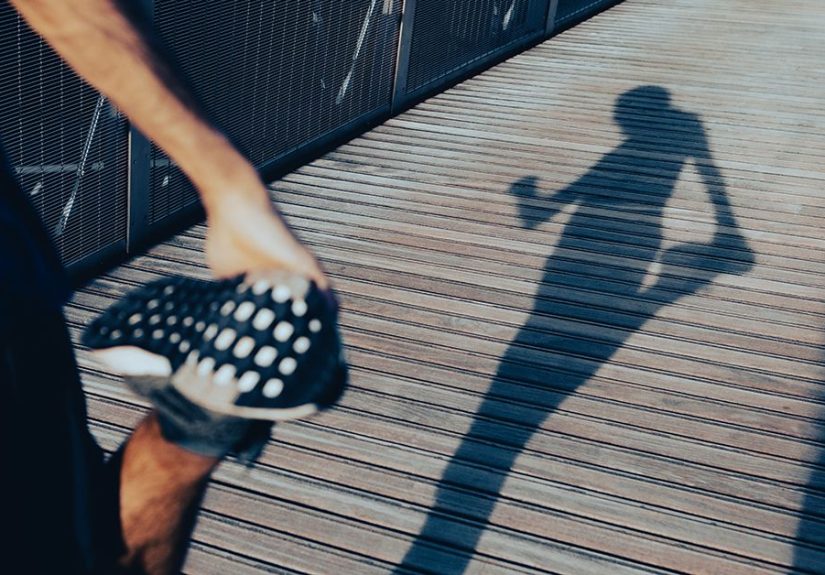
7. Calf, hamstring, quadriceps, and hip-flexor stretches
Stretching is not the main event, but it can be a useful supporting actor. Tight tissues around the hip, thigh, and calf can affect how the knee moves.
How to do them: Hold gentle stretches for 20 to 30 seconds, breathing normally and avoiding bouncing. Focus on comfort rather than trying to win a flexibility contest no one asked for.
Why they help: Better mobility may improve movement quality and make strengthening work easier to perform with good form.
How to Build a Smart Weekly Routine
A solid runner’s knee rehab plan does not need to be complicated. It needs to be consistent. Here is a practical template:
- 2 to 4 strength sessions per week: Focus on hip and knee exercises
- Low-impact cardio on alternate days: Walking, cycling with light resistance, or pool work if tolerated
- Mobility work most days: Short stretching sessions for tight muscle groups
- Running modifications: Temporarily reduce mileage, hills, speed work, or frequency if those trigger symptoms
The biggest trap is doing nothing for five days and then trying to make up for lost time with one mega-session. Knees generally prefer regular, boring, grown-up consistency. Annoying, yes. Effective, also yes.
Common Mistakes That Slow Recovery
Doing too much too soon
A little progress feels good, so people often celebrate by doubling their activity. The knee then files a formal complaint. Increase volume and intensity gradually.
Only stretching and never strengthening
Stretching can feel nice, but patellofemoral syndrome usually needs strength and control, not just flexibility. Think of stretching as a side dish, not the entrée.
Going too deep too early
Deep squats, aggressive lunges, and heavy knee-loading exercises can flare symptoms if introduced too soon. Start with a smaller range and build up.
Ignoring hip strength
Many people obsess over the kneecap while their glutes quietly fail to show up for work. If the hips are weak, the knee often pays the bill.
Using pain as the only guide
No pain at all is not always realistic, but worsening pain is a warning. The goal is tolerable effort and steady progress, not proving your toughness to a foam mat.
Helpful Add-Ons for Patellofemoral Pain
Exercises are the foundation, but a few extras may support recovery:
- Ice after activity if the knee feels irritated
- Taping if a physical therapist shows you a method that improves comfort
- Arch supports or appropriate footwear if foot mechanics contribute to symptoms
- Short-term activity reduction instead of stubbornly training through pain
- Warm-ups and gradual training changes to reduce flare-ups
These tools can help, but they should support the exercise plan, not replace it. Fancy tape without strength work is a little like putting a spoiler on a car with no engine.
When to See a Physical Therapist or Sports Medicine Clinician
Patellofemoral pain is usually manageable, but it is smart to get evaluated if the pain is not improving, keeps coming back, or makes daily activities difficult. You should also seek medical care if you have significant swelling, redness, fever, the knee gives way, the joint locks, or the pain started after a direct injury. At that point, the issue may be something other than standard runner’s knee.
A physical therapist can help tailor the exact exercise progression, assess your movement, and figure out whether the real issue is strength, mobility, training load, footwear, running form, or some lovely combination of all five.
What Recovery Often Feels Like in Real Life
Now for the part many articles skip: the human experience. Because patellofemoral syndrome treatment is not just about anatomy charts and exercise lists. It is also about frustration, trial and error, and the weird emotional journey of being humbled by a staircase.
A very common story starts with someone training hard for a race, adding hill work, or suddenly deciding that every run should now include speed intervals because apparently peace was no longer an option. At first, the knee only hurts after the workout. Then it starts aching during stairs. Then the person notices that standing up after a long drive feels suspiciously dramatic. What surprises them most is not the pain itself, but how ordinary activities become the bigger annoyance. Running may be the original trigger, but movie theaters, office chairs, and low couches become the daily villains.
Another familiar experience is confusion about where to focus. A lot of people assume the solution must be something directly on the kneecap: massage the knee, brace the knee, stretch the knee, glare at the knee. Then they begin a rehab program and discover that half the exercises seem to target the hips and glutes instead. This usually produces the same reaction: “Why am I doing side leg raises when my knee is the one complaining?” A few weeks later, many people realize that once their hip control improves, stairs feel smoother and squats stop feeling like negotiations with destiny.
There is also the psychological side of recovery. Runner’s knee often does not improve in one dramatic moment. It tends to get better in tiny, almost rude increments. One week you notice you can sit longer without pain. The next week stairs feel less sharp. Then a short walk or easy jog goes well. This slow progress can make people think the exercises are not working, when in reality they are working exactly the way rehab usually works: gradually, quietly, and without confetti.
Many people also discover that rest alone is not the miracle they hoped for. They stop activity for a while, feel a little better, return to the exact same habits, and the pain comes right back like a sequel nobody asked for. That is often the moment the lesson sinks in: the goal is not just to calm the knee down, but to build capacity so the body can handle normal life and training again.
For runners, one of the most valuable experiences is learning to separate identity from mileage. Missing workouts can feel dramatic if running is part of how you manage stress, stay social, or measure progress. But modifying training for a few weeks is usually far wiser than charging ahead until every run turns into a limp. Many people come back smarter, with better warm-ups, stronger hips, more realistic progression, and a new respect for recovery. Not exactly the inspirational montage they imagined, but still a win.
In the end, the experience of recovering from runner’s knee is often less about finding one magic exercise and more about learning better habits: load management, consistency, control, and patience. Glamorous? No. Effective? Usually, yes.
Final Thoughts
Runner’s knee exercises can make a real difference when they focus on the right things: strengthening the hips and quads, improving movement control, managing training load, and progressing gradually. Patellofemoral syndrome can be stubborn, but it is also highly manageable for many people when rehab is consistent and realistic.
The trick is not to chase a perfect knee overnight. It is to build a stronger, steadier leg that stops asking the kneecap to do all the work. Do that, and your stairs, squats, and runs may eventually stop feeling like scenes from a low-budget action movie.