Table of Contents >> Show >> Hide
- Why This Salmon Melts Recipe Works
- Best Ingredients for Salmon Melts
- Salmon Melts Recipe Ingredients
- How to Make Salmon Melts
- Expert Tips for the Best Salmon Melt Sandwich
- Easy Variations
- What to Serve with Salmon Melts
- Storage and Reheating
- Common Mistakes to Avoid
- Salmon Melts Recipe Card
- Kitchen Experiences and Real-Life Notes on Salmon Melts
- Conclusion
If a tuna melt and a cozy lunch had a very tasty little baby, it would probably be a salmon melt. Crispy bread, creamy salmon filling, melty cheese, a hit of lemon, and just enough crunch from celery or onion to keep things interestingthis is the kind of sandwich that feels like a diner classic that got a smarter, richer upgrade.
This salmon melts recipe is built for real life. It works with canned salmon, leftover cooked salmon, or that one lonely fillet in your fridge that deserves a second act. It is quick enough for a weekday lunch, satisfying enough for dinner, and flexible enough to handle whatever bread, cheese, or herbs you have on hand. In other words, this is not a fussy recipe. This is a “let’s make something excellent with pantry staples and a little swagger” recipe.
Below, you will find the full method, expert tips, easy variations, serving ideas, storage advice, and a longer section of real-life kitchen experiences related to making salmon melts so the article feels substantial, helpful, and ready for web publication.
Why This Salmon Melts Recipe Works
A great salmon melt lives or dies by balance. Too dry, and it tastes like a sad desk lunch. Too wet, and the bread collapses like it has lost the will to toast. The best version lands in the middle: creamy, savory, bright, crisp, and deeply comforting.
Here is why this recipe hits the sweet spot. First, salmon brings a richer flavor than tuna, so the sandwich tastes more substantial even with simple ingredients. Second, a mix of mayonnaise, Dijon mustard, and lemon juice gives the filling body without turning it into fish paste. Third, crunchy celery and a little red onion keep each bite from becoming heavy. Finally, cheese ties everything together in the most beautiful way possible: hot, gooey, golden, and just dramatic enough to make lunch feel like an event.
If you love easy seafood sandwiches, canned salmon recipes, or old-school comfort food with a slightly upgraded personality, this one deserves a permanent spot in your rotation.
Best Ingredients for Salmon Melts
Salmon
You have options, and that is the beauty of this recipe.
- Canned salmon: The easiest choice. Drain it well, remove large bones or skin if you prefer, and flake it with a fork.
- Leftover cooked salmon: Excellent for a more luxe sandwich. Baked, grilled, roasted, or pan-seared salmon all work.
- Freshly cooked salmon: Great when you want the best texture. Just cool it slightly before mixing.
Canned salmon is especially handy because it is affordable, convenient, and flavorful. That makes this salmon melt sandwich a smart weeknight meal, not just a recipe you admire from a distance.
The Creamy Binder
Mayonnaise is the backbone here. Use enough to bind, not drown. A spoonful of Dijon mustard adds sharpness, while fresh lemon juice brightens the richness of the fish and cheese. If you want a lighter flavor, you can replace part of the mayo with Greek yogurt, but do not skip the mayo entirely unless you enjoy fighting with dry fillings.
The Crunchy Bits
Finely diced celery and red onion are classic for a reason. They add contrast and keep the filling from feeling flat. Chopped scallions also work well if you want a milder onion flavor.
The Herbs and Seasonings
Dill is the obvious star. Salmon and dill get along suspiciously well, like they have known each other since culinary kindergarten. Parsley, chives, or a tiny spoonful of capers can also add brightness. For seasoning, use salt, black pepper, and a pinch of garlic powder if you want a little extra savory depth.
The Bread
Choose sturdy bread that can handle the filling. Sourdough, country white, rye, multigrain, or thick sandwich bread all work beautifully. Soft, flimsy slices tend to get soggy and fall apart right when your confidence peaks.
The Cheese
Cheddar is the easiest and probably the most crowd-pleasing choice. Sharp cheddar brings tang and color, while white cheddar gives a slightly more grown-up deli vibe. Swiss, havarti, provolone, mozzarella, or muenster also melt well. If you want a proper gooey cheese pull, use a cheese that melts instead of one that merely warms up and sulks.
Salmon Melts Recipe Ingredients
This recipe makes 4 open-faced salmon melts or 2 large closed sandwiches.
- 10 to 12 ounces canned salmon or cooked salmon, flaked
- 1/4 cup mayonnaise
- 1 1/2 teaspoons Dijon mustard
- 2 teaspoons fresh lemon juice
- 1/3 cup finely diced celery
- 2 tablespoons finely diced red onion
- 1 tablespoon chopped fresh dill
- 1 tablespoon chopped parsley or chives
- 1/4 teaspoon garlic powder
- Salt and black pepper, to taste
- 4 slices sturdy bread
- 2 tablespoons softened butter or mayonnaise for the outside of the bread
- 1 to 1 1/2 cups shredded or sliced cheddar, Swiss, havarti, or mozzarella
- Optional: sliced tomato, capers, pickle relish, or a pinch of crushed red pepper
How to Make Salmon Melts
1. Make the Salmon Filling
In a medium bowl, combine the flaked salmon, mayonnaise, Dijon mustard, lemon juice, celery, red onion, dill, parsley, garlic powder, salt, and pepper. Stir until everything is evenly mixed. The texture should be creamy but not sloppy. If it looks dry, add a tiny bit more mayo. If it looks too wet, add a little more salmon or let it sit for a minute before assembling.
2. Prep the Bread
Lightly butter one side of each bread slice, or spread a thin layer of mayonnaise on the outside if you prefer extra browning. This step matters more than people think. It helps the bread toast evenly and gives the sandwich that glorious golden finish.
3. Assemble the Melts
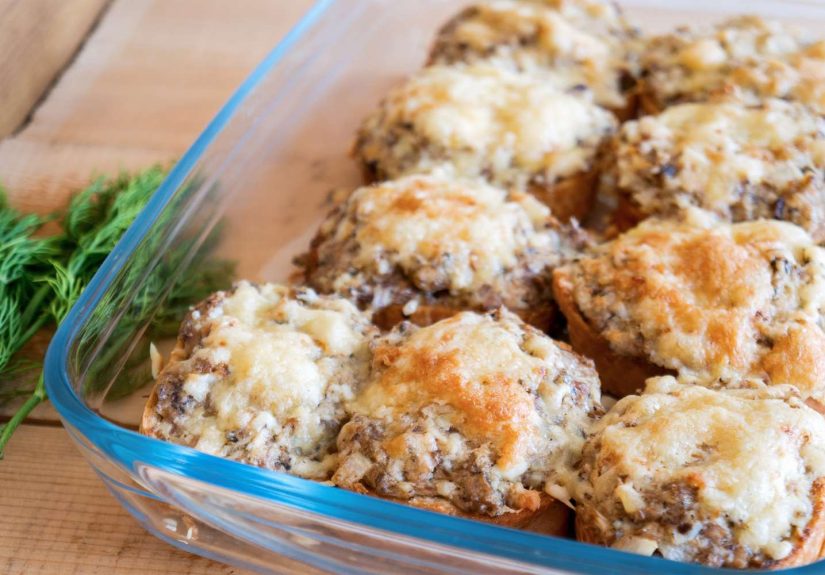
For open-faced salmon melts, place the bread on a sheet pan, toasted side down. Pile the salmon mixture on top and spread it close to the edges. Add a generous layer of cheese over the salmon.
For closed salmon melt sandwiches, place cheese on the inside of one slice, spoon on the salmon filling, top with more cheese if you are feeling bold, then close with the second slice.
4. Cook Until Crisp and Melty
You can use either method:
- Broiler method: Broil open-faced melts on a sheet pan for 3 to 5 minutes, or until the cheese is melted, bubbling, and lightly browned.
- Skillet method: Cook closed sandwiches in a skillet over medium to medium-low heat for 3 to 4 minutes per side, pressing gently, until the bread is crisp and the cheese melts.
Do not rush this part. A melt wants patience. High heat is how good bread turns into a cautionary tale.
5. Serve Immediately
Once the cheese is molten and the bread is toasted, serve the salmon melts hot. A squeeze of fresh lemon over the top wakes everything up beautifully.
Expert Tips for the Best Salmon Melt Sandwich
- Drain canned salmon well: Extra moisture is the enemy of crisp bread.
- Do not overmix: You want flaked salmon, not paste.
- Spread filling evenly: Every bite should get salmon and cheese, not just the lucky center.
- Use medium heat: This helps the bread toast while the cheese melts properly.
- Choose sturdy bread: Thick-cut slices hold up better under creamy filling.
- Add acidity: Lemon juice, pickles, or capers keep the sandwich from tasting heavy.
Easy Variations
Classic Cheddar Salmon Melt
Use sharp cheddar, dill, and sourdough. This version tastes like the cozy lunch your future self will thank you for making.
Tomato Salmon Melt
Add thin tomato slices before the cheese. Pat the tomato dry first so your sandwich does not become an accidental steam bath.
Spicy Salmon Melt
Stir a little hot sauce or crushed red pepper into the filling. Pepper jack also works if you want extra kick.
Capers and Dill Salmon Melt
Add a teaspoon of chopped capers for a briny, deli-style flavor that pairs especially well with salmon.
Healthy Salmon Melt
Use whole grain bread, reduce the cheese slightly, and swap part of the mayo for Greek yogurt. It will not taste exactly like a diner sandwich, but it will still be very good.
What to Serve with Salmon Melts
The sandwich is rich, so simple sides work best. Try one of these:
- Tomato soup
- Green salad with lemon vinaigrette
- Pickles or pickled onions
- Potato chips
- Cucumber salad
- Roasted potatoes
- Coleslaw
If you are serving these for lunch, chips and pickles are delightfully unapologetic. If it is dinner, add a salad and pretend you had a very organized plan all along.
Storage and Reheating
The salmon filling can be made ahead and refrigerated for up to 2 days. Store it in an airtight container and assemble the melts just before cooking. Already-cooked sandwiches are best eaten fresh, but you can reheat them in a skillet or toaster oven until warmed through and crisp again.
Microwaving is possible, but the bread will lose its crunch and become a little floppy. That may still be acceptable in a hunger emergency, but it is not the recipe’s finest moment.
Common Mistakes to Avoid
- Using too much dressing in the filling
- Skipping the lemon and ending up with a heavy sandwich
- Using bread that is too thin
- Cooking over heat that is too high
- Under-seasoning the salmon mixture
- Adding watery vegetables without drying them first
Salmon Melts Recipe Card
Prep time: 15 minutes
Cook time: 8 minutes
Total time: 23 minutes
Yield: 4 open-faced melts or 2 large sandwiches
- Mix salmon, mayonnaise, Dijon, lemon juice, celery, onion, dill, parsley, garlic powder, salt, and pepper.
- Butter the outside of the bread lightly.
- Top bread with salmon mixture and cheese, or build closed sandwiches with cheese on both sides of the filling.
- Broil open-faced melts for 3 to 5 minutes, or cook closed sandwiches in a skillet over medium to medium-low heat until crisp and melted.
- Serve hot with lemon wedges, pickles, or a simple salad.
Kitchen Experiences and Real-Life Notes on Salmon Melts
I have learned that Salmon Melts Recipe is one of those dishes that quietly wins people over. At first, someone hears the name and thinks, “Oh, so… a tuna melt wearing a different jacket?” Then they take a bite and suddenly become extremely interested in your bread choice, your cheese ratio, and whether there are leftovers. That is the power of a good salmon melt: it sounds humble, but it eats like a secret weapon.
One of the best experiences with this recipe is how forgiving it is. I have made it with canned salmon on busy afternoons when the fridge looked uninspired and dinner felt like a personal attack. I have also made it with leftover roasted salmon from the night before, and that version felt a little fancier, like the sandwich had put on real shoes. Both worked. That is one reason this recipe is so useful for home cooks. It does not demand perfect conditions. It just asks that you show up with salmon, bread, and reasonable intentions.
Texture is where the magic happens. The first time you get the filling rightcreamy, but not overly wetyou understand why this sandwich is worth repeating. The celery gives a little snap, the onion gives bite, the dill freshens everything, and then the cheese comes in and smooths out the whole performance. The contrast between crispy bread and soft filling is what makes each bite feel complete. Without crunch, it is just salmon salad on toast. With crunch, it becomes lunch with personality.
I have also found that people customize this recipe in very revealing ways. The pickle lovers add relish or chopped dill pickles. The spice enthusiasts reach for hot sauce without hesitation. Tomato people insist a slice of tomato makes it feel fresher. Cheese maximalists pile on extra cheddar and act like they are doing the sandwich a favor, which, to be fair, they usually are. That flexibility is part of the appeal. A salmon melt can be classic, sharp, spicy, herby, or extra cheesy depending on the mood and the contents of your refrigerator drawer.
Another useful lesson from experience: this is not a sandwich to abandon. A melt needs attention for a few minutes. Walk away too long, and the bread goes from golden to aggressively toasted. Stay nearby, keep the heat moderate, and you are rewarded with bubbling cheese and evenly browned bread. It is a small act of kitchen patience with a very tasty payoff.
Perhaps the most surprising thing about salmon melts is how often they become repeat requests. Serve them once for a casual lunch, and suddenly someone asks for them again a few days later. They hit that sweet spot between comfort food and practical meal. Not expensive, not complicated, not trendy for the sake of trendinessjust genuinely satisfying. In a world full of recipes that ask for seventeen ingredients and a spiritual commitment, this one feels refreshingly honest.
So yes, salmon melts may sound simple. They are simple. But simple food, when done well, has a way of becoming memorable. That is exactly what this recipe does. It takes pantry salmon, a few fresh ingredients, and some melting cheese, then turns them into something crisp, savory, and wildly craveable. For a sandwich with such low drama, it creates a surprisingly strong fan club.
Conclusion
If you need a lunch or easy dinner that is fast, flavorful, and deeply comforting, this salmon melts recipe is a smart choice. It turns canned or cooked salmon into something that feels warm, crisp, creamy, and a little special without requiring complicated steps. With the right bread, a bright salmon filling, and plenty of melty cheese, you get a sandwich that feels nostalgic and fresh at the same time.
Make it classic with cheddar and dill, dress it up with capers and tomato, or keep it simple and let the salmon shine. However you build it, this is one of those recipes that proves a great melt is never just a sandwich. It is lunch with ambition.