Table of Contents >> Show >> Hide
- A Bold, Garlicky Side Dish That Tastes Like a Little Italian Restaurant Magic
- Why This Sautéed Mushrooms and Broccoli Rabe Recipe Works
- Ingredients You Will Need
- How to Make Sautéed Mushrooms and Broccoli Rabe
- Recipe Card: Sautéed Mushrooms and Broccoli Rabe
- Expert Tips for the Best Results
- Variations and Add-Ins
- What to Serve With Sautéed Mushrooms and Broccoli Rabe
- Storage and Reheating
- Nutrition Benefits
- Common Mistakes to Avoid
- Frequently Asked Questions
- Personal Cooking Experience: Why This Dish Belongs in the Weeknight Rotation
- Conclusion
Note: This publish-ready article is written in original American English and built from real cooking knowledge about broccoli rabe, mushrooms, sautéing technique, flavor balancing, storage, and serving ideas.
A Bold, Garlicky Side Dish That Tastes Like a Little Italian Restaurant Magic
If you have ever looked at broccoli rabe in the produce aisle and thought, “Is this broccoli having a dramatic leafy phase?” you are not alone. Broccoli rabe, also called rapini, is a wonderfully punchy green vegetable with tender stems, leafy tops, and tiny florets. It is not exactly broccoli, and it is not trying to be. It has its own personality: pleasantly bitter, earthy, peppery, and very happy when introduced to olive oil, garlic, mushrooms, and a squeeze of lemon.
This Sautéed Mushrooms and Broccoli Rabe Recipe is a fast, flavor-packed side dish that turns a few humble ingredients into something worthy of a dinner party, a weeknight pasta bowl, or a quiet “I made vegetables and they are actually exciting” moment. The mushrooms bring deep umami and meaty texture. The broccoli rabe adds freshness and bite. Garlic walks in like it owns the kitchen. Red pepper flakes add a tiny spark. Lemon brightens everything at the end so the dish tastes lively instead of heavy.
The best part? This recipe is flexible. Use cremini mushrooms for everyday depth, shiitake mushrooms for a more savory restaurant-style finish, or white button mushrooms if that is what you have. Serve it with chicken, steak, fish, pasta, polenta, rice, beans, or toasted bread. It is simple, but not boring. Healthy, but not sad. Elegant, but not the kind of elegant that requires tweezers.
Why This Sautéed Mushrooms and Broccoli Rabe Recipe Works
The secret to this dish is timing. Mushrooms and broccoli rabe cook differently, so treating them with a little respect makes a huge difference. Mushrooms need room and heat so their moisture can evaporate and their edges can brown. Broccoli rabe benefits from a quick blanch before sautéing, especially if you want to soften its natural bitterness and keep the color bright green.
Once both ingredients are prepared properly, they come together in one skillet with garlic, olive oil, red pepper flakes, salt, black pepper, and lemon juice. That combination creates balance: earthy mushrooms, bitter greens, rich oil, sharp garlic, gentle heat, and a clean citrus finish. It is the culinary equivalent of a well-rehearsed band where nobody is trying to steal the drum solo.
The flavor profile
This dish is savory, garlicky, lightly spicy, and slightly bitter in the best possible way. The mushrooms add a deep, almost meaty flavor, while broccoli rabe gives the dish a bold green edge. Lemon juice at the end keeps it from tasting flat, and optional Parmesan or toasted breadcrumbs can add richness and texture.
The texture
You want tender broccoli rabe, not mushy greens. You also want browned mushrooms, not slippery little sponges. The method below gives you both: a quick blanch for the rabe, a proper sauté for the mushrooms, and a final toss that brings everything together without overcooking.
Ingredients You Will Need
This recipe keeps the ingredient list short, which means each item matters. Use fresh broccoli rabe, firm mushrooms, good olive oil, and fresh garlic for the best result.
- 1 large bunch broccoli rabe, about 1 to 1 1/4 pounds, tough ends trimmed
- 12 ounces mushrooms, sliced, such as cremini, shiitake, button, or a mix
- 3 tablespoons extra-virgin olive oil, divided
- 4 garlic cloves, thinly sliced or minced
- 1/4 teaspoon red pepper flakes, plus more to taste
- 1/2 teaspoon kosher salt, plus more for boiling water
- 1/4 teaspoon freshly ground black pepper
- 1 tablespoon fresh lemon juice
- 1 teaspoon lemon zest, optional but recommended
- 2 tablespoons grated Parmesan cheese, optional
- 2 tablespoons toasted breadcrumbs, optional for serving
Best mushrooms to use
Cremini mushrooms are a great all-purpose choice because they are affordable, easy to find, and deeper in flavor than white button mushrooms. Shiitake mushrooms bring a more intense umami taste, but their stems can be tough, so remove them before slicing. White button mushrooms are milder and still delicious, especially when browned properly. A mixed mushroom blend gives the dish a more layered flavor and makes it feel a little fancy, even if you are eating it in slippers.
How to choose broccoli rabe
Look for broccoli rabe with firm stems, vibrant green leaves, and tight little buds. Avoid bunches with yellowing leaves, limp stems, or flowering tops. A little bitterness is normal and desirable, but old broccoli rabe can taste aggressively bitter, as if it is upset about something from 2009.
How to Make Sautéed Mushrooms and Broccoli Rabe
Step 1: Trim and wash the broccoli rabe
Cut about 1/2 inch from the bottom of the stems, or more if the ends look dry or woody. If the stems are very thick, slice them lengthwise so they cook evenly. Rinse the broccoli rabe well under cool water, shaking away any grit hiding between the leaves and florets.
Step 2: Blanch the broccoli rabe
Bring a large pot of salted water to a boil. Add the broccoli rabe and blanch for 60 to 90 seconds, just until the stems turn bright green and begin to soften. Drain immediately and transfer to a bowl of ice water, or rinse briefly under cold water to stop the cooking. Drain again and gently squeeze out excess water. Chop into 2-inch pieces.
Blanching is optional, but it is strongly recommended. It tames the bitterness, locks in color, and helps the broccoli rabe finish quickly in the skillet. Think of it as giving the greens a quick spa treatment before the garlic party begins.
Step 3: Brown the mushrooms
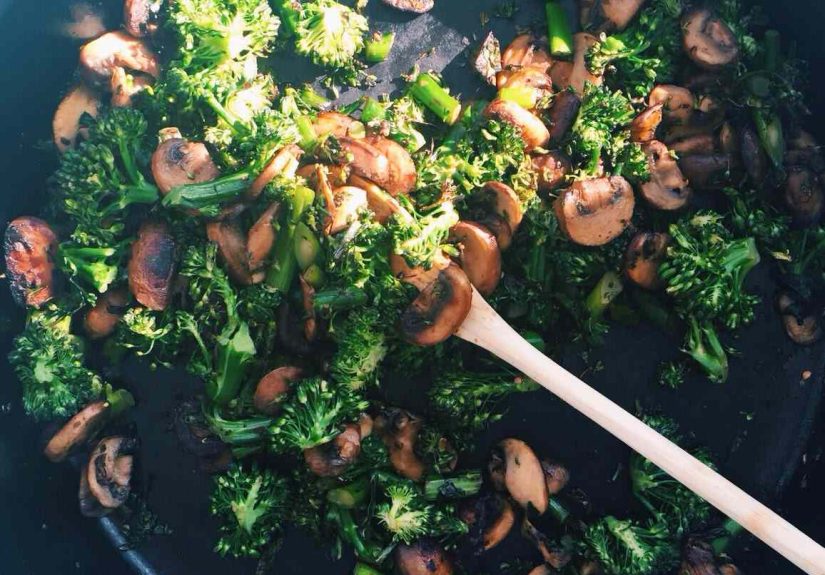
Heat 1 1/2 tablespoons olive oil in a large skillet over medium-high heat. Add the sliced mushrooms in an even layer. Do not overcrowd the pan; if your skillet is small, cook the mushrooms in two batches. Let them cook undisturbed for 3 to 4 minutes so they can brown. Stir and continue cooking until their liquid evaporates and the mushrooms are golden around the edges, about 5 to 7 minutes total.
Season the mushrooms lightly with salt and black pepper near the end of cooking. Salting too early can pull out moisture and slow browning. The mushrooms should look glossy, browned, and slightly reduced in size.
Step 4: Add garlic and red pepper flakes
Reduce the heat to medium. Add the remaining 1 1/2 tablespoons olive oil, garlic, and red pepper flakes. Cook for 30 to 60 seconds, stirring constantly, until the garlic smells fragrant. Do not let it burn. Burned garlic is the villain of many otherwise heroic dinners.
Step 5: Add broccoli rabe and finish
Add the chopped broccoli rabe to the skillet with the mushrooms. Toss well to coat everything in the garlicky oil. Cook for 2 to 4 minutes, until the broccoli rabe is tender but still has a little structure. Add lemon juice and lemon zest, then taste and adjust with more salt, pepper, or red pepper flakes as needed.
Step 6: Serve warm
Transfer to a serving bowl. Finish with Parmesan cheese, toasted breadcrumbs, or an extra drizzle of olive oil if desired. Serve immediately while the mushrooms are warm and the broccoli rabe is bright, glossy, and full of flavor.
Recipe Card: Sautéed Mushrooms and Broccoli Rabe
Prep Time
15 minutes
Cook Time
15 minutes
Total Time
30 minutes
Servings
4 servings
Ingredients
- 1 large bunch broccoli rabe, trimmed
- 12 ounces sliced mushrooms
- 3 tablespoons extra-virgin olive oil, divided
- 4 garlic cloves, thinly sliced or minced
- 1/4 teaspoon red pepper flakes
- 1/2 teaspoon kosher salt, plus more for boiling water
- 1/4 teaspoon black pepper
- 1 tablespoon fresh lemon juice
- 1 teaspoon lemon zest, optional
- Parmesan cheese or toasted breadcrumbs, optional
Instructions
- Trim the broccoli rabe and rinse well.
- Bring a pot of salted water to a boil. Blanch broccoli rabe for 60 to 90 seconds, then drain and cool quickly. Squeeze out excess water and chop.
- Heat 1 1/2 tablespoons olive oil in a large skillet over medium-high heat. Add mushrooms in a single layer and cook until browned, 5 to 7 minutes.
- Season mushrooms lightly with salt and pepper.
- Reduce heat to medium. Add remaining olive oil, garlic, and red pepper flakes. Cook for 30 to 60 seconds.
- Add chopped broccoli rabe and toss well. Cook for 2 to 4 minutes until tender.
- Finish with lemon juice and lemon zest. Taste and adjust seasoning.
- Serve warm with Parmesan, breadcrumbs, or an extra drizzle of olive oil if desired.
Expert Tips for the Best Results
Do not crowd the mushrooms
Mushrooms release water as they cook. If they are packed too tightly, they steam instead of brown. Use a wide skillet and give them space. If necessary, cook them in batches. Browning equals flavor, and flavor is why we are all here.
Dry mushrooms brown better
Wipe mushrooms with a damp paper towel or rinse them quickly and dry them very well. Mushrooms that go into the pan wet will need extra time before they can brown.
Blanch the broccoli rabe if you dislike bitterness
Broccoli rabe naturally has a bitter edge. Some people love that boldness; others need it toned down. A quick blanch softens the bite while keeping the vegetable fresh and green.
Add acid at the end
Lemon juice is best added after cooking. It wakes up the dish and balances the rich olive oil and savory mushrooms. Add it too early, and the flavor can fade into the background.
Use enough salt
Broccoli rabe needs seasoning. Salt in the blanching water and a final seasoning in the skillet help the vegetable taste full and balanced instead of harsh.
Variations and Add-Ins
Make it vegan
This recipe is naturally vegan if you skip the Parmesan cheese. For extra richness, finish with toasted pine nuts, chopped walnuts, or crispy breadcrumbs sautéed in olive oil.
Add beans for a heartier dish
Stir in a can of drained cannellini beans during the final few minutes of cooking. The beans make the dish more filling and turn it into a light vegetarian main course.
Turn it into pasta
Toss the sautéed mushrooms and broccoli rabe with cooked orecchiette, penne, rigatoni, or spaghetti. Add a splash of pasta water, a drizzle of olive oil, and grated Parmesan. Suddenly, your side dish has been promoted to dinner.
Add sausage
For a classic Italian-American flavor combination, brown sliced Italian sausage before cooking the mushrooms. Remove it from the pan, prepare the vegetables, then toss everything together at the end.
Use balsamic vinegar
A tiny splash of balsamic vinegar can deepen the mushrooms’ flavor. Use it sparingly so it does not overpower the broccoli rabe.
What to Serve With Sautéed Mushrooms and Broccoli Rabe
This dish is versatile enough for weeknights and special meals. Serve it alongside roasted chicken, grilled steak, baked salmon, pork chops, turkey meatballs, or pan-seared tofu. It is also excellent over creamy polenta, risotto, farro, quinoa, or brown rice.
For a simple Mediterranean-style meal, pair it with white beans, crusty bread, and a bright salad. For pasta night, toss it with short pasta and a little reserved pasta water. For brunch, pile leftovers on toast and top with a fried egg. The mushrooms bring the savory depth, the broccoli rabe cuts through richness, and the lemon keeps everything awake.
Storage and Reheating
How to store leftovers
Store leftovers in an airtight container in the refrigerator for up to 3 days. The broccoli rabe will soften as it sits, but the flavor remains delicious.
How to reheat
Reheat in a skillet over medium heat with a small splash of water or olive oil. Stir until warmed through. You can also microwave it in short intervals, but the skillet method gives the best texture.
Can you freeze it?
You can freeze sautéed broccoli rabe and mushrooms, but the texture will be softer after thawing. For best results, enjoy it fresh or refrigerated. If you do freeze it, use it later in pasta, soup, or grain bowls where texture matters a little less.
Nutrition Benefits
Broccoli rabe is a nutrient-dense green vegetable that offers fiber, vitamin K, vitamin C, vitamin A, folate, calcium, and iron. Mushrooms are low in calories and bring B vitamins, minerals, and savory depth without needing much added fat. Together, they create a vegetable side dish that feels satisfying but not heavy.
This recipe is also naturally low in carbohydrates, easy to make gluten-free, and adaptable for vegan diets. Olive oil adds heart-friendly richness, while garlic, lemon, and red pepper flakes create bold flavor without relying on heavy sauces. It is proof that vegetables do not need to be punished into blandness to be healthy.
Common Mistakes to Avoid
Skipping the blanch when you are sensitive to bitterness
If you already love bitter greens, you may sauté broccoli rabe directly. But if you are new to it, blanching is your friend. It creates a milder, more approachable flavor.
Cooking garlic over high heat
Garlic burns quickly. Add it after the mushrooms are browned and lower the heat before stirring it into the oil.
Overcooking the broccoli rabe
Broccoli rabe should be tender, not lifeless. Once it is hot, glossy, and easy to bite, it is ready.
Forgetting the lemon
Lemon juice is small but mighty. It balances the bitterness of the greens and the earthiness of the mushrooms. Without it, the dish can taste a little too serious.
Frequently Asked Questions
Is broccoli rabe the same as broccolini?
No. Broccoli rabe, also called rapini, is more bitter and leafy. Broccolini is milder, sweeter, and closer in flavor to broccoli. They can sometimes be used in similar dishes, but the taste will be different.
Do I have to blanch broccoli rabe before sautéing?
No, but blanching is recommended if you want a milder flavor and more tender texture. If you enjoy strong bitter greens, you can skip the blanch and sauté directly with a splash of water to help it soften.
Can I make this recipe ahead?
Yes. You can blanch the broccoli rabe up to 24 hours ahead and store it in the refrigerator. For the best texture, sauté the mushrooms and finish the dish right before serving.
What can I use instead of broccoli rabe?
Try broccolini, kale, mustard greens, Swiss chard, or regular broccoli florets. The flavor will change, but the garlic-mushroom method works beautifully with many green vegetables.
Can I make it spicy?
Absolutely. Increase the red pepper flakes or add a thinly sliced fresh chile with the garlic. Just remember: spice is invited to the party, not allowed to take over the entire house.
Personal Cooking Experience: Why This Dish Belongs in the Weeknight Rotation
The first time many home cooks try broccoli rabe, the reaction is often cautious. It looks familiar enough, like broccoli’s leafy cousin, but the flavor is much bolder. That bitterness can surprise people. But when broccoli rabe is cooked well, especially with mushrooms and garlic, it becomes one of those dishes that tastes grown-up in the best way. Not complicated, not fussy, just deeply flavorful.
One of the best experiences with this Sautéed Mushrooms and Broccoli Rabe Recipe is watching the ingredients transform in the pan. At first, the mushrooms look like too many. They pile up, pale and quiet, as if nothing exciting is going to happen. Then the heat gets to work. Their moisture releases, the pan sizzles, the edges brown, and suddenly they smell rich and savory. It is the kind of kitchen aroma that makes someone wander in and ask, “What are you cooking?” even if they were not hungry five minutes ago.
Broccoli rabe has its own little transformation. After blanching, it turns bright green and softens just enough to become friendly. When it hits the skillet with garlic oil, it absorbs flavor quickly. The stems stay slightly firm, the leaves become silky, and the tiny buds catch bits of garlic and chile. Add lemon at the end and the whole dish wakes up. That final squeeze is not decoration; it is the difference between a good vegetable side and one that makes you go back for seconds before the main dish even reaches the table.
This recipe is also practical, which matters. It does not require rare ingredients or advanced techniques. You can make it after work, while pasta boils, while chicken rests, or while bread warms in the oven. If you are cooking for guests, it looks rustic and beautiful in a shallow bowl with Parmesan and toasted breadcrumbs. If you are cooking for yourself, it is just as good eaten straight from a skillet with a fork, though we will pretend you used a plate because we are civilized people.
Leftovers are surprisingly useful. The next morning, chopped sautéed mushrooms and broccoli rabe can go into scrambled eggs or an omelet. At lunch, they can be folded into a grain bowl with beans and a drizzle of tahini or olive oil. At dinner, they can become pasta with a splash of cooking water and grated cheese. This flexibility is one reason the dish feels like more than a recipe. It becomes a building block.
The key lesson from cooking this dish often is simple: vegetables need contrast. Broccoli rabe alone can be too sharp. Mushrooms alone can be too earthy. But together, with garlic, chile, olive oil, and lemon, they balance each other. The bitterness makes the mushrooms taste richer. The mushrooms make the greens taste deeper. The lemon keeps everything fresh. It is a small reminder that good cooking is rarely about adding more and more ingredients. Sometimes it is about putting the right few ingredients in the right order and letting the pan do its job.
For anyone trying to eat more vegetables without falling into a steamed-broccoli rut, this recipe is a smart place to start. It feels hearty, it tastes bold, and it works with almost anything. It is the kind of side dish that quietly steals attention from the main course, then acts innocent about it.
Conclusion
This Sautéed Mushrooms and Broccoli Rabe Recipe is simple, fast, and full of personality. It brings together earthy mushrooms, pleasantly bitter broccoli rabe, fragrant garlic, olive oil, red pepper flakes, and lemon for a side dish that feels both rustic and refined. Blanching the broccoli rabe keeps the bitterness balanced, while properly browning the mushrooms builds rich umami flavor. Serve it with pasta, chicken, fish, steak, grains, beans, eggs, or crusty bread, and you have a flexible recipe that earns its place in your regular cooking routine.