Table of Contents >> Show >> Hide
- The #1 Rule That Beats Every Trend: Fit First, Always
- Build the “No-Stress” Core Wardrobe
- Shirts & Tops: The Easy Wins (and Easy Traps)
- Pants & Jeans: The “Break” Is Not a Breakup
- Suits & Tailoring: Where Small Rules Prevent Big Regrets
- Ties, Collars, and “The Rule of Proportions”
- Shoes: The Fastest Way to Look Put-Together
- Color & Pattern: Keep It Simple, Then Get Interesting
- Business Casual & Smart Casual: The Most Misunderstood Dress Codes
- Maintenance: The Quiet Cheat Code
- The “Do / Don’t / Oh God” One-Minute Checklist
- Conclusion
Men’s fashion has a reputation for being complicated, expensive, and guarded by people who own more shoe trees than emotions.
But here’s the truth: you don’t need a closet the size of a studio apartment to look sharp. You need a few reliable rules,
a little honesty about fit, and a short list of “please don’t do that to your outfit” moments.
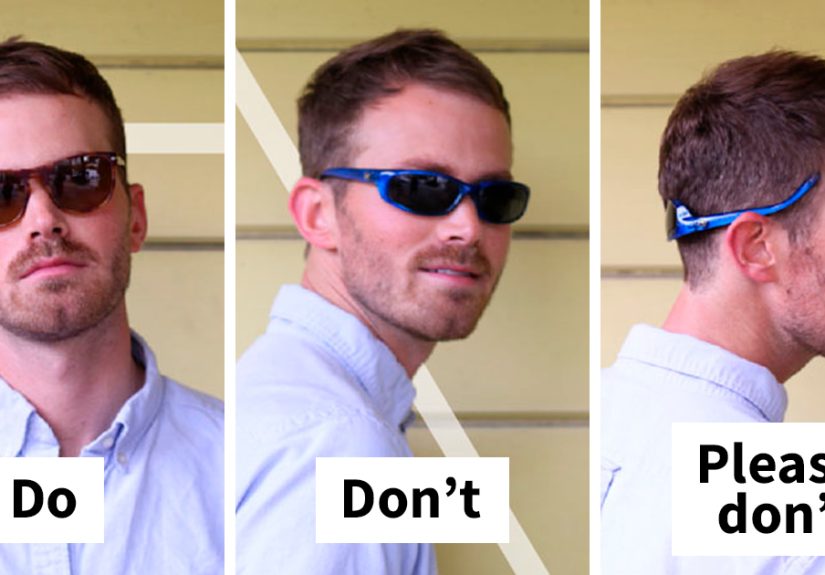
This men’s fashion guide is built like the simplest kind of style chart: Dos (things that almost always work),
Don’ts (things that usually don’t), and Oh God, Please Don’ts (the choices that turn a normal day
into a cautionary tale). It’s practical, modern, and designed for real lifework, weddings, weekends, and everything in between.
The #1 Rule That Beats Every Trend: Fit First, Always
If you remember one thing, make it this: fit makes the outfit. A $60 jacket that fits well looks better than a $600 jacket
that hangs off you like a borrowed costume. Fit also does something underrated: it makes you look intentional, like you chose the clothes
instead of losing a fight with your laundry basket.
Do
- Start with shoulders: if the shoulder seam is off, tailoring gets harder fast. Prioritize pieces that sit cleanly at the shoulder.
- Tailor the “anchor” items: suit trousers, jacket sleeves, and the waist of good pants are worth small alterations.
- Check movement: sit, reach, and walk. If it pinches, pulls, or rides up dramatically, it’s not a “break-in” problemit’s a fit problem.
Don’t
- Buy “future you” sizes (the classic “I’m going to lose 15 pounds” purchase). Dress the body you have now.
- Confuse “tight” with “tailored.” A shirt shouldn’t look vacuum-sealed.
Oh God, Please Don’t
- Wear a suit jacket that’s too short just because it’s “modern.” If it looks like you outgrew it in ninth grade, it’s not fashionit’s geometry.
- Button a jacket and watch it form an X-shaped strain pattern across your stomach. That’s your outfit sending an SOS.
Build the “No-Stress” Core Wardrobe
A smart men’s wardrobe isn’t about owning everything. It’s about owning enough things that work together. Think of it like a playlist:
a few dependable hits, not 900 random tracks you skip.
Do
- Start with versatile basics: solid tees (white/black/gray/navy), a couple of button-downs, dark jeans, chinos, and one casual jacket.
- Add one “upgrade” layer: an unstructured blazer, a clean overshirt, or a smart sweater instantly levels up simple outfits.
- Choose neutral foundations (navy, gray, olive, tan) and then add accent colors through shirts, knitwear, or accessories.
Don’t
- Buy five versions of the same “almost fits” shirt. One great-fitting shirt beats five frustrating ones.
- Overdo loud pieces early. If everything is a statement, nothing is.
Oh God, Please Don’t
- Build your entire style around giant logos. One subtle logo? Fine. Multiple billboard logos? Now you’re sponsored by poor decisions.
- Wear “dressy” items that are visibly worn out (cracked faux leather shoes, frayed collars). It reads as “gave up,” not “vintage.”
Shirts & Tops: The Easy Wins (and Easy Traps)
Shirts are where most men’s style mistakes happen because they’re so close to your face. The good news: small adjustments here create big improvements.
The bad news: the wrong shirt can make an expensive outfit look like a discount Halloween costume.
Do
- Mind the collar: for dress shirts, it should sit comfortablyno choking, no gaping.
- Use layering: a well-fitting T-shirt under an overshirt or jacket looks clean and intentional.
- Keep tees tidy: structured fabric and a good neckline beat thin, stretched-out tees every time.
Don’t
- Wear dress shirts that balloon around your waist. If you’re constantly re-tucking, the fit is fighting you.
- Wear shirts with shiny, stiff “prom night” fabric for everyday life. If it reflects headlights, it’s doing too much.
Oh God, Please Don’t
- Pop your collar like it’s 2007 and you’re about to argue with a bouncer named Trevor.
- Layer random collared shirts over each other until you look like a malfunctioning Russian nesting doll.
Pants & Jeans: The “Break” Is Not a Breakup
Pants are the backbone of your silhouette. If they’re too long, they puddle. Too short, and they look accidental. The goal is a clean line:
comfortable through the waist and seat, then a leg shape that matches your style (straight, slim, relaxed) without dragging on the ground.
Do
- Choose dark, clean denim for versatility. It works casual, smart casual, and sometimes even business casual depending on your workplace.
- Get the inseam right: aim for a clean “break” at the shoe (not a denim accordion).
- Chinos are your social cheat code: olive, tan, or navy chinos instantly look more “put together” than most jeans.
Don’t
- Wear pants that require a belt to survive. If you need a belt to hold them up, the waist is wrong.
- Confuse “skinny” with “stylish.” If the fabric is pulling at your thighs and knees, that’s not a lookit’s a cry for help.
Oh God, Please Don’t
- Wear jeans so long they sweep the sidewalk like a ceremonial robe.
- Go full “dad cargo” with overstuffed pockets. If your shorts have enough storage to qualify as a studio apartment, step away from the register.
Suits & Tailoring: Where Small Rules Prevent Big Regrets
Suits intimidate people because there are “rules.” Here’s the secret: most suit rules exist for one reasonso you don’t look like you’re wearing
the suit wrong. Learn a handful, and you’re set.
Do
- Check jacket length: a classic guideline is that the jacket should cover your seat and feel balanced when your arms hang naturally.
- Show a little shirt cuff: about a quarter to half inch of shirt cuff peeking past the jacket sleeve signals good fit.
- Un-stitch the vents: many new suit jackets arrive with vents tacked shut. They’re meant to be opened before wearing.
- Buttoning basics: generally button while standing and unbutton when sitting. For two-button jackets, the top button is your friend and the bottom one is… not.
Don’t
- Wear a suit with an untucked dress shirt. It creates a “formal on top, chaos below” vibe.
- Pair a tuxedo with casual behavior. Black tie is supposed to look composedstart by wearing it like you mean it.
Oh God, Please Don’t
- Button the bottom button on a two-button suit jacket. The suit will look awkward, and you’ll attract the attention of every menswear nerd within 30 feet.
- Wear a suit so tight you can’t comfortably move. If you can’t hug your grandma at a wedding, the suit is the problem.
Ties, Collars, and “The Rule of Proportions”
Accessories should look deliberate, not random. A tie’s length, a belt’s finish, and the scale of a watch all affect proportion. The goal is balance:
nothing screaming for attention, everything quietly cooperating.
Do
- Tie length rule: aim for the tip of your tie to hit around the top of your belt buckle/waistband.
- Match formality: knit ties and textured ties are great for smart casual; silk ties shine more in formal settings.
- Keep metals consistent: if your watch is silver-toned, a silver-toned belt buckle and subtle accessories look cohesive.
Don’t
- Wear a novelty tie to a serious event unless you are 100% sure it’s welcome. (And even then, be careful.)
- Mix loud patterns everywhere. If the shirt is patterned, let the tie be calmeror vice versa.
Oh God, Please Don’t
- Wear a tie that ends at mid-stomach or halfway down your thigh. Either way, it’s giving “borrowed from a mannequin.”
- Wear a tie bar that’s longer than your tie. That’s not “extra.” That’s “malfunction.”
Shoes: The Fastest Way to Look Put-Together
Shoes are a style multiplier. Good shoes elevate average clothes; bad shoes sabotage great clothes. Also, people notice footwear more than you think,
which is both helpful and mildly terrifying.
Do
- Own a small shoe lineup: clean white sneakers, a dark leather shoe (derby/oxford), and a versatile boot cover most needs.
- Care matters: wipe dirt off, condition leather occasionally, and polish when they look dull.
- Match the vibe: sleek shoes with tailored outfits; chunkier shoes with rugged outfits.
Don’t
- Wear beat-up sneakers with a formal suit and call it “modern.” Sometimes it’s modern; sometimes it’s just confusing.
- Ignore worn soles and cracked uppers. Shoe damage is louder than any logo.
Oh God, Please Don’t
- Wear dress shoes that look like they survived a swamp, a breakup, and a war. Your shoes shouldn’t have a backstory.
- Pair athletic high-tops with formalwear at formal events. It can work in niche fashion moments, but most of the time it reads as “I got dressed in the dark.”
Color & Pattern: Keep It Simple, Then Get Interesting
You don’t need to dress like a beige wall. But if you’re building confidence, start with easy color combos and gradually add patterns and stronger shades.
Good style is often “calm base + one interesting detail.”
Do
- Use a neutral base: navy + white, gray + black, olive + cream, tan + blue.
- Let one piece lead: if your jacket has texture or pattern, keep the rest simpler.
- Repeat colors: echo one color (like navy) in two places (shirt + shoes) to look coordinated without trying too hard.
Don’t
- Overmatch everything like you’re assembling a corporate PowerPoint theme.
- Wear patterns that compete at the same “volume.” If your shirt is loud, your tie should calm down (and vice versa).
Oh God, Please Don’t
- Wear three different bold patterns and call it “eclectic.” Eclectic is earned. Start with “coherent.”
- Make neon the centerpiece of your adult wardrobe unless your job involves directing airport traffic.
Business Casual & Smart Casual: The Most Misunderstood Dress Codes
Business casual for men is basically “professional, but not full suit.” Smart casual is “polished, but not stiff.” Both punish extremes:
too formal looks awkward, too casual looks careless.
Business Casual Do
- Chinos or tailored trousers + button-down or polo + clean shoes (loafers, derbies, minimal sneakers if your office allows).
- Add a blazer, knit sweater, or structured jacket for meetings or presentations.
Business Casual Don’t
- Wear gym clothes, loud graphic tees, or visibly distressed denim unless your workplace explicitly embraces it.
- Mix formal and sloppy (dress shirt + wrinkled pants + beat-up shoes). That’s not “relaxed,” it’s “unfinished.”
Oh God, Please Don’t
- Show up in a suit and sneakers to a conservative office “because you saw it online.” Context matters more than the internet.
- Wear an untucked dress shirt with a suit jacket and tie. That combination is fashion’s version of leaving your car door open.
Maintenance: The Quiet Cheat Code
“Looking stylish” often means “looking cared for.” Ironing (or steaming) a shirt, cleaning sneakers, and removing lint makes a bigger impact than buying
something new. This is the least glamorous adviceand the most effective.
Do
- Steam or iron wrinkled shirts when needed.
- Use a lint roller on dark clothes (especially wool coats and sweaters).
- Keep a simple shoe-care routine for leather: clean, condition/polish, and store properly.
Don’t
- Ignore fit changes. If something doesn’t fit anymore, it’s okay to alter it, donate it, or retire it.
- Overwash knitwear and jeans. Not everything needs a full wash after every wear.
Oh God, Please Don’t
- Wear a suit with the vents still stitched shut. That’s the tailoring equivalent of leaving the sticker on your new hat.
- Let white sneakers turn “off-white” in the tragic way. Clean them before they develop a permanent personality.
The “Do / Don’t / Oh God” One-Minute Checklist
- Do: prioritize fit, keep a versatile base wardrobe, and upgrade with clean shoes and good layers.
- Don’t: over-logo, over-pattern, or rely on clothes that don’t fit “yet.”
- Oh God, Please Don’t: button the bottom suit button, wear wildly wrong tie length, or show up to formal events dressed like you’re half attending, half leaving.
Conclusion
A solid men’s fashion guide doesn’t need to be complicatedit needs to be usable. If you focus on fit, build a small set of wardrobe essentials,
and avoid the classic “Oh God, Please Don’ts,” you’ll look sharper without feeling like you’re playing dress-up. Style isn’t about perfection.
It’s about looking intentional, appropriate for the occasion, and comfortable enough to actually live your life.
Bonus: of Real-World Style Experiences (and What They Teach)
Most guys don’t learn men’s style from a textbook. They learn it the way humans learn everything: by living through a few memorable moments and thinking,
“Okay, never doing that again.” One common experience is the first time someone wears a suit that technically “fits” because it buttonsbut it doesn’t
actually fit. In photos, the jacket pulls across the chest, the sleeves swallow the hands, and the pants stack into a messy pile at the shoes.
The lesson is immediate: tailoring isn’t a luxury; it’s the difference between “sharp” and “I borrowed this from an older cousin.”
Another classic moment happens at weddings. There’s always a debate about sneakers with suits, and sometimes it worksespecially with relaxed suits
and a casual venue. But at more formal events, the wrong shoe choice can make an otherwise great outfit look like a mismatch. Guys often remember
that feeling of being slightly underdressed in a room full of polished looks. It teaches a simple rule: match the formality of the room. You can
still show personality with texture (a knit tie), color (a rich navy suit), or accessories (a simple pocket square), without fighting the dress code.
Workplaces deliver their own lessons. Many people discover “business casual” is not a universal languageit’s a dialect. In one office, clean jeans
and minimal sneakers are normal; in another, jeans are a Friday-only privilege and sneakers are considered athletic equipment. A lot of men end up
overdressed once (feeling stiff) and underdressed once (feeling exposed), and then they finally calibrate. The takeaway: start slightly more polished
than you think you need, then adjust once you see the local rules.
Then there’s the humble power of maintenance. Plenty of men have experienced the magic of doing almost nothingjust cleaning sneakers, shaving off sweater
pills, running a lint roller over a coatand getting complimented like they hired a stylist. That moment is oddly motivating because it proves style
isn’t always about buying more; it’s often about taking care of what you already own. It’s also the easiest confidence upgrade: when your clothes look
intentional, you tend to carry yourself like you meant to be there.
Finally, personal style usually clicks when someone stops chasing “what’s in” and starts paying attention to what feels like them. Maybe it’s a
preference for clean minimal outfits, rugged workwear layers, or classic tailoring. Once a guy identifies his lane, shopping gets simpler, outfits become
more consistent, and getting dressed stops feeling like a daily puzzle. That’s the real win: clothes that fit your life, your body, and your personality
without any “Oh God, Please Don’ts” haunting your camera roll.