Table of Contents >> Show >> Hide
- What “Luxe Restraint” Actually Means
- The Core Ingredients of the Look
- How to Recreate the Look at Home
- Why This Style Works So Well Right Now
- Common Mistakes to Avoid
- Steal-This-Look Shopping Mindset
- The Real Luxury: A Kitchen That Feels Peaceful
- What It Feels Like to Live With a Kitchen Like This
- Conclusion
Some kitchens flirt. This one barely raises an eyebrow, and somehow that makes it irresistible.
The appeal of a restrained London kitchen is not that it tries to look expensive. It is that it looks so calm, so edited, and so completely sure of itself that the luxury sneaks up on you. No flashy brass circus. No backsplash screaming for attention like it just discovered social media. Just pale stone, warm neutrals, beautifully made cabinetry, polished concrete underfoot, and a layout that seems to whisper, “Relax, I already thought of everything.”
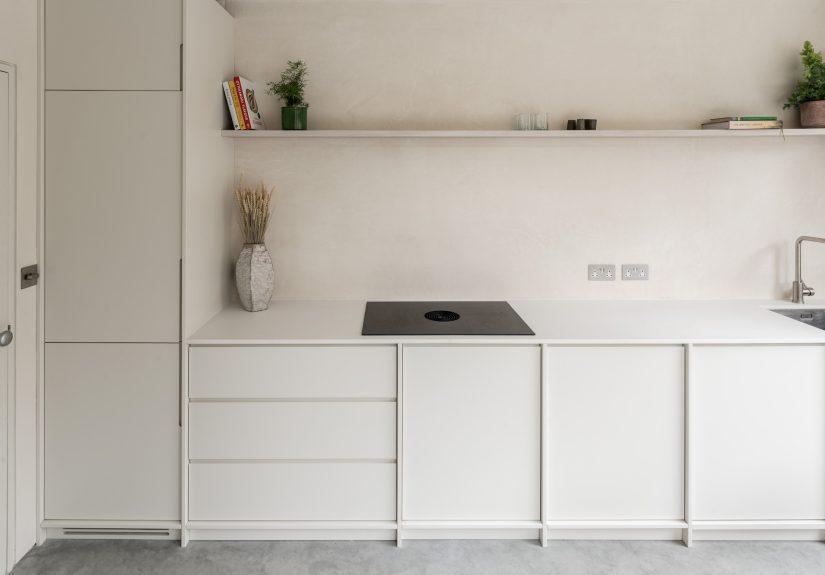
That is the genius of luxe restraint. It is not minimalism in the cold, joyless sense. It is minimalism with pulse. It trades sterile white-on-white clichés for texture, warmth, craftsmanship, and a sense of lived-in ease. In the London kitchen that inspired this look, the palette stays hushed while the materials do the talking: polished concrete floors, pale countertops, a Tadelakt backsplash, handcrafted cabinetry, an open shelf instead of uppers, and vintage dining pieces that make the room feel personal rather than showroom-staged.
If you want a kitchen that feels elevated without acting like a diva, this is the look to steal.
What “Luxe Restraint” Actually Means
Luxe restraint is the design equivalent of excellent tailoring. Nothing is loud, but everything fits perfectly. In kitchen terms, that means a limited palette, natural materials, precise detailing, and just enough contrast to keep the room from becoming one big beige sigh.
In this London-inspired approach, luxury comes from what you feel before what you see. The floor has a soft sheen rather than a mirror gloss. The walls, cabinetry, worktops, and backsplash sit close in tone, which creates a cocooning effect. The storage is streamlined. The appliances visually disappear. Even the decision to avoid upper cabinets is not just aesthetic; it keeps the room breathable, almost architectural.
The result is a space that looks expensive because it feels resolved. That is the trick. Not more stuff. Better choices.
The Core Ingredients of the Look
1. A Soft, Monastic Palette
This style lives in the land of oat, chalk, mushroom, putty, stone, and warm off-white. It is a palette with very good manners. Rather than relying on sharp contrast, it layers near-neutrals so the room feels serene and cohesive.
The London kitchen leans into a color-matched strategy: walls, cabinetry, and major surfaces stay in the same visual family. That sameness is exactly what makes it sophisticated. When everything is harmonized, your eye starts noticing subtler pleasures like grain, shadow, edge detail, and changing daylight.
If you are recreating the look, avoid icy whites and blue-leaning grays. They tend to flatten the room and suck the soul out of natural materials. Choose creamy whites, warm greiges, dusty clay tones, or pale limestone shades instead.
2. Natural Materials With a Little Soul
Restrained kitchens only work when the materials are doing real work. If the color palette is quiet, texture has to carry the conversation.
Start with stone. Pale quartzite, honed marble, or a softly veined engineered surface can all deliver that tailored, calm look. Then add wood, but use it wisely. Rift-cut or lightly grained oak works beautifully because it brings warmth without visual chaos. The original London space used handcrafted cabinetry with oak dovetail details, which is the kind of small craftsmanship flex that design people love and everyone else simply experiences as “Wow, this feels nice.”
Then there is Tadelakt, the polished plaster finish that gives backsplashes a seamless, almost sculptural feel. It is understated but memorable, which is the sweet spot for this aesthetic. If authentic Tadelakt is not practical for your project, look for limewash-style finishes, plaster-look slabs, or large-format materials that reduce grout lines and visual noise.
3. Polished Concrete That Does Not Show Off
Concrete can go wrong fast. One minute you are aiming for quiet sophistication; the next minute it looks like an abandoned gallery in a movie about very serious people. The difference is in the finish.
In the London kitchen, polished concrete has a soft sheen and continues visually toward the outdoor area, creating an indoor-outdoor flow that feels both modern and grounded. It is sleek, yes, but not slippery in character. It has heft. It gives the space a calm architectural backbone.
If polished concrete is too big a commitment, large-format stone-look porcelain or microcement can create a similar low-fuss, high-style mood. The point is not to make the floor a star. The point is to give the room a stable, quiet stage.
4. Streamlined Storage and Appliances That Behave Themselves
One of the smartest lessons from luxe restraint is that clutter is not just a housekeeping problem. It is a design problem.
This is why panel-ready appliances, flush installations, and integrated ventilation matter so much. In the London kitchen, a downdraft cooktop helps avoid the visual bulk of an overhead hood. That single decision keeps the sightlines clear and the room feeling open. A petite inset sink preserves counter space. Soft-close cabinetry and hidden storage protect the calm.
If your kitchen always feels busy, the fix may not be a new color. It may be fewer visual interruptions. Hide what you can. Edit what stays out. Give every daily-use item a home. Suddenly your kitchen stops looking like it is late for three meetings.
5. An Open Shelf, Not a Parade of Upper Cabinets
Upper cabinets can be useful, but they can also be the visual equivalent of shouting. One long open shelf is a clever alternative when you want the room to breathe.
The beauty here is restraint. This is not an invitation to display forty-seven mugs and a ceramic rooster named Gerald. It is a cue to keep only a few favorite pieces within reach: a stack of plates, a handsome bowl, one or two everyday glassware pieces, maybe a small lamp or vessel that softens the hard-working edges of the kitchen.
That one shelf becomes less about storage and more about tone. It tells the room to exhale.
How to Recreate the Look at Home
Keep the Palette Tight
Pick three main finishes and commit. For example: warm off-white walls, pale stone counters, and light oak details. That is enough. The restrained look falls apart when every surface tries to have its own subplot.
Choose Warm Metal Accents Sparingly
Unlacquered brass, antique brass, or brushed brass can work beautifully here, but only in small doses. A faucet, cabinet pulls, or a single light fixture is often plenty. In a kitchen like this, metal should feel like jewelry, not a marching band.
Layer the Lighting
Under-cabinet or integrated shelf lighting adds function without clutter. A sculptural ceiling fixture over a dining area can introduce softness and personality. The goal is to create warmth at different levels so the room feels good at breakfast, dinner, and those 10:14 p.m. moments when you are standing at the counter eating good cheese for no official reason.
Bring in Vintage or Characterful Furniture
One reason the London kitchen feels so rich is that it is not overly new. Vintage dining furniture gives it depth and humanity. A kitchen this clean needs at least one element with a little age, texture, or story. That could be a wood table, a woven stool, an old pendant, or a chair that looks like it has opinions.
Respect Negative Space
Not every wall needs decorating. Not every counter needs styling. In fact, leaving some areas quiet is what makes the best pieces stand out. Restraint is not emptiness. It is confidence.
Why This Style Works So Well Right Now
Because people are tired of kitchens that look polished but feel impersonal.
The broader design mood has shifted toward warmth, tactility, and kitchens that feel like real living spaces. That is why warm woods, earthy neutrals, natural stone, layered lighting, and integrated appliances keep showing up across current design coverage. Homeowners still want clean lines, but they also want softness, comfort, and materials that age well.
That is the sweet spot this London kitchen hits. It proves that luxury does not have to mean maximalism, and minimalism does not have to mean emotional frostbite. The room is pared back, but it is not austere. It feels human. It invites you to cook, to sit, to linger, to leave a good loaf of bread on the counter and not ruin the vibe.
Common Mistakes to Avoid
Going Too Cold
If you copy the minimal lines but skip the warm undertones, the space can turn clinical fast. Balance clean architecture with wood, plaster, stone, or soft paint colors.
Using Too Many “Luxury” Signals
Statement marble, dramatic pendants, ornate hardware, glossy cabinets, and sculptural stools can all be beautiful. Together, they may start auditioning for different shows. Edit hard.
Forgetting Function
A kitchen should not become so pure that making coffee feels like violating a museum exhibit. Seamless design still needs real storage, durable finishes, and enough task lighting to chop an onion without existential dread.
Overstyling Open Shelves
Open shelving looks effortless right up until it starts resembling a gift shop. Keep it useful. Keep it sparse. Keep Gerald the rooster off the roster.
Steal-This-Look Shopping Mindset
You do not have to copy the London kitchen item for item to capture its spirit. What matters is the hierarchy.
- Invest in the surfaces you touch and see every day: countertops, flooring, and cabinetry fronts.
- Choose one hero material with natural variation, such as stone, oak, or plaster.
- Use integrated or low-profile appliances whenever possible.
- Add one vintage or artisanal piece so the room feels collected, not factory-fresh.
- Let the palette stay calm enough that daylight becomes part of the design.
That last point matters more than people think. A restrained kitchen is never static. Morning light picks up the warmth in the walls. Afternoon light deepens the stone. Evening light turns the whole room into a soft, flattering backdrop for dinner, tea, emails, or one more snack you absolutely did not need but fully deserved.
The Real Luxury: A Kitchen That Feels Peaceful
What makes this London kitchen so compelling is not just that it photographs well. Plenty of kitchens photograph well. Some of them would probably also insist on being called “curated culinary environments,” which is exhausting.
This one feels different because its luxury is emotional as much as visual. It is disciplined without being severe. Sophisticated without being chilly. Minimal without being empty. It understands that a kitchen is not just a place to store plates and stage your olive oil. It is where the day starts, where guests gather, where somebody leans on the counter with a cup of coffee and a half-formed plan.
Luxe restraint, at its best, gives that everyday life a better backdrop. Not louder. Better.
What It Feels Like to Live With a Kitchen Like This
There is a special kind of pleasure in walking into a restrained kitchen first thing in the morning. Before the coffee is made, before the phone starts buzzing, before the day remembers to be chaotic, the room already feels composed. The concrete floor is cool and solid underfoot. The pale counters catch the earliest light. The shelf is not crowded, so your eye has somewhere to rest. Even silence feels better in a kitchen like this.
That may sound dramatic, but good design is dramatic in sneaky ways. It changes how your routines feel. In a cluttered kitchen, breakfast can feel like a scavenger hunt. In a calm kitchen, reaching for a mug, slicing toast, rinsing fruit, or making eggs feels smoother because the room is not fighting you every step of the way. There is less visual static, which means your brain is not processing a hundred tiny interruptions before 8 a.m. That is not just style. That is quality of life wearing very nice shoes.
By afternoon, a kitchen like this starts showing off differently. The materials become the entertainment. Light moves across the backsplash and suddenly the plaster finish looks almost velvety. The wood detail on a drawer edge reads warmer. A stone counter that seemed quiet in the morning now shows off faint veining and depth. You start noticing that the room is not plain at all. It is simply not obvious. It rewards attention instead of begging for it.
Then comes the social side. Restrained kitchens are unexpectedly good at hosting because they do not dominate the conversation. Guests drift toward them naturally. Someone leans on the counter. Someone else pulls up a stool. A friend starts complimenting the room and then, almost immediately, asks why it feels so good. Usually the answer is some combination of light, proportion, and materials. Also, nobody is being yelled at by a backsplash.
At night, the mood gets even better. Layered lighting softens edges and turns the kitchen into part workspace, part sanctuary. The absence of upper cabinets means the room does not close in after dark. A single pendant or ceiling light over the dining table creates a pool of warmth that makes takeout feel more elegant than it has any right to be. Even leftovers look slightly more intentional in a beautiful kitchen, which is a useful and mildly hilarious design benefit.
What people often underestimate is how forgiving this style can be in daily life. Because the palette is natural and the finishes are tactile, a little wear does not ruin the effect. In many cases, it improves it. Wood softens with age. Brass gains character. Stone develops familiarity. This is not a look that depends on permanent perfection. It depends on good bones and smart editing.
That is why the experience of living with luxe restraint feels so lasting. It is not trend-chasing. It is atmosphere-building. It makes ordinary habits feel steadier, dinner feel slower, and the whole room feel less like a design statement and more like a deeply pleasant place to exist. Which, in the end, is probably the most luxurious thing a kitchen can do.
Conclusion
If you want to steal this look, do not start by asking what is trendy. Start by asking what can stay quiet and still feel rich. Choose materials that get better in natural light. Let the palette lean warm and close in tone. Hide the visual clutter. Add one or two pieces with history. Keep the details sharp, the styling minimal, and the mood calm.
That is the magic of luxe restraint in a London kitchen. It proves that the most beautiful rooms are often the least desperate to prove they are beautiful.