Table of Contents >> Show >> Hide
- What You’re Looking At (In Human Terms)
- Why Studioilse Benches Feel “Right”
- Design Details That Make the Difference
- Comfort & Fit: Will Two Adults Actually Like Sitting Here?
- Where This Bench Works Best
- Styling Tips (So It Looks Effortless, Not Accidental)
- Care & Maintenance: Keep It Looking Good Without Babysitting It
- Buying Guide: What to Decide Before You Click “Order”
- Who This Bench Is For (and Who Should Keep Browsing)
- Conclusion
Some furniture is born to be background noise. This bench is not that furniture. The
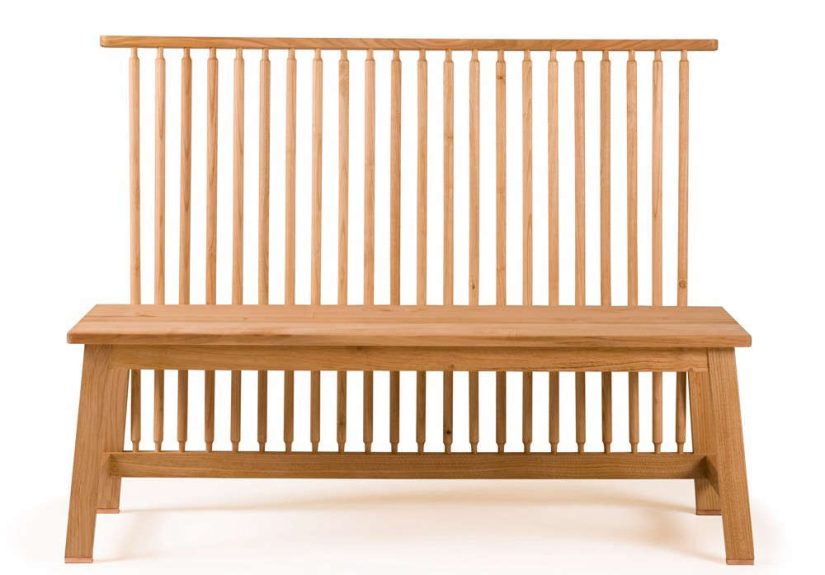
Studioilse Two-Seater Bench with Back is the kind of piece that quietly upgrades your
whole room’s mannerslike a friend who shows up early, helps set the table, and somehow makes everyone
sit up a little straighter without being annoying about it.
Designed by Studioilse (the design partnership led by Ilse Crawford) and produced by De La Espada,
this two-seater sits in that sweet spot between “practical daily seating” and “yes, I do have taste.”
It’s warm, architectural, and subtly cleverespecially once you realize it’s built for the reality of
life: meals, messes, company, and the occasional dramatic sigh after a long day.
What You’re Looking At (In Human Terms)
Think of this as a dining-friendly bench that borrows the best parts of classic vernacular furniture
(benches, settles, pews) and translates them into a modern home without turning your kitchen into a
museum. The proportions are intentionally compact for residential spaces, and the back gives you the
comfort of a chair without the “four legs per person” clutter that chairs bring to a room.
Quick spec snapshot
- Overall size (2-seater): about 51.5" W × 20" D × 37.8" H
- Seat height: about 16.9" (roughly 16 7/8")
- Materials: solid wood options (typically walnut, oak, or ash) with copper detailing/feet
- Comfort add-on: optional seat pad in leather or upholstery; can be secured via discreet holes
- How it’s made: made-to-order production, crafted in Portugal
- Typical price range: often starts around the $3,000 mark (varies by retailer/finish)
Why Studioilse Benches Feel “Right”
Studioilse is known for human-centered designless “look at me” and more “live with me.” That matters
because a bench has a hard job: it needs to look sculptural while surviving real life (crumbs, coats,
kids, guests, your laptop, your cat’s daily audition for “Most Dramatic Lounge Pose”).
Studioilse’s work often emphasizes warmth, comfort, and materials that feel honest. That philosophy
shows up here in the way the bench balances structure with softness: a reassuring frame, a supportive
back, and optional padding where it counts. It’s the difference between “nice to photograph” and “nice
to actually sit on while you eat a bowl of cereal at midnight.”
Design Details That Make the Difference
The backrest: comfort and a little privacy
The “with back” part isn’t just a featureit’s the whole personality. A backrest makes a bench
dramatically more usable for longer sits (dinners, homework, board games, awkward-but-sincere talks).
The vertical rhythm reads light and airy rather than bulky, which is why it can hold its own in both
open-plan kitchens and more formal dining rooms.
Solid wood choices: walnut, oak, or ash
This bench is commonly offered in solid hardwoodswalnut for a darker, richer look; white oak for a
bright, classic grain; and ash when you want a slightly more contemporary, linear feel. Different
retailers list different finish menus, but you’ll often see oil finishes (including “Danish oil” style
finishes), lighter “white oil” looks, and options like stain or paint depending on the wood species.
Translation: you can make this bench whisper or make it speak. Want it to blend into a calm,
Scandinavian-ish room? Go light oak. Want it to anchor a moodier dining space? Walnut will do that with
zero effort.
Copper feet: the tiny flex
The copper detailing is one of those “you notice it later” joys. It adds a warm glint at floor level
and keeps the piece from feeling overly rustic or overly modern. It’s not screaming for attentionit’s
just quietly saying, “Yes, this was designed on purpose.”
The seat pad: comfort that doesn’t compromise the silhouette
You can order the bench with an optional seat pad (leather or upholstered, depending on the seller and
configuration). Practical bonus: the design can include discreet holes along the seat so the pad can be
secured instead of sliding around like it’s trying to escape your dinner party. (We’ve all met that one
cushion.)
Comfort & Fit: Will Two Adults Actually Like Sitting Here?
Let’s talk ergonomicsbecause “pretty” doesn’t count if everyone stands up after seven minutes. The seat
height is around 16 7/8"–16.9", which is a touch lower than the common “about 18"” you’ll see in
many dining seats and banquettes. That sounds like a small difference, but it can matter depending on
your table height and whether you add a cushion.
Pairing it with a dining table
Many dining setups assume a table height around 28–30". For comfortable legroom and movement, it helps
to keep a sensible gap between the seat surface (including any cushion) and the underside of the table.
If you’re using a seat pad (or a thicker upholstered pad), that slightly lower base height can actually
become an advantageyour cushion brings you closer to standard dining height without making you feel
perched.
How many people fit, realistically?
A great rule of thumb for bench seating is to plan roughly 24 inches of bench length per
person. With an overall width around 51.5", two adults fit comfortably with a bit of breathing
roomenough to avoid the classic “elbows negotiating territory” situation, but still close enough that
it feels social (which is the entire point of a bench).
Depth and back support
Bench depths often land in the mid-to-high teens for comfortable everyday use, and many built-in seats
and window seats sit roughly in a 16–20" depth range. With an overall depth around 19–20", the Studioilse
two-seater stays in that comfortable zonedeep enough to feel generous, not so deep that shorter sitters
feel like their feet are dangling in existential uncertainty.
Where This Bench Works Best
1) Dining room or kitchen nook
This is the bench’s natural habitat. Push it against a wall for a banquette-style vibe, or float it
opposite chairs for a more flexible dining setup. The backrest creates a “destination seat” feeling,
which is why dining nooks with a tall-backed bench can feel instantly more finished and intentional.
2) Entryway (for people who are tired of hopping on one foot)
If you’ve ever tried to lace boots while balancing like a flamingo, you already understand the value
of a backed bench. In an entry, it becomes a daily-use hero piece: sit, tie shoes, drop a bag, regroup,
conquer the world (or, realistically, run errands).
3) Living room as a “social edge”
Benches with backs can act like informal seating that doesn’t visually weigh down a room the way a
loveseat might. If your living room needs one more seating spot but you don’t want another full sofa,
a two-seater bench can be a clean solutionespecially in open-plan spaces.
4) A home office corner for reading and calls
A backed bench in a bright corner can become a comfortable alternate perchperfect for reading, taking
calls, or pretending you’re brainstorming while actually just staring out the window like a thoughtful
movie character.
Styling Tips (So It Looks Effortless, Not Accidental)
Choose a finish that matches your “room mood”
- Walnut: richer, warmer, more “library energy,” great with brass, cream, and deep colors.
- White oak: airy, classic, easy to mix with modern or traditional pieces.
- Ash: slightly more contemporary; plays well with crisp paint colors and minimal styling.
Seat pad strategy: comfort, durability, and spill camouflage
If this bench will see regular meals, fabric choice matters. Performance upholstery (or even a textured
weave) helps the bench stay handsome through real life. And if you’re a “wine counts as hydration” sort
of household, patterns and darker tones are your friendsthey hide the everyday evidence of being alive.
Rug placement that doesn’t drive you nuts
If the bench lives at a dining table, pick a rug large enough that the bench legs remain on the rug even
when the bench is pulled out slightly. Nothing kills the vibe faster than a chair-or-bench leg snagging
on the rug edge like it’s starting a feud.
Care & Maintenance: Keep It Looking Good Without Babysitting It
Solid wood furniture is surprisingly forgiving if you treat it like a grown-up, not like a Fabergé egg.
Use a soft cloth for dusting and a barely damp cloth for quick cleanup. Avoid soaking the surface, and
skip harsh cleaners that can strip oil finishes.
Oil finishes can often be refreshed over time (the exact approach depends on the finish and the maker’s
care instructions). Copper detailing may develop a gentle patinasome people love that “earned character,”
others prefer to keep it brighter with careful polishing. Either way, the bench is designed to age with
dignity, not fall apart in a sulk.
Buying Guide: What to Decide Before You Click “Order”
Confirm lead times (and don’t panic)
This is frequently made-to-order furniture, which means lead times can be measured in weeks, not days.
Different retailers may list different estimates, and availability can shift based on finish and production
schedules. If you need it for a specific date (holiday hosting, new home move-in, etc.), ask early.
Pick your seat pad plan
Decide whether you want a pad now, later, or never. If comfort is your top priority, a pad makes a real
difference for long sits. If you love the clean wood seat look, go withoutand consider adding a removable
cushion when needed. Also: ask about the option to order the bench with (or without) the discreet holes
that allow the pad to be secured.
Measure like you mean it
Measure your wall span, table clearance, and traffic flow. For dining, ensure you can pull the bench out
enough for comfortable entry/exit. If it’s against a wall, confirm your table overhang works with the bench
depth so knees aren’t making contact with the underside of the table like they’re filing a complaint.
Who This Bench Is For (and Who Should Keep Browsing)
It’s perfect for:
- People who want dining seating that feels intimate and social.
- Small-space dwellers who want a banquette vibe without building anything.
- Design lovers who care about materials, craft, and detail.
- Homes that need “extra seating” without visual clutter.
Maybe not ideal for:
- Anyone who needs plush, sink-in softness as the default.
- Households that prefer individual, movable chairs for every person.
- People who want immediate delivery (made-to-order is a different lifestyle).
Conclusion
The Studioilse Two-Seater Bench with Back succeeds because it’s quietly ambitious: it looks refined, but
it’s built for real humans doing real thingseating, talking, working, waiting, living. It offers the
togetherness of bench seating, the comfort of a supported back, and the kind of thoughtful detailing that
makes you appreciate it more over time. If you want a piece that turns a dining corner into the best seat
in the house (without trying too hard), this bench earns its keep.
Bonus: of Real-Life Bench Experience
I once thought a bench was just a “chair alternative,” like decaf coffee or using a tote bag as luggage.
Then I lived with a two-seater bench with a back in a kitchen nook for a while, and I learned something
important: a backed bench is basically a social magnet disguised as furniture.
First, it changed the way people arrived in the room. With chairs, guests orbit the table like satellites
looking for an assigned seat. With a bench, there’s this subtle invitationsit down, scoot over, make room.
It’s the furniture equivalent of, “Come on in, we’re friendly.” People end up closer, conversations get
warmer, and someone always says, “Wait, this is actually comfortable,” with the mild surprise of a person
who expected a wooden plank and got back support instead.
The backrest is the unsung hero. Without it, a bench can turn into “temporary seating” energyfine for
quick moments, not great for lingering. With it, the bench becomes a legitimate place to stay. I watched
it host morning coffee, mid-day laptop work, and an entire evening of friends leaning back while debating
whether a hot dog is a sandwich (it’s not, and I will not be taking questions).
Practical lesson: the seat pad decision is real. On days when we had longer mealsthink brunch that slowly
becomes “oops, it’s 4 p.m.”a cushion made the bench feel more like a favorite chair. And if you’ve ever
dealt with a cushion that slides, you know it can be the tiniest annoyance that somehow becomes a full
personality. The ability to secure a pad neatly is the kind of detail you don’t brag about, but you
absolutely appreciate when you’re not constantly readjusting it like you’re doing furniture babysitting.
The bench also revealed who in the household is a “scooter” and who is a “claimer.” Scooters happily slide
over to make room; claimers sit down like they’ve planted a flag. But even claimers soften when the bench
is genuinely pleasant to sit onsupportive back, sensible proportions, and enough space that two adults
can coexist without feeling like they’re sharing a single airplane seat.
And yes, it became the drop zone. Bags landed there. Mail landed there. The dog tried to land there.
Somehow, it still looked good. That’s the real test of a well-designed bench: it can handle everyday chaos
and still look like it belongs in a beautifully considered space. If your home life is equal parts style
and reality (so, everyone), a Studioilse-style backed bench can be one of those rare purchases that keeps
paying you backevery meal, every conversation, every time you sit down to tie your shoes and feel mildly
grateful to be alive and not balancing on one foot.