Table of Contents >> Show >> Hide
- What “Freckle Tattooing” Actually Is
- Why Everyone Suddenly Wants Face Freckles
- How the Procedure Works (So You Know What You’re Signing Up For)
- How Long Do Freckle Tattoos Last?
- Do Freckle Tattoos Look Natural? YesIf You Avoid These Mistakes
- Risks and Safety: The Part Everyone Skips Until a Dermatologist Yells (Lovingly)
- How to Choose the Right Artist (Your Face Deserves Standards)
- Aftercare: How to Keep Your New Freckles Cute (And Your Skin Calm)
- Not Ready for Needles? Try These Freckle Alternatives First
- FAQ: Quick Answers Before You Book Anything
- Conclusion: Freckles, But Make It Smart
- Experiences: What It’s Really Like to Get Freckles Tattooed on Your Face (The Stuff People Tell You After)
Once upon a time (aka, like five minutes ago in beauty-trend years), people treated freckles like surprise guests at a party:
“Oh no… you came.” Now? We’re sending them engraved invitations and a rideshare. Welcome to the era of
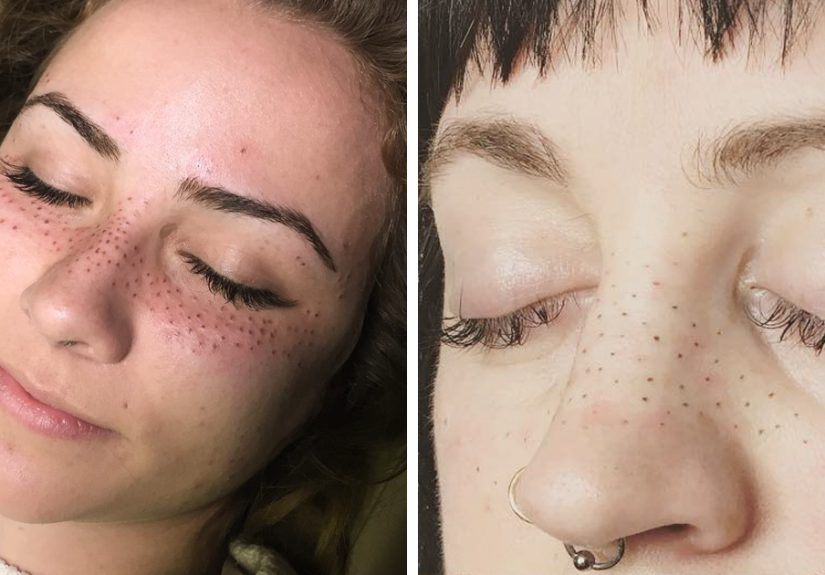
freckle tattoosa form of cosmetic tattooing that gives you that sun-kissed, “I just came back from a
whimsical weekend in Santa Barbara” look… without the actual sun damage, airport delays, or suspiciously priced smoothies.
If you’ve seen TikToks of artists gently dotting pigment across someone’s cheeks and nose, you’ve already met the trend.
It’s often called freckling, faux freckles, or semi-permanent freckles, and when it’s done well, it can look
unbelievably naturallike you were born with it, but also like you sleep eight hours and drink water (a bold narrative choice).
What “Freckle Tattooing” Actually Is
Not a Sharpie, Not Sun Damage, Not a Filter
Tattooing freckles on your face is typically part of the broader world of permanent makeup
(also called micro-pigmentation or dermapigmentation). Instead of using traditional tattoo ink placed deep in the skin,
cosmetic tattoo artists deposit pigment more superficially to create soft, natural-looking marks that can fade over time.
Think “watercolor,” not “permanent marker.”
Many artists use techniques similar to microblading or other semi-permanent makeup methods: tiny needle groupings,
controlled depth, and carefully chosen pigment tones that complement your undertone. The goal isn’t perfect dots in a grid.
The goal is the opposite: tiny, irregular, slightly imperfect freckles that look like they belong on your skin.
Why Everyone Suddenly Wants Face Freckles
Beauty’s Plot Twist: From “Cover It” to “Add It”
Freckles have become shorthand for “fresh,” “youthful,” and “effortless.” (Which is hilarious, because the effort sometimes
includes booking an appointment, sitting still while someone pokes your face, and then babying your skin like it’s a tiny
celebrity.) But culturally, we’ve swung from the era of full-coverage perfection to “real-skin realism”and freckles are the
cutest proof-of-life your face can offer.
The Filter Effect Is Real
Social media filters have basically trained our brains to see “freckled cheeks + dewy skin” as the default setting for cute.
Freckle tattoos promise that vibe without needing to draw dots every morning or worry about your “freckle pen” migrating into
your pores by lunchtime.
How the Procedure Works (So You Know What You’re Signing Up For)
Step 1: Consultation and “Freckle Design”
A good artist won’t freestyle your face like it’s a napkin doodle. You’ll typically discuss the look you want:
light and barely-there, bold and editorial, or “I have freckles but only where the sun kisses” (very romantic, very specific).
Many artists map placement across the bridge of the nose and upper cheekswhere natural freckles often appear.
Step 2: Color Matching (The Make-or-Break Moment)
Freckles aren’t one color. They’re warm, cool, faded, layered, and slightly chaotic. Skilled cosmetic tattoo artists choose
pigment shades that match your complexion and undertone, sometimes blending tones for dimension. This is also why choosing an
experienced professional matters: the wrong pigment can heal too dark, too ashy, or just… emotionally confusing.
Step 3: The Actual Tattooing (Tiny Dots, Big Commitment)
The freckles are created by placing small deposits of pigment into the skin using a cosmetic tattoo machine or hand-poke method.
Sessions vary, but expect around an hour or two depending on how many freckles you’re getting and how intricate the mapping is.
Many places use topical numbing, though “pain” is still personalsome people say it’s mildly spicy, others act like they bravely
survived a dragon encounter.
Step 4: The “Whoa, These Are Dark” Phase
Fresh freckle tattoos can look darker and more obvious at first. That’s normal. As the skin heals, the pigment softens and the
freckles settle into a more natural look. If you’re someone who panics during the “fresh haircut shock” window, plan accordingly.
The early stage is not the final stage.
How Long Do Freckle Tattoos Last?
Here’s the big reality check: despite the dramatic name, most freckle tattoos are designed to be
semi-permanent. They fade gradually, and how long they last depends on factors like pigment type, placement depth,
sun exposure, skincare routine, and your skin’s natural turnover.
In general, many people need touch-ups to keep the look consistent. Some freckles fade within months on fast-exfoliating routines
or very oily skin; others linger for years if the pigment was placed a bit deeper or the person is diligent about sun protection.
If you love acids, retinoids, peels, and aggressive exfoliation, your freckles may peace out sooner than you’d like.
Do Freckle Tattoos Look Natural? YesIf You Avoid These Mistakes
Natural Freckles Are Random (But Not Too Random)
The most believable freckle tattoos mimic real freckle “clusters”:
denser near the nose bridge and upper cheeks, more scattered outward, and varied in size and shape.
If every dot is the same size and perfectly round, it can look more like “polka-dot enthusiasm” than “sun-kissed genetics.”
Less Is Usually More
The internet loves bold freckles for the before-and-after drama, but many artists intentionally start lighter.
You can always build up freckles in a follow-up appointment. Removing or correcting them? That gets complicated, expensive,
and potentially irritating for facial skin. Subtle freckles tend to age betterboth on your face and in your photo memories.
Risks and Safety: The Part Everyone Skips Until a Dermatologist Yells (Lovingly)
Yes, It’s a TattooSo It Has Tattoo Risks
Any procedure that breaks the skin can come with risks: infection, allergic reactions, scarring, granulomas, and keloids.
It’s uncommon in well-run studios with proper hygiene, but it’s not imaginary. If equipment isn’t sterilized correctly or inks
are contaminated, complications can happen. And allergic reactions to pigments can occur immediately or show up much later.
Ink Safety and Contamination Are Real Topics
In the U.S., tattoo and permanent makeup ink safety has been under scrutiny for years, with recalls and reported infections linked
to contaminated inks. This is why reputable artists obsess over sanitation, sourcing pigments responsibly, and following local regulations.
“Cheap and fast” is a great motto for pizza deliverynot for needles near your eyeballs.
Freckles Can Also Hide Things You Actually Need to See
Dermatologists often remind people that tattoos can disguise changes in the skin and make it harder to notice early signs of skin cancer.
That doesn’t mean freckle tattoos automatically equal danger. It means you should be smart:
don’t tattoo over suspicious spots, keep up with skin checks, and see a dermatologist if you have lots of moles, a history of atypical
lesions, or any “this spot looks weird” feelings.
MRI Concerns (Rare, But Worth Mentioning)
It’s uncommon, but tattoo pigments (including permanent makeup) have been associated with discomfort during MRI scans in some cases.
The practical takeaway: always tell medical staff you have tattoos or cosmetic tattooing before imaging.
It’s quick, free, and makes you look responsibly adult.
How to Choose the Right Artist (Your Face Deserves Standards)
Look for Licensing, Training, and a Real Portfolio
Prioritize a licensed or properly certified professional (requirements vary by state) with a strong portfolio of healed results.
“Healed” matters because fresh freckles can look dramatically different from how they’ll settle weeks later.
Bonus points if their portfolio includes multiple skin tones, undertones, and freckle styles.
Ask What Pigments They Useand Why
Good artists can explain pigment selection in plain English. They should be able to tell you how the freckles will heal,
how they typically fade, and what the plan is if you want a lighter or deeper look.
If the artist can’t explain anything beyond “Trust me,” you are allowed to leave. Politely. Swiftly.
Red Flags That Deserve a Hard No
- They encourage DIY kits or “at-home freckling.”
- No gloves, no barriers, no sterilization process you can observe.
- They want to tattoo directly over existing moles or suspicious spots.
- They don’t do consultations, patch discussions, or aftercare instructions.
- They promise “permanent and perfect” results (nature doesn’t even do that).
Aftercare: How to Keep Your New Freckles Cute (And Your Skin Calm)
The First Week: Treat Them Like Tiny Wounds (Because They Are)
Follow your artist’s instructions exactly. In general, fresh cosmetic tattooing requires you to keep the area clean, avoid heavy
sweating, avoid picking or scratching, and skip makeup on the treated area while it heals. You’ll also want to avoid swimming and
soakingpools and hot tubs are basically bacteria parties with mood lighting.
Sun: The Frenemy of All Tattoos
UV exposure can fade tattoos faster because the pigment sits in the dermis, where UV damage and collagen breakdown can affect longevity.
The tricky part: many dermatology sources recommend avoiding sunscreen until the tattooed skin is fully healed because applying products
too early can irritate healing skin. Once healed, consistent sunscreen is your best friend for keeping freckles looking soft and natural.
Skincare Adjustments (Yes, Even If You Love Your Acids)
Strong exfoliants can accelerate fading. If you’re committed to long-lasting freckles, you may need to be strategic:
keep retinoids and acids away from the freckled zone for a while (and possibly long-term, depending on how your freckles are holding up).
A good artist will tell you what to avoid and for how long.
Not Ready for Needles? Try These Freckle Alternatives First
Temporary Freckles: Low Commitment, High Fun
If you’re freckle-curious but not freckle-committed, temporary options are your playground:
freckle pens, self-tanner dots, henna-style freckles, and temporary tattoo freckles can give you the vibe without the long-term decision.
You can also go full sparkly with glitter freckle patches for festivals, parties, or any day you want your face to say,
“I’m here, and I brought confetti.”
FAQ: Quick Answers Before You Book Anything
Will freckle tattoos turn blue or gray?
They can look ashy if pigment choice or technique isn’t ideal, and some cosmetic pigments can shift as they fade.
This is one reason experienced artists (and higher-quality pigments) matter. If an artist can’t talk you through undertones and healing,
keep shopping.
Can I remove freckle tattoos if I hate them?
Removal is possible in some cases (often via laser approaches used for pigment and spots), but it’s not as simple as erasing pencil marks.
It can be costly and may carry risks like irritation or pigment changesespecially on facial skin. If you’re unsure, start with temporary freckles.
Are freckle tattoos a good idea if I have lots of moles?
It’s worth discussing with a dermatologist and a reputable cosmetic tattoo artist. The key is avoiding tattooing over existing moles or
lesions you need to monitor. When in doubt, choose safety over aestheticsyour future self will thank you.
Conclusion: Freckles, But Make It Smart
The reason tattooing freckles on your face is blowing up is simple: freckles are charming, human, and a little nostalgic.
When placed well, faux freckles can add softness and dimension to your face in a way that looks surprisingly believable.
But the trend only stays cute when it’s done safelyby a trained professional, with clean practices, good pigments, and realistic expectations.
If you want the look, take the responsible route: research your artist, prioritize hygiene, respect aftercare, and keep up with skin checks.
Freckles are adorable. Skin infections and mystery rashes? Less adorable. And nobody wants their “beauty era” to become a “dermatology saga.”
Experiences: What It’s Really Like to Get Freckles Tattooed on Your Face (The Stuff People Tell You After)
If you ask people who’ve actually gotten freckle tattoos how it went, you’ll notice a pattern: the best stories don’t start with
“I found a random deal” and they don’t end with “so anyway, urgent care was lovely this time of year.” The most common experience is a mix of
excitement, mild panic, and thenafter healinggenuine delight.
First, there’s the consultation moment where you realize freckles are basically facial interior design. People describe it like choosing a haircut:
you can say “natural,” but you still need to show photos because your “natural” might mean barely-there freckles and your artist’s “natural” might
mean “storybook protagonist who lives near an enchanted farmers market.” The happiest clients come in with references and a willingness to start light.
They treat the first session like a draft, not the final manuscript.
Then there’s the sensation. Most people compare it to tiny scratches or a vibrating toothbrush on the faceawkward, not unbearable, and definitely
weirdly intimate. Topical numbing helps, but you still feel pressure and occasional “spicy dots.” If you’ve ever endured brow shaping while trying to
look brave, you already have the emotional skill set.
The biggest surprise is the immediate look. Fresh freckles can appear darker, sharper, and more obvious than expectedalmost like you did them with
a marker during a moment of artistic confidence. This is the stage where people text friends things like, “Tell me I didn’t ruin my life,” and the
correct response is, “Drink water, follow aftercare, trust the process.” As healing progresses, the freckles soften and blend, and that’s when people
start getting compliments that feel oddly validating: “Wait… are those real?” (Translation: “Your face tricked me, and I respect it.”)
Aftercare is where personalities reveal themselves. Patient people thrive. Pickers struggle. Many clients say the hardest part is leaving the area alone:
no scrubbing, no exfoliating, no aggressively “fixing” anything in the mirror. You’re basically practicing the ancient art of not touching your face,
which is apparently harder than learning a new language. People who follow instructionskeeping the skin clean, avoiding sweaty workouts for a bit, skipping
makeup while healing, staying out of direct suntend to report smoother healing and better-looking freckles.
Long-term, experiences vary based on lifestyle. People who live in sunny climates, love chemical peels, or are faithful to retinoids often notice faster
fading (sometimes a blessing if they wanted a subtle look). Others find their freckles linger nicely and just need the occasional touch-up to stay crisp.
The most satisfied folks tend to treat freckle tattoos like a semi-permanent accessory: something you can refresh, soften, or eventually let fade as your
style changes. In other words, it’s not “one decision forever”it’s “one decision, then maintenance, then another decision,” which is basically adulthood.
And yes, plenty of people ultimately decide they prefer temporary freckles. They enjoy the freedom of switching between “clean-girl minimal” and “freckled
sunshine sprite” depending on mood. That’s a completely valid outcome. The real win is knowing what you wantand choosing the safest path to get there.