Table of Contents >> Show >> Hide
- Why This Chair Gets So Much Love
- Teak + Brass: A Materials Match Made for Sun, Salt, and Spilled Lemonade
- Folding Design: Not Just for Tiny Balconies
- Comfort Engineering: Angles, Slats, and Sling Options
- Where It Works Best: Patio, Pool, Porch, or Boat
- Buying Guide: How to Spot a Great Teak & Brass Folding Lounge Chair
- Care and Maintenance (Without Turning It Into a Weekend Job)
- Restoration and Vintage Finds: Giving a Classic Chair a Second Life
- Sustainability and Sourcing: Buying Teak the Smart Way
- Quick FAQs
- Wrap-Up: A Chair That Ages Like a Good Story
- Real-World Experiences With Teak & Brass Folding Lounge Chairs (What Owners Actually Notice)
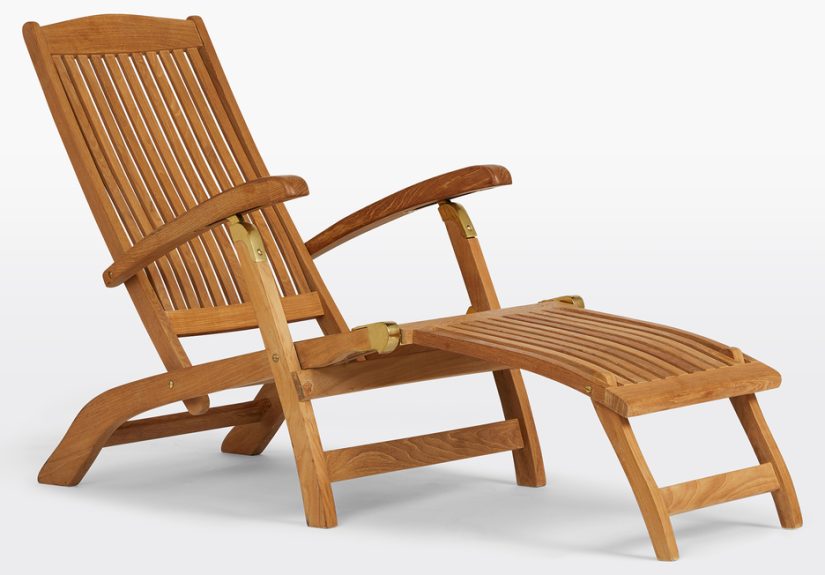
There are two kinds of outdoor chairs in this world: the ones you buy because they’re “fine,” and the ones you buy because they make you feel like you should be holding a sparkling drink with a slice of something floating in it. A teak & brass folding lounge chair lands firmly in the second categoryequal parts practical and quietly show-offy, like a well-tailored blazer that also has pockets big enough for snacks.
This chair style is a favorite for patios, porches, pool decks, and even boats because it checks three boxes that normally refuse to coexist: it looks expensive, it holds up outdoors, and it folds. In this guide, we’ll break down what makes teak and brass such a power couple, how to shop for the right chair (new or vintage), and how to keep it gorgeous without turning your weekends into a furniture spa internship.
Why This Chair Gets So Much Love
The appeal is a mix of materials, mechanics, and mood. Teak has a warm, golden-brown glow when it’s new, and it ages into that coastal silver-gray that designers call “patina” and the rest of us call “wow, the sun did a nice job.” Brass hardware adds a nautical-meets-midcentury vibe, and it tends to age gracefully toodimming into a soft, lived-in sheen rather than looking “rusty and sad.”
Add a folding frame and you get a chair that can go from “main character on the patio” to “neatly tucked away” in seconds. If you’ve ever hosted a gathering and suddenly needed three more seats and a miracle, you already understand the folding part of the equation.
Teak + Brass: A Materials Match Made for Sun, Salt, and Spilled Lemonade
What Teak Brings to the Party
Teak is prized for outdoor furniture because it’s naturally dense and oil-rich, which helps it resist moisture, decay, and the general drama of changing weather. That’s one reason teak shows up in marine settings and outdoor collections where longevity matters. Left alone, teak typically transitions from honey tones to a silvery-gray surface over timean aesthetic many people intentionally choose.
The practical upside: you can keep teak looking good with relatively simple careregular light cleaning and occasional deeper cleaningrather than constant repainting, re-staining, or apologizing to your guests for “the chair that sheds.”
Why Brass Hardware Matters (and Isn’t Just Decoration)
Brass isn’t only there to look handsome. In folding lounge chairs, hardware is the workload champion: hinges, rivets, and fasteners handle repeated motion and stress. Brass is commonly used in marine and outdoor hardware because it resists corrosion better than many other metals (especially compared with plain steel). Over time, brass may tarnish, but tarnish is mostly a surface changeoften fixable, and sometimes desirable if you like a softer, vintage look.
The big detail: brass hardware can be lacquered (sealed to slow tarnish) or unlacquered (designed to develop patina). Knowing which one you have determines whether you should polish itor leave it alone and let it age like a classic film star.
Folding Design: Not Just for Tiny Balconies
How Folding Chairs Stay Stable
The best folding lounge chairs feel surprisingly solid when you sit down. That stability comes from good joinery, well-aligned pivot points, and hardware that doesn’t wobble under load. In higher-quality designs, you’ll often see reinforced joints and hardware that’s sized appropriately for the thickness and weight of the teak frame.
Many teak deck-style folding chairs are built to be easy to move and store while still supporting adult weight comfortably. If you’re shopping, open and close the chair a few times: it should move smoothly without scraping, grinding, or requiring the strength of a medieval blacksmith.
Pinch Points: The Tiny Villains of the Folding World
Any folding chair has pinch points. Great designs minimize them with thoughtful spacing and hardware placement. If kids will be around (or if you tend to fold things while thinking about 14 other things), choose a chair with hardware that feels controlled and predictableno sudden snaps.
Comfort Engineering: Angles, Slats, and Sling Options
Adjustable Positions vs. One Perfect Recline
Some teak & brass folding lounge chairs have multiple recline settings, while others lock into a single angle. Adjustable options are excellent if you switch between “upright reading posture” and “I have become a sun-powered lizard.” Fixed-angle chairs can still be very comfortableespecially if paired with a cushion or sling.
Slatted Teak vs. Fabric Sling
You’ll commonly see two seat/back styles:
- Slatted teak: Classic, durable, easy to wipe down, and visually crisp. Comfort improves a lot with a thin cushion.
- Sling seat (canvas or outdoor fabric): Softer and more body-friendly right away. It may need replacement after years of UV exposure, but it’s often a straightforward refresh.
If you live somewhere with intense sun, a high-quality outdoor fabric (solution-dyed acrylic, for example) will generally stay nicer longer than bargain fabric that fades the moment you think the word “summer.”
Where It Works Best: Patio, Pool, Porch, or Boat
Poolside and Coastal Spaces
Teak and brass are especially at home near waterliterally and aesthetically. Teak’s reputation for handling outdoor exposure makes it popular around pools and humid climates, and brass hardware can be a smart pick when moisture is a constant factor. In salty coastal air, you’ll still want routine rinsing/cleaning to prevent buildup, but you’re starting with materials that were chosen for tough environments.
Indoors, It’s a Style Cheat Code
A teak & brass folding lounge chair indoors reads “collected” rather than “purchased yesterday.” It fits beautifully in sunrooms, reading corners, and bedroomsespecially if you lean into coastal, mid-century modern, or warm minimalism. Add a throw, and it’s basically a magazine spread waiting to happen.
Buying Guide: How to Spot a Great Teak & Brass Folding Lounge Chair
Whether you’re buying new or hunting vintage, use this checklist to separate “heirloom vibes” from “future curb alert.”
1) Teak Quality and Craft
- Grain and feel: Look for a tight, even grain and a substantial feel. Lightweight isn’t always bad, but flimsy is.
- Joinery: Joints should look clean and intentional. Wobbles are a red flagespecially near pivot points.
- Surface condition: Small cracks can happen as teak weathers; many are cosmetic. Deep splits or soft spots are not.
2) Brass Hardware: Solid, Plated, Lacquered, or Bare
- Solid brass tends to age better than thin plating.
- Lacquered brass stays brighter longer but needs gentle cleaning (abrasives can damage the clear coat).
- Unlacquered brass will patina; you can polish it if you want shine, but many owners prefer the mellow look.
3) Folding Function and Safety
- Action: Open/close should be smooth and stable.
- Locking/recline mechanism: It should hold position without slipping.
- Feet and contact points: Check for even footingno rocking like it’s practicing for a baby’s crib.
4) Sizing and Storage Reality
Folding lounge chairs vary, but deck-style folding chairs often land in a range that’s comfortable for average adults and still slim enough to store. If storage is your main reason for choosing folding, measure where it will live foldedcloset, garage wall hooks, or behind a planter you promise you’ll move (you won’t).
Care and Maintenance (Without Turning It Into a Weekend Job)
Routine Cleaning: The 10-Minute Habit
For everyday grimepollen, dust, snack falloutmild soap and water plus a soft brush or cloth is usually enough. Rinse well and let it dry. This simple routine helps prevent stubborn buildup and keeps the chair from looking “aged” when it’s really just “dirty.”
Golden Teak vs. Silver Patina: Choose Your Adventure
Teak naturally grays as it weathers. Some people love that silvery finish. Others want the original warm tone to stick around.
- If you like the silver patina: Clean occasionally and let time do its thing. This is the low-maintenance path.
- If you want it golden: You’ll need more interventionperiodic cleaning, sometimes brightening, and a protective approach that suits your climate.
A key nuance: not all “teak oil” strategies are created equal. Some makers and care guides caution against oils because they can encourage mildew or discoloration in certain conditions (especially if applied to a dirty surface or in humid climates). Others recommend oiling only after thorough cleaning and complete drying. If you choose to use any oil or protector, preparation and local weather matter more than wishful thinking.
Deeper Teak Refresh: When It’s Gray, Blotchy, or Stained
When teak looks uneven or heavily weathered, a deeper clean may be in order. Many homeowners use a teak cleaner and (if needed) a wood brightener to reduce graying, then decide whether to protect the refreshed look or let it weather again. Light sanding can also help smooth raised grain and restore an even finishjust keep it gentle and go with the grain.
Brass Care: Lacquered vs. Unlacquered Rules
Brass care depends on the finish:
- Lacquered brass: Clean gently with mild soap and water; dry thoroughly. Avoid harsh polishes that can damage the lacquer.
- Unlacquered brass: If you want shine, use a brass polish or a gentle DIY approach. If you want patina, wipe it clean and leave it alone.
Pro move: after cleaning/polishing unlacquered brass, a thin protective wax can slow future tarnish. Also, always dry hardware wellwater spots can leave little “ghost rings” that look like your chair hosted a tiny tea party.
Covers, Storage, and Winter: What Actually Helps
Teak can often stay outdoors, but covers reduce surface grime and keep pollen, bird “surprises,” and leaf stains from becoming permanent residents. If you cover the chair, make sure moisture can still escapetrapping dampness can lead to mildew on wood and fabric. For off-season storage, a dry, ventilated spot is ideal. For tight spaces, this is where folding becomes your best friend.
Restoration and Vintage Finds: Giving a Classic Chair a Second Life
Teak & brass folding lounge chairs are popular vintage finds because the materials were chosen to last. If you’re restoring one, here are common wins:
Common Fixes That Make a Big Difference
- Tightening hardware: Often the quickest way to eliminate wobble.
- Cleaning brass properly: Restores the “intentional” look without making it feel overly new.
- Light sanding: Smooths rough spots and helps remove surface stains.
- Replacing a sling: A fresh fabric sling can make an older chair feel brand new.
When to Refinish (and When to Stop Before You Overdo It)
If the chair is structurally sound and you love the aged look, you might only need cleaning. If it’s blotchy or splintery, a careful sand and refresh can improve both appearance and comfort. The goal isn’t to erase every sign of lifethis chair is supposed to look like it’s been places. Just maybe not “mold colony” places.
Sustainability and Sourcing: Buying Teak the Smart Way
Teak is a premium material, which makes responsible sourcing important. Look for credible sustainability claims (often FSC-related) and buy from sellers who provide clear supply information. It’s also worth knowing that teak supply chains can have integrity risksanother reason to prioritize reputable brands and transparent sourcing rather than mystery-deals that seem too good to be true.
If sustainability is a priority, consider:
- Verified sourcing (credible certification claims, clear documentation where possible)
- Longevity (a chair that lasts decades is inherently less wasteful)
- Secondhand (vintage teak & brass can be a sustainability win if it’s structurally sound)
Quick FAQs
Is a teak & brass folding lounge chair okay in full sun?
Yes, but expect cosmetic changes. Teak will weather and gray; fabrics can fade depending on quality. Regular cleaning and smart placement (or a cover) help keep it looking its best.
Should I polish the brass?
Only if you want it shiny and it’s unlacquered. If it’s lacquered, polishing can damage the coating. If you love patina, skip polishing and stick to gentle cleaning.
Do I need to oil teak?
Not always. Many people let teak weather naturally. If you want to maintain warmer tones, some protectors or oils may helpbut they require careful surface prep and may not be ideal in very humid conditions where mildew is a concern.
Wrap-Up: A Chair That Ages Like a Good Story
A teak & brass folding lounge chair is one of those rare purchases that feels both sensible and indulgent. It’s practical because it folds and lasts. It’s indulgent because it looks like it belongs beside a pool, a sailboat, or at minimum a person who owns matching linen napkins.
Choose solid materials, check the hardware, respect the finish, and clean it like you’d clean anything you loveregularly, gently, and without panic. Do that, and this chair won’t just survive the seasons. It’ll look better because of them.
Real-World Experiences With Teak & Brass Folding Lounge Chairs (What Owners Actually Notice)
People who bring home a teak & brass folding lounge chair usually have the same first reaction: “Oh. This is nicer than I expected.” Teak has a way of looking “furniture serious” even when it’s brand new, and brass hardware adds that subtle glint that makes the chair feel designed, not accidental. Owners often mention that the chair becomes a “default seat” on the patiothe spot everyone quietly tries to claim first. It’s the outdoor equivalent of the good couch cushion.
Another common experience: the chair teaches you what kind of person you are about patina. Some people fall in love with the silvery gray teak develops, calling it relaxed and coastal. Others stare at the first hint of fading like it’s a personal betrayal and immediately research cleaners, brighteners, and protective treatments. What’s funny is that both groups end up happyas long as they commit. The “patina people” enjoy the low maintenance and the lived-in look. The “keep it golden people” often enjoy the ritual: a seasonal clean, maybe a light sand, and a protect-and-admire moment that feels surprisingly satisfying.
Practical notes show up in reviews and conversations too. Foldability isn’t just about storageit’s about flexibility. Hosts love that they can stash a couple chairs away and then suddenly produce extra seating when friends show up. Apartment dwellers love that the chair can live on a balcony and then fold down when space is needed. And boat owners (or anyone near salt air) frequently mention how the materials feel “right” for a water-adjacent lifethough they also learn quickly that a simple rinse or wipe-down prevents salty buildup from dulling the look.
Brass hardware brings its own set of real-life moments. Some owners love watching it mellow into a warm patina, especially when it matches other outdoor accents. Others prefer a brighter shine and polish it occasionallyusually right before a gathering, because polishing brass has the same energy as vacuuming when guests are on the way: partly practical, partly performance art. A common lesson is that less is more. Gentle cleaning and soft cloths keep the hardware looking intentional, while aggressive scrubbing can create uneven shine or damage finishes if the brass is lacquered.
Comfort-wise, people tend to notice two things. First: teak slats feel better with a cushion than you think they will without oneespecially if you plan to lounge longer than “a quick scroll.” Second: adjustable recline (if your chair has it) becomes addictive. Owners talk about finding “their angle” for reading, sunning, or napping, and once you discover it, you’ll judge every other chair for not understanding your preferences.
And finally, the most consistent experience: these chairs become long-term companions. Whether they start pristine or secondhand, a teak & brass folding lounge chair tends to settle into your space like it belongs therequietly reliable, always ready, and somehow more photogenic than it has any right to be.