Table of Contents >> Show >> Hide
- The Short Answer: What Is the Best Patio Heater for the Money?
- What “For the Money” Really Means
- Why Propane Standing Heaters Usually Win the Value Battle
- When an Electric Patio Heater Is the Better Buy
- What About Pyramid Heaters, Tabletop Heaters, and Fancy Designer Models?
- How to Choose the Right Patio Heater Without Wasting Money
- The Features That Are Actually Worth Paying For
- Common Buying Mistakes
- Final Verdict: The Best Patio Heater for the Money
- Real-World Experiences: What Patio Heater Ownership Is Actually Like
Buying a patio heater sounds simple until the internet starts yelling at you. One review says propane is king. Another says electric is cleaner, sleeker, and less likely to make your extension cord cry. Then a gorgeous pyramid heater shows up and suddenly you are shopping with your eyes instead of your common sense. It happens to the best of us.
So let’s make this easy. If you want the best patio heater for the money, the smartest choice for most people is not the fanciest model, the tallest flame, or the one that looks like it belongs outside a luxury steakhouse. For most patios, the best value is a freestanding propane patio heater in the 46,000 to 50,000 BTU range. It gives you strong heat, broad coverage, simple operation, and a purchase price that usually lands in the sweet spot between “cheap enough to buy” and “good enough to keep.”
That does not mean every shopper should buy the same heater. A small covered porch has different needs than a windy backyard dining area. A family with kids may care more about stability and safety shutoffs than dramatic flame effects. And if you only want to warm two chairs and a tiny bistro table, buying a giant propane tower is a little like bringing a leaf blower to light birthday candles.
This guide breaks down what really matters, which type offers the best return on your money, and how to avoid overpaying for heat you will never use.
The Short Answer: What Is the Best Patio Heater for the Money?
For most buyers, the best patio heater for the money is a mid-priced propane standing heater. Why? Because it balances the four things value shoppers care about most: strong heat output, enough coverage for groups, easy mobility, and a reasonable upfront cost.
These classic “mushroom” style heaters are popular for a reason. They throw radiant heat downward, warm a decent-sized seating area, and do not need to be plugged into a nearby outlet. Many of the most consistently well-reviewed value models also include helpful extras like wheels, tip-over shutoff, simple ignition, and a base that hides the propane tank so your patio does not look like a utility closet with throw pillows.
That said, there is one major exception. If your patio is small, covered, or semi-enclosed, an electric infrared patio heater may be the better buy. Electric models usually cost less to maintain, heat up quickly, and make more sense when you are warming people in a focused area rather than trying to heat the open air like a billionaire battling winter.
What “For the Money” Really Means
A lot of buyers confuse “cheap” with “value.” Those are not the same thing. The cheapest patio heater can become expensive fast if it barely warms anyone, rusts after one season, or wobbles like it drank iced coffee too quickly. A good value heater earns its keep in real life.
When deciding what outdoor patio heater gives you the most bang for your buck, pay attention to these factors:
1. Heat Output That Matches the Space
Bigger is not always better, but too small is always disappointing. If you have an open patio where wind moves through freely, a weak heater will make a nice glowing decoration and not much else. Propane models with higher BTUs usually perform better in open-air spaces. Electric patio heaters tend to shine in tighter, more sheltered zones where the heat can stay focused on people rather than disappear into the night.
2. Coverage, Not Just Numbers
BTUs matter, but how the heater distributes warmth matters just as much. A well-designed reflector can make a moderate heater feel more useful than a more powerful unit with poor heat direction. Real value means people around the heater actually feel warmer, not just impressed by a large number on the box.
3. Fuel and Long-Term Costs
A propane patio heater usually wins on raw outdoor performance, but it comes with refill costs. An electric patio heater is typically easier to maintain and often makes more financial sense when you use it often in a smaller space. The best choice depends on whether you want broad heat outdoors or targeted warmth under a covered patio, pergola, or garage-like setup.
4. Safety Features
A patio heater is not the place to gamble. Look for basics like tip-over protection, automatic shutoff, sturdy construction, stable bases, and clear operating instructions. This is especially important if kids, pets, or windy conditions are part of your normal setup.
5. Ease of Use
The best patio heater is the one you will actually use. If lighting it feels like starting a hot-air balloon, enthusiasm fades quickly. Value improves when the heater ignites easily, rolls smoothly, and fits your space without requiring a home improvement documentary crew.
Why Propane Standing Heaters Usually Win the Value Battle
If your goal is to warm a normal backyard seating area, dining setup, or open patio, a freestanding propane heater is usually the best overall bargain. It hits the sweet spot between performance and price in a way many premium designs do not.
First, propane tower heaters are excellent for group use. If you host friends, eat outdoors, or simply want your family to stop sprinting indoors the second the temperature drops, this style makes sense. The heat output is usually strong enough to make a noticeable difference, and the wider coverage area is more practical than a tiny tabletop unit.
Second, they are portable. Wheels matter more than shoppers think. A patio heater that can move from the dining area to the seating area gives you more flexibility, which increases value without increasing cost.
Third, the category is crowded in a good way. That means you do not have to buy a luxury model to get useful features. A lot of value-friendly propane heaters now include reliable ignition systems, hidden tank storage, built-in shelves or table rings, anti-tilt protection, and weather-resistant finishes.
In plain English: the best patio heater for the money is usually a model that does the boring stuff well. It lights fast. It warms a group. It feels stable. It does not look terrible. It does not cost a fortune. That is value.
When an Electric Patio Heater Is the Better Buy
Now for the plot twist: the best patio heater for your money might not be propane at all.
If you have a covered porch, a screened patio, a garage hangout, or a smaller sitting area, an electric infrared patio heater can be a smarter purchase. Electric units tend to deliver direct warmth quickly, and they are especially useful when you are not trying to heat a wide-open yard.
They also appeal to people who hate maintenance. There is no propane tank to replace, no trips for refills, and generally less setup drama. Turn it on, get warm, enjoy your beverage, and pretend you are the kind of person who always remembers where the grill cover is.
Electric models also make sense if aesthetics matter. Wall-mounted or ceiling-mounted infrared heaters are often more discreet than tall freestanding propane towers. They can blend into covered outdoor spaces without dominating the look of the patio.
The trade-off is simple: electric heaters usually give you more targeted warmth, while propane gives you more open-air power. So if your patio is small and sheltered, electric can absolutely be the better value.
What About Pyramid Heaters, Tabletop Heaters, and Fancy Designer Models?
Pyramid Patio Heaters
Pyramid heaters look fantastic. The visible flame tube adds ambiance, and they often become part heater, part outdoor decor, part conversation starter. If you want a patio to feel more upscale, this style is tempting.
But from a pure value perspective, many pyramid heaters are better at creating mood than maximizing warmth per dollar. They can still be good buys, especially if you care about appearance, but they are not always the most cost-efficient route.
Tabletop Patio Heaters
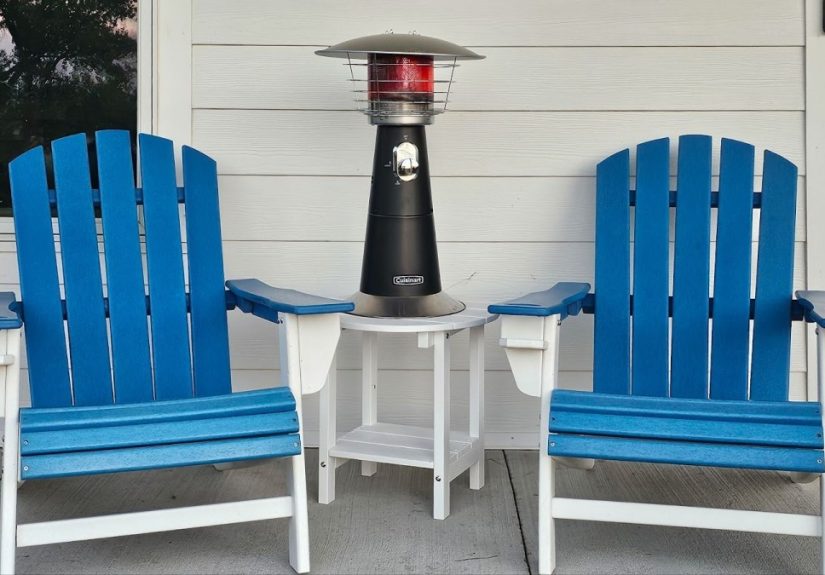
Tabletop models are useful when you only need close-range warmth for two to four people. They can be a smart buy for tiny patios, balconies, or occasional use. But if you expect one tabletop heater to warm a full outdoor dinner party, prepare for disappointment and possibly passive-aggressive blanket sharing.
Premium and Commercial-Style Heaters
Higher-end patio heaters can be terrific, especially in windy areas or larger outdoor spaces. But they are not automatically the best patio heater for the money. Many shoppers pay extra for a commercial look, premium materials, or stronger branding when a well-made mid-range heater would have done the job just fine.
How to Choose the Right Patio Heater Without Wasting Money
Measure Your Space Honestly
Do not buy for the fantasy patio you saw on social media. Buy for the patio you actually have. A modest seating nook needs a different heater than a wide-open entertaining area.
Think About Wind
Wind is the enemy of patio-heater value. It steals warmth, mocks your purchase, and turns “cozy evening” into “why are we still outside?” If your yard is exposed, lean toward stronger propane models or directional heaters rather than smaller electric or tabletop options.
Check Clearance and Placement
Tall freestanding heaters need room above and around them. Before buying, make sure your patio cover, pergola, roofline, and furniture layout can safely accommodate the unit.
Look for Stability
A stable base, solid materials, and wheels that do not feel flimsy matter. A heater should feel planted, not dramatic.
Buy for Typical Use, Not Once-a-Year Use
If you entertain a crowd once every Thanksgiving but spend most evenings outside with one other person, buy for the regular pattern. That is how you get real value instead of an oversized patio monument.
The Features That Are Actually Worth Paying For
Some upgrades are useful. Some are just patio jewelry. The features most worth paying for include:
Tip-over shutoff: This is one of the most practical safety features, especially on freestanding propane models.
Easy ignition: The easier it is to start, the more often you will use it.
Wheels: A simple feature, but a huge quality-of-life improvement.
Durable finish: Outdoor gear lives a hard life. Better materials and weather resistance can save money over time.
Focused heat design: Reflectors, directional heads, and infrared elements can make a heater feel more effective without needing an outrageous price tag.
Features that are nice but not essential include dramatic flame displays, extra decorative trim, and designer-brand prestige. Pleasant? Yes. Necessary for good value? Not really.
Common Buying Mistakes
Mistake #1: Buying a heater that is too small. This is the most common money-waster. A cheap heater that cannot warm your space is not a deal.
Mistake #2: Ignoring fuel costs. Upfront price matters, but so does long-term use. A heater that fits your habits will be cheaper over time.
Mistake #3: Choosing looks over performance. A beautiful heater that barely works is basically a very tall nightlight.
Mistake #4: Forgetting safety and clearance. This is where “I got a bargain” turns into “I made a mistake.”
Mistake #5: Expecting any patio heater to heat the entire outdoors. Patio heaters warm people and nearby zones. They do not create summer in December.
Final Verdict: The Best Patio Heater for the Money
If you want the simplest answer, here it is: the best patio heater for the money is usually a freestanding propane patio heater with about 46,000 to 50,000 BTUs. It is the most practical choice for the widest range of buyers because it offers strong heat, decent coverage, useful portability, and a price that stays grounded in reality.
If you have a small or covered outdoor space, the better value may be an electric infrared patio heater, especially if you want quick warmth, low hassle, and a cleaner visual footprint.
In other words, the best patio heater is not the one with the flashiest flame or the heaviest marketing budget. It is the one that fits your patio, your climate, and your actual life. The money move is buying enough heater to stay comfortable without paying luxury prices for heat you will never use.
That is the sweet spot. That is the smart buy. And that is how you stay outside longer without feeling like your wallet caught the chill too.
Real-World Experiences: What Patio Heater Ownership Is Actually Like
Most people do not realize how much a patio heater changes outdoor living until they use one for a few weeks. The first experience is usually the same: you go outside on an evening that feels just a little too cool for comfort, switch the heater on, and suddenly the patio becomes usable again. Not tropical. Not beach-in-July warm. Just comfortable enough that you stop thinking about the temperature every thirty seconds. That is the real magic of a good heater. It extends time outdoors without making the setup complicated.
For families, the biggest difference is often during dinner. Without a heater, outdoor meals in spring and fall can feel rushed. People eat faster, shoulders creep upward, and someone inevitably suggests moving inside before dessert. With the right outdoor patio heater, the whole mood changes. Meals slow down. Conversations last longer. Kids are less likely to vanish indoors after ten minutes. The patio starts to function like an actual room instead of a weather-dependent experiment.
People who buy a freestanding propane heater often mention how useful the mobility becomes. At first, wheels sound like a boring feature. In practice, they are one of the best parts. On one night the heater can sit beside a dining table. On another, it can move near lounge chairs for late-night conversations. During a small gathering, owners tend to adjust the setup based on where people naturally gather. That flexibility is one reason propane standing heaters feel like such a good value over time.
Electric infrared heaters create a different kind of experience. They feel less theatrical, but often more convenient. In a covered patio, screened porch, or garage seating area, they can be surprisingly satisfying because the heat is immediate and focused. Owners who use their patio frequently but do not want to mess with propane tanks usually appreciate the simplicity. Flip a switch, feel the warmth, sit down. That easy routine matters more than shoppers think when deciding whether a purchase was worth it.
There are also a few lessons that experience teaches quickly. One is that wind changes everything. A heater that feels excellent on a calm evening can feel merely decent when a breeze picks up. Another is that placement matters almost as much as power. A slightly repositioned heater can make a seating area feel dramatically better. People also learn fast that patio heaters work best when paired with smart layout choices, such as keeping chairs within the useful heat zone and avoiding dead air gaps that leave someone on the edge of the group shivering in silence.
Perhaps the most overlooked experience is emotional, not technical. Good patio heating makes people use their outdoor spaces more often. Morning coffee lasts longer. Weeknight dinners feel more relaxed. Friends stay for one more drink. A chilly evening stops being a reason to cancel plans. That is the part no specification sheet captures very well. The value of a patio heater is not just in BTUs, wattage, or price. It is in the extra hours you actually spend enjoying a space you already paid for.