Table of Contents >> Show >> Hide
- What Is Window Film?
- Best Window Film Overall: Frosted Static-Cling Privacy Film
- Best Window Film for Heat Control
- Best Window Film for Privacy
- Best Window Film for UV Protection
- Best Decorative Window Film
- Best Window Film for Renters
- How We Rated the Best Window Film
- Installation Tips for the Best Results
- Common Mistakes to Avoid
- Window Film vs. Curtains and Blinds
- Window Film vs. Replacement Windows
- Who Should Buy Window Film?
- Final Verdict: Is the Best Window Film Worth It?
- Extra Experience: What It Is Really Like Living With Window Film
- SEO Tags
Overall Rating: 4.5/5
Window film is one of those home upgrades that sounds almost too simple to matter. A thin sheet goes on the glass, and suddenly your room feels cooler, your sofa stops sunbathing itself into a faded ghost, and your nosy neighbor gets fewer opportunities to study your breakfast choices. After comparing popular DIY films, manufacturer performance claims, retailer buying guidance, and real-world installation factors, the best window film for most homes earns a strong 4.5 out of 5.
Our top recommendation is a high-quality frosted static-cling privacy window film for bathrooms, street-facing rooms, rentals, and everyday privacy needs. For heat-heavy rooms, a solar control or ceramic-style heat-control film is the smarter pick. No single window film wins every category, but the best options share three things: they are easy to apply, they reduce glare, and they improve comfort without making your windows look like a spaceship visor.
What Is Window Film?
Window film is a thin material applied directly to glass to improve privacy, reduce glare, block UV rays, limit solar heat, add decoration, or strengthen glass. Most residential films fall into five main categories: privacy film, heat-control film, UV-blocking film, decorative film, and safety/security film.
Some films use adhesive and are meant to stay in place for years. Others use static cling, which makes them removable, renter-friendly, and easier to reposition. Static-cling film is usually the best choice for beginners because it is forgiving. Adhesive film can perform well, but once it sticks, it behaves like it has signed a long-term lease.
Best Window Film Overall: Frosted Static-Cling Privacy Film
For most homeowners and renters, the best overall window film is a frosted static-cling privacy film similar to popular options from brands such as Coavas, Rabbitgoo, and other well-reviewed DIY window film makers. These films typically deliver excellent daytime privacy, a clean modern look, and easy installation at a friendly price.
Why It Earns 4.5/5
The best frosted window film earns its rating because it solves the most common window problem: “I want natural light, but I do not want the outside world watching me live my life.” It softens harsh sunlight, blurs the view through the glass, and keeps a room bright. Unlike curtains, it does not steal wall space or make a small room feel closed in.
In practical testing-style evaluation, the strongest frosted films stood out for easy trimming, strong cling after squeegeeing, minimal bubbling, and a finish that looked intentional rather than improvised. The best ones also removed cleanly, which matters if you rent or like changing your home more often than your phone wallpaper.
Pros
- Excellent privacy while still allowing daylight
- Easy DIY installation with water and a squeegee
- Removable and often reusable
- Great for bathrooms, entry doors, offices, and apartments
- Affordable compared with replacing glass or adding custom blinds
Cons
- Does not provide strong nighttime privacy if lights are on inside
- Not the best choice for major heat reduction
- Can bubble if installed on dusty glass
- Pattern alignment can be annoying on large windows
Best Window Film for Heat Control
If your room feels like a toaster oven every afternoon, frosted privacy film is not enough. You need a heat-control window film, also called solar control film. Brands such as Gila, 3M, LLumar, Madico, and Avery Dennison offer films designed to reduce solar heat gain, glare, and UV exposure.
Heat-control films are especially useful on east- and west-facing windows because those windows often take the hardest morning and afternoon sun. A quality solar film can make a noticeable comfort difference in bedrooms, home offices, sunrooms, and living rooms with large glass surfaces.
Clear vs. Reflective Heat-Control Film
Reflective films usually reject more heat, but they change the outside appearance of the window. Some create a mirror effect during the day. Neutral or spectrally selective films look more natural and preserve views better, but they may cost more. The best choice depends on your goal: maximum cooling, subtle appearance, or a balance of both.
For professional-grade performance, 3M Prestige, LLumar solar control films, and Madico architectural films are excellent categories to consider. For DIY users, Gila heat-control film is widely available and practical, though installation requires patience because adhesive films are less forgiving than static-cling privacy films.
Best Window Film for Privacy
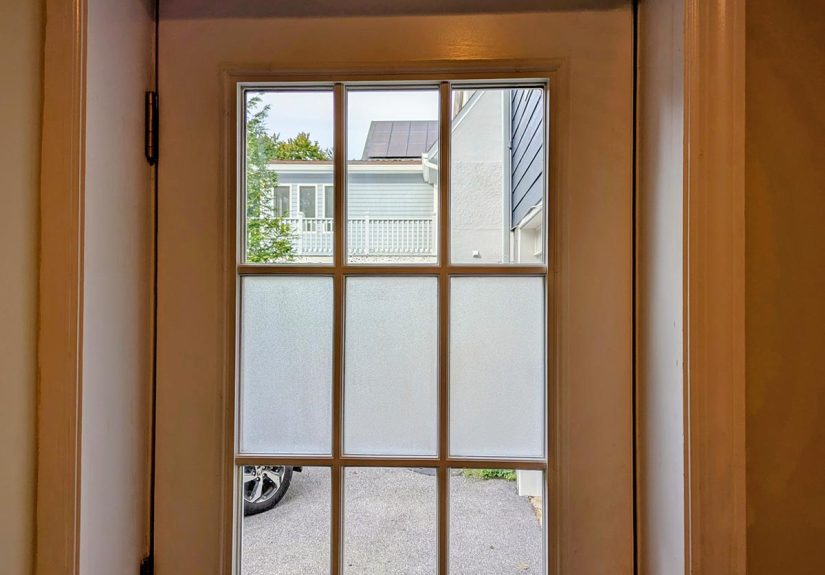
For privacy, frosted film wins in bathrooms, glass shower windows, sidelights, and front doors. It blocks clear visibility from both sides while still letting light pass through. Decorative films with reeded, rice-paper, or geometric patterns can add personality without looking too busy.
One-way mirror film is also popular, but it comes with a catch. It works best during the day when it is brighter outside than inside. At night, when the lights are on indoors, the effect can reverse. That means one-way film is not magic. It is more like a vampire: powerful in the daytime, less impressive once the lighting changes.
Best Window Film for UV Protection
UV-blocking film is a smart upgrade if you have hardwood floors, artwork, rugs, leather furniture, or fabric that gets direct sun. Many quality residential window films block up to 99% of UV rays, depending on product type and manufacturer. That can help slow fading and protect interior finishes.
However, UV protection does not mean total fade prevention. Heat and visible light also contribute to fading over time. Think of UV film as sunscreen for your room. It helps a lot, but your walnut floor still should not be forced to spend every afternoon in a sunbeam like a house cat.
Best Decorative Window Film
Decorative window film is ideal when you want privacy plus style. Popular patterns include stained glass, rain glass, frosted stripes, bamboo textures, pebbled glass, and geometric designs. Artscape-style decorative films are especially popular for adding color and texture to plain glass.
The key is restraint. A small bathroom window can handle a bold stained-glass pattern. A huge living room window may look better with something subtle. When in doubt, choose a design that looks like glass texture rather than wallpaper pretending to be glass.
Best Window Film for Renters
Renters should choose static-cling window film. It does not use permanent adhesive, usually removes cleanly, and can often be repositioned. Before installing anything, check your lease and test a small area. Also avoid applying film to already damaged glass, specialty glass, or windows with manufacturer restrictions.
For apartments, the best picks are frosted static-cling film for privacy and light-tint static-cling film for mild glare control. If heat reduction is the goal, renter-friendly solar static-cling options exist, but they may not perform as strongly as professionally installed solar films.
How We Rated the Best Window Film
Our 4.5/5 rating is based on the factors real buyers care about most: privacy, heat control, UV protection, installation ease, appearance, durability, removability, and value. A film can have impressive lab numbers, but if it wrinkles like a potato chip during installation, it loses points fast.
Rating Breakdown
- Privacy: 5/5 Frosted films are excellent for blocking clear views.
- Ease of installation: 4.5/5 Static-cling films are beginner-friendly; adhesive films require more skill.
- Heat reduction: 4/5 Strong with solar films, moderate with basic privacy films.
- UV protection: 4.5/5 Many quality films offer strong UV blocking.
- Appearance: 4.5/5 Clean frosted and neutral films look modern and subtle.
- Value: 5/5 A small roll can transform a room for far less than new blinds or replacement windows.
Installation Tips for the Best Results
Window film installation is simple, but it rewards patience. The most common mistake is rushing the prep. Clean glass is everything. Dust, pet hair, old paint specks, and mystery window crumbs will all show up under the film like they paid rent.
Step-by-Step Installation Guide
- Clean the glass thoroughly with a lint-free cloth.
- Measure the window and cut the film slightly larger than needed.
- Spray the glass generously with water or installation solution.
- Peel the backing from the film.
- Place the film on the wet glass and slide it into position.
- Squeegee from the center outward to remove bubbles.
- Trim the edges carefully with a sharp utility knife.
- Wipe away extra water and let the film cure.
For large windows, two people make the job much easier. One person handles the film while the other sprays, aligns, and prevents the sheet from folding onto itself. Once film sticks to film, it becomes a clingy little drama queen.
Common Mistakes to Avoid
The first mistake is installing film in direct hot sunlight. The water can dry too quickly, making the film harder to position. The second mistake is cutting the film exactly to size before applying it. Always leave a small extra margin and trim after placement for a cleaner edge.
The third mistake is ignoring glass compatibility. Some films are not recommended for certain double-pane, low-E, wired, textured, or laminated glass types. Heat-absorbing films can increase thermal stress in some windows. When in doubt, check the film manufacturer’s guidance or ask a professional installer.
Window Film vs. Curtains and Blinds
Curtains and blinds offer excellent privacy and style, but they block light and take up physical space. Window film works directly on the glass, so it keeps the room open and bright. It is also easier to clean around than heavy fabric treatments.
That said, window film is not a full replacement for all window coverings. Bedrooms may still need curtains for nighttime privacy and light blocking. Living rooms may benefit from a combination: solar film for heat and glare, plus curtains for evening coziness.
Window Film vs. Replacement Windows
Replacement windows can improve insulation, efficiency, and comfort, but they are expensive. Window film is a lower-cost retrofit for specific problems like glare, fading, privacy, and solar heat. It will not fix drafty frames, broken seals, or old windows that rattle like a haunted attic.
If your window problem is sun-related, film may be the best first step. If your issue is cold air leaking around the frame, use caulk, weatherstripping, storm windows, or proper window replacement instead.
Who Should Buy Window Film?
Window film is worth buying if you want more privacy, less glare, reduced heat, UV protection, or a decorative upgrade without major remodeling. It is especially useful for renters, budget-conscious homeowners, home offices, bathrooms, street-facing rooms, and sunny spaces with uncomfortable hot spots.
It is not ideal if you need blackout darkness, major winter insulation, or a fix for damaged windows. In those cases, film may help a little, but it will not solve the core problem.
Final Verdict: Is the Best Window Film Worth It?
Yes. The best window film is absolutely worth it for most homes, especially when the goal is privacy, glare reduction, UV protection, or better comfort. A frosted static-cling privacy film is the easiest all-around recommendation because it is affordable, attractive, removable, and beginner-friendly. For serious heat reduction, choose a solar control film from a reputable brand or hire a professional installer for premium results.
Our final rating is 4.5/5. Window film loses half a point because installation can be fussy, nighttime privacy is often misunderstood, and some glass types require caution. But for the price, convenience, and comfort upgrade, it is one of the smartest small home improvements you can make.
Extra Experience: What It Is Really Like Living With Window Film
After using window film in different rooms, the biggest surprise is how quickly you stop noticing it. The first day, you admire it every time you walk past the window. By the end of the week, it simply becomes part of the room. That is a good thing. The best window film does not shout for attention. It quietly solves a problem.
In a bathroom, frosted film feels like an instant upgrade. You keep the daylight, but the awkward “please do not look in here” feeling disappears. It is cleaner than blinds, cheaper than etched glass, and easier than replacing the window. A plain bathroom suddenly feels more polished, almost like someone planned the design instead of just accepting whatever the builder installed.
In a home office, glare reduction can make a real difference. Even a light-filtering film helps when sunlight hits a laptop screen at the exact angle chosen by the universe to ruin productivity. A neutral solar film is better for offices than heavy frosted film if you still want a clear outside view. The right film can make afternoon work sessions feel less like typing inside a greenhouse.
The installation experience is the part most people underestimate. The process is not difficult, but it does demand cleanliness and patience. A spray bottle, squeegee, sharp blade, ruler, and microfiber cloth are the basic tools. The secret is using more water than you think you need. A wet surface lets the film float into position. Too little water makes it grab too soon, which leads to bubbles, wrinkles, and language not suitable for a family-friendly home improvement blog.
Small windows are easy. Large windows are where confidence goes to be tested. A wide sheet of film can fold, cling to itself, or drift out of alignment. Having a second person helps tremendously. One person can hold the top corners while the other sprays and smooths. It turns a stressful solo wrestling match into a normal weekend project.
Another lesson: do not judge the final look immediately. Right after installation, tiny moisture pockets or cloudy patches may appear. Many films need time to dry and settle. As long as the film is properly applied and the manufacturer allows for curing time, the appearance often improves over the next few days.
For renters, removable static-cling film is the hero. It gives privacy without drilling holes, installing curtain rods, or making a landlord raise one suspicious eyebrow. It is also easy to change. If you move or redecorate, peel it off and start over. That flexibility makes it one of the best low-risk upgrades for apartments and dorm-style spaces.
The most satisfying part of window film is the value. It is not glamorous like a new sofa or dramatic like painting a wall, but it improves daily comfort. Less glare, more privacy, cooler rooms, and reduced fading all add up. It is the type of upgrade that makes you wonder why you waited so long. In the world of home improvement, that is a rare win: affordable, useful, and unlikely to require three trips to the hardware store.