Table of Contents >> Show >> Hide
- What Exactly Is Candy Corn, and Why Does It Look Like That?
- The 1880s: Candy Corn’s Origin Story (Yes, It’s Older Than Your Great-Grandparents’ Jokes)
- 1898 and “Chicken Feed”: When Candy Corn Got Its First Rebrand
- How Candy Corn Is Made (And Why It Used to Be a Pain in the Kettle)
- So When Did It Become Halloween Candy?
- The Love/Hate Split: How Candy Corn Became America’s Most Debated Sweet
- Modern Candy Corn: Big Brands, Bigger Numbers, and New Flavors That Get a Little Wild
- How to Enjoy Candy Corn Without Starting a Family Group Chat Debate
- Conclusion: Why the Tri-Color Kernel Still Wins
Candy corn is the little tri-colored triangle that shows up every fall like that one friend who only texts when
pumpkin spice returns. Some people adore it. Some people claim it tastes like “sweetened candle.” Either way,
candy corn is always invited to Halloweenand it has been for a long time.
The funny part? Candy corn didn’t start out as “Halloween candy.” It started out as a clever, corn-shaped treat
built for an America that still looked out across farms, feed stores, and harvest seasonsand thought, “You know
what would really brighten up this agricultural economy? Tiny edible kernels made mostly of sugar.”
What Exactly Is Candy Corn, and Why Does It Look Like That?
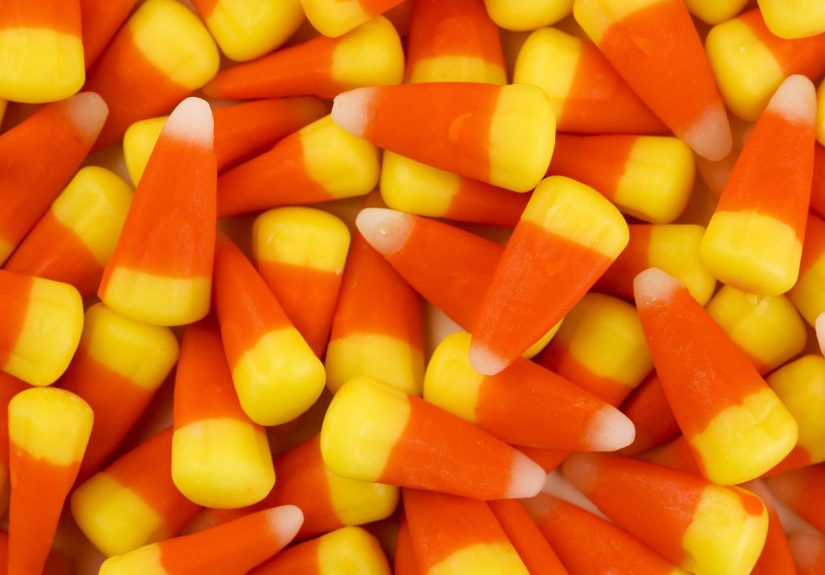
Classic candy corn is a “mellowcreme” (also spelled mellocreme) candysoft-ish, chewy, and glossy, with a flavor
most people describe as vanilla-honey-marshmallow-adjacent. Its signature look is a three-layer gradient:
white tip, orange middle, yellow baseoften explained as “harvest colors” or a stylized corn kernel.
That layered design mattered. In the late 1800s, candy was as much about novelty and visual excitement as it was
about taste. A candy that looked like a tiny piece of the harvest? That was marketing goldespecially in a time
when a big chunk of the country had agricultural roots.
The 1880s: Candy Corn’s Origin Story (Yes, It’s Older Than Your Great-Grandparents’ Jokes)
Most mainstream histories trace candy corn to the 1880s and credit a candymaker named George Renninger,
associated with the Wunderle Candy Company in Philadelphia. The details can get a little fuzzy (old candy
paperwork rarely trends on social media), but Renninger is widely cited as the creator behind the kernel-shaped idea.
This was a moment when America was still deeply tied to farming. The “corn” shape wasn’t randomit was a nod to
harvest imagery and everyday rural life. In other words, candy corn wasn’t trying to be spooky. It was trying to be
charmingly, aggressively wholesome.
Why corn?
Corn was everywhere: in fields, in feed bins, in fall decorations. A corn-shaped candy felt familiar and celebratory.
It also helped the candy stand out on counters where sweets competed for attention without the benefit of neon packaging,
influencer campaigns, or a talking pumpkin mascot.
1898 and “Chicken Feed”: When Candy Corn Got Its First Rebrand
The company most responsible for popularizing candy corn was the Goelitz Confectionery Company (later known
as the Jelly Belly Candy Company). By 1898, Goelitz was producing the candy and marketing it
with an unforgettable name: “Chicken Feed.”
If you’re thinking, “Wow, that’s… a choice,” you’re not wrong. But it made sense at the time. Corn was often thought of as
livestock feed more than “people food,” and the name leaned into that cultural context with a wink. Some early packaging
even played up the farm theme with rooster imagery, selling the candy as a fun novelty tied to harvest life.
Importantly, candy corn still wasn’t a Halloween icon yet. It was a seasonal, agricultural-themed sweet that fit neatly into
the broader world of “harvest treats”the kinds of candies that felt at home in fall, fairs, and general store displays.
How Candy Corn Is Made (And Why It Used to Be a Pain in the Kettle)
Candy corn’s production is a big reason it became so distinctive. Traditional candy corn is made through a process similar to
starch casting: a warm, sweet mixture is poured into impressions formed in cornstarch molds, then set, dried, and finished.
The tri-color effect comes from layering the colors in sequence.
Historically, this was labor-intensiveespecially the layered coloring. Long before modern automation, achieving that neat
white-orange-yellow gradient required careful timing and handling. Today, machines do the heavy lifting, but the basic concept
remains: build the kernel in layers, let it firm up, then polish it for that unmistakable shine.
What’s in it?
Recipes vary by manufacturer, but candy corn is typically built around sugar and corn syrup, plus binders and texture-builders
(like gelatin), flavoring (often vanilla-like), and a glaze or waxy coating for shine. The result is that signature “mellowcreme”
chewsomewhere between fondant and marshmallow, with a stubborn commitment to being itself.
So When Did It Become Halloween Candy?
The short version: mid-20th century, when Halloween in the United States transformed into a candy-centered holiday.
The longer version includes two big forces: the rise of trick-or-treating and the end of wartime sugar limits.
Trick-or-treating became widely popular in the United States in the years after World War II, when sugar rationing
eased and candy became more available again. Candy corn’s harvest colors, easy portioning, and seasonal branding made it a natural fit
for doorstep handouts. It was bright, festive, and already tied to fall imageryno haunted-house makeover required.
Over time, candy corn and Halloween basically became a duo act. Pumpkin? Meet candy corn. Costume? Meet candy corn. Plastic cauldron?
You guessed itfill it with candy corn. And because it was often marketed in the fall, many people started to associate it almost
exclusively with October, even if versions existed beyond Halloween.
The Love/Hate Split: How Candy Corn Became America’s Most Debated Sweet
Candy corn doesn’t just have fans and critics. It has passionate fans and critics who speak like candy corn personally
wronged them in a past life. That polarization is part of its cultural power: it’s instantly recognizable, intensely nostalgic,
and weirdly fun to argue about.
Some people love the texture and the throwback flavorsimple, sweet, and unmistakably “fall.” Others can’t get past the waxy shine
and the fact that it tastes like sugar decided to become a seasonal candle and then pivoted to confectionery.
Either way, candy corn endures because it’s more than a flavor. It’s a tradition, a mood, and a symbol that October has arrived.
It’s basically edible decorand honestly, that’s a strong brand position.
Modern Candy Corn: Big Brands, Bigger Numbers, and New Flavors That Get a Little Wild
Candy corn is still produced in enormous quantities every year, with the bulk of sales clustered around Halloween. Industry groups
and major media regularly cite annual production in the neighborhood of 35 million poundswhich works out to roughly
nine billion kernels depending on size and manufacturing.
And the market has evolved. While Jelly Belly’s Goelitz legacy looms large historically, a major share of candy corn sold today comes
from big seasonal candy producers. Brach’s, for example, has been widely described as a dominant Halloween sellerturning candy corn
into a flagship fall product.
National Candy Corn Day
Candy corn even has its own unofficial-but-very-real-feeling holiday: National Candy Corn Day, celebrated on
October 30which is perfectly on-brand, because candy corn loves an early entrance.
Not just orange, yellow, and white anymore
Modern candy corn has gone full “limited edition.” Beyond the classic kernel, you’ll find seasonal color swaps (think Christmas,
Valentine’s Day, or Easter versions) and flavors ranging from familiar (peppermint, pumpkin spice) to “Who approved this in a meeting?”
territory (yes, there have been savory-themed novelty mixes).
How to Enjoy Candy Corn Without Starting a Family Group Chat Debate
If you love candy corn, you don’t need permission. But if you’re candy-corn-curiousor you bought a bag because it was on sale and now
you’re negotiating with your own taste budshere are a few tried-and-true ways people make it work:
- Mix it with salted peanuts for a sweet-salty combo that feels like a shortcut to a snack mix.
- Use it as a baking accent: cupcakes, blondies, cookies, and “spooky season” rice cereal treats love a candy corn cameo.
- Decorate with it: candy corn is basically confetti that you can eat if the party gets awkward.
- Try it cold: some people swear candy corn tastes better slightly chilled (and yes, the internet has feelings about this).
Conclusion: Why the Tri-Color Kernel Still Wins
Candy corn has survived because it did something brilliant early: it looked like the season. Born in the late 1800s and popularized
through farm-themed marketing (hello, “Chicken Feed”), it eventually found the perfect home in America’s postwar Halloween boomwhere
portion-friendly candy and harvest imagery became a doorstep tradition.
Today, candy corn remains a cultural shorthand for “fall is here,” whether you eat it by the handful, use it as cupcake decor,
or keep it in a bowl purely because it matches the throw pillows. It’s not trying to be everyone’s favorite candy. It’s trying to be
October’s most recognizable biteand it has absolutely nailed that job for more than a century.
Bonus: of Candy Corn Experiences (Because This Candy Is a Whole Vibe)
Candy corn is one of those foods that comes with “experience” baked inlike s’mores, diner coffee, or that first sip of a seasonal latte
that makes you want to buy a flannel shirt you do not need. The most common candy corn experience starts the same way every year:
you see a bag in the store, you think “Oh wow, it’s that time,” and suddenly your cart contains a candy you weren’t planning on, plus
at least one small decorative gourd you also weren’t planning on.
Then comes the ritual behavior. People don’t just eat candy corn; they perform it. Some eat it color-by-color like a tiny
sugar totem pole: white tip first, then orange, then yellowbecause apparently we all become detail-oriented candy archaeologists in October.
Others toss a handful into a bowl of mixed candy and call it “variety,” which is fair, but also the snack equivalent of inviting one
controversial relative to Thanksgiving for the plot.
There’s also the “bowl on the counter” experience: candy corn sitting out as a seasonal centerpiece, quietly daring every visitor
to take a piece. Someone reaches in confidently. Someone else hesitates like the bowl contains a moral dilemma. And then, inevitably,
a debate breaks out that sounds like a cable news segment, except the topic is waxy sweetness and the stakes are exactly zero.
Candy corn also has a special role in childhood memoriesnot because it was the most exciting candy in the trick-or-treat bag, but because
it was reliably there. Chocolate might disappear first. Sour candies get traded. But candy corn lingers, waiting patiently like a tiny
sugar time capsule. For some people, that’s exactly the point: it tastes like late-night Halloween sorting, costume makeup still on your face,
and the unmistakable feeling that the year is turning toward winter.
And if you didn’t love it as a kid? You probably had the classic “second-chance” experience as an adult. You try it again because nostalgia
is persuasive, and suddenly it’s either “Oh… this is actually kind of nice?” or “Nope, still tastes like a sweet candlebut I respect its
consistency.” Either reaction is valid. Candy corn’s superpower is that it’s recognizable and unchanging enough to act like a seasonal marker.
It’s less about chasing the best flavor on earth and more about tasting the arrival of fall itself.
In the end, the most honest candy corn experience is simple: it’s a tiny tradition you can hold in your hand. Love it, hate it, mix it with
peanuts, or use it as decor you accidentally eatcandy corn shows up every October like it owns the place. And honestly? It kind of does.