Table of Contents >> Show >> Hide
- Why Hokas Are So Hard to Beat
- The $48 Amazon Sneakers Getting “Hoka-Level” Comparisons
- Do They Really Rival Hokas? A Practical Comparison
- Who Should Try These $48 “Hoka Rivals”
- How to Make Any Cushy Sneaker Feel Even Better
- The Bottom Line
- Extra: Real-World “Wear Stories” (The 7-Day Comfort Reality Check)
Let’s talk about the modern comfort shoe ecosystem. On one side, you’ve got Hokasthick, cloud-like, “my feet have never known hardship”
sneakers that somehow make a trip to the grocery store feel like a victory lap. On the other side, you’ve got your bank account, quietly
asking if you really needed to spend $150+ to walk the dog.
Here’s the good news: shoppers keep swearing there’s a budget pair that delivers a similar “walking on marshmallows” vibe for way less.
The headline grabber? Nortiv 8’s cushy walking sneakers, which have been spotted around $48 at Amazon (prices can vary by color
and size, because Amazon loves chaos).
Are they literally a Hoka replacement? Not in the “identical foam chemistry and decade of R&D” sense. But in the “my feet stop yelling at me
by noon” sense? For a lot of peopleespecially nurses, travelers, and everyday walkersthe answer looks surprisingly close to yes.
Why Hokas Are So Hard to Beat
To understand why “Hoka alternatives” are a whole internet genre, you have to understand what Hokas do well. A lot of shoes are comfortable
for 20 minutes. Hokas try to stay comfortable when you’ve been standing for six hours and your feet are drafting resignation letters.
Max cushioning + rocker geometry = smoother steps
Hoka’s identity is built around a distinctive underfoot feel: a cushioned midsole and a rocker-like shape that encourages a rolling stride.
Hoka describes its MetaRocker geometry as something designed to complement the natural gait cycle and help keep you moving forward rather
than pounding straight down with every step.
In plain English: it’s a combo of “soft landing” and “easy transition,” which is why people describe certain Hoka models as feeling like
they’re helping you cruise through walks or long shifts.
Foot-health credibility doesn’t hurt
Some Hoka models also carry credibility boosters like the American Podiatric Medical Association (APMA) Seal of Acceptance (awarded to
products found to promote good foot health). That doesn’t mean a shoe is magic, but it signals the brand is playing in the
“supportive comfort” category, not the “cute but punishing” category.
And yes, the brand reputation carries weight. When a shoe is known for comfort, people with foot pain, plantar fasciitis flare-ups,
or joint sensitivity tend to pay attentionand that’s why the Hoka price tag can feel both painful and… slightly understandable.
The $48 Amazon Sneakers Getting “Hoka-Level” Comparisons
The pair that keeps popping up in deal roundups and shopper reviews is the Nortiv 8 ActiveFloat-style walking sneaker.
Depending on the day and the algorithm’s mood swings, it has shown up around $48 at Amazon.
What you’re actually getting for under $50
For a budget shoe to be compared to premium brands, it has to do a few things well: cushion, support, and not feel like a brick.
Here’s what makes the Nortiv 8 pair stand out on paper and in shopper feedback:
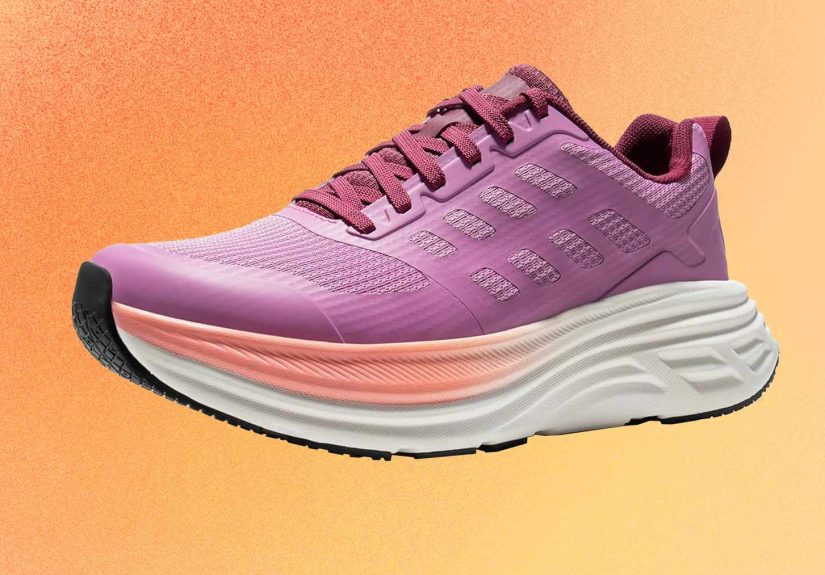
- A chunky, pillow-like sole designed for shock absorption and a softer ridesimilar in look to max-cushion shoes.
-
High stack height cushioning: the “stack height” is simply how much material sits between your foot and the ground.
More stack generally means more cushion (though not always more stability). -
Rocker-like shape intended to support a smoother heel-to-toe roll, echoing the “keep moving forward” feel people like
in rocker-based running and walking shoes. - Breathable mesh upper for airflowimportant if your feet run hot or you’re wearing them for long stretches.
-
Rubber outsole traction that shoppers highlight for grip (helpful for gym floors, wet sidewalks, and the
“why is this tile so slippery?” moments of daily life). - Lightweight feel (at least compared to what you’d expect from a thick-soled sneaker).
In short: it’s built to mimic the vibe people want from Hokasplush, supportive, and steadywithout demanding a luxury payment plan.
Why nurses, travelers, and “I walk everywhere” people keep buying them
The most convincing part of this trend isn’t the marketingit’s the use cases. The loudest fans aren’t saying, “These look cute in my mirror.”
They’re saying, “I wore these for 12 hours and my feet didn’t revolt.”
Reviews and shopping coverage frequently highlight the same groups:
nurses and hospital workers on hard floors, travelers logging airport miles,
and walkers who rack up steps as a lifestyle rather than a once-a-week ambition.
The recurring themes are comfort out of the box, cushion that stays comfortable over long stretches, and enough traction and stability to feel
secure when you’re moving all day.
Do They Really Rival Hokas? A Practical Comparison
Let’s be real: “rival” can mean a lot of things. It can mean “similar look,” “similar comfort,” or “I can’t tell the difference blindfolded
in a wind tunnel.” Most shoppers mean the second one.
1) Cushioning and ride
Hokas are famous for cushioning that’s not just soft, but designed to feel smooth through your stride. The Nortiv 8 style aims for a similar
goal with a thick midsole and a rocker-ish profile. For walking, errands, and standing, that can be enough to feel “premium.”
The big difference is that premium shoes often use newer foam blends and more refined tuningso they can feel bouncy without feeling unstable.
Budget shoes can still be cushy, but they may feel more “soft and thick” than “soft and springy.”
2) Support and stability
Cushion is greatuntil it becomes a wobble board. High-stack shoes can feel unstable for some people, especially if you overpronate,
have ankle instability, or prefer a firmer platform.
Hokas often balance cushion with stability features (depending on the model). With a budget shoe, stability can vary more from style to style.
If you’ve ever stepped into a super-soft sneaker and felt like you were walking on a mattress, you know what to watch for.
3) Traction and durability
Traction matters if you’re walking on slick hospital floors, rainy sidewalks, or gym surfaces. Shoppers consistently call out the Nortiv 8’s
grip and slip resistance as a reason they trust it for long shifts.
Durability is the other piece. A $48 shoe can be a steal if it lasts. But if you’re doing heavy mileage, premium models may hold up longer.
The value sweet spot is often “buy it for everyday wear, not marathon training.”
4) Fit and sizing
Hokas have known fit patterns (sometimes snug, sometimes roomy, depending on the model and width). Budget shoes can be less consistent.
If you’re between sizes or have wide feet, read reviews carefully and prioritize retailers with easy returns.
Also: don’t underestimate toe box comfort. A slightly roomier toe box can make a cushy shoe feel dramatically better on long days.
If your toes feel cramped, even the plushest foam can’t negotiate peace.
Who Should Try These $48 “Hoka Rivals”
The all-day standing crowd
If you work retail, food service, healthcare, teaching, or any job where you’re upright for hours, you’re the target audience.
The combination of cushioning + traction is exactly what most people need on unforgiving floors.
The walking-for-fitness crowd
If your routine is daily walks, treadmill sessions, neighborhood loops, or “I get my steps in because it keeps me sane,” these can be a
strong low-cost optionespecially if you like maximal cushion.
The travel crowd
Airport days are a special kind of foot stress: long lines, hard floors, fast walking, and occasional sprints to Gate B42.
Cushy, breathable sneakers that feel stable are a travel cheat code, and this pair is positioned as exactly that.
How to Make Any Cushy Sneaker Feel Even Better
A great shoe helps, but the “my feet hurt” story usually has more than one character. These quick tips can upgrade your comfortwhether you buy
Nortiv 8, Hoka, or something in between.
Replace shoes before they’re completely cooked
One underrated cause of foot pain is simply worn-out cushioning. As shoes age, the support breaks down, and you end up walking on a version of
your sneaker that no longer resembles the one you loved on Day 1.
Consider insoles or orthotics if you need extra support
If you have arch pain or plantar fascia irritation, adding supportive insoles can make a big difference. Over-the-counter insoles can help,
and if pain persists, a clinician can guide you toward more tailored solutions.
Don’t ignore persistent foot pain
Foot pain that keeps returning deserves attention. The right shoe can reduce stress, but it’s not a substitute for medical advice if you’re
dealing with significant or ongoing symptoms.
The Bottom Line
Hokas are popular for a reason: plush cushioning, a smooth rocker-like ride, and thoughtful design that helps many people stay comfortable
for miles. But if you want that “max cushion” feeling without spending triple digits, the Nortiv 8 walking sneaker around $48 at Amazon
is a strong contender in the “surprisingly good for the price” category.
Think of it like this: you’re not buying a laboratory-engineered super-foam masterpiece. You’re buying a very wearable, very cushy,
very budget-friendly shoe that a lot of real people say helps them get through real days.
If your goal is comfort for walking, standing, travel, and everyday lifeand you love a deal that feels like you got away with somethingthis
might be your new favorite checkout click.
Extra: Real-World “Wear Stories” (The 7-Day Comfort Reality Check)
To make this feel less like a spec sheet and more like real life, here’s what a week with a max-cushion budget sneaker often looks like,
based on the kinds of scenarios shoppers repeatedly describestanding for long hours, walking longer than planned, and realizing your feet
are weirdly… fine.
Day 1: The “out of the box” test
The first wear is usually the dealbreaker. If a shoe is going to betray you, it often does it immediately with heel rubbing, toe pinching,
or that stiff “new shoe” resistance. The people who rave about these Nortiv 8s tend to say the opposite: the shoe feels cushy right away.
You lace up (or slip in, depending on the style), take a few steps, and immediately notice the thick platform underfoot.
The fun part is the mental math. Your brain is like, “This feels expensive.” Then your wallet is like, “Please don’t jinx it.”
Day 2: Errands become a step-count accident
You leave the house for “a quick stop” and come back with groceries, a prescription pickup, and an unexpected tour of three aisles you did
not enter for. Normally, your feet would start sending strongly worded messages around the 45-minute mark. With a cushier shoe, the pressure
feels spread outless harsh impact with each step. The rocker-ish shape can make walking feel smoother, like the shoe is gently nudging you
forward instead of making you work for every stride.
Day 3: The long-stand shift (or the long-kitchen day)
This is where the nurse/cook/teacher crowd earns the microphone. Standing on hard floors is different from walkingthere’s less motion, more
constant load. That’s when cushion matters, but so does stability and traction. A grippy outsole can make you feel safer when you pivot,
turn quickly, or hit a slick patch of floor. And the “soft but not sloppy” balance becomes the real test: supportive enough to feel steady,
cushioned enough to feel forgiving.
If you’ve ever finished a long day and felt like your heels had been personally insulted, you understand why people get emotional about
comfortable shoes.
Day 4: The travel day and the airport shuffle
Airport walking is a unique sport: long distances, hard floors, and occasional bursts of speed when your gate changes for no reason other than
the airline’s desire to keep you humble. A breathable mesh upper helps if your feet heat up. And a thicker midsole can reduce that “pounding”
feeling after hours of walking and standing in lines.
The “win” here isn’t looking like an athlete. The win is stepping off the plane and not immediately Googling “foot massage near me.”
Day 5: The treadmill or casual workout check
For light workoutstreadmill walking, easy jogs, general gym usepeople often want cushion plus a secure feeling. The Nortiv 8-style shoes
that get compared to Hokas tend to feel soft underfoot and reasonably stable for walking and moderate movement. If you’re doing heavy lifting,
you might prefer a flatter, firmer shoe. But for cardio and everyday motion, the comfort-first design can feel like a perk.
Day 6: Rainy sidewalk reality
A shoe can be plush and still fail the moment the ground gets wet. Traction matters. Reviewers who love these shoes often mention feeling
secure on slick surfaces, which is a big deal if you’re walking outdoors regularly. No shoe makes you invincible, but better grip can help
you move with confidence instead of tiptoeing like you’re in an ice-skating audition.
Day 7: The “do I reach for them again?” moment
The most honest test is what you choose when you’re not trying to test anything. The reason people keep calling these “Hoka rivals” isn’t
because the logo matches. It’s because, a week later, they’re still being grabbed for walks, errands, and long days on your feetsometimes
even over pricier pairs sitting right next to them.
And that’s the real definition of “rival.” Not perfect equivalence. Just a shoe that shows up, does the job, and costs less than a fancy
dinner that wasn’t even that good.