Table of Contents >> Show >> Hide
- The Internet Finally Gave Cilantro Haters a Place to Scream
- Why Do So Many People Hate Coriander?
- What Makes the 30 Funniest Images So Shareable?
- 1. The “Coriander Sucks” Protest Sign
- 2. The Grocery Store Middle Finger
- 3. The “How to Prepare Coriander” Tutorial
- 4. The Taco Betrayal Image
- 5. The Avocado Toast Ambush
- 6. The Soup Surface Panic
- 7. The Fake Inspirational Quote
- 8. The Coriander Warning Label
- 9. The Restaurant Menu Investigation
- 10. The “It Tastes Like Soap” Confession
- 11. The Coriander Tattoo
- 12. The “Before and After Cilantro” Face
- 13. The Coriander in a Salad Crime Scene
- 14. The “Parsley Imposter” Meme
- 15. The Coriander Field Rejection
- 16. The Birthday Cake Ruined by Green Garnish
- 17. The Coriander Support Group Joke
- 18. The “No Coriander Means No Coriander” Restaurant Plea
- 19. The Herb Drawer Horror Story
- 20. The Guacamole Controversy
- 21. The Coriander Merch Moment
- 22. The “Cilantro Ruined My Pho” Meme
- 23. The Coriander Villain Edit
- 24. The “I Found One Leaf” Meltdown
- 25. The Coriander Funeral Joke
- 26. The “Chef, We Need to Talk” Image
- 27. The Side-Eye at Salsa
- 28. The Coriander Apocalypse
- 29. The “Coriander Is Not Decoration” Complaint
- 30. The Universal Hater Roll Call
- The Science Makes the Memes Even Better
- Why Cilantro Lovers and Haters Will Never Fully Agree
- What to Use Instead of Cilantro
- Real-Life Experiences Every Coriander Hater Understands
- Conclusion: A Tiny Herb, a Huge Internet Feud
Note: This article is an original, web-ready feature based on real information about cilantro, coriander, food aversions, online humor communities, and the science behind why some people think this innocent-looking herb tastes like a foamy betrayal.
The Internet Finally Gave Cilantro Haters a Place to Scream
Every few years, the internet reminds us that humanity can be divided into two great tribes: people who sprinkle cilantro on tacos like edible confetti, and people who believe that same leafy green garnish belongs in a witness protection program. The Facebook community known as I Hate Coriander exists for the second groupthe people who do not merely dislike coriander, also called cilantro in the United States, but feel personally attacked when it appears on soup, noodles, avocado toast, curry, salsa, or any other meal that was having a perfectly respectable day.
The group became famous for sharing memes, photos, rants, mock warnings, and dramatic images dedicated to one very specific culinary grievance: coriander ruins everything. Some posts treat cilantro like a villain. Others frame it as a sneaky green intruder hiding in salads, tacos, wraps, pho, and guacamole. The humor works because it is oddly relatable. Even people who love cilantro understand the panic of discovering an unwanted ingredient after the first bite. For cilantro haters, that panic is simply greener, louder, and usually followed by the sentence, “Why does this taste like soap?”
This is not just food snobbery dressed up as a meme. For many people, cilantro really does taste unpleasantoften soapy, metallic, bitter, or even bug-like. The leafy herb comes from Coriandrum sativum, the same plant that produces coriander seeds. In American English, “cilantro” usually means the fresh leaves and stems, while “coriander” typically refers to the dried seeds. In other countries, coriander may refer to the entire plant. That naming confusion alone has probably started thousands of dinner-table debates and at least three group chats with unnecessary capital letters.
Why Do So Many People Hate Coriander?
The central joke of the I Hate Coriander community is that cilantro is not merely dislikedit is treated like a tiny leafy criminal. But behind the comedy is a real sensory split. Cilantro contains aromatic compounds called aldehydes. To people who enjoy the herb, those compounds can register as bright, citrusy, fresh, and grassy. To others, they land closer to dish soap, old pennies, or something that should never have been introduced to a taco.
Research has connected cilantro aversion with variations near olfactory receptor genes, including the often-mentioned OR6A2, which is involved in detecting certain aldehyde compounds. In plain English: some noses and brains are wired to notice the “soapy” side of cilantro more strongly. That does not mean every cilantro hater has the same genetic reason, or that genetics are the whole story. Taste is shaped by culture, childhood exposure, smell, texture, memory, and whether your aunt once ruined an entire bowl of soup with a garnish she described as “just a little.” But the science gives cilantro haters a powerful defense: they are not being dramatic. Well, not only dramatic.
Cilantro vs. Coriander: Same Plant, Different Drama
One reason this topic keeps going viral is the name confusion. In the United States, cilantro refers to the leafy herb used fresh in salsa, tacos, chutneys, soups, noodle bowls, and salads. Coriander usually means the dried seed, which has a warmer, nuttier, lemony flavor and is often used in spice blends, curries, pickles, sausages, and baked dishes. In the United Kingdom, Australia, and many other places, “coriander” is the common word for the leaves too.
That means an American cilantro hater and an Australian coriander hater may be complaining about the same green menace while using different vocabulary. The Facebook group’s name, I Hate Coriander, works internationally because it covers the whole leafy scandal. Whether someone calls it cilantro, coriander, Chinese parsley, or “that green stuff ruining my burrito,” the emotional response is the same: remove it immediately, preferably with tongs and a written apology from the chef.
What Makes the 30 Funniest Images So Shareable?
The funniest coriander-hater images tend to fall into a few classic categories. They are not funny because coriander is objectively evil. They are funny because the reaction is so wildly out of proportionand yet, to the right audience, completely reasonable. A tiny leaf becomes a full-blown antagonist. A garnish becomes a betrayal. A salad becomes a crime scene.
Here are the types of images that make the I Hate Coriander community so endlessly scrollable, laughable, and weirdly comforting for people who have been hurt by surprise herbs.
1. The “Coriander Sucks” Protest Sign
Some of the funniest images treat cilantro hatred like a political movement. A bold sign with a simple anti-coriander message works because it turns a kitchen complaint into a public campaign. It is dramatic. It is petty. It is beautiful.
2. The Grocery Store Middle Finger
A classic coriander-hater photo shows someone spotting bunches of cilantro at the supermarket and responding with a very clear hand gesture. It is immature, yes. But for anyone who has accidentally bought cilantro thinking it was parsley, it also feels like emotional closure.
3. The “How to Prepare Coriander” Tutorial
One recurring joke shows coriander being chopped, lifted, and immediately thrown into the trash. No seasoning. No garnish. No discussion. Just direct transportation from cutting board to garbage can. Culinary minimalism has never been so aggressive.
4. The Taco Betrayal Image
Tacos are one of cilantro’s favorite hiding places. A beautiful taco can look perfect until the green confetti appears. For cilantro haters, this is not garnish. It is sabotage wearing a leaf costume.
5. The Avocado Toast Ambush
Few things look more innocent than avocado toast, until someone adds chopped coriander on top. Suddenly breakfast has gone from trendy to traumatic. The funniest images capture that exact moment when brunch optimism collapses.
6. The Soup Surface Panic
Cilantro floating on soup is especially offensive to haters because it spreads. One leaf becomes many. One spoonful becomes a rescue mission. These images often show bowls that look delicious to one person and completely ruined to another.
7. The Fake Inspirational Quote
Another popular meme format borrows the style of motivational posters and turns it against coriander. Instead of “believe in yourself,” the message is more like “believe in removing cilantro before it destroys dinner.” It is ridiculous, which is exactly why it works.
8. The Coriander Warning Label
Some images imagine cilantro as something that should come with a warning label. “May contain coriander” sounds harmless to fans, but to haters, it is the food equivalent of a storm alert.
9. The Restaurant Menu Investigation
Cilantro haters become detectives when reading menus. The funniest images exaggerate this behavior: zooming in on ingredients, interrogating servers, and treating the word “fresh herbs” like suspicious legal language.
10. The “It Tastes Like Soap” Confession
The soap comparison is the holy anthem of cilantro hatred. Memes showing dish soap next to cilantro are popular because they translate a sensory experience into one simple visual: dinner, but make it laundry.
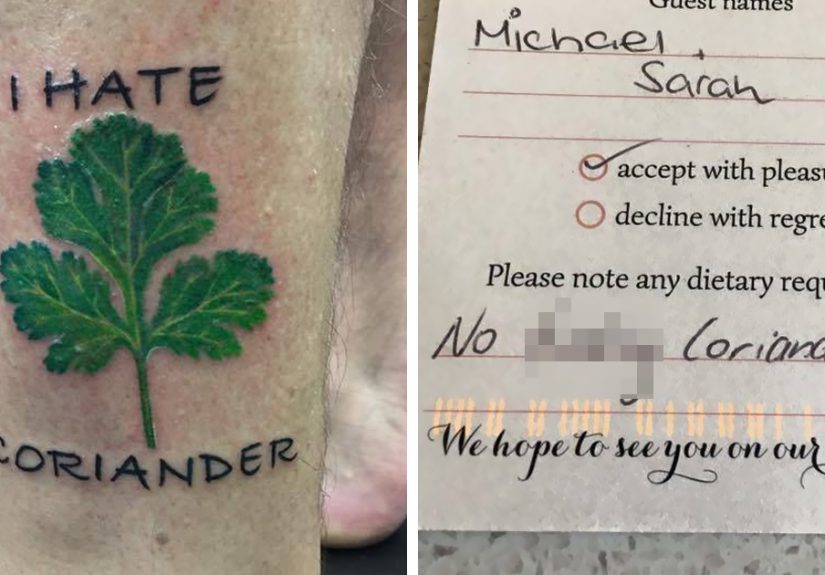
11. The Coriander Tattoo
Some members have gone beyond memes and into body art. Anti-coriander tattoos are funny because they make a temporary food preference look like a lifelong oath. That is commitment. That is branding. That is also probably a great conversation starter at parties.
12. The “Before and After Cilantro” Face
Reaction images are perfect for this topic. A smiling person before the bite; a betrayed person after. The joke needs no explanation. Cilantro has entered the chat, and joy has left the building.
13. The Coriander in a Salad Crime Scene
A salad with hidden cilantro can turn into a leafy investigation. The best images show people picking through greens like forensic specialists. Every suspicious leaf must be identified, questioned, and removed.
14. The “Parsley Imposter” Meme
Parsley and cilantro look similar enough to create kitchen chaos. Many coriander haters have trusted a green bunch too quickly and paid the price. Memes about parsley impersonation are funny because they turn herb shopping into a trust issue.
15. The Coriander Field Rejection
Photos of people standing near fields or bunches of coriander and expressing disgust make the tiny herb feel like a large-scale enemy. It is hard not to laugh at someone treating agriculture like a personal insult.
16. The Birthday Cake Ruined by Green Garnish
Not every image is realistic, and that is part of the fun. Coriander on a birthday cake is the kind of absurd nightmare only a true hater would imagine. It is not likely, but emotionally, it feels possible.
17. The Coriander Support Group Joke
Some memes frame the Facebook group as therapy for people wronged by cilantro. “Tell us where the coriander hurt you” sounds absurd, but after one ruined bowl of noodles, the joke lands beautifully.
18. The “No Coriander Means No Coriander” Restaurant Plea
Many cilantro haters know the pain of asking for no cilantro and still receiving cilantro. Images about this frustration are popular because they capture a universal customer-service tragedy: the instruction was simple, yet here we are.
19. The Herb Drawer Horror Story
A refrigerator drawer full of cilantro can look fresh and wholesome to some. To haters, it looks like a haunted forest. The best images lean into that horror-movie energy.
20. The Guacamole Controversy
Guacamole is a battlefield. Cilantro lovers say it adds brightness. Haters say it turns avocado into soap paste. The funniest images dramatize this conflict as if the fate of party snacks depends on itbecause frankly, it might.
21. The Coriander Merch Moment
Hats, shirts, tote bags, and posters with anti-coriander slogans turn the joke into an identity. The humor is not just “I hate this herb.” It is “I hate this herb enough to accessorize.”
22. The “Cilantro Ruined My Pho” Meme
Vietnamese soups and noodle dishes often use fresh herbs beautifully, but for cilantro haters, one wrong garnish can dominate the entire bowl. These memes are funny because they combine deep culinary respect with very specific personal panic.
23. The Coriander Villain Edit
Some images edit cilantro into villain posters, horror scenes, or dramatic movie-style graphics. It is over-the-top, but that is the point. Every online community needs a villain, and this one has leaves.
24. The “I Found One Leaf” Meltdown
Even one piece of cilantro can trigger a full reaction. Memes about discovering a single leaf in an otherwise safe meal work because they capture the intensity of sensory aversion in one tiny green detail.
25. The Coriander Funeral Joke
Some posts jokingly celebrate the end of a bunch of coriander after it has been discarded. It is darkly silly, harmlessly dramatic, and extremely on-brand for a group that treats herb disposal like victory.
26. The “Chef, We Need to Talk” Image
Restaurant-based memes often focus on the emotional betrayal of ordering carefully and still being surprised. The funniest versions make the chef look like a mischievous herb dealer sneaking cilantro into everything.
27. The Side-Eye at Salsa
Salsa is supposed to be fun. For cilantro haters, it requires inspection. Images showing suspicious side-eye toward a bowl of salsa perfectly capture the cautious life of someone who has been burned before.
28. The Coriander Apocalypse
Some memes imagine a world overrun by coriander. It is an absurd exaggeration, but when cilantro appears in tacos, soups, salads, curries, sandwiches, and sauces, haters may feel the apocalypse has already begun.
29. The “Coriander Is Not Decoration” Complaint
To cilantro fans, garnish is flair. To haters, garnish is contamination. Images mocking the idea that coriander “just makes it look pretty” are funny because they reveal the gap between visual appeal and taste disaster.
30. The Universal Hater Roll Call
The best images invite people to tag a friend who hates cilantro. These posts work because coriander hatred is strangely social. Once people discover they are not alone, they bond instantlyusually over a shared memory of one ruined taco.
The Science Makes the Memes Even Better
What elevates the I Hate Coriander phenomenon beyond a normal food complaint is that the science actually supports part of the joke. Some people do experience cilantro differently. Their dislike may be tied to smell receptors, sensitivity to aldehydes, and personal flavor perception. That gives the memes a clever edge: they are not only exaggerating; they are exaggerating something real.
This also explains why arguing rarely works. A cilantro lover might say, “But it tastes fresh!” A cilantro hater might reply, “Freshly cleaned with bathroom soap?” Both people are describing their honest experience. Food is not just chemistry in a bowl. It is chemistry meeting a nervous system, a memory bank, a culture, and sometimes a Facebook group with thousands of people ready to validate your suffering.
Why Cilantro Lovers and Haters Will Never Fully Agree
Cilantro lovers often cannot understand the hatred because, to them, the herb adds brightness. It wakes up rich foods, sharpens sauces, balances spice, and brings a clean finish to dishes. In Mexican, Indian, Thai, Vietnamese, Middle Eastern, Caribbean, and Latin American cooking, cilantro or coriander leaves can be more than a garnish. They can be part of a dish’s identity.
But cilantro haters are not rejecting culture or freshness. They are reacting to a flavor they experience as overpowering and unpleasant. That distinction matters. No one should be mocked for a sensory aversion, especially when smell and taste vary so much from person to person. The best version of the joke is not “people who hate cilantro are wrong.” It is “people who hate cilantro have built a tiny comedy empire around one very specific enemy.”
What to Use Instead of Cilantro
If you are cooking for a known coriander hater, do not panic. You have options. Flat-leaf parsley can add a fresh green note without the soapy association. Mint can bring brightness to salads and noodle dishes. Basil can soften sauces and add sweetness. Dill works beautifully with yogurt, fish, potatoes, and cucumbers. Chives or green onions can add a mild bite. Lime zest or lemon juice can supply the bright finish cilantro fans often want.
The key is not to pretend the substitute tastes exactly the same. It does not. The goal is to preserve freshness, color, and balance without triggering the “why is my dinner foaming?” response. If a recipe depends heavily on cilantro, serve it on the side. This small act can save friendships, dinner parties, and possibly guacamole diplomacy.
Real-Life Experiences Every Coriander Hater Understands
Anyone who hates coriander has a story. It usually begins with trust. You order a dish that sounds safe: chicken tacos, noodle soup, lentil curry, grilled fish, fresh salsa, or a bright salad. The plate arrives looking beautiful. You take one bite. Suddenly, the entire meal is no longer about chicken, broth, spice, or sauce. It is about that one green herb barging into the flavor conversation like it owns the restaurant.
One common experience is the “parsley mistake.” A person sees a bunch of leafy greens in the refrigerator and assumes it is harmless parsley. They chop it generously into eggs, soup, pasta, or potatoes. Then comes the first bite and the slow realization that breakfast has been compromised. The betrayal feels worse because the two herbs look similar enough to create false confidence. Cilantro haters learn to inspect leaves like jewelers examining diamonds.
Another classic experience happens at restaurants. You say, politely and clearly, “No cilantro, please.” The server nods. You relax. Then the food arrives wearing a green hat. Sometimes the cilantro is scattered on top, which is annoying but survivable. Other times it is mixed into the sauce, folded into the rice, blended into the dressing, or buried inside salsa. That is when the coriander hater enters detective mode, trying to determine whether the meal can be rescued or whether the entire dish has crossed the point of no return.
There is also the family dinner problem. In many households, one person loves cilantro and another cannot stand it. The cilantro lover sees it as fresh, healthy, and necessary. The hater sees it as a leafy prank. This leads to negotiations: cilantro on the side, two versions of the salsa, separate garnish bowls, or a house rule that no chopped herbs are added until everyone has identified them. It sounds excessive, but peace has been built on smaller treaties.
Travel can make the experience even funnier. Cilantro appears in beloved cuisines around the world, and avoiding it can require careful questions. The challenge is that the herb may be called cilantro, coriander, fresh coriander, Chinese parsley, dhania, or something else depending on the restaurant and region. A traveler may confidently ask for “no cilantro” only to discover the kitchen uses the word “coriander.” Suddenly, language has joined the herb in betrayal.
The Facebook group succeeds because it turns these tiny frustrations into a shared comedy routine. A coriander hater who once felt picky can open the group and find thousands of people saying, “Yes, exactly. That leaf ruined my lunch too.” That sense of recognition is powerful. It turns annoyance into belonging. It gives people permission to laugh at themselves while still firmly refusing to eat the garnish.
And that may be the real charm behind the funniest coriander images. They are not truly about destroying an herb. They are about the strange, personal, hilarious ways humans experience food. One person’s fresh garnish is another person’s soap confetti. One person’s essential taco topping is another person’s reason to inspect dinner with suspicion. The internet did not create coriander hatred, but it did give coriander haters a clubhouse, a meme library, and a place to shout, with great conviction, “Keep that green menace away from my plate.”
Conclusion: A Tiny Herb, a Huge Internet Feud
The Facebook group dedicated to coriander haters proves that even the smallest ingredient can inspire giant emotions. Cilantro may be beloved around the world, but for people who taste soap, metal, bitterness, or pure leafy chaos, it is not a garnishit is a problem with stems. The funniest images from the coriander-hating community work because they transform a real sensory aversion into shared comedy. They are dramatic, oddly specific, and deeply human.
Whether you are a cilantro defender, a coriander avoider, or someone who still cannot tell the difference between cilantro and parsley without smelling both, the debate is part of what makes food culture so entertaining. Taste is personal. Humor is universal. And somewhere on Facebook, someone is probably posting another photo of a perfectly good meal ruined by one suspicious green leaf.