Table of Contents >> Show >> Hide
- What Is Crepey Skin, Exactly?
- Why Retinol Gets So Much Hype
- Why This Amazon Retinol Body Cream Stands Out
- What This Retinol Body Cream Can Realistically Do
- What It Will Not Do
- How to Use a Retinol Body Cream Without Making Your Skin Mad
- Who Might Love It Most
- Who Should Be Cautious
- The Best Routine to Pair With This Body Cream
- Is It Worth Buying?
- Real-World Experiences: What Using a Retinol Body Cream Actually Feels Like
- Final Thoughts
- SEO Tags
Crepey skin has a talent for showing up uninvited. One day your arms look normal, and the next day they seem to have borrowed texture inspiration from a tissue paper gift bag. Charming? Not exactly. But if your body-care routine currently consists of “random lotion, occasional panic, and a prayer,” there is good news: a well-formulated retinol body cream can help improve the look of crepey skin over time.
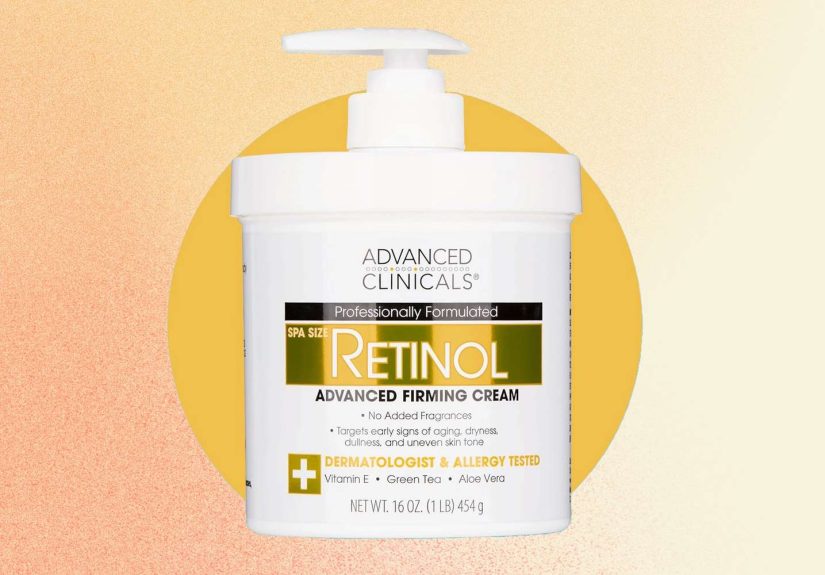
One Amazon favorite that keeps popping up in anti-aging body-care conversations is Advanced Clinicals Retinol Advanced Firming Cream. It is affordable, generously sized, easy to find, and built around the ingredient that gets the most attention in wrinkle care: retinol. The smarter question, though, is not whether the jar looks impressive on your bathroom shelf. The real question is this: Can a retinol body cream actually make skin look firmer, smoother, and less crepey?
The honest answer is yes, to a point. It can improve the appearance of dry, rough, thinning, sun-damaged skin when you use it consistently and pair it with the basics that actually matter, like moisturizer and sunscreen. What it cannot do is magically “shrink-wrap” loose skin overnight. So let’s separate skin-care fact from wishful thinking and talk about why this Amazon retinol body cream has earned so much attention.
What Is Crepey Skin, Exactly?
Crepey skin is skin that looks thin, finely wrinkled, and a little slack, almost like crepe paper. It often shows up on the upper arms, knees, chest, neck, hands, and around the elbows. Age is part of the story, but it is not the whole plot. Sun exposure, dehydration, loss of collagen, reduced elastin, hormonal shifts, and plain old time all join the cast.
This matters because crepey skin is usually not caused by just one issue. Sometimes the main culprit is dryness. Sometimes it is photoaging from years of UV exposure. Sometimes it is thinning skin that has lost bounce and support. And sometimes it is a fun little trio of all three. That is why the best body creams for crepey skin usually combine an active ingredient with moisturizing ingredients instead of relying on “firming” language alone.
Why Retinol Gets So Much Hype
Retinol is a vitamin A derivative, and in the world of anti-aging skin care, it is basically the overachiever who keeps showing up to every group project and doing the work. On the skin, retinol helps encourage cell turnover and supports the look of smoother texture, softer fine lines, and more even tone. Over time, it can also help skin look firmer because retinoids are associated with improved collagen-related changes in photoaged skin.
That said, over-the-counter retinol is not the same as prescription tretinoin. Prescription retinoids are stronger and better studied for photoaging. Retinol is the gentler cousin that still gets invited to the party because it can deliver visible benefits with a lower irritation risk for many users. Translation: it is often a more realistic choice for body care, where you are covering larger areas and do not want to feel like your arms are staging a protest.
Why This Amazon Retinol Body Cream Stands Out
Advanced Clinicals Retinol Advanced Firming Cream has become popular for one very practical reason: it aims to do the anti-aging job without acting like a tiny luxury purchase every time you open the jar. The formula is positioned as a body cream first, not a tiny face serum pretending to be generous. That matters because treating crepey skin on the body usually requires a larger-format product you will actually use on arms, legs, chest, and hands without rationing it like treasure.
The product is built around retinol, but that is only part of the appeal. It is also marketed with ingredients such as vitamin E, green tea, and aloe vera, which help give the formula a more cushioning, skin-comforting feel. In real life, this combination matters because a body cream that smooths but dries you out is not helping your cause. Dry skin can exaggerate the crepey look, so hydration and softness are not extras here; they are part of the strategy.
Another reason this cream gets attention is accessibility. It is sold on Amazon, often at a budget-friendly price, and it has been highlighted in recent beauty coverage focused on mature skin, body retinol lotions, and affordable anti-aging picks. In other words, it hits the sweet spot between “active enough to be interesting” and “not so expensive you need to emotionally prepare before checking out.”
What This Retinol Body Cream Can Realistically Do
1. Make dry, papery skin look smoother
If your skin looks crepey mainly because it is dry and under-moisturized, you may notice a faster cosmetic payoff. Rich hydration can temporarily plump the skin surface, making fine lines and wrinkled texture look less obvious. This is often the first change people notice, and yes, it counts. A lot of “firming” starts with “finally, my skin does not look tired.”
2. Improve the look of fine lines over time
With regular use, retinol can help soften the appearance of fine lines and rough texture. This is not an overnight trick. Think in weeks and months, not in dramatic before-and-after fantasies after two applications and a good bathroom light.
3. Help rough, sun-damaged areas look more refined
Body retinol creams are especially useful on areas that take a beating from time and sunlight: forearms, chest, shoulders, hands, and legs. If those zones look dull, thin, or uneven, a retinol cream may help them appear more polished and cared for.
4. Support a firmer-looking finish
Here is where wording matters. A body cream can help skin look firmer, smoother, and better hydrated. It cannot replace procedures or literally lift significantly sagging skin. The improvement is real, but it is cosmetic and gradual, not surgical and dramatic.
What It Will Not Do
This is the section where we politely escort unrealistic expectations out the door.
- It will not erase severe loose skin.
- It will not perform like prescription tretinoin.
- It will not beat chronic sun exposure if you skip sunscreen every day.
- It will not help much if you use it three times, forget it for a month, then blame the jar.
If you have deep wrinkling, marked laxity, or significant texture changes that bother you, a dermatologist can help you figure out whether prescription retinoids, lasers, peels, microneedling, or other treatments make more sense. Skin care is helpful, but sometimes it is playing in the minor leagues.
How to Use a Retinol Body Cream Without Making Your Skin Mad
Retinol works best when you treat it like an ingredient with power, not frosting.
Start slow
Apply the cream two to three nights a week at first, especially if your skin is dry or reactive. Once your skin adjusts, you can increase frequency. Starting every night from day one is a classic way to end up annoyed, flaky, and weirdly loyal to long sleeves.
Apply to dry skin
Use it after cleansing, ideally when the skin is dry rather than damp. Damp skin can sometimes increase penetration and irritation. Your goal is consistency, not bravado.
Follow with moisturizer if needed
If you are using the cream on especially dry areas, you can layer a plain, fragrance-free moisturizer on top. This can help reduce irritation and improve comfort while still letting the retinol do its thing.
Use sunscreen on exposed areas
If you are applying retinol to your arms, chest, shoulders, or hands, daytime sun protection is non-negotiable. Retinol and UV exposure are not a charming duo.
Do a patch test
Try a small amount on one area first, especially if you have sensitive skin, eczema, or a history of reacting to actives. Your skin deserves a trial run before a full-season commitment.
Who Might Love It Most
This Amazon retinol body cream is likely a strong fit for people who:
- Notice crepey-looking skin on arms, chest, knees, or hands
- Want a budget-friendly anti-aging body lotion
- Prefer one product that combines treatment and moisture
- Are new to body retinol and want something more approachable than prescription care
- Need a large-format cream they will not be afraid to actually use
Who Should Be Cautious
Retinol is not for everyone. If your skin is extremely sensitive, barrier-impaired, freshly shaved, sunburned, or actively irritated, this may not be the moment. People who are pregnant are generally advised to avoid retinoids unless a clinician says otherwise. And if you are already using strong exfoliating acids or prescription retinoids on the same area, layering everything at once may turn your skin-care routine into an avoidable drama.
The Best Routine to Pair With This Body Cream
If you really want to improve the look of crepey skin, do not rely on one heroic product while ignoring the rest of your routine. The smartest approach is boring in the best possible way:
- Use a gentle body cleanser that does not strip your skin.
- Apply the retinol body cream at night several times a week.
- Add a plain moisturizer if your skin feels dry or tight.
- Wear broad-spectrum sunscreen on exposed skin during the day.
- Stay consistent for at least several weeks before judging results.
That is not glamorous, but it is effective. Skin care rarely rewards chaos.
Is It Worth Buying?
If you want a realistic, accessible product for crepey-looking skin, this one earns its popularity. Advanced Clinicals Retinol Advanced Firming Cream is not a miracle in a jar, but it does check important boxes: retinol, supportive moisturizing ingredients, a body-friendly format, easy availability on Amazon, and a price that does not make your wallet file a complaint.
The biggest reason it works for so many people is not magic. It is the combination of an evidence-respected ingredient with a formula that feels usable enough for real life. That may sound unromantic, but in body care, “I actually kept using it” is often the secret ingredient nobody puts on the label.
Real-World Experiences: What Using a Retinol Body Cream Actually Feels Like
One of the most helpful ways to think about a product like this is to imagine the experience in phases rather than expecting one dramatic movie montage. In the first week or two, many people do not see “firmer skin” so much as they notice that their skin feels more conditioned. The arms may look less ashy. The chest may seem smoother under natural light. The knees and elbows can feel softer instead of rough and thirsty. It is a subtle start, but it matters, because crepey skin often looks worse when dryness is front and center.
Then comes the “wait, maybe this is doing something” stage. This is usually when people start noticing that the skin on the upper arms looks a little less crinkled when they move, or that their hands do not appear quite as tired by the end of the day. The texture may not be transformed, but it often looks more settled, more cushioned, and less papery. In other words, the skin starts looking like it has had a glass of water, eight hours of sleep, and a much better attitude.
There is also the reality check stage, which is healthy. Users often discover that retinol body care rewards patience, not obsession. Slathering on double the amount does not mean double the results. It usually means irritation, especially on thinner areas like the chest and neck. The most successful experiences tend to come from people who start slowly, apply consistently, and keep the rest of the routine simple. This is not the place for ten competing actives and a reckless spirit.
Another common experience is that different body areas respond differently. The forearms may look smoother before the knees do. The chest may need gentler frequency than the legs. The backs of the hands may love the cream, while freshly shaved skin on the thighs may object loudly. That is normal. Body skin is not one uniform surface, and treating it like it is can lead to frustration. The better strategy is to adjust frequency by area and let comfort guide the routine.
There is also something surprisingly satisfying about using a retinol product designed for the body instead of trying to stretch a tiny face cream across half your torso like you are rationing luxury. A larger jar makes regular use more realistic. And realistic products are the ones that tend to become routine rather than clutter. If a cream is easy to use, feels pleasant enough, and does not require a small financial summit every month, odds are far better that you will keep reaching for it.
Perhaps the biggest shift people describe is not that they suddenly look airbrushed from neck to ankle. It is that they feel more in control of an issue that once seemed impossible to address. Crepey skin can feel discouraging because it is tied to aging, sun exposure, and collagen loss, all things that sound huge and irreversible. A good body cream cannot stop time, but it can make your skin look healthier, softer, and more supported. And sometimes that is exactly the kind of improvement that changes how you feel getting dressed, heading out, or catching your reflection in daylight.
Final Thoughts
If the phrase “this retinol body cream from Amazon firms crepey skin” sounds a little dramatic, that is because headlines enjoy cardio. The truer version is better: this retinol body cream can help improve the appearance of crepey skin when used consistently as part of a smart routine. That may be less flashy, but it is a lot more useful.
For shoppers who want smoother-looking arms, softer chest skin, and a more polished body-care routine without overspending, Advanced Clinicals Retinol Advanced Firming Cream is a sensible buy. It gives you the benefits of a retinol body lotion, the comfort of a moisturizing cream, and the convenience of Amazon availability. No miracles, no nonsense, just a pretty solid jar with realistic upside.