Table of Contents >> Show >> Hide
- Why This Desk Makeover Works So Well
- What “Quick Veneer” Really Means
- Tools and Materials You’ll Want
- Before You Paint: Pick a Style That Makes Sense
- Step-by-Step: Ugly Desk Makeover in a Few Hours
- Step 1: Empty the Desk and Take Off What You Can
- Step 2: Clean Like You Mean It
- Step 3: Lightly Sand the Surface
- Step 4: Repair Dents, Chips, and Swollen Spots
- Step 5: Apply the Quick Veneer
- Step 6: Mask Off Areas You Don’t Want Painted
- Step 7: Prime First
- Step 8: Spray Paint With Restraint
- Step 9: Let It Dry, Then Reassemble
- Best Desk Makeover Color Ideas
- Mistakes That Can Ruin the Makeover
- Is This Makeover Actually Worth It?
- Final Thoughts
- Experience and Practical Lessons From Doing This Kind of Desk Makeover
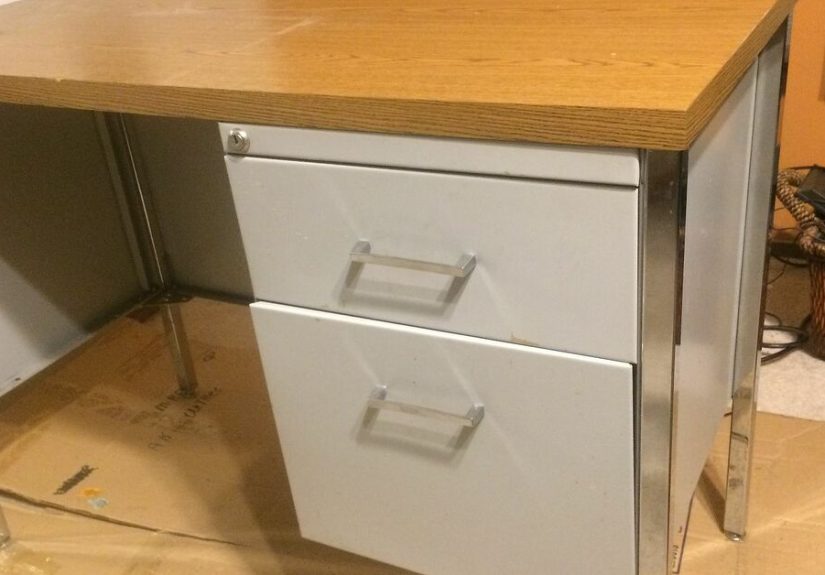
Some desks do not age gracefully. They do not become “vintage.” They do not become “character pieces.” They become sad rectangles with peeling edges, mystery scratches, and the exact color of a forgotten office waiting room. The good news is that an ugly desk does not need a dramatic reality-show renovation. Sometimes it just needs a fast, strategic glow-up with quick veneer and spray paint.
This kind of desk makeover is perfect for busy people, renters, dorm dwellers, first-apartment heroes, or anyone staring at a battered desk and thinking, I do not have the budget for a new one, but I also cannot keep pretending this thing is charming. With the right prep, a little patience, and a few smart materials, you can make a cheap or damaged desk look cleaner, newer, and far more intentional in just a few active hours.
The beauty of this makeover is not that it turns particleboard into heirloom walnut. Let’s stay emotionally grounded. The beauty is that it dramatically improves the way the desk looks and feels. Quick veneer hides raw or chipped edges. Spray paint creates a fresh, even finish. Together, they can rescue a desk that looks one coffee spill away from retirement.
Why This Desk Makeover Works So Well
Most ugly desks have the same problems: exposed edges, dented corners, faded finish, surface scratches, and a color that makes the whole room feel slightly defeated. Quick veneer solves the edge problem fast. Spray paint solves the visual mess. Combined, they create the illusion of a more finished, more expensive piece.
This approach works especially well on laminate desks, MDF desks, particleboard furniture, and budget wood desks that are structurally fine but aesthetically tragic. If the frame is solid and the top is still usable, a makeover usually makes more sense than replacement. You save money, avoid waste, and get the weirdly satisfying feeling of winning an argument with ugly furniture.
What “Quick Veneer” Really Means
In DIY terms, “quick veneer” usually means a fast-apply veneer edging product, often iron-on or adhesive-backed edge banding. It is designed to cover exposed or damaged furniture edges, especially on plywood, MDF, laminate, or particleboard pieces. If your desk has a swollen edge, a chipped front lip, or that ugly brown paper-looking strip where the finish gave up years ago, this is where veneer earns its paycheck.
Instead of trying to rebuild the whole desk edge with wood filler and pure optimism, you apply veneer edging over the problem area. Once trimmed and secured, the desk looks cleaner and more intentional. It is one of those small details that makes a surprisingly big difference. In makeover terms, veneer is the desk’s concealer, and spray paint is the flattering lighting.
Tools and Materials You’ll Want
Basic Supplies
You do not need a full workshop for this project. In most cases, you only need quick veneer or edge banding, spray primer, spray paint, painter’s tape, a utility knife or edge trimmer, sandpaper, a tack cloth or microfiber cloth, mild cleaner, and a drop cloth.
Helpful Extras
Wood filler helps if the desk has dents or gouges. A sanding sponge makes it easier to scuff curves and corners. Disposable gloves save your hands from becoming part of the color scheme. If you want a more durable finish, a clear protective topcoat can help, especially for high-use desks that see laptops, mugs, notebooks, chargers, and the occasional stress snack.
Before You Paint: Pick a Style That Makes Sense
One of the easiest mistakes in a desk makeover is choosing a color before choosing a vibe. That is how people end up with a desk that technically looks better but still feels wrong in the room.
If your room is minimal and modern, matte black, satin white, charcoal, or warm greige usually works beautifully. If you want something softer, creamy white, sage, dusty blue, or muted olive can give the desk personality without turning it into a visual cry for help. If the desk has metal legs, consider a two-tone look: wood-toned top with black base, or light body with darker hardware.
The trick is to make the desk look intentional, not merely repainted. Good makeovers do not scream, “I had a long Saturday.” They whisper, “Yes, this was always the plan.”
Step-by-Step: Ugly Desk Makeover in a Few Hours
Step 1: Empty the Desk and Take Off What You Can
Remove drawers, hardware, knobs, cable trays, handles, and any detachable parts. This makes painting easier and cleaner. It also prevents that classic DIY problem where you tell yourself you can “paint around it” and then spend the next year staring at a ring of old finish around a handle.
Step 2: Clean Like You Mean It
Dust is annoying. Grease is sneaky. Furniture polish is the villain nobody invites but everybody regrets. Before sanding or priming, clean the desk thoroughly with a mild degreasing cleaner and let it dry completely. A surface that looks clean is not always truly clean, and paint loves exposing that kind of overconfidence.
Pay extra attention to the front edge, drawer pulls, corners, and the area where your hands rest most often. Those spots collect oils and grime faster than you think.
Step 3: Lightly Sand the Surface
You are not trying to sand the desk back to its childhood. You just need to dull glossy areas so primer and paint can grip the surface better. A light scuff-sanding with fine or medium-fine grit is usually enough for laminate or sealed furniture. If the desk has peeling areas, smooth those out gently so the final finish is even.
After sanding, wipe away every bit of dust. Then wipe again. Then pretend you are done and wipe once more. Paint may be forgiving, but dust is persistent and loves ruining smooth finishes.
Step 4: Repair Dents, Chips, and Swollen Spots
If the desk has gouges or chipped corners, fill them before you move on. Let the filler dry, sand it smooth, and check the surface with your hand, not just your eyes. Your eyes may miss a ridge. Your hand will absolutely file a complaint.
For badly damaged edges, do not obsess over perfection before applying the veneer. Get them reasonably flat and stable, then let the edge banding hide the sins.
Step 5: Apply the Quick Veneer
This is the transformation moment. Measure the exposed desk edges, cut the veneer slightly longer than needed, and apply it according to the product type. Iron-on veneer is especially popular because it is fast, accessible, and forgiving enough for most DIYers. You align it, apply heat, press it down, let it cool, and trim the excess.
Work slowly on visible front edges. Those are the areas people notice first. If you rush, you may end up with bubbles, slight misalignment, or trim lines that look a little too “made in the garage after coffee number four.”
Once the veneer is attached, trim the edges neatly and lightly sand the corners so everything feels smooth to the touch. This is where a desk stops looking beat-up and starts looking restored.
Step 6: Mask Off Areas You Don’t Want Painted
If you are preserving part of the desk, taping off drawer interiors, or keeping metal legs a separate color, do your masking now. Good masking saves cleanup time and prevents the sad little jagged edges that instantly reveal a rushed job.
Step 7: Prime First
Primer is the grown-up decision in this makeover. On laminate, slick factory finishes, patched areas, and mixed surfaces, primer helps create a more dependable base. It improves adhesion and helps your color coat look more even, especially if you are going lighter or painting over an uneven tone.
Apply light, even coats rather than one thick coat. Thick primer loves drips, and drips love becoming permanent character flaws. Let the primer dry as directed. If the surface feels rough, a very light sanding between coats can help create that smoother, more finished result.
Step 8: Spray Paint With Restraint
This is not the moment to get emotional and blast the desk from three inches away like you are punishing it for past design crimes. Hold the can at a steady distance, start spraying just off the edge, move across in smooth passes, and release after passing the other edge. Thin coats are the secret. Always thin coats.
One heavy coat leads to runs, tacky spots, and regret. Several light coats lead to a cleaner finish that looks far more professional. It may feel slower in the moment, but it is faster than sanding out drips because you got ambitious.
Make sure you paint in a well-ventilated area with appropriate protection. Also remember that a desk may be “dry enough to touch” long before it is ready for heavy daily use. That distinction matters. Your laptop, monitor stand, and giant ceramic mug do not care about your optimism.
Step 9: Let It Dry, Then Reassemble
Once the final coat is dry enough, remove tape carefully, reinstall hardware, and put the desk back together. If you are adding a clear protective coat, do that only after the paint schedule allows it. A soft-close finish with enough cure time will always outperform a rushed one.
When reassembling, consider swapping old hardware for something more modern. Small upgrades like black pulls, brass knobs, or cleaner cable management can make the desk look custom instead of simply “less ugly.”
Best Desk Makeover Color Ideas
Classic White
White brightens a room and makes a bulky desk look lighter. It works especially well in small bedrooms, study corners, and home offices that need a little visual breathing room.
Matte Black
Black can make a cheap desk look sleek and modern fast. It hides a lot, photographs well, and pairs beautifully with wood shelves, brass lamps, and neutral decor.
Warm Greige or Taupe
For people who want sophistication without drama, warm greige is the diplomat of desk colors. It plays nicely with almost everything and looks more expensive than it has any right to.
Muted Green or Blue
Soft color can make the desk feel like a feature rather than a backup plan. Sage, dusty blue, and slate green are especially good choices if you want charm without turning your workspace into a craft store aisle.
Mistakes That Can Ruin the Makeover
The biggest mistake is skipping prep. The second biggest mistake is pretending prep is the same as aggressively sanding the entire desk into existential dust. You need balance. Clean thoroughly, sand lightly, prime wisely, and paint patiently.
Another mistake is not respecting cure time. A desk makeover can be completed in a few active hours, but the finish may still need more time to harden fully. Put a heavy monitor on it too soon, drag accessories across it, or stick a desk mat down immediately, and you may imprint or scuff the brand-new finish before it has a chance to become durable.
And finally, do not ignore edges. People notice edges. A desk top can look fine from across the room, but exposed chipped edges instantly reveal the desk’s humble origins. That is exactly why quick veneer makes such an outsized difference.
Is This Makeover Actually Worth It?
Absolutely, if the desk is structurally sound. A full replacement often costs more, creates more waste, and still may not give you the exact size or style you want. A makeover lets you customize the piece to your room, fix the visual flaws that bother you most, and extend the desk’s useful life.
This is also one of the rare DIY projects with a high visual payoff and relatively approachable skill level. You do not need advanced carpentry. You mostly need patience, decent prep, and the self-control to stop after a light coat instead of saying, “Maybe just one more blast.”
Final Thoughts
An ugly desk makeover is not just about paint. It is about changing the way a piece functions in your space. When a desk looks cleaner, smoother, and more intentional, the whole room feels more put together. Your workspace feels less like a compromise and more like a choice.
Quick veneer and spray paint are such a powerful pairing because they tackle both structure and style. Veneer fixes the raw, damaged, visibly cheap parts. Spray paint modernizes the overall finish. Together, they can turn a desk from forgettable to surprisingly polished in a single weekend afternoon, with the kind of before-and-after difference that makes you want to text people pictures they absolutely did not ask for.
So if you are staring at a desk that has survived too many apartments, too many coffee cups, and at least one era of questionable taste, do not write it off just yet. Clean it, sand it, edge it, paint it, and give it a second chance. Ugly furniture rarely needs a miracle. Most of the time, it just needs a plan.
Experience and Practical Lessons From Doing This Kind of Desk Makeover
The most surprising part of a desk makeover like this is how emotional it can be for such a small project. You start with a piece of furniture you barely respect. Maybe it came from a discount store, a dorm move-out, a family hand-me-down, or a marketplace listing that looked better in low light. At first, the project feels purely practical. You want a nicer desk without paying for a nicer desk. But somewhere between taping the legs and trimming the veneer, the desk starts to look like something you chose on purpose, and that changes the whole energy of the room.
One lesson people learn quickly is that edges matter more than expected. Before the makeover, you may think the color is the main problem. Then you apply veneer to one chipped front edge, step back, and suddenly realize that the exposed edges were what made the entire desk look cheap. Fixing those first creates a huge improvement even before the spray paint goes on. It is the kind of upgrade that makes the desk look more finished, more solid, and somehow more expensive, even if the rest of the piece is still waiting for paint.
Another real-world lesson is that spray painting rewards calm behavior. Many first-time DIYers assume the magic is in the color, but the real magic is in restraint. The best results usually come from thin coats, steady movement, and not trying to force full coverage too soon. The people who get the smoothest finish are not necessarily the most skilled. They are the ones who stop themselves from rushing. That is not glamorous advice, but it is incredibly effective.
There is also a practical truth about “a few hours.” Yes, the active makeover can happen quickly. You can clean, prep, edge, prime, and paint in a focused afternoon. But the desk still benefits from extra drying and curing time before heavy use. Experienced DIYers learn to treat those as two different clocks: the project clock and the durability clock. One is about how long you work. The other is about how long you wait before trusting the finish with daily life.
People also tend to remember the small upgrade moments. Replacing dated hardware. Painting the drawer pulls a contrasting color. Adding a simple desk lamp afterward and realizing the whole corner finally looks intentional. These details are not expensive, but they create that satisfying “after” photo effect. The desk stops looking like leftover furniture and starts looking styled.
In the end, the best experience of all is not just saving money. It is changing your relationship with the space. A desk makeover can make you more willing to sit down, work, study, write, or create. That is a pretty big return from a project that mostly involves sandpaper, patience, and a refusal to let one ugly desk keep setting the tone for the room.