Table of Contents >> Show >> Hide
- What Is Wellington-Cordage Cotton Rope?
- Why People Like Cotton Rope in the First Place
- Where Wellington-Cordage Cotton Rope Shines
- Its Limits Matter Too
- How to Choose the Right Wellington-Cordage Cotton Rope
- Care and Maintenance Tips
- Final Verdict
- Experiences With Wellington-Cordage Cotton Rope in Real Life
If rope had a personality, cotton rope would be the friendly neighbor who helps you move a chair, ties up the tomato plants, fixes the old window sash, and never brags about it later. Wellington-Cordage cotton rope fits neatly into that category. It is not the flashy action hero of the rope aisle. It is the dependable, soft-handed, easy-to-knot utility option that keeps showing up in homes, workshops, garages, gardens, and DIY projects for a reason.
Across hardware and rope listings, Wellington-Cordage cotton rope appears in several forms rather than one single magic spool. Depending on the model, you may find it as solid braided sash cord, natural braided cotton clothesline, cable cord, or bulk cotton rope sold by length. That matters, because “cotton rope” sounds simple until you realize one version is ideal for pulleys and sash windows, another is better for light-duty household use, and another is mostly there to make craft projects look charming enough to earn compliments from strangers.
This article breaks down what Wellington-Cordage cotton rope really is, what makes it useful, where it falls short, how to choose the right version, and what real-life use actually feels like. Spoiler alert: it is softer on the hands than many synthetic ropes, but it is not the rope equivalent of a superhero cape. It has limits, and good rope choices start with respecting them.
What Is Wellington-Cordage Cotton Rope?
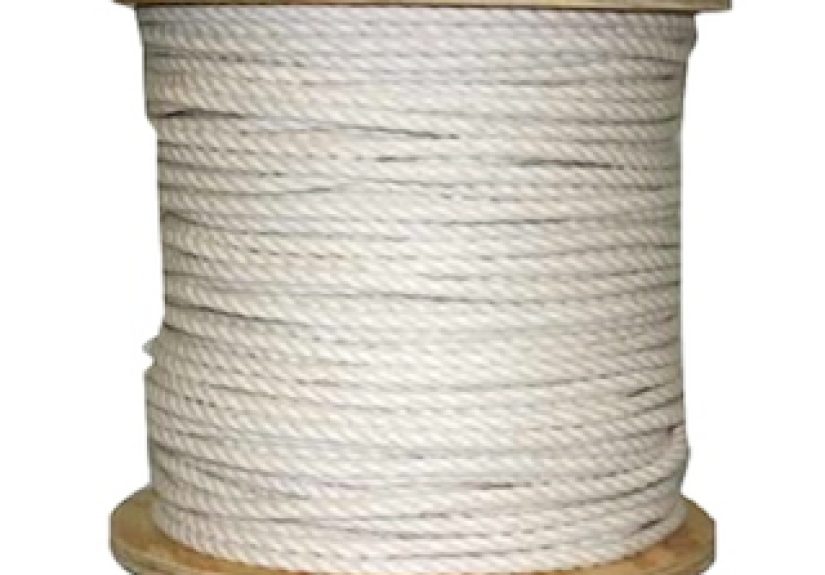
Wellington-Cordage is a long-established rope and cordage brand whose cotton offerings commonly show up in American hardware retail channels. In current retail listings, Wellington cotton products include sash cord models in sizes such as #7 at 7/32 inch by 100 feet, #8 at 1/4 inch by 100 feet, and #12 at 3/8 inch by 100 feet. You can also find bulk-format cotton rope and natural braided cotton clothesline variants, which tells you right away that the brand’s cotton line is designed for several light-duty and household-centered jobs rather than one narrowly defined use.
That range is the first clue to how Wellington-Cordage cotton rope should be understood: not as one monolithic product, but as a family of cordage options built around cotton’s classic strengths. Cotton is soft, pliable, easy to grip, and generally pleasant to handle. If polypropylene rope feels like it is judging your palms, cotton rope feels like it brought cookies.
Common Wellington-Cordage cotton rope formats
The most visible format is sash cord. Sash cord is usually solid braided, round, and designed to hold shape well under pressure. That makes it useful for pulleys, blocks, window sash repair, awnings, and general utility tasks where smooth travel and low fuss matter. Some cotton sash cords on the market use a synthetic core under the cotton jacket to reduce stretch and boost durability. That hybrid approach keeps the hand feel of cotton while improving performance in practical household jobs.
Another format is cotton clothesline rope, often described as braided cotton with a synthetic core. In that version, the rope is meant for medium-load duty and general indoor or outdoor household use. There are also cable cords and smaller-diameter cotton cords that overlap with crafts, theater-style tie line, décor, and lighter utility applications.
Why People Like Cotton Rope in the First Place
Let’s be honest: nobody picks cotton rope because they want the strongest thing on Earth. They pick it because it behaves nicely. Wellington-Cordage cotton rope is appealing for the same reasons cotton rope in general remains popular.
1. It is soft and easy on the hands
This is the headline feature. Cotton rope is easier to grip than many synthetics and more comfortable during repeated handling. That matters in everyday use, especially for household tasks, decorative tying, window work, and lighter pulling or fastening jobs. If you are tying knots, adjusting lines, or feeding rope through hardware, comfort becomes surprisingly important surprisingly fast.
2. It usually knots well
Cotton has a reputation for good knot retention. In practical terms, knots tend to stay where you put them without feeling like you need the hand strength of a comic-book villain to untie them later. For DIYers, gardeners, home-repair folks, and crafters, that is a huge plus.
3. It looks better for many indoor projects
There is a reason cotton rope gets invited to the craft table while neon plastic rope gets left outside with the muddy tools. Cotton has a natural, softer look that works well in home décor, rope baskets, wrapped handles, rustic projects, and traditional household uses. It does not scream “boat dock” unless you want it to.
4. It can be a smart fit for sash and pulley work
In braided sash-cord form, Wellington-Cordage cotton rope is often described as smooth, firm, round, and suitable for blocks and pulleys. That combination matters because shape retention, surface smoothness, and low-fuss handling can make the difference between a rope that behaves and a rope that turns your repair job into a vocabulary test.
Where Wellington-Cordage Cotton Rope Shines
The best uses for Wellington-Cordage cotton rope are usually the ones that reward handling, flexibility, and appearance more than brute force.
Window sash repair
This is one of the most natural fits. Sash cord is made for exactly this kind of job. A properly sized, smooth, braided cotton sash cord can run well around pulleys and hold up under regular household operation. If you are restoring older windows, the traditional look and hand feel make cotton rope especially appealing.
Light-duty clothesline use
Some Wellington cotton-rope listings are explicitly positioned as clothesline products. For lighter household drying setups, especially where a softer rope is preferred, that makes sense. If the product includes a synthetic core, even better: you get reduced stretch and more dependable support than plain all-natural cotton alone would usually offer.
Home, garden, and workshop utility
Need to tie, bundle, secure, guide, or hang something that is not mission-critical? Cotton rope often works beautifully. It can be handy around awnings, tarps, garden projects, temporary tie-downs, plant support, and general-purpose organizing. It is the sort of rope that earns its keep quietly.
Crafts and décor
This is where cotton rope becomes a bit of a show-off. Rope baskets, wall accents, wrapped jars, handrails, costume elements, decorative knots, pet-toy projects, and rustic-style décor all benefit from cotton’s texture and appearance. Cotton also tends to be more pleasant to cut, coil, and manipulate in these creative applications.
Its Limits Matter Too
Now for the part where responsible rope talk crashes the party with sensible shoes: Wellington-Cordage cotton rope is not for everything.
It is not the strongest rope option
Cotton rope is generally less durable and lower in strength than many synthetic choices. If your project involves heavy loads, long-term weather exposure, high abrasion, towing, lifting, climbing, or anything involving personal safety, cotton is usually not your champion.
It absorbs water
Cotton absorbs moisture more readily than materials like polypropylene or polyester. That means it can get heavier, stay wet longer, and be more vulnerable to mildew or decay if stored damp. If your rope’s dream job is living outdoors in constant rain, cotton may politely decline.
It should not be used for life-safety work
This is the big one. Rope guidance from manufacturers and rope specialists is very clear: always follow working load recommendations, avoid shock loading, inspect for wear, and do not use general-purpose rope where personal safety is involved unless it is specifically designed and rated for that purpose. Some Wellington sash-cord listings specifically note that the rope is not recommended for personal-safety uses. That is not legal fine print for decoration. That is the entire point.
How to Choose the Right Wellington-Cordage Cotton Rope
The smartest way to shop is to match the rope to the job instead of buying based on whatever spool looks the most wholesome.
Pick the construction first
If you need a round cord that behaves well around pulleys or in sash applications, look for solid braided sash cord. If you want a line for lighter-duty household use, a braided clothesline-style product may be the better fit. If you are doing décor or crafts, smaller cotton cord or cable cord may be easier to manage.
Then choose the diameter
Retail listings show a useful size ladder. Smaller diameters such as 7/32 inch are suitable for lighter-duty applications. Quarter-inch is a classic middle-ground option. Three-eighths inch feels more substantial in the hand and can support heavier light-duty jobs when the working load allows. The key phrase there is “when the working load allows.” Diameter helps, but it does not magically turn cotton into steel.
Check for a synthetic core
If reduced stretch matters, a cotton rope with a synthetic core can be an excellent compromise. You still get the look and feel of cotton on the outside, but the rope is less likely to sag, creep, or feel mushy in applications like sash windows and clotheslines.
Buy for the environment
Indoor décor, restoration work, crafts, window repair, and light home utility are strong use cases. Constant wet exposure, harsh chemicals, rough abrasion, and high-load conditions are not. Cotton is charming, but charm does not cancel physics.
Care and Maintenance Tips
Good rope habits make even simple cotton rope last longer.
- Store it clean and dry.
- Keep it out of standing moisture and away from chemical exposure.
- Do not leave it baking in the weather if the job does not require it.
- Inspect it for fraying, flattened sections, broken yarns, glazing, or suspicious wear.
- Avoid dragging it across rough surfaces or sharp edges.
- Do not overload it or subject it to sudden shock loads.
If the rope looks tired, feels stiff, smells musty, or has visible damage, retire it. Rope is cheaper than regret, and regret is a terrible building material.
Final Verdict
Wellington-Cordage cotton rope succeeds because it understands the assignment. It is not trying to be a marine line, a climbing rope, or a heavy industrial sling. It is trying to be a dependable cotton cordage option for household, sash, craft, and light-duty utility work. On that front, it makes a strong case for itself.
Its biggest strengths are comfort, knot handling, classic appearance, and practical versatility in the right setting. Its biggest weaknesses are moisture sensitivity, lower durability than synthetics, and clear limits when safety-critical loads are involved. Choose it for the jobs cotton rope is good at, and it feels like a smart, satisfying buy. Choose it for the wrong job, and the rope will not be the only thing under tension.
Experiences With Wellington-Cordage Cotton Rope in Real Life
One of the most common experiences people describe with Wellington-Cordage cotton rope is that it feels “nicer than expected” the second they touch it. That may sound like faint praise, but in the rope universe, pleasant handling is a real feature. A lot of people come to cotton rope after wrestling with stiffer synthetic lines, and the first reaction is usually some version of, “Oh, this is much easier on the hands.” For everyday users, that changes the entire project. Whether someone is restringing an old window sash, tying up a porch shade, or setting a small indoor clothesline in a laundry area, the rope feels cooperative instead of argumentative.
Another frequent experience is how tidy braided cotton rope feels in traditional home-repair work. In sash-window applications, users often appreciate that the cord feeds in a controlled way and looks historically appropriate. There is something satisfying about using a rope that matches the spirit of the repair instead of dropping in a bright synthetic line that looks like it wandered in from a camping aisle by mistake. Cotton rope tends to blend in visually, which makes finished work look cleaner and more intentional.
For craft lovers, the experience is often almost the opposite: they want the rope to stand out. Wellington-style cotton rope has the kind of texture that works beautifully in baskets, wrapped décor, costume details, and handmade accents. People like that it bends without feeling flimsy and that it holds knots without excessive slipping. It is also forgiving enough for trial-and-error work, which is useful because most creative projects involve at least one moment of staring at the rope and saying, “That looked better in my head.”
Garden and utility users usually notice two things quickly. First, the rope is pleasant for light tying and bundling. Second, it clearly is not a heavy-duty outdoor beast. After exposure to damp conditions, cotton rope can feel different. It may get heavier, less lively, and more obviously in need of drying out. That is why many users who like cotton rope still reserve it for lighter jobs or protected environments. They enjoy the softness and control, but they also learn not to ask it to live a miserable life in nonstop weather.
There is also a practical satisfaction that comes from choosing the correct diameter. Users who move from a too-thin utility cord to a more substantial cotton sash cord often say the rope suddenly feels “right” for the job. The grip is better, the line tracks better, and the whole task becomes less fiddly. In other words, the best experience with Wellington-Cordage cotton rope usually comes from using the right construction, the right size, and the right expectations. When those three things line up, cotton rope feels less like a compromise and more like exactly the tool you wanted all along.