Table of Contents >> Show >> Hide
- What Is a Zip-It Drain Cleaning Tool, Exactly?
- How Does a Zip-It Drain Cleaner Work?
- Step-by-Step: How to Use a Zip-It Tool Like a Pro
- Why Homeowners Love the Zip-It Drain Tool
- Limitations: When a Zip-It Won’t Cut It
- Zip-It vs. Other Drain Cleaning Methods
- Buying Tips: What to Look For in a Zip-It-Style Tool
- Safety and Hygiene Tips
- When to Call a Plumber Instead
- Final Thoughts
- Real-World Experiences with Zip-It Drain Cleaning Tools
If your bathroom sink turns into a tiny, angry bathtub every time you wash your hands, you don’t necessarily need a plumber, a chemistry degree, or a bottle of scary drain cleaner. Very often, all you need is a $3–$10 strip of plastic with teeth: the Zip-It drain cleaning tool.
Popularized by DIY sites like The Family Handyman, the Zip-It tool has become a must-have for homeowners who want to clear hair clogs quickly without harsh chemicals or complicated tools. Let’s break down what it is, how it works, when to use it (and when not to), and why it’s earned a permanent spot in so many toolboxes.
What Is a Zip-It Drain Cleaning Tool, Exactly?
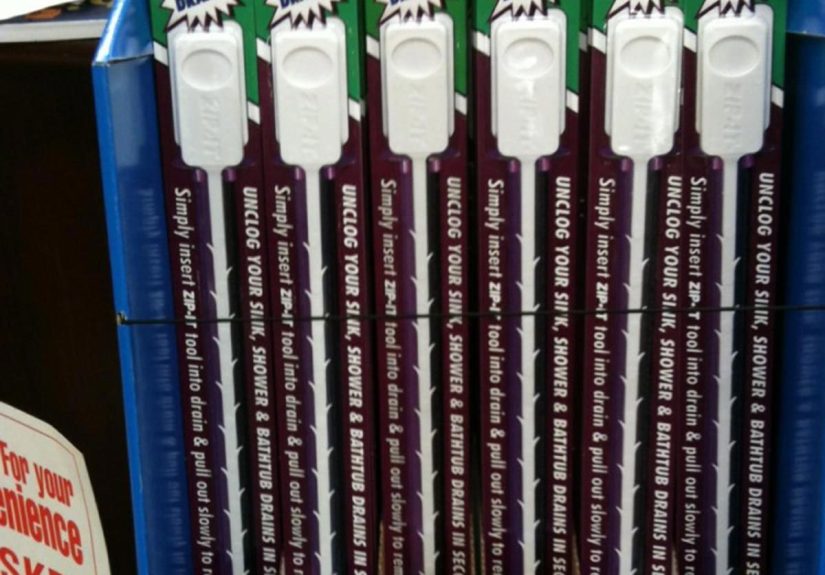
A Zip-It drain cleaning tool is a thin, flexible strip of plastic with tiny barbs along the sides and a small handle or pull tab at the top. It’s usually around 20–25 inches long, designed to reach down into bathroom sink, tub, and shower drains where hair and soap scum love to form a nasty plug.
Key features you’ll typically see across brands and retailers:
- Flexible plastic body: Often made from a tough poly material that bends around drain bends and stoppers without snapping.
- Barbed edges: The small, upward-facing “teeth” grab hair, lint, and gunk as you pull the tool back up.
- Top handle or loop: Gives you a grip so you can push and pull without fighting a slippery surface.
- Length tuned for bathroom drains: About 23–25 inches is enough to reach the typical clog near the stopper or the P-trap in sinks and tubs.
The original Zip-It is marketed as a simple, disposable or semi-reusable drain snake. It’s often sold as “hair clog remover” or “plastic drain snake” at big-box stores and online retailers for just a few dollars.
How Does a Zip-It Drain Cleaner Work?
The concept is almost embarrassingly simple: if the clog is made mostly of hair and soft gunk, you don’t need to dissolve ityou can just hook it and pull it out.
Here’s the basic idea:
- Push: You insert the Zip-It tool down into the drain, under or alongside the stopper, until it goes as far as it comfortably will.
- Wiggle and twist: You move it around a bit to let those barbs snag hair and debris clinging to the sides of the pipe.
- Pull: When you pull the tool back out, the barbs drag the hair and gunk up and out of the drain.
- Rinse and repeat: If the water still drains slowly, you repeat the process a few times until the flow improves.
The Family Handyman describes Zip-It as a flexible, barbed tool that “grabs onto the nasty stuff” built up near the drain opening and in the J-bend, where most bathroom clogs form. Because it’s working mechanically rather than chemically, you see the clog come up instead of guessing whether a liquid cleaner did anything.
Step-by-Step: How to Use a Zip-It Tool Like a Pro
1. Prep the Area
Move toothbrushes, soap, and anything you care about away from the splash zone. Have a trash bag or paper towels ready. This is not a glamorous moment in homeownership.
2. Insert the Tool
Slide the Zip-It down the drain. You usually don’t need to remove the stopper; the tool is thin enough to sneak past many pop-up stoppers and bend around them. If you feel a little resistance near the stopper, gently wiggle it through.
3. Push to Full Depth
Feed the tool down until only the handle or top tab is visible. Most clogs live within that 20–25 inch zone, so if you’ve gone that far, you’ve reached the right neighborhood.
4. Wiggle, Twist, and Hook the Gunk
Rotate the tool and move it up and down a few inches. This motion lets the barbs rake along the pipe walls and catch hair and sludge. Many plumbers and DIYers recommend a slow twisting motion to maximize contact.
5. Pull It Out (Slowly)
Now the fun-gross part. Pull the Zip-It up steadily. If it fights you, that usually means you’ve snagged a good chunk of clog. Keep pulling until it’s fully outand try not to scream when you see what your drain’s been hiding.
6. Dispose and Flush
Remove the hair wad into the trash; don’t drop it back into the sink or toilet. Rinse the tool if you plan to reuse it, or toss it if it’s a disposable model. Then run hot water for a minute or two to flush out any remaining residue.
Why Homeowners Love the Zip-It Drain Tool
1. Chemical-Free Drain Cleaning
One of the biggest selling points is that Zip-It tools remove clogs without relying on caustic drain cleaners. Many liquid products use strong bases and oxidizers such as sodium hydroxide and sodium hypochlorite, which can be harsh on certain materials and must be handled carefully. A plastic drain snake avoids that entirelyyou’re just physically removing the clog.
2. Safe for Most Household Pipes
Because Zip-It tools are made from flexible plastic rather than sharp metal, they’re generally considered safe for common residential drain materials and for use around chrome fixtures, enamel, and acrylic surfaces. There’s no scraping metal on metal and no chemical reaction happening in your pipes.
3. Super Affordable
DIYers often rave that a Zip-It is cheaper than a single bottle of drain cleaner and dramatically cheaper than a service call. Life-hack and home forums note that many people have cleared stubborn hair clogs with a Zip-It that costs around $3–$5 at big-box stores. That’s a small price to pay to avoid showering in ankle-deep water.
4. Quick Results
Several plumbing pros and DIY bloggers mention that the process usually takes only a minute or two once you’re set up: push, twist, pull, and you’re done. In many cases, you’ll notice dramatically improved drainage immediately afterward.
5. Very Beginner-Friendly
You don’t need plumbing experience, special tools, or even a strong grip. Compared with removing the P-trap under a sink or snaking a line with a metal auger, a Zip-It is about as low-stress as drain cleaning gets.
Limitations: When a Zip-It Won’t Cut It
For all its strengths, the Zip-It tool isn’t magic. There are a few clear limits you should be aware of:
- Limited reach: The tool is designed to clear clogs near the drain opening and in the J-bend, not deep in the main sewer line.
- Best for hair and soft buildup: It’s fantastic at snagging hair and slimy soap scum, but it won’t do much for a solid object stuck deep in the pipe.
- Not for toilets: Zip-It tools are made for sink, tub, and shower drains, not toilets. For that, you still need a plunger or a toilet auger.
- Drain design matters: Some unusual or very narrow drain designs may not allow the strip to reach the clog or move freely.
If you’ve tried a Zip-It several times, flushed with hot water, and the drain is still very slowor multiple drains back up at oncethat’s a sign of a deeper plumbing issue. At that point, it’s time to call a plumber.
Zip-It vs. Other Drain Cleaning Methods
Zip-It vs. Chemical Drain Cleaners
Many home experts and even national newspapers recommend trying a plastic “zip strip” or zipper-style drain snake before reaching for chemicals. The reasons are simple:
- You avoid handling strong chemicals that can irritate skin and eyes.
- You reduce the risk of damage to certain materials or finishes over repeated use.
- You physically remove the clog instead of partially dissolving it and hoping it washes away.
Chemical cleaners still have a place, especially for grease or soap buildup further down the line, but for hair clogs in bathroom sinks and tubs, a Zip-It is often the safer, faster first step.
Zip-It vs. Plunger
A plunger works by creating pressure and suction to push or pull a clog along. That’s great for toilets or clogs deeper in larger pipes. For hair mats clinging to the walls of a small bathroom drain, though, a plunger can be messy and less precise.
A Zip-It, by contrast, acts like a tiny rake, scraping and grabbing the hair right where it’s stuck. Many DIYers combine the two approaches: Zip-It first to remove hair, then a plunger or hot water flush to move any loosened debris further down.
Zip-It vs. Professional Drain Snake
Professional plumbers use heavier-duty cable snakes or powered augers for deeper or more stubborn blockages. Those tools are overkill for most everyday bathroom hair clogsand they require much more skill to use without damaging pipes.
Think of a Zip-It as the “front line” DIY tool: if it doesn’t solve the problem, that’s your clue the blockage might be more serious and worth a professional look.
Buying Tips: What to Look For in a Zip-It-Style Tool
There are many products that mimic the same concept under different brand names, but the core features are similar. When shopping online or in-store, pay attention to:
- Length: Aim for around 20–25 inches to comfortably reach the clog in most bathroom sinks and tubs.
- Material quality: Look for mention of “super tough poly” or similar durable plastic so the barbs don’t snap off in the drain.
- Barb design: Well-defined teeth catch hair better. Some models have more aggressive barbs; others are gentler but may require more passes.
- Single-use vs. reusable: Many original Zip-It tools can be rinsed and reused multiple times, while some ultra-cheap options are meant to be disposable.
- Multi-pack value: Retailers often sell them in packs of two or three, so you can keep one on each bathroom floor or share with family members.
If you have long hair, multiple bathrooms, or teenagers who treat shower drains like donation boxes for loose strands, keeping a Zip-It on hand is a very inexpensive insurance policy.
Safety and Hygiene Tips
- Wear disposable gloves if you’re squeamish. The hair clump will not be pretty.
- Keep your face back when pulling the tool out; sometimes water or residue splashes.
- Don’t force it aggressively. If the tool jams hard, gently back it out. Forcing it can stress fragile or older fixtures.
- Throw away the debris in the trashnever flush it down a toilet or wash it down another drain.
- Rinse the drain with hot water afterward to clear leftover film and odors.
When to Call a Plumber Instead
A Zip-It drain cleaning tool is powerful for what it isbut it’s not a substitute for a professional in every situation. Consider calling a plumber if:
- Multiple fixtures (like a sink and tub) back up at the same time.
- You smell strong sewer odors in addition to slow drains.
- The drain backs up repeatedly soon after using a Zip-It and hot water.
- Your home is older and you suspect tree roots or collapsed pipes.
Used wisely, the Zip-It helps you separate “small hair clog I can handle” from “bigger plumbing issue that needs a pro.” For a quick win in the bathroom, though, it’s hard to beat a barbed strip of plastic.
Final Thoughts
For homeowners who like simple, low-cost fixes, the Zip-It drain cleaning tool is a standout. It’s cheap, easy, and surprisingly effective for the most common bathroom clogsthose disgusting mats of hair and soap scum that lurk just below the drain. Pair it with basic hot-water flushing and occasional maintenance, and you can keep sinks and tubs draining smoothly without turning to harsh chemicals or expensive emergency calls.
Real-World Experiences with Zip-It Drain Cleaning Tools
Ask anyone who’s used a Zip-It tool a few times, and you’ll usually get a very similar story: “I didn’t think it would do much, but I figured it was only a few bucks. Then I pulled up something that looked like it came from a horror movieand my drain finally worked again.” That combination of low cost, instant payoff, and mild horror is almost a rite of passage in homeownership.
Many people discover the Zip-It after trying other methods first. They’ve poured hot water, tried plunging, maybe even dumped a bottle of drain cleaner down the sink with limited results. When that doesn’t work, they turn to online forums, social media groups, or DIY sites and see repeated recommendations for a simple plastic hair snake. A quick trip to the hardware store later, they slide the Zip-It down, twist it a few times, and suddenly the mystery of the slow drain is literally staring back at them in the form of a soggy hair rope.
Homeowners with long hairor teenagers who love long showersoften become the tool’s biggest fans. In households like that, clogs can pop up every few months. Instead of scheduling frequent service calls, some families keep a Zip-It in each bathroom. When the water starts to linger around the ankles, they do a five-minute “drain checkup.” The tool pulls out a fresh batch of hair, the drain clears, and life goes on. Over a year or two, that habit can easily save the cost of multiple plumber visits.
Another common experience involves renters or first-time homeowners who are nervous about “messing with the plumbing.” Taking apart traps and using metal snakes can feel intimidating when you’re worried about leaks or damage. A Zip-It tool offers a very low-risk way to dip a toe into DIY maintenance. You don’t need to shut off water lines, unscrew anything, or crawl under the sink. Insert, twist, pullthat’s the whole job. For many people, that small success is a gateway to feeling more confident tackling other minor repairs around the house.
Of course, not every story ends with a perfect fix. Some users report that they pulled out plenty of hair, but the drain was still slow. In those cases, the Zip-It served a different purpose: confirming that the clog was deeper and that it was time either for a professional snake or a plumber visit. Even then, the inexpensive tool helped avoid guesswork. Instead of repeatedly pouring money into chemicals or trying random tricks, the homeowners knew they’d done the easy, surface-level cleaning and could move on to a more serious solution.
Overall, real-life experiences with Zip-It tools echo what pros and DIY sites say: it’s not a cure-all, but for hair clogs in sinks, tubs, and showers, it delivers a remarkable amount of impact for something so simple. People like that it’s mechanical rather than chemical, that they can see the problem being removed, and that they can handle routine clogs on their own schedule. Once you’ve used one successfully, it’s hard to imagine living without a Zip-It (or a similar barbed plastic drain snake) tucked away in a bathroom drawer, ready for the next time the water starts to rise.