Table of Contents >> Show >> Hide
- What Is an Air Fryer?
- How Air Frying Works
- Is Air Frying the Same as Deep Frying?
- Air Fryer vs. Convection Oven
- What Foods Work Best in an Air Fryer?
- Is an Air Fryer Healthier?
- How to Use an Air Fryer Well
- Cleaning and Safety Tips
- Who Should Buy an Air Fryer?
- Final Thoughts: What Air Frying Really Offers
- My Real-World Experience With Air Fryers: The Good, the Crispy, and the Slightly Overdone
Air fryers have gone from “weird little gadget” to “why is everyone making crispy chickpeas at 10 p.m.?” in record time. If you have ever wondered whether an air fryer is a tiny spaceship, a mini oven, or a kitchen appliance powered by pure social media hype, the answer is refreshingly simple: it is basically a compact convection cooker designed to blast food with hot air fast enough to brown and crisp the outside while cooking the inside.
In plain English, an air fryer gives you some of the texture people love about fried food without dunking everything in a bubbling vat of oil. That does not mean it performs magic. It means it uses heat, airflow, timing, and a clever basket design to cook food quickly and efficiently. Once you understand how air frying works, it gets much easier to decide whether an air fryer deserves precious counter space in your kitchen or should remain on your wish list right next to the espresso machine and the bread maker you swear you will use every day.
What Is an Air Fryer?
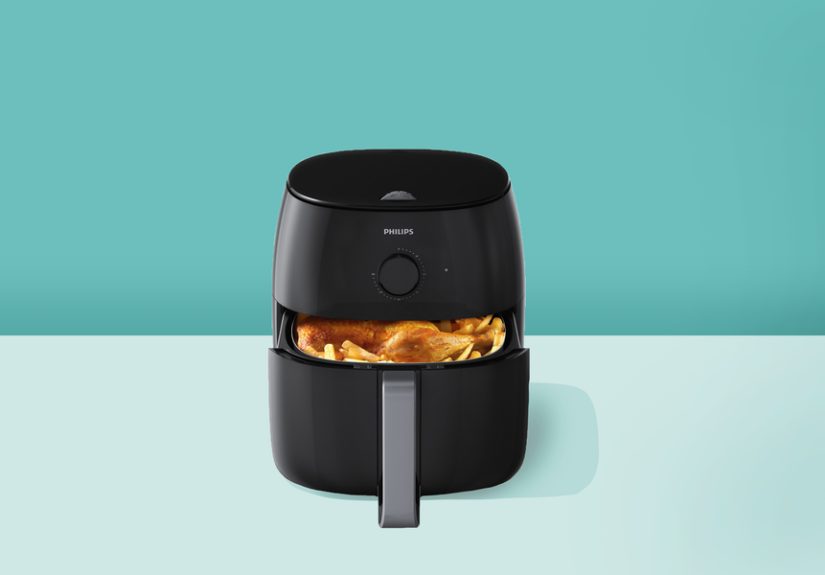
An air fryer is a countertop cooking appliance that uses a heating element and a powerful fan to circulate very hot air around food. Most models have a perforated basket, tray, or rack so air can reach more of the food’s surface at once. That intense circulation helps create browning and crispness on the outside while the interior cooks through.
The easiest way to think about it is this: an air fryer is not truly frying food in the classic sense. It is much closer to a small, high-powered convection oven. The big difference is size and speed. Because the cooking chamber is compact and the fan is usually strong and positioned close to the food, the heat feels more concentrated. That is why air fryers often preheat quickly, cook fast, and produce a satisfyingly crisp finish on foods like fries, wings, salmon, Brussels sprouts, and leftover pizza that is trying to reclaim its dignity.
How Air Frying Works
The heating element does the heavy lifting
Inside the appliance is a heating element that gets very hot, often reaching temperatures similar to a hot oven. That heat is what cooks the food. But heat alone is not the trick. If it were, your regular oven would always win the crispy-food Olympics, and we know life is not that tidy.
The fan makes the magic look easy
The fan blows hot air rapidly around the food. This movement helps distribute heat more evenly and drives moisture off the surface. As surface moisture evaporates, the outside of the food dries and browns more effectively. That is one reason air-fried foods can come out crunchy instead of pale and soggy.
The basket design matters more than people think
The basket or crisper plate is usually vented or perforated, which allows air to move under, around, and through the food. Compare that with food sitting flat on a solid baking sheet, where the underside gets less airflow. In an air fryer, more exposure to moving hot air means better browning from multiple angles. That is also why shaking the basket halfway through cooking helps. You are basically giving every fry, nugget, or broccoli floret its moment in the crispy spotlight.
Why air-fried food browns
Air fryers encourage browning through high heat and moisture loss. Once the surface dries enough, browning reactions kick in and create the color, aroma, and savory flavor people associate with roasted and fried foods. That is why a light coat of oil can help. You do not need much, but a small amount can improve heat transfer, promote browning, and make foods like potatoes or breaded chicken more evenly crisp.
Is Air Frying the Same as Deep Frying?
Nope. Not even close, though the results can overlap enough to make people very happy at dinnertime.
Deep frying cooks food by submerging it in hot oil. That oil transfers heat extremely efficiently and gives fried foods their unmistakable crunch and richness. Air frying uses circulating hot air instead of a bath of oil. You can still get crisp edges and good color, but the flavor and texture are not always identical. An air-fried French fry can be delicious, but it is still not the exact same experience as a restaurant fry that took a swimming lesson in hot oil.
That said, air frying usually uses much less added fat, creates less mess, and feels a lot less dramatic than dealing with a pot of hot oil. There is no splatter ballet. There is no nervous glance at the smoke alarm. There is just a basket, a timer, and the smell of dinner getting interesting.
Air Fryer vs. Convection Oven
This comparison confuses a lot of people, mostly because both appliances use hot air and a fan. The difference is not the basic concept. It is the intensity.
An air fryer is usually smaller, more concentrated, and faster. Its fan tends to move air aggressively in a tight cooking space, which can make food crisp more effectively in small batches. A convection oven works on the same broad principle, but the larger cavity means heat and airflow are less concentrated. That makes convection ovens better for bigger meals and air fryers better for smaller, faster jobs.
So if you are cooking a tray of wings for two people, the air fryer often shines. If you are cooking dinner for a family of five and a teenager who eats like a competitive linebacker, the oven probably makes more sense.
What Foods Work Best in an Air Fryer?
Foods that love air frying
- Frozen fries, tots, and chicken tenders
- Chicken wings and drumsticks
- Salmon, shrimp, and other quick-cooking proteins
- Vegetables like Brussels sprouts, cauliflower, green beans, and zucchini
- Baked potatoes and roasted potatoes
- Leftovers that need re-crisping, such as pizza, fried chicken, and roasted vegetables
These foods benefit from strong air circulation, high heat, and short cooking times. Air fryers are especially good at reviving texture. Reheating in a microwave can turn crispy food into a soft, sad memory. Reheating in an air fryer often brings it back to life.
Foods that can be tricky
- Wet batters, which can drip before they set
- Leafy greens, which may fly around if not weighed down
- Very greasy foods, which can create smoke
- Large roasts or family-size casseroles, which may not fit well
That does not mean these foods are impossible. It just means the air fryer has boundaries, like any good kitchen relationship. Breaded foods work better than foods dipped in a loose batter. Smaller portions cook more evenly than overstuffed baskets. And yes, there is a point where stuffing in one more mozzarella stick becomes an act of optimism rather than science.
Is an Air Fryer Healthier?
It can be healthier than deep frying, but it is not a halo machine. An air fryer does not turn onion rings into kale. It simply gives you a way to cook certain foods with less oil than traditional frying.
If you use the appliance to cook vegetables, lean proteins, homemade potato wedges, or lightly oiled foods, you can reduce added fat and overall calories compared with deep frying. That can be a meaningful win. But if you fill the basket with heavily processed snacks every night, the air fryer does not suddenly become a nutrition fairy godmother.
There is also a more nuanced point here: air frying is still high-heat cooking. That means browning-related compounds can still form, especially in starchy foods cooked very dark. In other words, “less oil” does not mean “ignore cooking basics.” Aim for golden, not scorched. Crispy, not charcoal cosplay.
How to Use an Air Fryer Well
Do not overcrowd the basket
This is the rule people break first and regret fastest. Air fryers need space for air to circulate. If you pile food too high, pieces steam each other instead of crisping. A single layer usually gives the best results.
Use a little oil when it helps
Some foods do fine with no added oil, especially frozen items that already contain fat. Fresh vegetables, potatoes, and breaded foods often benefit from a light coating. A teaspoon or a quick spray can improve browning and texture without turning dinner into an oil slick.
Shake, flip, or rotate halfway through
This helps expose more surface area to the hot air. Think of it as giving every bite equal opportunity employment in the crisping department.
Preheat when needed
Some models do better with preheating, while others are fast enough that it barely matters. Check your manual and use your results as your guide. If you want more consistent browning on meats or fries, preheating often helps.
Check for doneness with a thermometer
Color is not the same as safety. Chicken can brown quickly in an air fryer, but you still need to verify that it reaches a safe internal temperature. The same goes for burgers, pork, fish, and leftovers. Crisp on the outside is great. Safe in the middle is non-negotiable.
Cleaning and Safety Tips
Air fryers are generally simple to use, but they still get very hot. Keep them on a stable, heat-safe surface with enough room around the vents. Do not crowd the appliance against a wall or stash paper towels next to it like you are decorating a tiny fire hazard.
Clean the basket, tray, and interior regularly. Grease buildup can affect performance, create smoke, and generally make your next batch taste like the ghost of dinners past. Most baskets and crisper plates are easier to clean if you let them cool slightly, soak them in warm soapy water, and skip abrasive scrubbing tools that can damage nonstick surfaces.
Also, use liners, foil, or parchment only if your model allows it and only in a way that does not block airflow. If you cover every opening in the basket, you are basically asking the appliance to air fry without the air. That is not teamwork.
Who Should Buy an Air Fryer?
An air fryer makes a lot of sense if you cook small batches, want crispy food without deep frying, reheat leftovers often, or do not want to fire up a full-size oven for a handful of wings or a piece of salmon. It is also handy for dorm-style cooking setups, smaller kitchens, and weeknights when patience is in short supply.
It may be less ideal if you regularly cook for a crowd, already have a strong convection oven you love, or dislike having extra appliances on your counter. Air fryers are useful, but they are not spiritual awakenings in matte black plastic form. For some kitchens, they are a game changer. For others, they are just one more large object staring at you from the corner.
Final Thoughts: What Air Frying Really Offers
So, what is an air fryer? It is a compact, high-speed convection appliance that cooks food by circulating very hot air around it. And how does air frying work? Through a combination of radiant heat, forced airflow, moisture evaporation, and efficient browning in a small cooking chamber designed to crisp food quickly.
The real appeal of air frying is not that it perfectly copies deep frying. It is that it offers a smart middle ground. You get crisp textures, quick cook times, less mess, and often less oil, all with a machine that is easy enough for a beginner and useful enough for experienced cooks. It will not replace every cooking method in your kitchen, but it can absolutely earn its spot if you value convenience and crave crunch.
In other words, an air fryer is not a miracle. It is just a very efficient little hot-wind machine. And honestly, that is impressive enough.
My Real-World Experience With Air Fryers: The Good, the Crispy, and the Slightly Overdone
The first time I used an air fryer, I treated it like a magical portal to instant perfection. I loaded the basket with way too many fries, hit start, and waited for restaurant-level greatness. What I got was half crispy fries, half potato therapy session. That was my first lesson: the air fryer rewards restraint. Once I stopped crowding the basket and started cooking in smaller batches, the results improved dramatically.
What surprised me most was not the fries. It was leftovers. Leftover pizza came back with a crisp crust and gooey cheese instead of the floppy, microwaved sadness I had come to accept as normal. Fried chicken regained its crunch. Roasted vegetables stopped tasting like defeat. It was the first appliance that made me think, “Oh, this is not just for trendy snacks. This is actually useful on a random Tuesday.”
I also learned that an air fryer is fantastic for people who cook in realistic portions. If you are making lunch for one, dinner for two, or a fast side dish, it feels wonderfully efficient. Preheating a full-size oven for a couple of salmon fillets can feel like starting a bonfire to toast a marshmallow. The air fryer, by contrast, gets to work quickly and does not heat the whole kitchen like it is auditioning for summer villain of the year.
There were, of course, a few humbling moments. I once tried a wet-battered food because confidence had apparently outpaced common sense. The coating slid off, dripped, and made a mess that looked less like dinner and more like a cautionary tale. Another time I ignored the halfway shake on a basket of tater tots and ended up with top performers on one side and underachievers on the other. The appliance had done its part. I had simply chosen chaos.
Over time, I found a rhythm. A light toss of oil on vegetables gave me better color. A quick pat dry on chicken improved browning. A thermometer saved me from guessing. And cleaning the basket soon after cooking kept the machine from developing that lingering “something happened here” smell that no one wants hovering over breakfast.
The biggest change, though, was psychological. The air fryer made cooking feel less like a production. It lowered the barrier to making crisp chickpeas, roasted broccoli, or a quick protein without a pile of dishes or a pan full of oil. It did not make me a different cook, but it made good habits easier. That is probably why so many people end up loyal to theirs. Not because it performs miracles, but because it quietly solves a bunch of small kitchen annoyances all at once.
Would I say every household needs one? Not necessarily. But if you like crunchy textures, quick meals, and reheated leftovers that do not taste like punishment, an air fryer can feel like the kitchen assistant you did not know you were missing. Just remember the golden rules: do not overcrowd, do not trust wet batter, and do not assume “crispy” means “done.” Follow those, and the air fryer becomes less of a fad and more of a genuinely handy tool.